Selling an ATV in Maine: What You Sign
Selling an ATV in Maine might seem straightforward – you find a buyer, they hand over cash, and off they go. But if you’ve ever found yourself wondering about the exact paperwork, sales tax implications, or how to truly protect yourself in the transaction, you're not alone. This guide will walk you through precisely what documents you need to prepare, what to sign, and how to ensure a smooth, secure sale of your all-terrain vehicle in the Pine Tree State.
The Cornerstone of the Sale: Your Maine ATV Bill of Sale
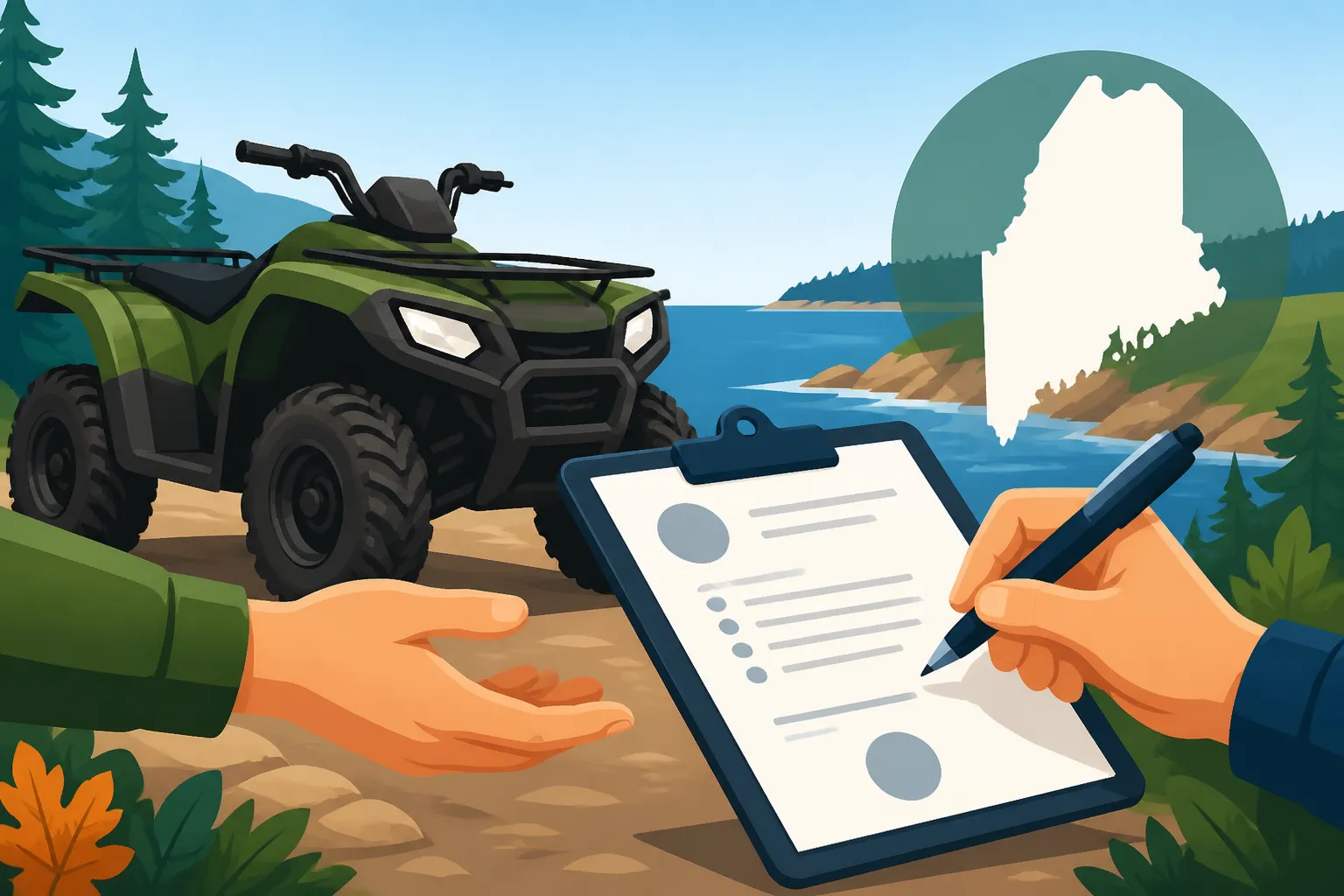
When you're selling an ATV in Maine, the most critical document you'll need is a comprehensive bill of sale. Think of it as your official record of the transaction, protecting both you as the seller and the buyer. It’s far more than just a handwritten note; it's a legally binding agreement that details the transfer of ownership. Without a proper bill of sale, the buyer could face significant hurdles when trying to get their new machine registered, and you could be left vulnerable to future disputes.
What Makes a Bill of Sale Legally Sound?
A legally sound bill of sale isn't just a formality; it's your primary shield. It should clearly identify the buyer and seller with their full legal names and current addresses. Crucially, it needs to accurately describe the ATV being sold. This means including the make, model, year, and, most importantly, the Vehicle Identification Number (VIN). The VIN is like the ATV's fingerprint – unique and essential for proper identification. You'll also need to state the agreed-upon purchase price, the date of the sale, and a declaration that you, as the seller, are indeed the rightful owner and that the ATV is free from any liens or encumbrances. Both parties must sign and date the document.
It’s often a good idea for the bill of sale to include a clause stating the machine is being sold "as-is, where-is," which we’ll dive into more deeply later. This clause is paramount in private sales as it clearly communicates that the buyer is accepting the ATV in its current condition, without any warranties or guarantees from you, the seller. This single sentence can save you a world of headaches down the road. Some sellers even choose to have the bill of sale notarized, adding an extra layer of legal verification, though it's not a strict requirement for a private ATV sale in Maine.
Why a Simple Receipt Just Won't Cut It
You might be tempted to just scribble down the transaction on a generic receipt pad, but this is a common pitfall. A simple receipt usually lacks the detailed information necessary to fully protect both parties. It often omits crucial details like the VIN, an "as-is" clause, or a clear statement of ownership and lien status. When a buyer goes to register their newly purchased ATV, the Maine Inland Fisheries & Wildlife (IF&W) or their local town office will need more than just a casual receipt. They're looking for clear proof of ownership and purchase details to process the registration and collect sales tax appropriately.
Imagine the buyer trying to register their new quad only to be told the receipt they have is insufficient because it doesn't clearly state the VIN or who they bought it from. This can lead to delays, frustration, and a call back to you, the seller, requesting additional documentation. Furthermore, without a detailed bill of sale, if the buyer later discovers an issue with the ATV, or claims you misrepresented it, you have very little official documentation to fall back on to prove the terms of your agreement. A robust bill of sale closes these loopholes and clarifies all aspects of the sale, preventing misunderstandings or disputes. Remember, a quick and easy solution now can lead to a long and complicated problem later.
Where to Find and How to Complete a Solid Bill of Sale
Finding a reliable bill of sale form is easier than you might think. Many states, while Maine specifically doesn't provide one, have sample forms available online. Resources like LawDepot offer customizable templates that you can tailor to your specific sale. These templates often include all the necessary fields and legal language to ensure your transaction is properly documented. You simply download the template, fill in the blanks with the specifics of your ATV and the sale, and print it out.
When completing the form, accuracy is key. Double-check all names, addresses, and especially the VIN. The VIN is usually found stamped on the frame of the ATV, often near the front wheel well, under the seat, or on the engine case. Make sure it matches the VIN on any previous registration documents you have. Clearly state the final agreed-upon price – this is what the state will use to calculate sales tax when the buyer registers the machine. It's always a good idea to create at least two copies of the signed bill of sale: one for you to keep as your permanent record, and one for the buyer to take with them. This way, both parties have an original, signed document. This kind of attention to detail makes the process of [Maine ATV Registration After a Private Sale] much smoother for the new owner.
Beyond the Bill of Sale: Other Important Documents
While the bill of sale is the star of the show, there are other pieces of paperwork you should be ready to present or provide to the buyer. Since Maine does not title ATVs, proof of ownership often relies on previous registration documents and a clear chain of sale. Being prepared with these additional items not only streamlines the process for the buyer but also demonstrates your transparency and honesty as a seller. This can build trust and make the transaction go more smoothly.
Proving Ownership When There's No Title
This is a point of frequent confusion for buyers, especially those new to Maine or coming from states where ATVs are titled. In Maine, ATVs are not issued titles, unlike cars or trucks. This means you won't have a pink slip or a certificate of title to hand over. Instead, proof of ownership for an ATV typically relies on a valid bill of sale from your purchase (proving you bought it) and your most recent registration certificate. This is why a detailed bill of sale is so crucial when you sell. If you're the original owner and purchased the ATV new from a dealer, you might have a Manufacturer's Certificate of Origin (MCO or MSO). While less common for used private sales, if you have it, it's a gold-standard document for proving initial ownership and should be given to the buyer.
For most private sales of used ATVs, the buyer will primarily rely on the bill of sale you provide, along with your previous registration card, to prove their ownership when they go to register the machine. If you've owned the ATV for a while and don't have the original bill of sale from when you bought it, your current registration card, combined with the new, detailed bill of sale you create with your buyer, serves as the primary proof. This can be particularly important for a buyer trying to register an ATV they bought without clear paperwork, making your detailed bill of sale invaluable. It's why understanding [Proof of Ownership for a Maine ATV Registration] is so critical for both sides of the transaction.
Providing the Previous Registration and Maintenance History
Your most recent Maine ATV registration card is an important document to provide to the buyer. While you'll remove the actual registration stickers from the machine, the card itself serves several purposes. It shows that the ATV was legally registered and operated by you, providing a record of its legal status. It also contains key information about the ATV, such as the VIN, make, model, and year, which the buyer can cross-reference with the bill of sale to ensure accuracy. This transparency helps the buyer feel confident in their purchase.
Beyond the registration, if you've been meticulous about maintaining your ATV, providing a stack of maintenance records can add significant value and peace of mind for the buyer. Receipts for oil changes, tire replacements, belt services, or any major repairs demonstrate that the machine has been well cared for. While not legally required, these records can justify your asking price and help the buyer understand the history of their new toy. It shows them you're a responsible owner and that they're getting a machine that's likely been looked after. This kind of documentation can be a real differentiator, especially when a buyer is trying to decide between your ATV and another similarly priced machine.
What About a Lien or Loan?
It's absolutely critical that you, as the seller, disclose any existing liens or outstanding loans on the ATV. If you still owe money on the machine, you cannot legally transfer clear ownership to a new buyer until that loan is satisfied. Trying to sell an ATV with a lien against it is not only unethical but illegal. Before you even list your ATV for sale, contact your lender to understand their process for releasing the lien. This usually involves paying off the remaining balance, after which the lender will provide a lien release document.
This lien release document is crucial and must be given to the buyer as part of the sale paperwork. Without it, the buyer could face significant issues down the line if the lienholder comes looking for the collateral. When you sign the bill of sale, you are typically attesting that you are the rightful owner and that the ATV is free from encumbrances. Make sure that statement is true. If you're using a personal loan that isn't specifically tied to the ATV as collateral, then there's no lien, and you simply need to make sure you have the funds to pay off your personal obligation. Honesty and transparency here will prevent major legal headaches for everyone involved.
Protecting Yourself as the Seller: Key Considerations
Selling a private asset like an ATV comes with its own set of risks. You want to make a fair deal, get your money, and have the transaction conclude cleanly without lingering issues. Taking a few proactive steps can go a long way in protecting yourself from liability, scams, and buyer's remorse. Remember, once the ATV leaves your possession and the money changes hands, you generally want to wash your hands of further responsibility.
Understanding "As-Is" Sales and Limiting Liability
For private ATV sales in Maine, the term "as-is, where-is" is your best friend. This clause, explicitly written into your bill of sale, means that the buyer is purchasing the ATV in its current condition, with all its existing faults or defects, whether known or unknown. You are not providing any warranty, either expressed or implied, about the ATV's condition, performance, or longevity. This is vastly different from buying from a licensed dealer, who often has different legal obligations and might offer guarantees or extended warranties.
Without an "as-is" clause, a buyer could potentially try to hold you responsible for mechanical failures that occur shortly after the sale. While most private sales are implicitly "as-is," making it explicit in the bill of sale removes any ambiguity. For example, if the carburetor fails a week later, or a bearing starts to whine, the "as-is" clause means the responsibility lies with the new owner. Of course, this doesn't protect you from intentionally misrepresenting the ATV or hiding known major defects; that would be fraud. But for normal wear and tear or unexpected issues, "as-is" is a vital protection for you, the seller.
Accepting Payment Safely: Avoiding Scams
When it comes to receiving payment for your ATV, safety and security should be your top priorities. Cash is king in many private sales because it's immediate and undeniable – once it's in your hand, the transaction is complete. However, dealing with large sums of cash can be risky, both in terms of physical security and the potential for counterfeit bills. If accepting cash, consider meeting at a bank where the money can be immediately verified and deposited.
Certified bank checks or cashier's checks are generally considered safe, as they are drawn from the bank's own funds. However, even these can be faked. It's always best to meet the buyer at their bank during business hours so you can verify the check's authenticity with a teller before you release the ATV. Avoid personal checks at all costs, as they can bounce days after the sale, leaving you without your ATV and without payment. Wire transfers can work, but ensure the funds are fully cleared into your account before releasing the machine. Escrow services, while adding a small fee, offer the highest level of security for both parties by holding the funds until all conditions of the sale are met. This might sound like a lot of hassle, but protecting your money is worth the extra caution.
Navigating Test Rides and Trail Demos
Many buyers will want to test ride the ATV before committing to a purchase, and this is perfectly reasonable. However, it introduces significant liability for you. What if the buyer crashes and injures themselves or damages the machine? Before any test ride, ensure the buyer has their own ATV insurance that would cover them, or that your homeowner's insurance might offer some limited liability. Better yet, have them sign a liability waiver, explicitly stating they are riding at their own risk and releasing you from any responsibility for injury or damage. You can find generic waiver forms through legal document services, similar to where you might find a bill of sale, such as LawDepot.
Consider only allowing test rides in a controlled environment, such as your own property (if suitable) or a designated, safe area away from public roads and trails. Always accompany the buyer during the test ride, either on another machine or by observing closely. If you’re uncomfortable with the buyer taking the machine out, you can offer to demonstrate its capabilities yourself. Make it clear beforehand what the rules are for a test ride, and never let someone take your ATV for a spin without verifying their ability to operate it safely and having a clear plan for liability. Remember that even a short test ride can incur penalties if the ATV is ridden on public ways without [Maine ATV Insurance and When You Need It] or is ridden by an unqualified operator.
After the Handshake: Your Post-Sale Responsibilities
Once the money has changed hands and the bill of sale is signed, your primary responsibilities as the seller are mostly complete. However, there are a couple of small but important steps you should take to finalize the transaction from your end. These actions ensure that the ATV is no longer associated with your name and that the buyer has everything they need to legally operate their new machine.
Removing Your Old Registration Stickers
Before the buyer drives away with their new-to-them ATV, it's crucial that you remove your old Maine ATV registration stickers from the machine. These are the colorful decals that display your registration number and expiration date, and they legally belong to you. The buyer will need to register the ATV in their own name and will receive new stickers and a new registration number. Leaving your old stickers on could lead to confusion or even potential misuse if the buyer delays their own registration.
The stickers are usually designed to be somewhat difficult to remove in one piece, which is a security feature. Use a scraper or a razor blade carefully to peel them off. You don't need to return them to IF&W, but simply ensuring they are no longer on the machine is sufficient. This acts as a clear separation of your ownership and the buyer's new ownership, ensuring you aren't inadvertently associated with any future violations the new owner might incur while riding with your old stickers.
What the Buyer Needs to Know About Registration
While the ATV is no longer your responsibility, it's a helpful courtesy (and good practice to prevent issues) to inform the buyer about their immediate need to register the machine in their name. In Maine, all ATVs operated off their owner's property must be registered. This means they can't just take off on the trails immediately after the purchase without getting new paperwork. Provide them with a copy of the signed bill of sale and, if applicable, the lien release, and direct them to their local town office or the Maine IF&W website to begin the registration process.
Emphasize that they will need that bill of sale and proof of previous ownership (like your old registration card) to complete their [First-Time Maine ATV Registration at the Town Office] or online through IF&W. They will also need to pay Maine sales tax on the purchase price at the time of registration, which is why accurately stating the purchase price on the bill of sale is so important. Make it clear that they cannot legally ride on public trails or land open to the public until the machine is properly registered in their name and they have their new stickers. This guidance helps ensure the buyer is compliant with Maine law and avoids any confusion or penalties for riding an unregistered ATV.
| Document Required (Seller's Role) | Provided By Seller? | Buyer Needs It For… | Key Information to Include |
|---|---|---|---|
| Bill of Sale | Yes (Essential) | Proof of Purchase, Registration | Seller/Buyer info, ATV details (VIN, make, model, year), Purchase Price, Date, "As-Is" Clause, Signatures |
| Previous Registration Card | Yes (Recommended) | Proof of Ownership History | Your name, ATV VIN, make, model, year, last registration date |
| Manufacturer's Certificate of Origin (MCO/MSO) | Yes (If original owner, and available) | Primary Proof of New Ownership | ATV VIN, make, model, year, manufacturer details |
| Lien Release Document | Yes (If applicable) | Clear Title/Ownership | Confirmation from lender that loan is paid off and lien is released |
| Maintenance Records | Yes (Optional, but good practice) | Understanding ATV History | Dates of service, parts replaced, work performed |
Disclaimer
This article is for general informational purposes only and does not constitute professional advice. Laws, prices and regulations vary by location and change over time. Consult a qualified professional for guidance on your specific situation.