Maine’s Stop-and-Yield Rule Before a Public Way
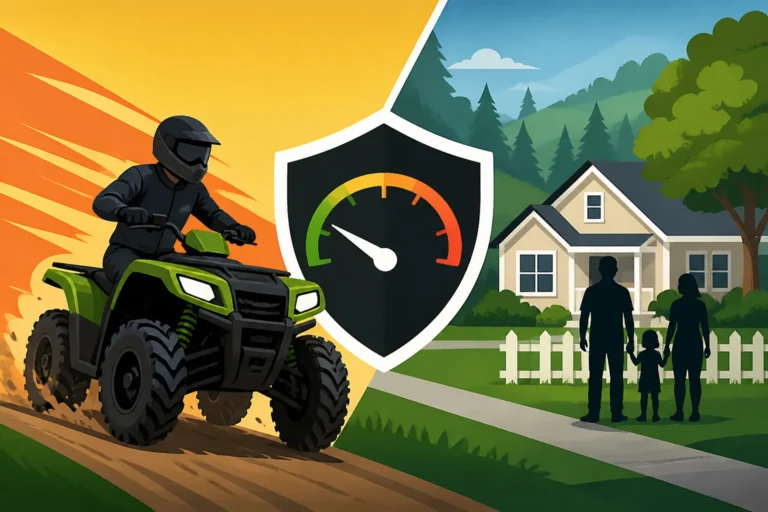
It happens to the best of us: you're out enjoying a perfect day on the Maine trails, surrounded by that incredible backcountry beauty, and then, suddenly, a public road looms ahead. Your heart might skip a beat, or maybe you just get a knot in your stomach, because crossing these roads can feel like navigating a minefield of rules and potential dangers. It's not always clear where to stop, when to go, or what traffic you need to watch out for. This guide is here to untangle that confusion, offering clear, comprehensive insights into Maine's crucial stop-and-yield rule for ATVs and UTVs before you enter any public way, helping you ride confidently and safely.
Understanding Maine's Core Stop-and-Yield Law for ATVs
Let's face it, the laws around ATV use on or near public roads can feel like a labyrinth. But when it comes to crossing a public way, Maine's regulations are crystal clear, and understanding them isn't just about avoiding a ticket – it's about staying safe and preserving our trail access. This isn't just some suggestion; it's a fundamental safety principle designed to protect everyone on the road, including us riders.
The Letter of the Law: What it Actually Means
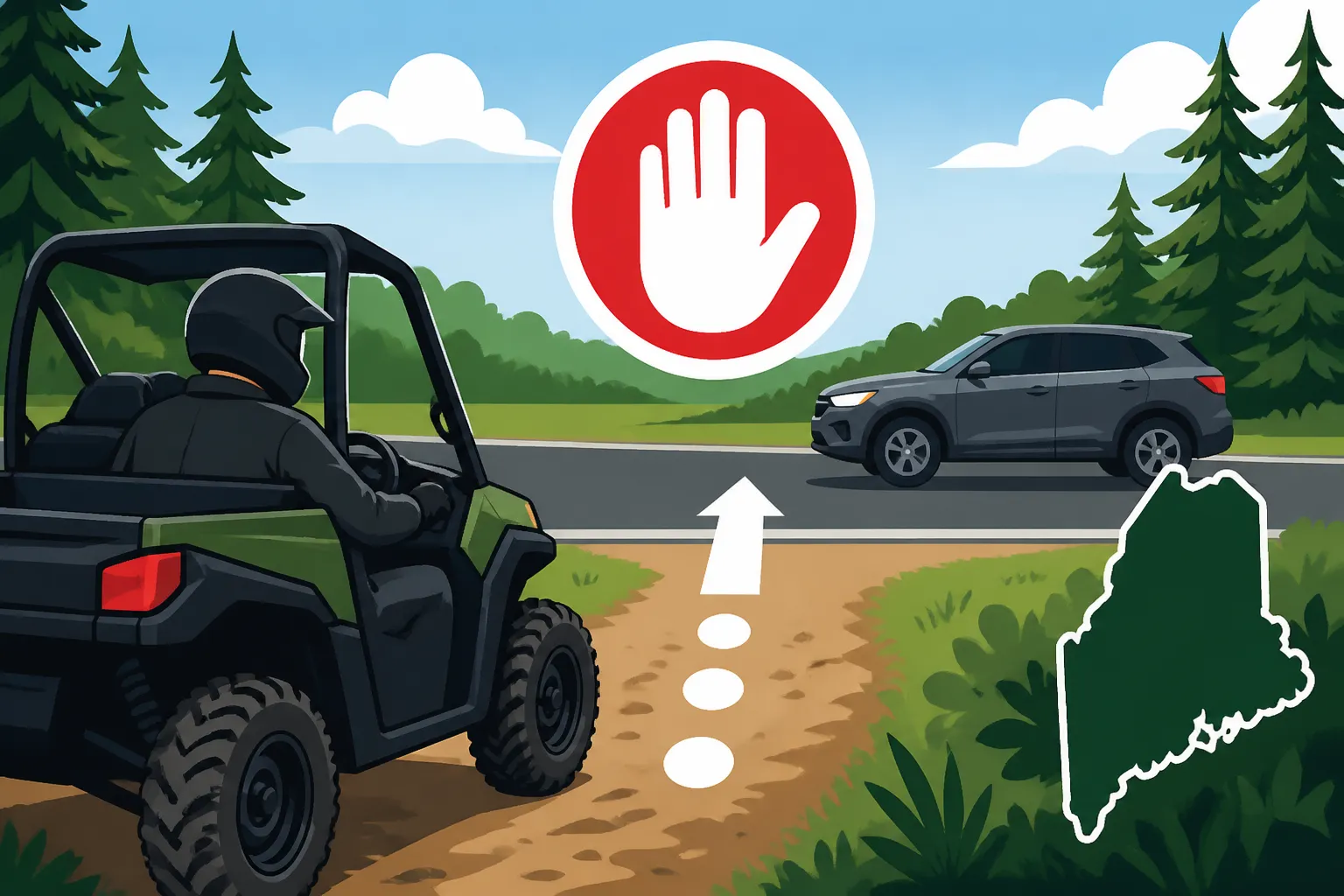
The core of Maine's law regarding ATVs and public ways is unambiguous: "An all-terrain vehicle operator must come to a complete stop and yield to all vehicular traffic and pedestrians prior to crossing a public way." That sentence packs a lot of punch, doesn't it? It means you can't just slow down, roll through, or assume the way is clear. You must bring your machine to a dead stop. No movement. Then, and only then, do you assess the situation and yield to anything that moves on that public way.
Why is this rule so strict? Well, think about it from the perspective of someone driving a car. ATVs, even big side-by-sides, can be harder to see, especially when emerging from a wooded trail onto a faster-moving road. Our machines handle differently, brake differently, and accelerate differently than cars. This rule isn't meant to inconvenience us; it's a critical safety measure put in place to prevent collisions that could be catastrophic. A "public way" here isn't just your paved Route 1 or I-95 (though you shouldn't be on the latter!). It includes paved state highways, gravel town roads, and even some dirt logging roads that are technically maintained by the town and open to the public. Sometimes, it even applies to designated sidewalks or multi-use paths where pedestrian and bicycle traffic might be present.
Why a Full Stop is Non-Negotiable
We've all been there: you see a road, maybe it looks clear, and your instinct is just to coast up and make a quick turn or dart across. But a "rolling stop" or a slow approach simply isn't good enough, and it dramatically increases your risk. A warden isn't going to quibble over whether your wheels were almost stopped. They're looking for definitive compliance. If your wheels are turning, even slowly, you haven't made a complete stop.
Consider the physics for a moment. If you're rolling, even at 5 miles per hour, your reaction time to an unseen vehicle or pedestrian is significantly reduced. You need more distance to truly stop, and your eyes might not have had enough time to scan the road thoroughly. A complete stop forces you to pause, collect yourself, and dedicate your full attention to the road ahead. This isn't like a car at a stop sign where a quick glance might suffice. We're on open machines, often coming from obscured trails, and the consequences of misjudging traffic are far more severe for us. Wardens are well aware of the common temptation to rush a crossing, and they often patrol these known intersection points precisely to ensure riders are taking this rule seriously.
Yielding to All Traffic: What "All Traffic" Entails
Once you've come to that crucial complete stop, the next part of the rule kicks in: yield to all vehicular traffic and pedestrians. This isn't just about cars and trucks. "All traffic" is comprehensive. We're talking about:
- Cars, trucks, SUVs, motorcycles: These are the obvious ones, and they're often traveling at much higher speeds than you're used to on the trails.
- Bicycles: Cyclists, especially those on road bikes, can be surprisingly fast and quiet. They might be hard to spot until they're very close.
- Pedestrians: Walkers, joggers, and even kids playing near the side of the road can appear suddenly. They have the right-of-way.
- Other ATVs or UTVs: Yes, even if another ATV is legally using an [Maine's 500-Yard Limit on a Public Way] access route, they count as traffic you must yield to if they are already on the public way you intend to cross.
The "yield" part means you must wait until it is absolutely safe to proceed without impeding the flow of traffic or putting anyone at risk. It's not enough to just see a gap; you need to ensure that by entering the roadway, you won't cause another vehicle to slow down, swerve, or take evasive action. This requires looking left, then right, then left again. Maybe even a quick look over your shoulder if you're making a turn onto a road. Always assume someone might be coming, and if there's any doubt, wait. That extra 10-20 seconds of waiting could be the difference between a great day of riding and a devastating incident.
Navigating Common Scenarios: Applying the Rule in Real Life
Knowing the letter of the law is one thing, but applying it to the diverse landscape of Maine's trails and roads can sometimes feel like a different beast entirely. From busy state routes to quiet dirt paths, the stop-and-yield rule holds firm, but the practical considerations for safe execution can vary widely. It’s about being adaptable and always prioritizing safety, no matter the specific environment.
Crossing a Paved State Route
Ah, the dreaded paved state route crossing. These are often the most challenging and highest-stakes intersections. Imagine you're on a fantastic trail that pops out onto Route 2 or Route 11, a busy artery where cars are flying by at 55 mph or more. The sheer speed of road traffic, combined with potential blind turns, hills, or heavy tree cover, creates a genuinely hazardous situation. You might be focused on the trail, suddenly realize you're at the edge of the woods, and then the road just appears.
Best practices here are paramount. First, choose your crossing points wisely. If you have a choice, aim for an intersection that offers maximum visibility in both directions. Avoid blind corners or crests of hills if at all possible. When you come to your full stop, you might need to lean forward, or even briefly dismount and walk to the edge of the pavement, just to get a clear line of sight around any obstructions like tall bushes or signage. You're low to the ground on an ATV, and seeing over hedges can be tough. Don't be shy about taking that extra step for safety. Picture this: you're riding with friends near Jackman, and you need to cross Route 201 to get to the next section of trail that leads towards Pittston Farm. This highway can be surprisingly busy with trucks and cars. You absolutely need to pull off the trail, come to a complete stop, and patiently wait for a substantial gap in traffic. Rushing this crossing could lead to disaster.
Dirt Town Roads and Private Camp Roads
There's a common misconception that dirt roads are somehow "less public" or that the rules don't apply with the same rigor. Many riders feel a sense of local ownership or familiarity, thinking, "Oh, it's just a camp road, nobody ever comes down here fast." This is a dangerous mindset. If a road is maintained by the town, even if it's unpaved and looks like a trail, it's still a public way. And even if it's a private camp road where you do have permission to ride, you can still encounter other camp owners, loggers, delivery trucks, or other recreationalists who have just as much right to be there, and they might not expect an ATV.
The stop-and-yield rule still applies in full. While traffic might be lighter and speeds lower on these types of roads, the potential for a collision remains. A car kicking up dust on a gravel road can obscure vision, and a side-by-side or even a pedestrian might be around the next bend. The legal definition of a "public way" is broad, and it typically covers any road maintained for public travel, regardless of its surface type. So, even if you're on a quiet lane deep in the woods, treat every intersection with the respect it deserves. That frustration of feeling like you "own" that particular stretch of trail might be real, but the law and safety don't bend for it.
Entering an ATV-Access Route
Maine has done a fantastic job of working with towns to designate specific sections of public roads as [Maine's 500-Yard Limit on a Public Way]. These are incredible for connecting trails and allowing riders to get to fuel, food, or lodging. However, it's critical to remember that even when you are entering one of these designated ATV-access routes from a trail, the initial stop-and-yield rule still applies. You're still going from a private trail onto a public way, regardless of that public way's specific designation for ATVs.
Once you are on an ATV-access route, the rules shift, and you generally operate under motor vehicle laws – meaning you typically ride on the extreme right side of the road, adhere to posted speed limits, and obey all traffic signs and signals. But that initial transition, the moment your tires leave the trail and touch the public road surface, requires that full stop and yield. Think of it as a gateway. You have to pause and ensure safe passage through that gate before you can legally proceed. This is where [Riding the Extreme Right of a Maine Road] becomes critical, too – once you're on that access route, you need to remember how to legally share it with other vehicles.
The Critical "Look Before You Leap" Moment
We've all heard the saying, but when you're on an ATV approaching a public road, "look before you leap" isn't just a cliché – it's a life-saving mantra. The unique characteristics of ATVs and the environments we ride in present specific challenges that demand extra diligence and a methodical approach to scanning and judging traffic. This is where instinct needs to take a backseat to deliberate observation.
Visibility Challenges for ATV Riders
One of the biggest hurdles for ATV riders at road crossings is visibility. We sit much lower than car drivers, which means our line of sight can be easily obstructed by fences, parked cars, guardrails, or even roadside vegetation that a truck driver would clear with ease. Add to that the confines of a helmet, which, while essential for safety, can limit peripheral vision, and you've got a recipe for potential blind spots.
Think about a common scenario: you're popping out of a dense cedar swamp trail onto a two-lane road. The brush on either side of the trail access might be waist-high. From your seat, you might only see a small slice of the road. This is where you absolutely need to adjust your position. Lean forward to get a better vantage point. If possible and safe, you might even have to edge your machine forward just enough to improve your sightlines, all while maintaining that complete stop and readiness to brake. Some riders even find that a wider field of view from quality mirrors, perhaps a set from a brand like SuperATV, can make a difference in peripheral awareness, though nothing replaces a good head turn and active scanning.
Judging Traffic Speed and Distance
This is where things get truly tricky. How fast is that car coming? Is it far enough away for me to cross safely? Our brains are wired for certain speeds and distances, but an oncoming car on a 55 mph highway covers ground incredibly quickly. What looks like plenty of time can evaporate in seconds. This is especially true at night, when headlights can be misleading, making a distant vehicle appear closer or a fast vehicle seem slower than it is.
When in doubt, wait. Seriously. It's always better to err on the side of caution. If you have to ask yourself, "Can I make it?", the answer is probably no. It's not about being timid; it's about being smart. Wait for that truly significant gap, where you can confidently cross without anyone having to adjust their speed or trajectory for you. Trying to rush a crossing to save a few seconds could cost you everything. A good rule of thumb is to look twice, and if you're still unsure, look a third time. Your eyes can play tricks, and the perception of distance and speed can be incredibly deceptive, especially after hours of riding at lower trail speeds.
Communicating in a Group Ride
Riding with a group adds another layer of complexity to road crossings. It's not just about your safety anymore; it's about the safety of everyone behind you. The lead rider carries a significant responsibility here. Before approaching a public way, the lead should signal the group to slow down and prepare for a stop. When at the crossing, the lead rider needs to ensure the path is clear for all machines in the group to cross safely, or at least for a manageable segment of the group.
Never split a group across active traffic. It's incredibly dangerous and puts every rider at risk. Wait for an opening large enough for everyone to go, or break into smaller, manageable sub-groups that can cross with clear intervals. Hand signals are your friend here. The lead rider should clearly signal "stop" and "all clear" or "go." New riders, in particular, need clear instructions and should be encouraged to only proceed when they feel completely safe, not just because the person in front of them went. For more tips on this, check out [Group Ride Etiquette on Town Roads]. A quick pre-ride briefing about road crossings is always a good idea, especially if you have inexperienced riders in your group.
Equipment and Preparation for Safe Road Crossings
While adhering to the stop-and-yield rule is paramount, having the right equipment and ensuring your machine is in top condition can significantly enhance your safety when interacting with public roads. It's not just about what you do, but what you have and how well it's maintained. Think of it as your personal safety net, bolstering your ability to see, be seen, and react effectively.
Essential Lighting and Reflective Gear
You might be riding during the day, but that doesn't mean your lights aren't important. Many states, including Maine, recommend or require headlights and taillights to be on even during daylight hours for improved visibility. When you're emerging from a shaded trail onto a sunny road, those lights can make a huge difference in being seen by oncoming traffic. Your taillights and brake lights are also critical – they tell drivers behind you (if you're on an access route or exiting the trail) what you're doing.
If you plan to ride near dusk, dawn, or anytime visibility might be compromised, reflective gear becomes your best friend. Consider a reflective vest for yourself, and reflective tape on your helmet or even on key parts of your machine. A small amount of reflection can make you stand out dramatically to a driver whose headlights catch it. For more in-depth information on lighting requirements, you can check out [Maine Lighting Requirements for Night Riding]. Remember, the goal is to be as conspicuous as possible.
Maintaining Your Machine for Road Safety
A well-maintained ATV is a predictable ATV, and predictability is crucial when you're crossing or briefly sharing a public way. Imagine needing to stop quickly for an unexpected car, only to find your brakes are spongy. Or trying to make a precise turn, and your steering is loose. These are scenarios you absolutely want to avoid.
Before every ride, especially if you know you'll be encountering road crossings, do a quick safety check:
- Brakes: Test both front and rear brakes. Are they firm and responsive? Do they stop your machine effectively?
- Tires: Check your tire pressure. Proper pressure ensures optimal handling and braking. Look for any damage or excessive wear.
- Steering: Wiggle your handlebars or steering wheel. Is there excessive play? Does the steering feel tight and direct?
- Lights: Ensure all your lights – headlights, taillights, brake lights – are functioning correctly.
Using quality aftermarket parts, like those you might find from SuperATV, can also contribute to your machine's overall reliability and safety. Investing in good brakes, suspension components, or durable tires means your machine will respond as it should when you need it most. Don't skimp on maintenance; your life could depend on it.
Personal Protective Equipment and Readiness
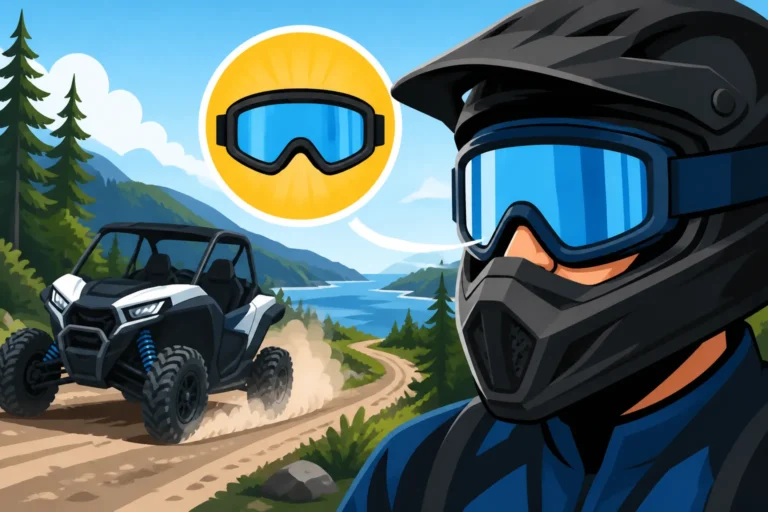
This might sound obvious, but it bears repeating: always wear a helmet. Not just for the trail, but especially for those moments when you interact with public roads. A collision with a motor vehicle, even at low speeds, can have devastating consequences, and a helmet is your first line of defense. Eye protection, whether it's your helmet's face shield or a good pair of goggles, is also critical. It keeps dust, bugs, and debris out of your eyes, ensuring you maintain clear vision, which is essential for scanning the road. [Maine Helmet Rules for Riders Under 18] highlights the legal requirements for younger riders, but honestly, all riders should wear a helmet.
Beyond the gear, personal readiness is key. When you know a road crossing is coming up, shift your mindset. Stop chatting with your buddies, turn down the music (if you have it), and focus 100% on the task at hand. Be alert, be present, and be ready to react instantly. Distraction is a silent killer, and a momentary lapse in attention at a road crossing could have severe repercussions. Your brain should be fully engaged in assessing the situation, making it easier to react swiftly if a car appears out of nowhere.
Legal Consequences and Enforcement
Ignoring Maine's stop-and-yield rule isn't just irresponsible; it's illegal, and the consequences can range from a costly fine to devastating legal battles and injury. Maine Wardens take these rules very seriously because they are directly tied to rider safety and the reputation of the entire ATV community. Understanding the potential repercussions can be a powerful motivator for strict compliance.
Penalties for Non-Compliance
Let's not sugarcoat it: violating the stop-and-yield rule will likely result in a ticket. While specific fine amounts can change, you can expect a significant financial hit. It's often categorized as a traffic infraction, similar to running a stop sign in a car. Beyond the immediate fine, there could be other consequences. Repeated violations could potentially lead to your riding privileges being suspended or revoked. And if a warden stops you for this infraction, they're also going to check for other common violations like improper registration. If your machine is unregistered, for example, that's another fine on top of it. For a broader look at potential consequences, see [Penalties for Riding an Unregistered ATV in Maine].
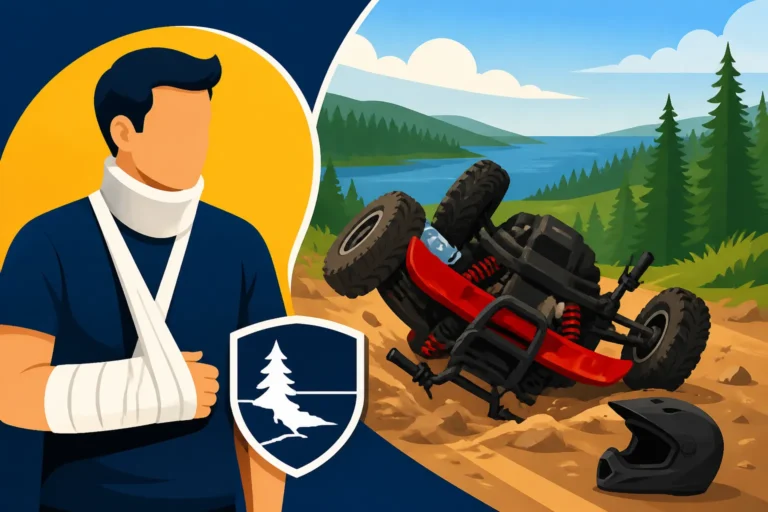
More severely, if your failure to stop and yield leads to an accident, the penalties escalate dramatically. You could face charges ranging from reckless conduct to criminal negligence, depending on the severity of the incident and any injuries involved. The financial liability could be astronomical, covering vehicle damage, medical bills, lost wages, and pain and suffering for anyone involved. No shortcut across a road is worth that kind of risk.
Warden Service Patrols and Spot Checks
Maine's Warden Service is highly visible on our trail systems, and for good reason. They are our protectors, enforcing laws that keep us safe and preserve landowner goodwill. Wardens know the trail networks inside and out, and they are particularly vigilant at popular road crossing points. They know where riders tend to get complacent or take shortcuts. It's not uncommon for a warden to sit discreetly near a known crossing point, observing rider behavior.
What are they looking for? Precisely what the law states: a complete stop, followed by a deliberate and safe yield to all traffic. They're also checking for proper registration, proper safety equipment like helmets (especially for youth riders), and sober operation. If you're pulled over, be respectful and cooperative. Have your registration papers ready. For more details on what wardens typically look for, you can refer to [Maine Warden Stops and ATV Paperwork]. Remember, they're not out to ruin your day; they're out to ensure everyone's safety and the responsible use of our trails.
Accident Liability and Insurance Implications
This is perhaps the most sobering aspect of neglecting the stop-and-yield rule. If you fail to stop and yield, and you cause an accident with another vehicle or pedestrian, you will almost certainly be found at fault. The financial ramifications can be catastrophic. Imagine hitting a car; you'd be liable for the damage to their vehicle, their medical expenses, your own medical expenses, and potential lawsuits for personal injury, lost wages, and emotional distress.
While [Maine ATV Insurance and When You Need It] might provide some coverage, an insurer could deny a claim if it's found that you were operating in violation of a specific law, such as failing to stop and yield. This could leave you personally responsible for hundreds of thousands, or even millions, of dollars in damages. This isn't just an abstract fear; these kinds of accidents happen, and the ripple effect on families can be devastating. A quick crossing that seemed harmless can turn into a lifetime of financial burden and regret. It’s a powerful reminder that obeying this simple rule is not just about avoiding a ticket, but about protecting your future and the safety of everyone around you.
Best Practices for Cultivating a Safe Riding Culture
Safety isn't just about individual compliance; it's a collective responsibility that shapes the entire ATV community. When everyone commits to best practices, especially around crucial rules like the stop-and-yield, we not only protect ourselves but also foster a positive image for the sport, encouraging continued trail access and goodwill with landowners and the general public. It's about building a culture where safety is simply "how we do things."
Leading By Example
Experienced riders, you are the backbone of our community. New riders, younger generations, and even those just visiting Maine for a trip look to you for guidance. When you consistently demonstrate safe riding practices – coming to a complete stop, patiently yielding, wearing your helmet – you set the standard. Conversely, if experienced riders cut corners, it sends a message that these rules are optional, undermining safety for everyone.
Think about it: a new rider sees a veteran rider blast through a road crossing without a proper stop. What lesson does that teach? It normalizes dangerous behavior. Leading by example means talking about safety, correcting unsafe behavior in a constructive way, and consistently showing unwavering respect for the rules and for others on the road. This positive peer pressure can be incredibly effective in fostering a safer riding environment for all. It truly is about protecting the future of our sport by showing that we are responsible.
Educating New Riders and Passengers
Many people get into ATV riding without a full appreciation for the rules or the potential dangers. It's up to us, as a community, to help educate them. If you're riding with someone new, whether it's a friend, family member, or a passenger, take a few minutes before the ride to go over key safety points, especially road crossing etiquette. Explain why the stop-and-yield rule exists – not just that it's a law, but that it's there to prevent serious accidents.
Encourage new riders to take an ATV safety course. These courses cover far more than just road rules; they teach essential riding techniques, hazard awareness, and responsible environmental practices. For younger riders, it's often a legal requirement, but for adults, it's an invaluable investment in safety. You can find more information about these courses in [Maine ATV Safety Course Requirements]. A pre-ride briefing, where you point out specific hazards on your planned route, like blind road crossings, can also be incredibly beneficial.
Advocating for Better Trail Infrastructure
While we, as riders, are responsible for obeying the rules, there's also a role for us to play in advocating for safer infrastructure. Local ATV clubs work tirelessly with towns and the state to improve trail safety, and that often includes making road crossings as safe as possible. This could mean lobbying for better signage, clearer sightlines (through brush trimming), or even designated crossing areas that are better marked and safer.
If you encounter a particularly dangerous or blind road crossing, report it to your local ATV club or to the Maine Department of Inland Fisheries & Wildlife (IF&W) trail program. Your observations can help them prioritize improvements. Becoming a member of an ATV club is a fantastic way to support these efforts, as your membership dues and volunteer time directly contribute to trail maintenance and advocacy. The collective voice of organized riders has a much greater impact than individual complaints. It’s how we ensure that our trails remain accessible and as safe as possible for generations to come.
Maine's Broader Road-Use Rules for ATVs
Understanding the stop-and-yield rule is crucial, but it exists within a larger framework of regulations governing ATV use on or near public ways in Maine. It’s not an isolated rule; it’s a foundational piece of a comprehensive set of laws designed to manage the interaction between ATVs and conventional road traffic. Knowing these broader rules helps put the stop-and-yield in context and ensures you're fully compliant with Maine law.
The 500-Yard Limit and Designated Access Routes
Maine law generally prohibits the operation of ATVs on public ways. This is a critical starting point. You cannot simply ride your ATV down a town road to get to another trail, or to a store, unless that specific section of road has been officially designated as an ATV access route by the town. Even then, there are usually specific conditions and speed limits. The exception to this general prohibition, which is where the stop-and-yield rule comes in, is for crossing a public way to get from one section of trail to another.
However, there's also the "500-yard limit" which allows an ATV to operate on the extreme right of the traveled way for not more than 500 yards for the sole purpose of gaining access to or leaving an approved trail. This is a very specific and limited allowance, and it’s critical to understand its constraints. It's not a free pass to ride on public roads. The stop-and-yield rule still applies when you enter or exit that 500-yard stretch. For a deeper dive into this specific rule, consult [Maine's 500-Yard Limit on a Public Way]. It’s a nuanced regulation that many riders misunderstand, leading to unnecessary tickets.
Crossing Bridges and Culverts
Bridges and culverts on public ways present unique challenges for ATV riders. Maine law often allows ATVs to cross bridges and culverts that are part of a public way, but only on the extreme right-hand side and solely for the purpose of completing the crossing to another section of trail. This permission is not an invitation to travel the entire length of a public way simply because it contains a bridge.
When crossing a bridge, the stop-and-yield rule remains in effect at both the entrance and exit of the bridge if you are transitioning from a non-public way to the bridge's public way surface. Additionally, you must exercise extreme caution. Bridges can be narrow, have limited shoulders, and offer no room for error if you encounter oncoming traffic. Always yield to vehicular traffic already on the bridge. Visibility might also be restricted by bridge railings or approaches. For more specific guidance on these structures, you can read [Bridges, Culverts and ATV Crossings].
Understanding Town Ordinances and Posted Signs
While state law provides the overarching framework, individual Maine towns have the authority to enact their own ordinances that can further restrict or permit ATV use on public ways within their municipal boundaries. This means that what's legal in one town might not be in the next, even if the state law generally allows it. It creates a patchwork of rules that can be confusing for riders.
It is your responsibility as an ATV operator to be aware of and abide by any local town ordinances. Always keep an eye out for posted signs when you're riding through different towns. A sign that says "No ATV Access" or "ATVs Prohibited on Town Roads" overrides any general allowances you might assume from state law. Ignoring these local signs can lead to fines and, more importantly, can damage the relationship between ATV clubs and the towns, potentially leading to trails being closed. For more information on navigating these local rules, check out [Maine Town Ordinances That Restrict ATVs]. Always respect the local rules; they are put in place for specific reasons within each community.
Table: Maine ATV/UTV Road Crossing – Good vs. Risky Practice
To help clarify the dos and don'ts, here's a quick comparison of good practices versus risky ones when you encounter a public way on your Maine ATV or UTV adventure:
| Aspect | Good Practice | Risky Practice |
|---|---|---|
| Approach | Slow down well in advance, scan surroundings. | Maintain speed until the last moment. |
| Stopping | Come to a complete, dead stop before the public way. | Perform a "rolling stop" or slow creep. |
| Visibility | Lean forward, edge machine for clear view, look multiple times. | Assume the way is clear, rely on a quick glance. |
| Yielding Traffic | Patiently wait for a significant gap in ALL traffic (cars, bikes, peds). | Rush into a gap, causing traffic to brake or swerve. |
| Group Riding | Lead rider ensures space for entire group; use signals. | Split the group across traffic, leave riders vulnerable. |
| Machine Prep | Check brakes, tires, lights; machine well-maintained. | Neglect maintenance; assume machine will perform. |
| Personal Prep | Wear a helmet and eye protection; be alert and focused. | Ride without a helmet; distracted by phone or conversation. |
| Attitude | Respect the law, respect other users, prioritize safety. | Feel entitled, ignore rules, assume right-of-way. |
| Local Ordinances | Look for and obey all local town signage. | Ignore posted signs, assume state law applies universally. |
Disclaimer
This article is for general informational purposes only and does not constitute professional advice. Laws, prices and regulations vary by location and change over time. Consult a qualified professional for guidance on your specific situation.