Do Old Three-Wheelers Need a Maine Registration?
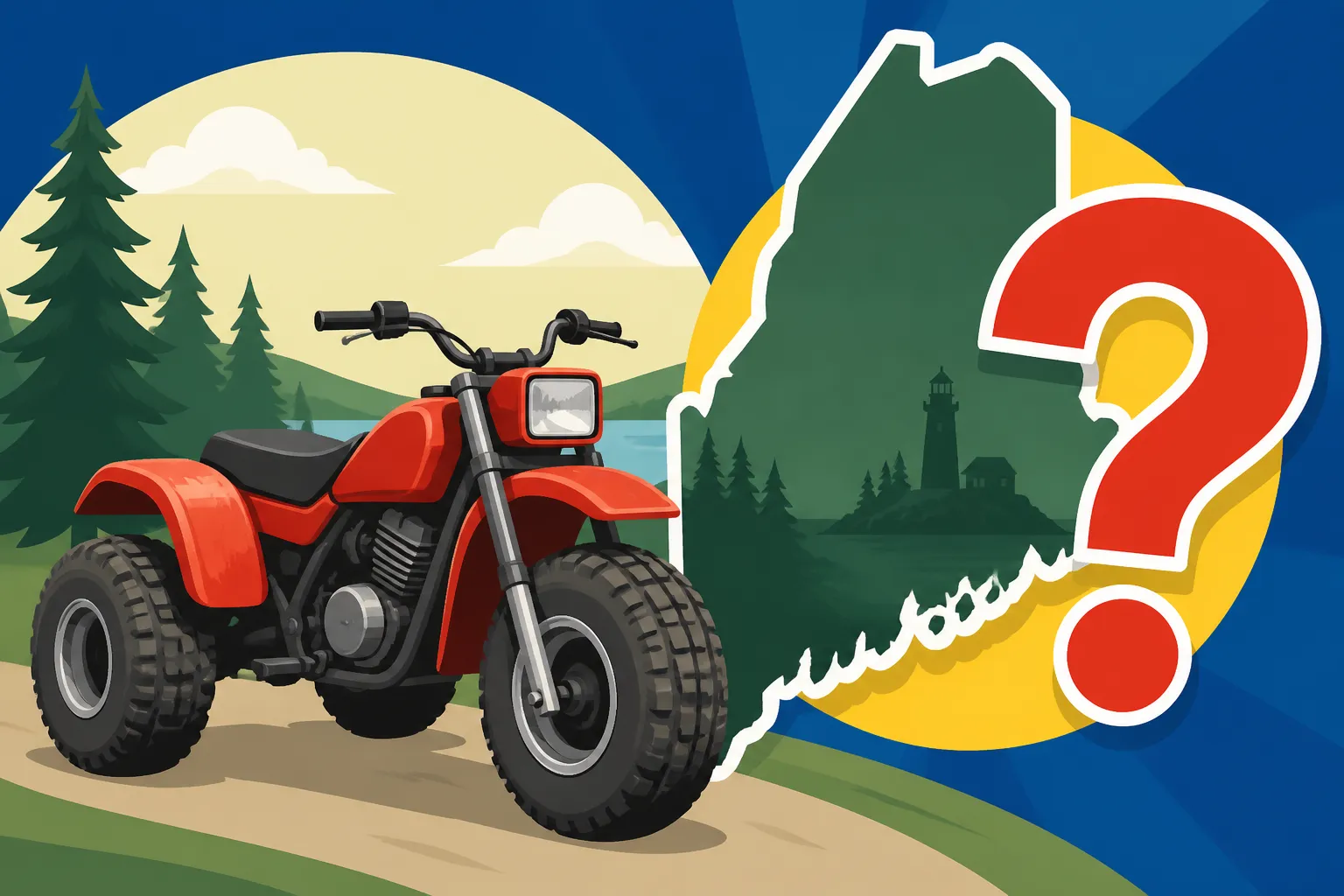
It's a familiar sight across Maine: an old three-wheeler, perhaps a Honda ATC, a Kawasaki Tecate, or a Yamaha Tri-Z, tucked away in the back of a barn or shed. For many of us, these vintage machines evoke a strong sense of nostalgia, reminding us of simpler times tearing around the back forty. But as trail systems expand and regulations evolve, a common question pops up: does that classic three-wheeler, often lovingly referred to as an "antique," actually need to be registered in Maine? This guide is here to untangle that question, offering clear answers and helping you understand the requirements for getting your beloved trike legally ready for the trails, or simply clarifying if it needs to be registered at all.
The Basics of Maine ATV Registration and How Three-Wheelers Fit In
Maine's approach to registering off-road vehicles is pretty straightforward: if it's motorized and you plan to ride it off your own private land, chances are it needs to be registered. This rule isn't new, and it definitely applies to those classic three-wheelers we all remember. The state defines an ATV broadly, and your vintage trike falls squarely within that definition.
What Maine Law Says About "ATVs"
When the Maine Department of Inland Fisheries & Wildlife (IF&W) talks about ATVs, they're generally referring to any motorized, off-highway vehicle that's designed for recreational use on unpaved surfaces. This includes the four-wheeled quads and side-by-sides we see everywhere today, but it also encompasses their three-wheeled ancestors. The law doesn't make a distinction based on the age of the machine, nor does it typically grant an "antique" exemption simply because a vehicle is old. The critical factor is its intended use. If it's capable of being ridden on a trail or across someone else's property, it needs to meet the registration requirements.
It's easy to assume that because a three-wheeler hasn't been made in decades, it might somehow be grandfathered in or considered a display piece rather than an operational vehicle. However, Maine law prioritizes the safe and managed use of all off-road vehicles on its extensive trail network. The registration system isn't just about identifying individual machines; it's also a vital funding mechanism. The fees collected from registrations go directly towards maintaining and improving Maine's ATV trails, providing crucial support for the local clubs that do so much of the groundwork. This ensures that everyone, from modern quad riders to those who prefer the thrill of a vintage three-wheeler, can enjoy well-maintained and clearly marked trails. Knowing that your registration fee contributes to these efforts might make the process a bit more palatable, connecting you directly to the vibrant riding community here in Maine. [Where Maine ATV Registration Money Goes]
Why Your Old Three-Wheeler Needs to Be Registered for Public Use
This is where many people get tripped up. You might think, "I only ride my three-wheeler a few times a year, surely I don't need to register it?" But the moment your wheels touch anything beyond your own property boundary—whether that's a public trail, a designated ATV access route, or even just crossing a town road—that machine needs to be properly registered with the state of Maine.
Think about it this way: imagine you're cruising down a scenic multi-use trail, maybe heading from a camp to a local diner. If you're on a three-wheeler, you're sharing that trail with modern quads, side-by-sides, and sometimes even snowmobilers in the winter. For the state to manage these trails effectively, track usage, and ensure accountability, every vehicle needs to be identifiable. The registration sticker and card serve that purpose. Without it, you're not just potentially putting yourself at risk of a citation, but you're also riding outside the system that helps fund and maintain those very trails.
If a Maine Warden encounters you on a public trail or crossing a public way without a valid registration, you could be facing a fine. These aren't just minor inconveniences; they can put a real damper on a fun day out. It's much simpler, and certainly less expensive in the long run, to ensure your classic trike is properly registered before you hit the dirt. These rules apply equally to new machines and vintage ones, ensuring a consistent approach to off-road recreational vehicle use across the state. The wardens are out there not to spoil your fun, but to ensure everyone is riding safely and legally, which helps preserve access for all. [Penalties for Riding an Unregistered ATV in Maine]
Common Scenarios and Registration Nuances for Vintage Three-Wheelers
Understanding the general rule is one thing, but specific situations often bring up unique questions, especially when dealing with older machines that might have been out of circulation for a while. Let's dig into some of those common scenarios that three-wheeler owners often encounter.
Riding on Your Own Land vs. Public Access
This is perhaps the most significant distinction to grasp. If you own a piece of land in Maine, whether it's a sprawling woodlot or a modest backyard, and you only ever ride your three-wheeler on that specific property, then Maine law generally does not require it to be registered. This exemption is clear and applies to all ATVs, including vintage three-wheelers. It's your land, your rules (within reason, of course, and always safely). Many people keep an old machine exclusively for chores around their property, like hauling small loads of firewood or getting to a deer stand during hunting season, and for these uses, registration isn't necessary. [Maine Registration Exemption on Your Own Land]
However, the moment you consider venturing off your parcel, even if it's just to cut across a corner of a neighbor's field or ride down a shared private road to visit a friend, the registration requirement kicks in. This can be a point of confusion for folks who have verbal permission from neighbors. While the neighbor might be perfectly fine with you riding on their land, the state doesn't recognize that verbal permission as an exemption from registration. If you want to ride on a friend's land, even with their blessing, your three-wheeler still needs to display current Maine registration stickers. It’s all about liability, identification, and ensuring the trail system that often connects these private parcels remains funded and manageable. This is a common misconception, and it's vital to clarify to avoid potential issues. [Riding on a Friend's Land Without Registering]
Proving Ownership for an Older Machine
This is frequently the biggest hurdle for owners of vintage three-wheelers. Unlike modern machines that often come with titles or recent registration histories, a three-wheeler from the 1980s might have changed hands half a dozen times, with paperwork long lost. When you go to register any ATV for the first time in Maine, whether it's brand new or a classic, you need to provide proof of ownership.
Ideally, this would be a bill of sale detailing the transaction from the previous owner to you. Even if you acquired the machine years ago, it's worth trying to create a retrospective bill of sale if possible, signed by the person you bought it from. A good bill of sale should include the make, model, year, and crucially, the Vehicle Identification Number (VIN) of the three-wheeler, along with the names and addresses of both the buyer and seller, and the date of sale. Having a clear record like this makes the registration process much smoother at the town office. [Maine ATV Bill of Sale: What to Include]
But what if you've inherited the machine, or bought it informally decades ago, and there's absolutely no paperwork to be found? This can feel like a bureaucratic dead end, but it doesn't necessarily mean you can't register your three-wheeler. Maine IF&W and local town clerks are accustomed to dealing with older machines and unique situations. You might need to provide a sworn affidavit stating how you came into possession of the three-wheeler, sometimes along with other supporting evidence like old photographs showing you with the machine, or statements from long-term neighbors who can attest to your ownership. It's often a conversation with your local town clerk, who can guide you through the specific requirements in your municipality. For those needing to formalize old transactions or create a solid bill of sale template, resources like LawDepot can be incredibly helpful for generating legally sound documents. They offer customizable templates that can be adapted for situations like creating a bill of sale for a machine you've owned for ages, or to help you formalize future sales should you ever decide to part with your vintage ride. This can give you the necessary documentation even when original papers are long gone. [Maine ATV Registration for a Machine Without Paperwork] and [Proving Ownership Without a Bill of Sale]
Age and Safety Considerations for Vintage Machines
While the three-wheeler itself doesn't have an "age limit" for registration, it's crucial to remember that rider age restrictions and safety guidelines absolutely apply. A 10-year-old riding a vintage ATC is subject to the same rules as one riding a brand-new youth quad. In Maine, riders between the ages of 10 and 16 generally need to have completed an approved ATV safety course and be under the direct supervision of an adult when riding on public trails. These rules are in place for a very good reason: safety. [Maine ATV Age Rules for Riders Under 16]
Furthermore, the inherent design of many older three-wheelers presents unique safety challenges. They are notoriously prone to rollovers, have less stable handling than four-wheeled ATVs, and often lack modern suspension systems. If you're planning to ride your vintage trike, especially on anything other than flat, open terrain, it's paramount to prioritize safety. Always wear a DOT-approved helmet—Maine requires helmets for riders under 18, but it's a wise choice for everyone. Consider proper eye protection, sturdy boots, and long sleeves and pants. While the registration process itself won't assess the safety features of your machine, your personal riding habits and safety gear are entirely within your control and are crucial for enjoying your vintage ride responsibly. [Maine Helmet Rules for Riders Under 18]
The Registration Process for an Older Three-Wheeler
So, you've decided to dust off that classic three-wheeler and get it registered for some trail time. Great! The process isn't overly complicated, but it does require a bit of preparation, especially with an older machine.
Gathering Your Documentation
Before you head to the town office, make sure you have everything you need. This will streamline the process and prevent you from having to make multiple trips. Here's a checklist of what you'll typically need to bring:
- Proof of Ownership: As discussed, this is usually a bill of sale. If you have an old, expired registration in your name, that can also serve as proof. If you're in a situation where you need to create a new bill of sale because the original is lost or never existed, consider using a reputable template from a service like LawDepot to ensure it's legally sound and includes all necessary information. This will help prevent any snags when you present your documents to the town clerk.
- Vehicle Identification Number (VIN): Every ATV, including three-wheelers, has a unique VIN. This is absolutely critical for registration. It's usually stamped into the frame of the machine. For an older three-wheeler, it might be in a less obvious spot, often on the front frame tube near the handlebars, on the left side of the frame down tube, or occasionally near the engine mount. Take some time to clean off any grime or rust to make sure you can clearly read and record it.
- Make, Model, and Year: Know these details about your three-wheeler. This helps the clerk accurately record your machine in the state system.
- Your Maine Driver's License or State ID: You'll need this for identification purposes.
- Payment: Be prepared to pay the registration fee. It's always a good idea to call your local town office beforehand to confirm accepted payment methods (cash, check, card) and the current fee amounts. [What Maine Town Clerks Ask For at the Counter] and [Where the VIN Is Stamped on a Quad]
Where to Register Your Three-Wheeler
For a first-time registration of any ATV, including your old three-wheeler, the most common and often required place is your local town office. This is because the initial registration typically involves verifying proof of ownership and sometimes collecting sales tax, which is best handled in person.
Here's how it generally works:
- Visit Your Town Office: Head to your town's municipal office during business hours. Many towns have a dedicated clerk for vehicle registrations.
- Present Your Documents: Provide the clerk with your proof of ownership, VIN, and identification. They'll enter the information into the state system.
- Pay Fees: You'll pay the registration fee. If you recently purchased the three-wheeler, even in a private sale, and sales tax hasn't been paid, the town office will usually collect the Maine sales tax at this time. This is a common requirement and ensures that all applicable taxes are remitted to the state. [Registering an ATV at Your Maine Town Office]
- Receive Your Registration: Once everything is processed, you'll be given a temporary registration document and often the registration stickers on the spot. This temporary document usually allows you to ride immediately, while the permanent sticker and card might be mailed to you or provided at the counter.
While many renewals can now be done online, initial registrations for ATVs, particularly those with unique circumstances like older machines with spotty paperwork, are best handled in person. The town clerk can provide invaluable assistance and ensure all details are correctly recorded, setting you up for smooth future renewals. [Renewing a Maine ATV Registration Online] and [Maine Sales Tax on an ATV Purchase]
Beyond Registration: Safe and Legal Riding in Maine
Getting your vintage three-wheeler registered is a fantastic first step, but it's just one part of enjoying Maine's beautiful trails responsibly. There's more to safe and legal riding than just having a sticker.
Understanding Maine's Rules of the Trail
Even with a shiny new registration sticker, your old three-wheeler isn't exempt from Maine's comprehensive rules of the trail. These regulations are designed to ensure safety, protect the environment, and maintain good relationships with the private landowners who generously allow trails to cross their property. It's not just about what kind of machine you're on, but how you operate it.
Key rules to always remember include:
- Staying on Marked Trails: Maine's ATV trails are often on private land with specific landowner permissions. Veering off marked trails can lead to trespassing charges, damage sensitive ecosystems, and jeopardize future trail access for everyone. Always look for the signs and markers put up by local clubs. [Maine ATV Rules on Posted Land]
- Speed Limits: There are designated speed limits on trails, especially in residential areas, near campsites, or when crossing roads. These limits are not suggestions; they're legal requirements. Your old three-wheeler might not be as fast as a modern quad, but exercising caution is always paramount.
- Yielding to Others: When encountering hikers, cyclists, or even other ATVs, slow down and yield the right-of-way. Be courteous and respectful of all trail users.
- Private Land Permission: If you are riding on private land that isn't part of the established, signed trail system, you absolutely need explicit permission from the landowner. A registration doesn't grant you carte blanche to ride anywhere. Many trails exist only because of the generosity of private landowners, and respecting their property is crucial.
- Road Crossings: Maine has specific rules for crossing public roads. You typically need to come to a complete stop, look both ways, and cross at a right angle. There are also strict limits on how far you can ride on a public road to get from one trail section to another, usually within 500 yards. This is a common area where riders, especially on older machines, can inadvertently break the law. [Maine's 500-Yard Limit on a Public Way]
Adhering to these rules isn't just about avoiding a fine; it's about being a good steward of Maine's natural resources and a responsible member of the ATV community. When everyone follows the rules, it helps ensure that these incredible trail systems remain open and accessible for future generations of riders, whether they're on a cutting-edge side-by-side or a vintage three-wheeler.
Safety First: Modernizing Your Vintage Ride
While there's undeniable charm in riding a classic, it's also important to acknowledge that older three-wheelers were designed with different safety standards and assumptions than today's machines. They are often less stable, can be harder to control, and lack features like modern suspension, disc brakes, or advanced ergonomics. If you're bringing an old trike back to life, consider what you can do to make it safer and more enjoyable to ride.
- Tires and Brakes: These are critical. Ensure your tires are in good condition with proper tread for off-road use, and that your brakes are fully functional and well-maintained. A sudden stop or loss of traction on a vintage machine can be particularly unforgiving.
- Suspension: If your three-wheeler has any suspension, ensure it's in good working order. Old shocks can be rebuilt or replaced, which can significantly improve ride comfort and stability.
- Throttle and Controls: Check that all controls operate smoothly and that the throttle returns crisply when released. Old cables can seize or fray, creating dangerous situations.
- Lighting: If you plan to ride near dusk or dawn, ensure your headlights and taillights are operational. Many older three-wheelers had minimal lighting, so consider adding brighter, modern LED lights for better visibility.
- Personal Protective Equipment (PPE): This cannot be stressed enough. Always, always wear a DOT-approved helmet. Goggles, gloves, long pants, and sturdy over-the-ankle boots are also highly recommended. The nostalgia of an old three-wheeler shouldn't come at the cost of your safety.
- Know Your Limits: These machines handle very differently from a modern quad. Take it easy, especially when first getting reacquainted with your trike. Avoid sharp turns at speed, steep inclines, or heavily rutted terrain until you've thoroughly re-learned its characteristics. Many accidents on three-wheelers happen because riders push the limits of the machine's inherent stability.
By taking these steps, you can bridge the gap between vintage charm and modern safety, allowing you to create new memories on your classic three-wheeler while minimizing risks.
| Situation | Maine Registration Required? | Key Considerations |
|---|---|---|
| Riding only on your own private land | No | Must be exclusively your property; no public access points. |
| Riding on a friend's private land (with permission) | Yes | Consent from landowner does not exempt from registration. |
| Riding on designated ATV trails | Yes | Requires current registration and displayed stickers. |
| Crossing a public road | Yes | Even for a brief crossing, registration is mandatory. |
| Participating in an organized club event or poker run | Yes | Event organizers will verify current registration. |
| Selling the three-wheeler | No (for the sale itself) | Buyer will need a bill of sale to register it themselves. Consider using a template from a service like LawDepot. |
Disclaimer
This article is for general informational purposes only and does not constitute professional advice. Laws, prices and regulations vary by location and change over time. Consult a qualified professional for guidance on your specific situation.