Moving to Maine With an Out-of-State ATV
Moving your life to a new state is a whirlwind of packing boxes, changing addresses, and navigating new rules. When you bring your beloved ATV or UTV with you to Maine, you might assume your out-of-state registration will cover you for a while. Unfortunately, Maine has specific requirements for new residents, and misunderstanding them can quickly lead to an unexpected conversation with a game warden. This comprehensive guide will walk you through exactly what you need to do to get your off-road machine legally registered in the Pine Tree State, ensuring you can hit our legendary trails without a hitch.
Understanding Maine's Residency and ATV Registration Rules
So, you've made the move! Welcome to Maine. It’s a beautiful state, and our ATV trail system is second to none. But with new residency comes new responsibilities, especially when it comes to registering your off-road vehicles. It’s not quite as simple as just transferring your driver's license; the rules for ATVs have their own quirks.
When You're Considered a Maine Resident for ATV Purposes
Figuring out when you officially become a "resident" for ATV registration purposes can feel a bit like a bureaucratic riddle. Generally, if you've moved to Maine with the intent to establish permanent residency, gotten a Maine driver's license, registered your car here, or enrolled your children in local schools, the state considers you a resident. This isn't about some hard-and-fast date on a calendar, but rather a practical assessment of your living situation. If your ATV is now primarily garaged in Maine, and you're here to stay, then you're a resident in the eyes of the Maine Department of Inland Fisheries & Wildlife (IF&W) for ATV registration. This distinction is crucial because visitors have different registration options, like [Maine Non-Resident Seven-Day ATV Registration] or [Maine Non-Resident Annual ATV Registration], but as a resident, you'll need the full Maine registration.
Once you’re considered a resident, your out-of-state ATV registration holds very little weight here. Think of it like bringing a grocery cart from one store to another – it might serve the same purpose, but it belongs to a different establishment. The moment you're settled, Maine expects you to register your machine under its system, which supports our extensive trail network.
The Immediate Need to Register Your Out-of-State ATV
Unlike some states that might offer a grace period for new residents to get their vehicles in order, Maine's approach to ATV registration is pretty straightforward: if you're a resident and your ATV is here, it needs to be registered here before you ride it. There isn't a long window where your old state's registration is considered valid for resident use. This often catches new folks by surprise, especially those used to a bit of leeway with car registrations. Imagine you've just unloaded your quad off the trailer in your new Maine driveway, eager to explore the local trails. That excitement can quickly turn to frustration if you hit the trail without a Maine registration, thinking your old one will do. It won't. This is why understanding this upfront is so important; it saves you from potential headaches and fines. Your [Maine ATV Registration Year Start Date] is typically July 1st, regardless of when you register, so planning your registration around that date can sometimes make sense if you're moving mid-year.
What Happens If You Don't Register Promptly
Ignoring Maine's registration rules for your ATV isn't just about bending the rules; it can lead to tangible consequences. Maine game wardens patrol our trails diligently, and they're well-versed in spotting out-of-state machines that appear to be owned by residents. If you're stopped and you're deemed a Maine resident without a current Maine ATV registration, you're looking at a penalty. The fines for riding an unregistered ATV can add up quickly, not to mention the inconvenience of having your ride cut short. It’s not just about the money, either; it’s about respecting the system that maintains our trails. The registration fees go directly into programs that groom and maintain Maine’s vast trail network, so it’s how we all contribute to keeping our trails open and enjoyable. Ignoring these rules means you're not participating in that system, and wardens take that seriously.
Gathering Your Paperwork: What Maine Needs to See
The thought of gathering paperwork for vehicle registration can make anyone groan. It often feels like a scavenger hunt, especially when you're dealing with an out-of-state machine that might have different documentation rules from Maine. However, having all your ducks in a row before you head to the registration agent will save you immense time and frustration. Let's break down what Maine typically requires.
Proof of Ownership is Paramount
This is arguably the most critical piece of the puzzle. Maine does not title ATVs, which often confuses people coming from states that do. However, even though Maine doesn't issue titles, you still need to prove that the ATV is yours.
- From a Title State: If you're coming from a state that titles ATVs, bring your title! This is the gold standard for proving ownership. Even though Maine won't keep it or issue a new one, they need to see it to confirm you're the rightful owner.
- From a Non-Title State or Older Machine: If your previous state didn't title ATVs, or if your machine is older and predates titling requirements, then a bill of sale is your best friend. This document should clearly state the buyer, seller, date of sale, purchase price, and a detailed description of the ATV, including the VIN. If you're looking for a reliable template, a service like LawDepot offers customizable bill of sale forms that can help ensure you have all the necessary information. Remember, a clear and comprehensive bill of sale protects both parties and makes the registration process smoother. We have a detailed guide on [Maine ATV Bill of Sale: What to Include] that you might find helpful.
- Previous Registration: Sometimes, your old state's registration document, especially if it lists you as the owner and includes the VIN, can serve as supplemental proof. While not primary proof of ownership on its own, it can certainly help support your claim, particularly if other documents are slightly less clear.
The key is to have something definitive that links you to that specific ATV by its Vehicle Identification Number (VIN). Without solid proof of ownership, you'll hit a major roadblock in the registration process.
Navigating Sales Tax or Use Tax
Ah, taxes. Just when you thought you were done with them! When you bring an ATV into Maine that you've purchased out-of-state, you'll need to address either sales tax or use tax.
- Sales Tax Already Paid: If you purchased your ATV in another state and already paid their state's sales tax, you'll typically need to show proof of that payment (like a line item on your bill of sale or dealer invoice). Maine has a sales tax, and if the tax you paid in your previous state was equal to or greater than Maine's sales tax rate, you generally won't owe additional tax to Maine.
- Use Tax: If you bought your ATV in a state with no sales tax, or a lower sales tax than Maine's, or if you acquired it through a private sale where no sales tax was collected (and your former state didn't require it), then Maine might charge you a "use tax." This is essentially Maine's way of ensuring that all residents contribute equally, regardless of where they purchased their items. It's meant to put purchases made out-of-state on the same tax footing as purchases made within Maine. The tax is based on the purchase price of the ATV. It's an important detail not to overlook, as the town clerk will assess this at the time of registration. For more specific details, check out our articles on [Maine Sales Tax on an ATV Purchase] and [Use Tax When You Bring an ATV Into Maine]. Always be prepared to pay this if it applies to your situation.
VIN Verification and Its Importance
The Vehicle Identification Number (VIN) is your ATV's unique fingerprint. It's a 17-character code that identifies your specific machine. When you register an out-of-state ATV in Maine, the VIN is crucial.
- Why it's needed: The VIN is used to ensure the ATV isn't stolen and that it matches the ownership documents you provide. It's how the state links your registration to your specific machine.
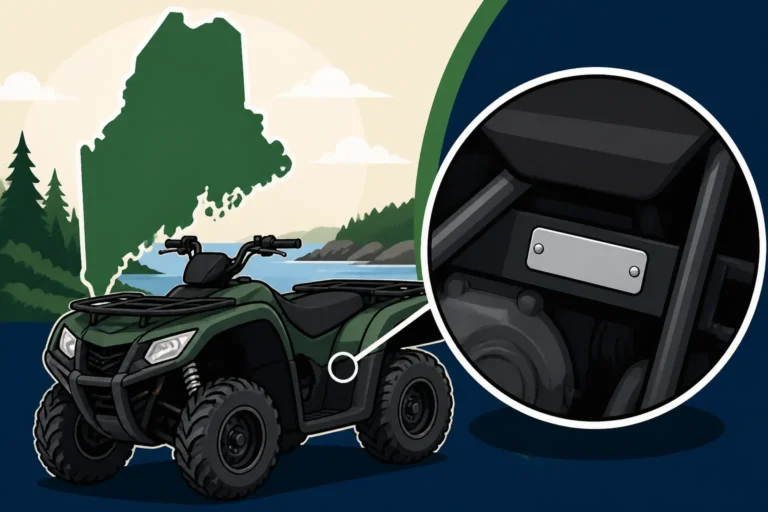
- Where to find it: The VIN is usually stamped on the frame of the ATV, often near the steering column, on the lower frame rail, or under the seat. It might require a bit of searching.
- What if it's unreadable or missing? This is where things can get tricky. If the VIN is corroded, covered by paint, or otherwise unreadable, you might need a law enforcement officer (like a game warden or state trooper) to physically inspect the machine and verify the VIN. In some rare cases, if the VIN plate is missing entirely, you could face significant hurdles, potentially even requiring a special verification process. It's always best to locate and ensure your VIN is clear before attempting to register. Our guide on [VIN Verification Before Registering in Maine] delves deeper into this process.
Having a clean, readable VIN that matches your proof of ownership is a non-negotiable step in registering your out-of-state ATV in Maine.
Where and How to Register Your Out-of-State ATV in Maine
Alright, you've moved to Maine, you understand the residency rules, and you've meticulously gathered all your paperwork. Now it's time for the actual registration! For new residents bringing an out-of-state ATV, the most common and often easiest route is to go through your local Maine town office. They are the frontline for these types of registrations and can get you set up quickly.
Registering at a Maine Town Office
This is usually the most straightforward path for a new resident. Your town office is equipped to handle initial registrations and can print out temporary documentation on the spot.
- Locate Your Town Office: First things first, find out where your local town office is and their operating hours. Some smaller towns might have limited hours, so a quick call or website check can save you a wasted trip.
- Gather Everything: Double-check your checklist: proof of ownership (title, bill of sale, previous registration), proof of sales/use tax payment (or be prepared to pay the use tax), and potentially your driver's license for identification. If you used a service like LawDepot for your bill of sale, make sure you have the printed document with all the details clearly filled in.
- Head to the Counter: When you arrive, tell the clerk you're a new resident looking to register an out-of-state ATV for the first time. They'll have a specific process for this. Be prepared for them to ask for your proof of ownership, review your VIN, and assess any applicable use tax. Our article, [What Maine Town Clerks Ask For at the Counter], provides a good overview of typical questions.
- Pay the Fees: You'll pay the resident ATV registration fee, which supports Maine's trail system, along with any applicable use tax and a small agent fee that the town retains for their service. The [Maine Resident ATV Registration Fee] is consistent across the state, though agent fees can vary slightly by location.
- Get Your Confirmation: Once everything is processed and paid, the clerk will issue you a temporary registration form. This form is crucial because it allows you to legally ride your ATV immediately while you wait for your official stickers and registration card to arrive in the mail. This instant confirmation is a huge relief for eager riders! For a detailed step-by-step, you can refer to [First-Time Maine ATV Registration at the Town Office].
Registering in person gives you the advantage of asking questions directly and resolving any minor issues on the spot.
What to Expect After Registration
The immediate satisfaction of having that temporary registration in hand is great, but there are a couple more steps in the process before you're fully set.
- Confirmation Page for Immediate Riding: As mentioned, the temporary registration printout from the town office is your ticket to the trails. This allows you to legally ride your ATV right away. Always keep this confirmation page with you when you're riding, as proof of valid registration. This is crucial for [Maine ATV Registration Confirmation for Immediate Riding].
- Sticker and Card Arrival: Your official registration card and the all-important registration stickers (decals) will be mailed to you from the Maine IF&W. This typically takes a week or two, but can sometimes be longer during peak registration periods. The good news is that you don't have to wait for them to arrive to start riding, thanks to that confirmation page. For details on how long it takes, see [Maine ATV Registration Sticker Delivery Time].
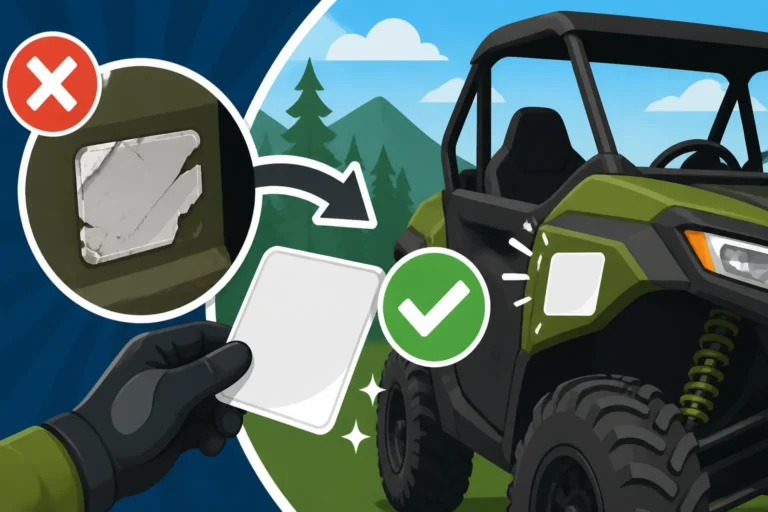
- Applying the Stickers: Once they arrive, apply the stickers to your ATV in the designated locations. Maine law is specific about where these decals should be placed. Generally, they go on either side of the forward half of the machine, clearly visible. Our guide on [Where Maine ATV Stickers Go and When They Arrive] will give you the precise instructions.
The Role of an ATV Safety Course (Especially for Youth)
While not directly part of the registration process for an adult resident moving to Maine, it's an important consideration, especially if you have younger riders in your household.
- Youth Requirements: In Maine, anyone between the ages of 10 and 16 operating an ATV on land other than their own property (or a parent's/guardian's land) must have successfully completed an approved ATV safety course. This applies to residents and non-residents alike. So, if your child is new to Maine and falls into this age bracket, they'll need this certification before hitting the trails.
- Adult Supervision: Additionally, youth under 16 must be under the direct supervision of an adult. Even if they have the safety course certificate, they can't ride unaccompanied on public trails.
- Where to get it: Maine offers a variety of ATV safety courses, both in-person and online. It's a fantastic way to ensure everyone rides safely and understands the local rules. You can find more information in [Maine ATV Safety Course Requirements]. This is a good time to consider it, if you or your family members haven't taken one already.
By understanding these steps and requirements, you'll be well on your way to enjoying Maine's incredible ATV opportunities.
Common Hurdles and How to Overcome Them
Moving to a new state and getting an ATV registered can sometimes feel like an obstacle course, especially if your documentation isn't perfect. It's common for people to run into unique situations, and knowing how to navigate these potential hurdles can save you a lot of stress.
Lost or Insufficient Proof of Ownership
This is perhaps the most frequent headache new residents face. Maybe you bought your ATV years ago in a state that didn't issue titles, and your original bill of sale has gone missing. Or perhaps you inherited the machine, and the original owner's paperwork is nowhere to be found. Don't despair, but do be prepared for a bit more effort.
- Affidavit of Ownership: If you absolutely cannot find a title or a bill of sale, your town clerk may advise you to complete an affidavit of ownership. This is a sworn statement affirming that you are indeed the rightful owner of the ATV, detailing how you acquired it. You'll sign this under penalty of perjury. While not ideal, it can sometimes be accepted when other forms of proof are genuinely unavailable. This is usually a last resort and often requires clear identification and a detailed explanation of the machine's history.
- Contact Previous Owners/Dealers: If you purchased the ATV from a dealership, they might be able to provide a duplicate bill of sale or sales invoice. If you bought it privately, reaching out to the seller, if possible, to obtain a new or duplicate bill of sale is often the simplest solution. Using a platform like LawDepot can help you generate a valid bill of sale if you can get the previous owner to sign a new one.
- Old Registration Documents: While not primary proof of ownership, an expired registration card in your name from another state, especially one that lists the VIN, can sometimes help support your claim of ownership when other documents are missing. The clerk will usually ask for as much supporting documentation as you can provide.
- Special Circumstances: In very complex situations, like an inherited ATV where no will or other transfer documents exist, you might need to consult with legal counsel to establish clear ownership before Maine will register the machine. We have a dedicated article, [Proving Ownership Without a Bill of Sale], which offers more insights into these challenging scenarios and [Maine ATV Registration for a Machine Without Paperwork].
Dealing with Unique Situations (Homemade, Rebuilt, etc.)
Sometimes your ATV isn't just a standard factory model; it might be a custom build, a significantly rebuilt machine, or an older model with obscure origins. These scenarios can present additional steps during registration.
- Homemade or Custom-Built ATVs: If your ATV is homemade or has been significantly altered to the point where its original identity is ambiguous, you might need a formal inspection by law enforcement to assign a VIN or verify its structure. This ensures the machine meets basic safety standards and can be properly identified. This is less common for ATVs than for UTVs, but it can happen.
- Rebuilt or Salvage ATVs: If your ATV has a "salvage" title from another state or has been rebuilt after significant damage, be prepared to present all documentation related to the repair process and any prior salvage certificates. Maine will want to ensure the machine is safe and legally restored.
- Imported ATVs: Bringing an ATV from Canada or another country means additional customs and import paperwork. You'll need to prove it legally entered the U.S. and that all duties and taxes were paid. This can be a complex process involving federal agencies, so ensure all your import documents are in order. Our article on [Registering an Imported or Canadian ATV in Maine] can provide more specific guidance.
These situations often require extra patience and a willingness to work closely with the town clerk and potentially even law enforcement or the IF&W to get your unique machine officially registered.
Cost Considerations Beyond the Registration Fee
While the annual registration fee itself is fairly standard, moving an out-of-state ATV to Maine can involve a few other financial considerations that you should budget for.
- Use Tax: As discussed earlier, this is often the most significant additional cost. If you haven't paid sales tax in another state, or paid less than Maine's rate, you'll be on the hook for Maine's use tax at the time of registration. This can be hundreds of dollars depending on the ATV's value, so don't let it catch you by surprise!
- Agent Fees: Most Maine town offices charge a small agent fee on top of the state registration fee for processing the paperwork. This is usually just a few dollars, but it's an additional cost to factor in.
- Safety Course Fees: If you or a family member needs to take an ATV safety course, there will be a fee associated with that course. Online courses can be a bit more affordable than in-person ones, but both come with a cost.
- Document Duplication Fees: If you have to obtain duplicate titles or bills of sale from previous states or dealerships, there might be small administrative fees involved in getting those copies.
- Unexpected Repairs: When bringing an ATV to a new climate or trail system, it's always wise to budget for potential maintenance or repairs. Getting your machine in top shape before hitting Maine's diverse trails can prevent costly breakdowns down the line.
By anticipating these potential costs and having all your paperwork meticulously organized, you can make the transition of registering your out-of-state ATV in Maine as smooth as possible, ensuring you spend less time in town offices and more time enjoying our fantastic trails.
Disclaimer
This article is for general informational purposes only and does not constitute professional advice. Laws, prices and regulations vary by location and change over time. Consult a qualified professional for guidance on your specific situation.