Riding an ATV to a Gas Station
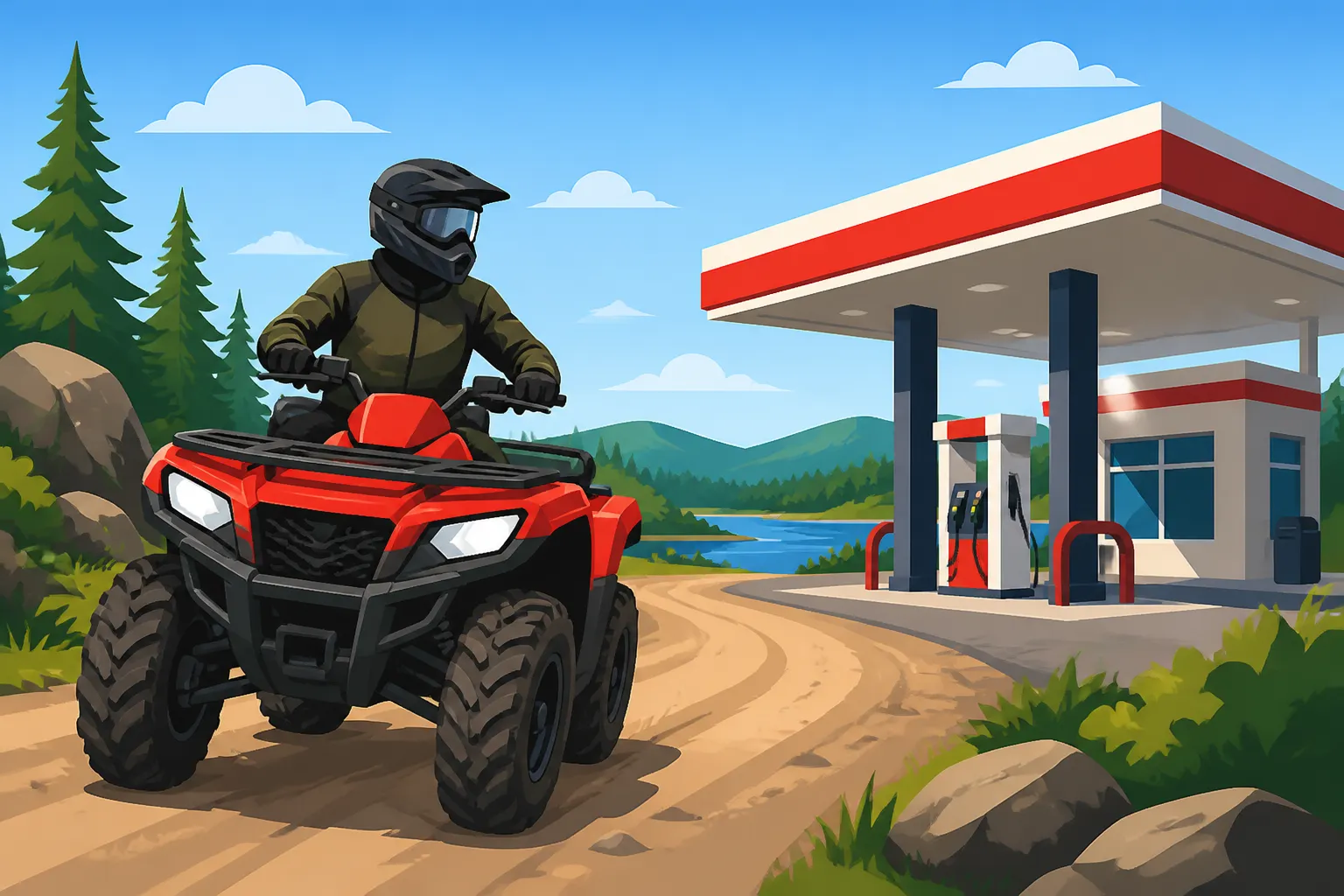
There's nothing quite like the feeling of hitting the trails on your ATV or UTV, soaking in the incredible Maine wilderness. But let's be honest, that blissful feeling can quickly turn to a mild panic when your fuel gauge starts dipping towards "E." The nearest gas station often feels like it's just a stone's throw away, yet a public road, with all its rules and traffic, separates you from that much-needed fill-up. It's a common dilemma for riders: can I legally and safely ride my ATV to a gas station in Maine? This guide is here to untangle the rules, offer practical advice, and help you navigate those short stretches of pavement to keep your adventure going without running afoul of the law or putting yourself at risk.
Navigating Maine's ATV Road Rules to Reach the Pump
The dream of just popping off the trail and straight to the gas pump is a common one, but Maine's laws are pretty specific about when and how you can ride your ATV on public roads. It's not a free-for-all, and understanding the nuances is key to staying legal and safe.
The Limited Scoop: Maine's 500-Yard Rule
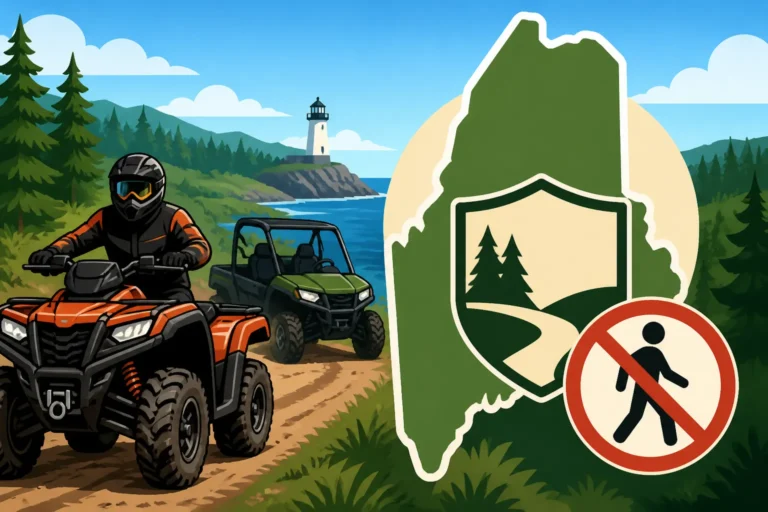
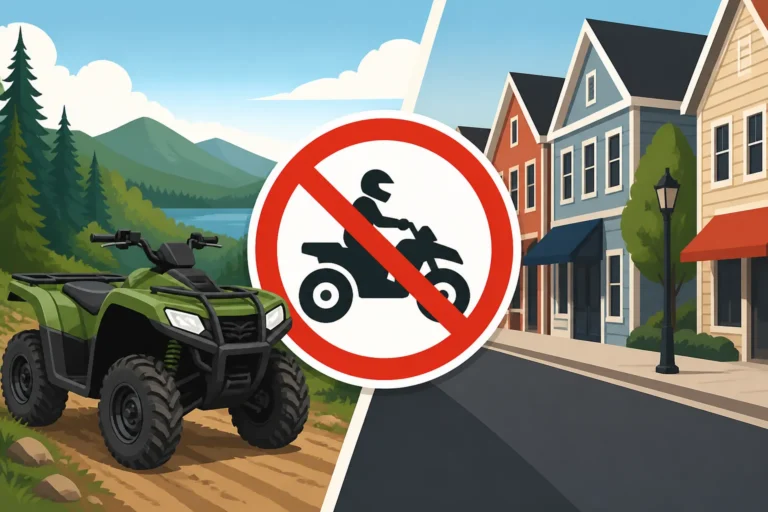
When we talk about ATVs and public roads in Maine, the famous "500-yard rule" often comes up. This rule allows an ATV to cross a public way or operate on the extreme right of a public way for a distance not to exceed 500 yards for the purpose of gaining access to another trail or area of operation. It's a very specific allowance, designed to bridge gaps in the trail system, not to facilitate leisurely rides into town for groceries or a casual visit to the gas station.
The critical phrase here is "for the purpose of gaining access to another trail or area of operation." While needing fuel is absolutely a purpose related to operating your ATV, simply riding 500 yards down a road to get to a gas station isn't explicitly covered under this specific interpretation for general access. The spirit of the law focuses on connecting trails. If the gas station happens to be directly on an approved ATV access route, that's a different story. But if you're talking about a random road solely to reach a pump, you're venturing into a gray area or outright illegality. Wardens enforce this rule with an eye toward its intent: minimizing ATV travel on public ways. It's not about convenience; it's about trail continuity. So, if your nearest gas station requires you to ride more than 500 yards, or if that 500-yard stretch isn't truly connecting you to another trail, you could be looking at a citation. For more on this, check out [Maine's 500-Yard Limit on a Public Way].
Understanding Designated ATV Access Routes
This is where riding to a gas station becomes much clearer and legally sound. Many towns across Maine, recognizing the importance of ATV tourism and local access, have worked with the state to designate specific "ATV access routes" on public roads. These routes are usually marked with clear signage indicating that ATVs are permitted. They often connect trails to local businesses, including gas stations, restaurants, and lodging. When you're on a designated access route, you are riding legally, provided you follow all the rules of the road (speed limits, yielding, etc.).
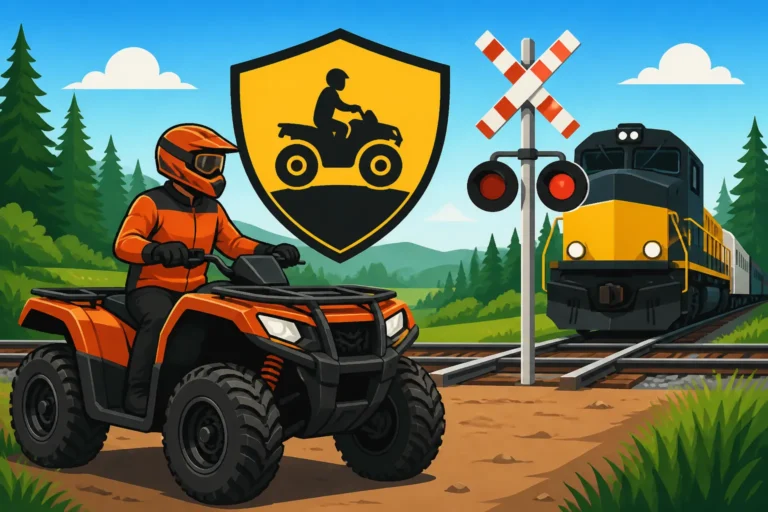
It's crucial to know if the road you intend to use is, in fact, a designated access route. You can't just assume. Many ATV clubs publish maps that clearly show these routes, and towns often have signs posted at the entry points. These signs are typically yellow with a black ATV symbol and sometimes indicate the specific business or trail access point it leads to. If your gas station happens to be on one of these routes, you're in luck! This is the safest and most legal way to ride your ATV to get fuel. Always make sure to look for those official signs, and if you're unsure, consult a current map from a local ATV club or the Bureau of Parks and Lands. You can learn more about these signs and how towns post them by reading [Maine ATV-Access Routes and How Towns Post Them].
Essential Equipment for Brief Road Travel
Even when riding legally on an ATV access route or for a quick, permitted road crossing, your ATV needs to be equipped for road travel. Remember, you're sharing the road with cars, trucks, and potentially motorcycles, all of which are much larger and faster. Visibility and the ability to signal your intentions are paramount.
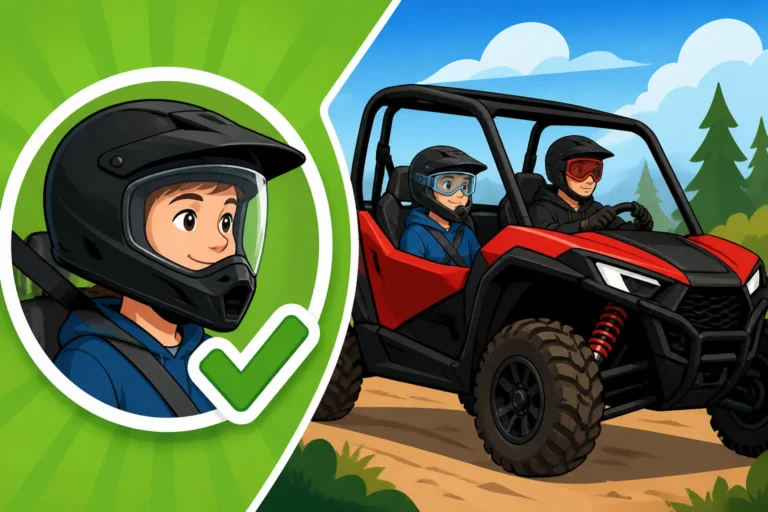
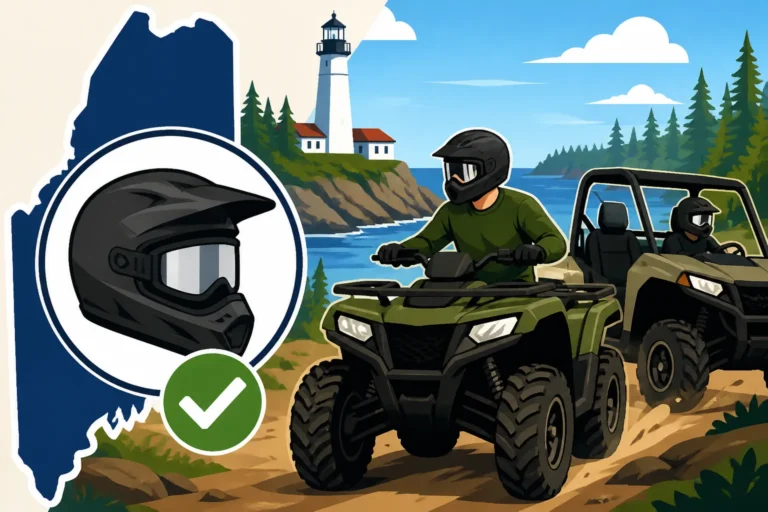
First and foremost, you need proper lighting. This means at least one headlight and a taillight, especially if there's any chance you'll be riding near dusk or in adverse weather. While some stock ATVs come with basic lights, you'll want to ensure they are bright and fully functional. A working horn is also essential for signaling to other motorists or pedestrians. Many stock ATVs have them, but it's often a small, quiet button. Consider an aftermarket horn if yours is barely audible. Mirrors are another critical piece of equipment; at least one rearview mirror is highly recommended to see traffic behind you. Products from SuperATV, for example, can provide sturdy, easy-to-install mirrors that greatly enhance your situational awareness on public roads, or bright LED lighting kits that make your presence known. Additionally, while not strictly "equipment on the ATV," eye protection is a must, and if you're under 18, a helmet is legally required. Even if you're an adult, wearing a helmet is a smart choice for any road travel. [Maine Lighting Requirements for Night Riding] and [Eye Protection on a Road Ride] offer more insights on these safety necessities.
| Equipment Type | Legal Minimum (General) | Recommended for Safety (Road Sections) |
|---|---|---|
| Headlight | One white light, visible for at least 200 feet | Bright, properly aimed headlight for visibility and to see ahead |
| Taillight | One red light, visible for at least 200 feet | Bright taillight, potentially with brake light functionality |
| Brakes | Fully operational brake system | Well-maintained brakes for quick stopping |
| Muffler | Exhaust system that prevents excessive noise; spark arrestor | Quiet muffler to avoid nuisance, compliant with noise limits |
| Horn | Not always explicitly required for off-road but highly recommended for road | Loud, clear horn for signaling intentions and warnings |
| Mirrors | Not explicitly required for off-road | At least one rearview mirror (preferably two) to see traffic |
| Helmet | Required for riders under 18 | Recommended for all riders, regardless of age, for head protection |
| Eye Protection | Recommended | Goggles or face shield for debris and wind protection |
| Registration | Current, valid registration | Current, valid registration paperwork on person or machine |
| Insurance | Not state-mandated for ATVs, but highly recommended | Liability coverage for potential accidents on public ways |
Practical Strategies for a Safe Fueling Stop
Okay, so you've confirmed your route is legal, and your machine is equipped. Now, let's talk about the practicalities of making that short trip to the gas station as safe and efficient as possible.
Planning Your Route to Minimize Road Time
The golden rule for ATV road travel in Maine is: minimize it. This means doing a bit of planning before you even hit the trails. Look at maps – physical trail maps, digital maps on your phone, or GPS units – and identify gas stations that are directly on a designated ATV access route. Some trail systems even have specific "ATV-friendly" maps that highlight these services. Knowing exactly where you can legally access fuel is half the battle.
Avoid gas stations that require you to travel on busy state highways or through congested downtown areas if there's a safer alternative. Sometimes, a slightly longer trail ride to a more remote, trailside gas station is preferable to a shorter, riskier road ride. Think about the time of day, too. Riding on roads during peak traffic hours (commute times, holiday weekends) dramatically increases your risk. If you can, plan your fuel stops for off-peak hours. Always scout your route beforehand, if possible, even if it's just a quick look on an online map, to understand the turns, traffic patterns, and general environment of the road section. Don't leave it to chance; a little preparation goes a long way in ensuring a smooth and legal experience.
Riding Etiquette and Safety on Public Ways
When you venture onto a public road, even for a short distance, you immediately become a part of vehicle traffic. This means you need to operate your ATV with the same diligence and respect for the rules as any other vehicle. Always ride on the extreme right of the travel lane. This keeps you as far as possible from faster-moving traffic and gives other drivers more room to pass safely. Never weave in and out of traffic or operate erratically. Maintain a predictable path.
Yield to all other traffic. ATVs are generally much slower than cars, and other drivers may not expect to see you. Make eye contact if possible, and use hand signals to indicate turns if your ATV doesn't have turn signals. Maintain appropriate speeds; don't push the limits, even if the speed limit for cars is higher. Always be prepared to stop quickly. Look twice for cars, especially when pulling out onto a road or making a turn. Remember that other drivers might be distracted or simply not looking for an ATV, so assume you are invisible and ride defensively. Ensuring you have good visibility accessories, like bright LED lights and wide mirrors, possibly from a brand like SuperATV, can drastically improve your safety profile on the road.
Securing Your ATV at the Gas Station
Once you arrive at the gas station, finding a safe place to park and fill up requires a little thought. Try to park your ATV in a spot that's out of the main flow of traffic, but still visible. Avoid blocking pumps or ingress/egress points for cars. If there are designated motorcycle parking spots, those are often a good option. If you're riding with a group, try to keep your machines together and organized.
While you're inside paying or grabbing a snack, your ATV is exposed. Maine is a pretty friendly place, but opportunistic theft can happen anywhere. Consider bringing a cable lock to secure your machine to a fixed object, like a light pole, if you anticipate being inside for more than a minute or two. Remove any valuables from your machine. If you have a passenger, they might wait with the ATV. Getting in and out quickly, paying attention to your surroundings, and not leaving your keys in the ignition are simple but effective measures to keep your ATV secure during a quick fuel stop.
Legalities and Liabilities to Consider
Riding your ATV on any public way in Maine, even briefly, opens you up to a different set of legal and liability considerations than purely off-road riding. It's crucial to understand these to avoid fines, ensure your safety, and protect yourself in case of an incident.
Registration, Age, and Insurance Requirements
First and foremost, your ATV must be currently registered in Maine to operate on any public way, including designated access routes or for any legal crossings. An unregistered ATV on a public road is an immediate recipe for a fine if a warden or law enforcement officer spots you. This applies to residents and non-residents alike. [Maine ATV Registration and How It Differs] provides a detailed look at the registration process.
Age rules also become more prominent when riding on roads. For instance, operators under 16 generally cannot cross a public way or operate on an ATV access route unless they are under the direct supervision of an adult who is at least 18 years old and in compliance with all other regulations. [Maine ATV Rules for Riders Under 16 on Roads] covers these important restrictions. Make sure anyone operating your ATV is legally allowed to do so on a public way.
Regarding insurance, Maine does not mandate ATV liability insurance for trail riding. However, when you operate on a public way, even for a short distance, the potential for an accident with another vehicle increases dramatically. If you're involved in a collision with a car and are at fault, you could be personally liable for significant damages. Having adequate liability insurance is incredibly wise. While your homeowner's policy might offer limited coverage, a dedicated ATV insurance policy often provides much better protection for situations like these. It's a small investment for substantial peace of mind. Find out more about this by reading [Maine ATV Insurance and When You Need It].
Consequences of Non-Compliance
The penalties for violating Maine's ATV laws on public roads can range from significant fines to more severe consequences, depending on the nature of the offense. Riding an unregistered ATV, for example, carries a fine that can quickly add up, and if you're stopped multiple times, it only gets worse. You can learn more about these specific penalties by looking at [Penalties for Riding an Unregistered ATV in Maine]. Operating an ATV on a public way that is not a designated access route or crossing for a purpose outside the legal definition of the 500-yard rule could also result in a fine for illegal operation or even trespass if you enter private land without permission.
Beyond fines, there's the much more serious issue of liability in an accident. If you're riding illegally—unregistered, underage, or on a forbidden road—and you're involved in an accident, your legal position becomes incredibly vulnerable. Insurance companies may deny claims if you were operating outside the law. This could leave you personally responsible for medical bills, property damage to other vehicles, and potentially lengthy legal battles. It's simply not worth the risk for a quick trip to the gas station. Always prioritize adherence to the law to protect yourself and your riding privileges.
When Carrying Extra Fuel is the Better Option
Given the complexities and potential risks of riding your ATV on public roads, sometimes the best solution is to avoid it altogether by carrying extra fuel. Fuel caddies or auxiliary fuel tanks are readily available and can significantly extend your range, allowing you to bypass those iffy road sections. These systems are designed to be safely mounted to your ATV or UTV and come in various sizes.
For example, many accessories from SuperATV include robust fuel and cargo solutions that can be securely attached, ensuring your extra gas travels safely with you. This can be a much safer and less stressful option, especially if you frequently ride in remote areas or if the nearest gas station requires navigating high-traffic roads or areas without designated ATV access. While it's an upfront investment, the peace of mind knowing you have enough fuel to get back to a safe, legal staging area, or even to a gas station accessible only by trail, is invaluable. Always use approved fuel containers and secure them properly to prevent spills or damage while riding. This strategy keeps you on the trails, where ATVs belong, and minimizes your exposure to road traffic risks and legal hassles.
Disclaimer
This article is for general informational purposes only and does not constitute professional advice. Laws, prices and regulations vary by location and change over time. Consult a qualified professional for guidance on your specific situation.