Winter Road Riding on an ATV
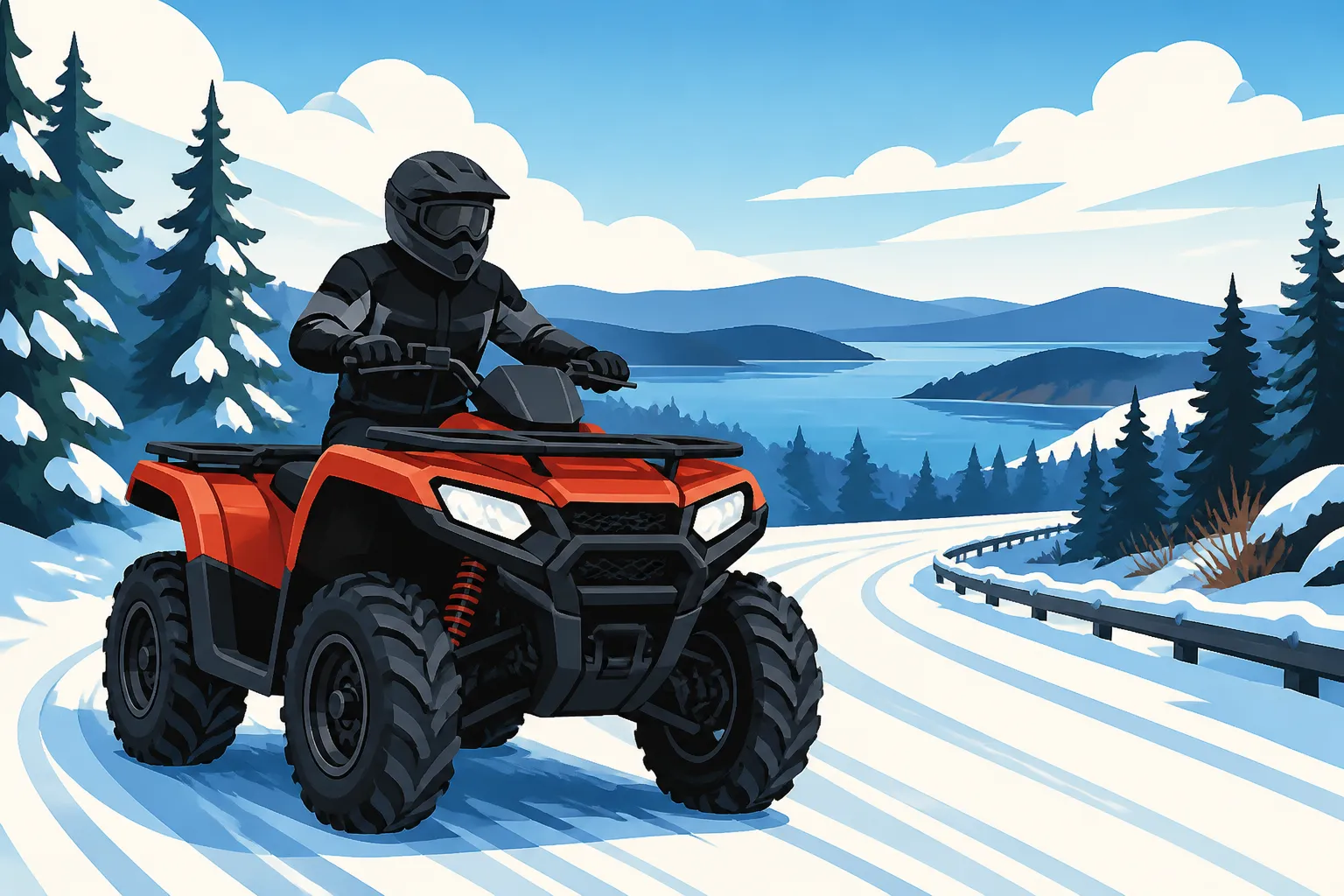
There's nothing quite like the crisp air and stark beauty of a Maine winter, especially when you're itching to get out on your ATV or UTV. But before you bundle up and hit the snowy roads, there's a good chance you're wondering if you can even legally ride your machine on public ways when everything's covered in white. It's a valid concern, and navigating Maine's specific rules for winter road riding can feel like traversing an icy patch – slippery and confusing if you don't know the lay of the land. This guide aims to clear up the ice and snow, giving you the detailed information you need to understand where, how, and with what equipment you can safely and legally enjoy winter road riding on your ATV or UTV in Maine.
Understanding Maine's ATV Road Rules in Winter
Winter in Maine brings a whole new landscape, and with it, specific considerations for ATV and UTV riders looking to use public ways. While some parts of the country might have blanket rules, Maine's approach is more nuanced, requiring riders to understand the existing ATV laws and how they apply when the snow flies. It's not as simple as "if there's snow, you can ride anywhere," and ignoring these distinctions can lead to fines and a ruined ride.
The 500-Yard Rule and Other Exceptions
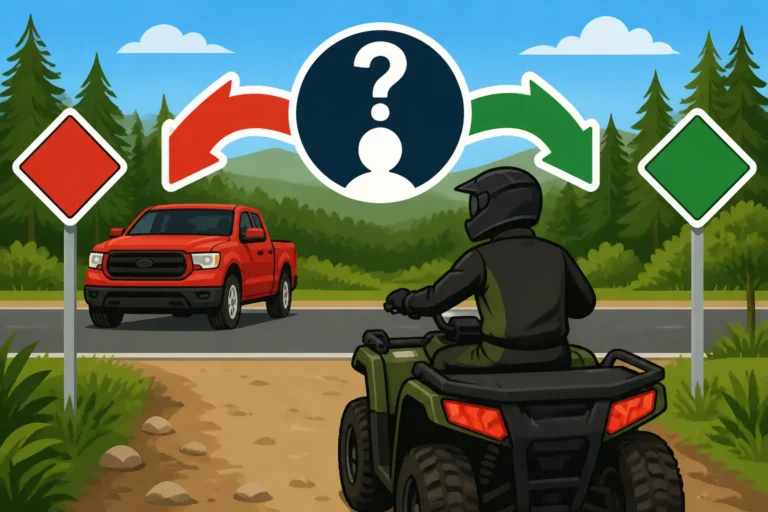
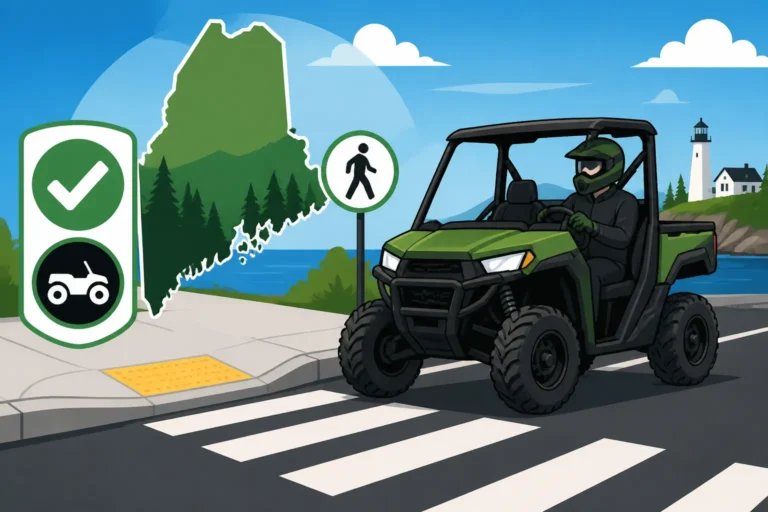
One of the most fundamental rules for ATV operation on public ways in Maine, regardless of the season, is the "500-yard rule." This statute allows ATV and UTV operators to ride up to 500 yards on the extreme right of a public way to access a trail, gas, food, or lodging. It's a crucial provision that prevents riders from being completely stranded by a road crossing or a short gap in a trail system. However, this rule doesn't magically expand in winter just because there's snow on the ground. You're still limited to those 500 yards, and you must operate on the far right, yielding to all vehicular traffic. It's not a free pass to cruise down the road, even if the plows have left a nice, wide shoulder of snow.
Beyond the 500-yard limit, there are specific exceptions to the general prohibition of ATVs on public ways. These often include utility workers, law enforcement, or municipal employees using ATVs in the course of their duties. More broadly, towns and cities in Maine have the authority to designate specific public ways or sections of them as ATV-access routes. These are the golden tickets for road riding, as they explicitly permit ATV use. However, these designated routes are often for connecting trail systems and are marked with specific signage. Don't assume that a snow-covered road automatically becomes an ATV route; always look for the official town postings. The challenges in winter, like deep snow and reduced visibility for other drivers, make strict adherence to these rules even more critical for your safety and the safety of others. Understanding [Maine's 500-Yard Limit on a Public Way] is paramount.
Designated ATV-Access Routes in Winter
Maine's network of ATV trails often relies on designated road sections to connect different segments, allowing riders to travel between towns, reach fuel stops, or access lodging. These [Maine ATV-Access Routes and How Towns Post Them] are usually established through local ordinances and are clearly marked with signs indicating ATV access is permitted. In winter, these routes remain open for ATV and UTV traffic unless specifically closed by local ordinance or due to unsafe conditions. It's important to remember that even on a designated access route, you are sharing the road with automobiles. This means adhering to speed limits, riding single file, and maintaining vigilance, especially on winding or hilly sections where visibility might be limited by snowbanks.
One common frustration for riders is the variability of these routes. What's open in one town might be closed in the next, and conditions can change rapidly. Always check with local ATV clubs or municipal offices for the most up-to-date information on winter access routes. The snow can also obscure signage, so if you're unfamiliar with an area, stick to well-marked trails or consult an updated map. Riding on a designated route means you are expected to follow all traffic laws applicable to motor vehicles, including stopping at stop signs, yielding to pedestrians, and using appropriate lighting.
Snowmobile Trails and ATV Access in Winter
This is where things can get particularly confusing and, if misunderstood, can lead to serious trouble. Maine has an extensive network of snowmobile trails, meticulously groomed and maintained by local clubs. These trails are primarily for snowmobiles, and generally speaking, ATVs and UTVs are not permitted on them once they are officially open for snowmobile season. The two types of machines have different impacts on the snow surface, and allowing ATVs on groomed snowmobile trails can quickly ruin them for sledders, leading to landowner complaints and trail closures.
There are, however, very specific and often localized exceptions. Some multi-use trails or certain sections might explicitly allow both snowmobiles and ATVs, particularly early or late in the winter season when snow depths are variable. These are usually clearly marked, and often come with specific stipulations about operating speed or time of day. Never assume you can ride your ATV on a snowmobile trail unless you see explicit signage stating it's permitted for ATVs. Always consult with the local snowmobile or ATV club, or the Maine Bureau of Parks and Lands, for clarification. Violating these rules can result in fines and damage relations with landowners, which is devastating for the trail system as a whole. You'll find more information on this by looking up [Maine Snowmobile and ATV Shared Road Corridors] or [Snowmobile Trails That Allow ATVs in Maine].
| Rule/Scenario | Summer/Year-Round ATV Riding on Roads | Winter ATV Riding on Roads (Snow Present) |
|---|---|---|
| 500-Yard Rule | Allows 500 yards on extreme right for access. | Still applies: 500 yards on extreme right, same conditions. |
| Designated ATV Routes | Posted routes allow ATV access, follow traffic laws. | Posted routes still allow ATV access, follow traffic laws. Watch for obscured signs. |
| Snowmobile Trails | ATVs may use some multi-use trails if designated as such in summer. | Generally PROHIBITED on groomed snowmobile trails. Exceptions are rare and clearly marked. |
| Visibility | Standard daylight and night riding. | Reduced due to snow, fog, short days. Critical to have proper lighting. |
| Road Conditions | Pavement, dirt, gravel. | Snow, ice, slush, frost heaves. Variable traction. |
| Rider Prep | Standard riding gear. | Warm, insulated, waterproof gear. Layers are key. |
| Machine Prep | Standard maintenance. | Winterization, tire choice (studded), plows, winches. |
Essential Gear and Machine Prep for Winter Road Riding
Getting your ATV or UTV ready for winter road riding isn't just about throwing on some warm clothes and hoping for the best. The cold, snow, and ice demand specific preparation for both you and your machine to ensure safety, comfort, and reliability. Skimping on these details can turn a beautiful winter adventure into a miserable, and potentially dangerous, ordeal.
Tires, Studs, and Traction Considerations
When the ground is covered in snow and ice, your summer tires just won't cut it for road riding. They're designed for dirt and mud, not the slick, unforgiving surfaces of a plowed road or an icy trail. For true grip and control in winter, you absolutely need to consider different tire options. Snow-specific tires, which have a softer rubber compound and a more aggressive, open tread pattern, can provide decent traction in fresh snow. However, for icy conditions or roads that have been plowed down to packed snow or even bare pavement, nothing beats studded tires. These tires have small metal or carbide studs embedded in the tread, digging into ice and packed snow to provide vastly improved grip.
If you're planning on doing any significant winter road riding, especially on surfaces that might alternate between loose snow, packed snow, and ice, investing in a good set of studded tires is a non-negotiable safety upgrade. They provide much better braking and steering control, which can be the difference between a controlled stop and sliding into traffic or off the road. When selecting tires, consider the type of terrain you'll mostly encounter. Some riders even opt for tire chains in extreme conditions, but these are generally more suited for off-trail work or deep snow plowing, and not typically recommended for road speeds. Companies like SuperATV offer a range of tires and accessories that can enhance your machine's winter capabilities, so it's worth checking out what's available to boost your traction. Remember, having the right tires isn't just about going; it's about stopping and turning safely. You can also explore [Studded Tires on a Quad] for more specific information.
Lighting, Visibility, and Cold Weather Comfort
Winter days in Maine are short, and often overcast, meaning visibility is frequently low. Combine this with snow, fog, and the white landscape, and you have conditions that demand exceptional lighting and visibility measures. First and foremost, ensure all your machine's factory lights are in perfect working order: headlights, taillights, and brake lights. Consider upgrading your headlights to brighter LED units for better illumination of the road ahead, and perhaps adding auxiliary lights for wider visibility. But just as important is being seen by others. Reflective tape on your machine, helmet, and clothing is a cheap yet highly effective safety measure. Brightly colored riding gear, especially high-visibility yellows, oranges, or greens, can significantly increase your presence to drivers in cars and trucks.
Beyond lighting, your personal comfort is crucial for safe riding. Cold can quickly sap your concentration and dexterity. Layering is key: start with a moisture-wicking base layer, add an insulating mid-layer (fleece or down), and top it off with a waterproof and windproof outer shell. Heated grips and thumb warmers are game-changers, keeping your hands warm and allowing you to maintain better control. A full-face helmet designed for cold weather, perhaps with a heated visor to prevent fogging, is essential. Don't forget insulated boots and gloves that allow for good dexterity. Frostbite is a real risk in Maine winters, so protecting your extremities is vital. A windshield on your UTV or an ATV with hand guards can make a surprising difference in deflecting wind and snow. For more on keeping your machine visible, refer to [Maine Lighting Requirements for Night Riding].
Navigating Winter Hazards and Staying Safe
Even with the right gear and a clear understanding of the rules, winter road riding presents unique challenges that demand extra caution and awareness. The environment itself becomes a hazard, and sharing the road with other vehicles, especially those designed for snow removal, requires a heightened sense of vigilance.
Ice, Snow, and Changing Road Conditions
The biggest challenge of winter road riding is undoubtedly the unpredictable nature of the surface. One moment you might be on packed snow, the next on a patch of black ice, then through a section of slush, and suddenly on bare pavement. These rapid changes in traction are incredibly dangerous. Always assume there's ice under the snow, especially in shaded areas, around culverts, or on bridges. Reduce your speed significantly, particularly when approaching turns or intersections. Aggressive braking or steering on ice can easily lead to a loss of control.
Frost heaves are another winter phenomenon in Maine. These occur when moisture in the ground freezes and expands, pushing sections of pavement upward. They can create sudden, jarring bumps that can throw an ATV or UTV off balance, especially at speed. Keep an eye out for these subtle changes in the road surface. Fresh snowfall can also obscure hazards like potholes or debris, so always ride defensively and allow for extra stopping distance. The best approach is to slow down, scan far ahead, and be prepared for anything. Even a small error can have big consequences when traction is compromised. If you're planning a trip, be sure to check trail status by looking into [Maine Trail Openings and Mud Season] to understand variable conditions.
Sharing the Road with Other Vehicles and Plows
When you're riding your ATV or UTV on a public way in winter, you are sharing that space with larger, heavier, and often faster vehicles. Cars, trucks, and especially snowplows have very different dynamics and sightlines. Always be aware of your surroundings, using mirrors frequently and being mindful of blind spots. Plow trucks, in particular, require extreme caution. They are massive, often moving slower than typical traffic but with immense momentum, and their operators are focused on the plowing operation, not necessarily on spotting a smaller ATV. Give plows a wide berth – they can throw up significant amounts of snow and salt, obscuring visibility, and they may stop, back up, or make sudden turns.
Beyond plows, be mindful of other drivers who might not be expecting to see an ATV on a snow-covered road. Maine is a state where ATVs are common, but winter road riding is still less frequent than summer trail riding. Make yourself as visible as possible with good lighting and bright clothing, and avoid riding in conditions of extremely low visibility if possible. Always yield the right-of-way to other vehicles, and never assume they see you. Riding defensively, maintaining a safe distance, and being predictable in your movements are key to sharing the road safely in winter. Consider what [Maine ATV Rules on State Route Shoulders] allow and don't allow. For questions about your specific registration, remember to consult [Maine ATV Registration Questions Town Clerks Hear Most].
Disclaimer
This article is for general informational purposes only and does not constitute professional advice. Laws, prices and regulations vary by location and change over time. Consult a qualified professional for guidance on your specific situation.