First-Time Maine ATV Registration at the Town Office
Getting your ATV or UTV registered for the very first time in Maine can feel a bit like navigating a winding trail without a map, especially if you're new to the Pine Tree State or just bought your first machine. You're eager to hit those incredible Maine trails, but before you do, you've got to deal with the paperwork. This guide is all about taking that initial, crucial step: registering your ATV or UTV at your local town office, making the process clear and straightforward so you can get out and ride.
Why the Town Office is Your Essential First Stop for ATV Registration
For many of us, especially those living in Maine, the local town office is often the most convenient and personal way to handle your first ATV or UTV registration. While options like online registration exist for renewals, that initial registration almost always requires an in-person visit. It's where you establish your machine's official presence in the state's system, pay your dues, and get your temporary paperwork so you can start riding right away. Think of your town clerk as your local trail guide through the bureaucratic woods – they see these transactions every day and can often spot potential issues before they become real problems.
The Personal Touch and Immediate Proof
One of the biggest advantages of registering at your town office is the immediate gratification. You walk in with your paperwork, chat with a friendly face, and walk out with a temporary registration certificate. This piece of paper is your golden ticket for immediate riding. You don't have to wait for stickers to arrive in the mail, which can sometimes take a little while. For many riders, especially those who've just purchased a machine and are itching to use it, this instant proof of registration is a huge relief. It means you can plan that first weekend ride without worrying if your official stickers will make it in time. The clerk can also answer specific questions you might have about local ordinances or trail access in your area, which is a level of service you just don't get from an online portal.
Troubleshooting and Specific Situations
Life isn't always a smooth trail ride, and sometimes your ATV registration situation isn't perfectly straightforward. Maybe you bought a used machine from a private seller and the paperwork is a little murky. Perhaps you’re registering a classic three-wheeler, or a machine that's been out of state for a while. These are the moments when the town office truly shines. Clerks are adept at handling a wide array of scenarios, from missing titles (since Maine doesn't title ATVs) to understanding special circumstances like registering a machine for farm or woodlot use. They can guide you through what additional documentation might be needed or clarify any questions about sales tax that might apply. If you have any doubts, going to the town office first can save you a lot of headache down the line. It's much easier to clarify details in person than trying to do it over the phone or email, potentially delaying your ride time.
Gathering Your Documents: What You Absolutely Need
Before you even think about heading to the town office, a little preparation can save you a world of frustration. Walking in unprepared is a surefire way to end up making a second trip. The town clerk needs certain documents to process your first-time registration, primarily to prove ownership and ensure any applicable taxes are handled. Think of this as getting your gear together before a big ride – you wouldn't head out without your helmet, right? The same goes for your registration documents. [What a Maine Town Clerks Ask For at the Counter] is a good read to set your expectations.
Proof of Ownership: The Bill of Sale is King
When it comes to registering an ATV or UTV in Maine, the most critical piece of paper you'll bring with you is your proof of ownership. Since Maine does not title ATVs and UTVs, a bill of sale or previous registration is what establishes your legal right to register the machine. For a new machine purchased from a dealer, you'll usually have a manufacturer's certificate of origin (MCO) or a similar document along with the dealer invoice. This is pretty straightforward.
However, for a used ATV bought from a private seller, a well-drafted bill of sale is paramount. This isn't just a scribble on a napkin; it needs to be a clear, concise document that includes specific information. It should list the seller's name and address, your name and address, the make, model, year, and most importantly, the Vehicle Identification Number (VIN) of the ATV or UTV. The sale price and date of sale are also crucial. Without a proper bill of sale, the town clerk might be unable to verify ownership, putting your registration on hold. If you're buying privately, consider using a template from a reputable source like LawDepot to ensure all necessary fields are included and the document is legally sound. This simple step can prevent huge headaches later. You can find more specific guidance in [Maine ATV Bill of Sale: What to Include].
Sales Tax Paperwork: Don't Get Surprised
Maine has sales tax, and that generally applies to ATV and UTV purchases, whether new or used. If you bought your machine from a licensed dealer, they typically collect the sales tax at the time of purchase and provide you with a receipt or invoice showing that the tax has been paid. This receipt is what you'll show the town clerk. It's pretty seamless.
Where it gets a little trickier is with private sales. If you bought a used ATV from an individual, you, as the buyer, are responsible for paying the Maine sales tax at the time of registration. The town office acts as an agent for the state to collect this tax. The amount will be calculated based on the purchase price listed on your bill of sale. If you're bringing an ATV into Maine from another state, you might also be subject to a "use tax" if you didn't pay sales tax in the state of purchase, or if the tax paid was less than Maine's rate. It's always best to be prepared for this expense; trying to dodge it will only delay your registration. Having an accurately priced bill of sale is vital for this calculation. [Maine Sales Tax on an ATV Purchase] delves into this further.
Proof of Residency: If You Live Here
If you're a Maine resident, you'll need to provide proof of your residency. This is typically straightforward and can be accomplished with a valid Maine driver's license or state ID. Utility bills, property tax bills, or other official mail showing your current Maine address can also serve this purpose if your ID isn't updated. The town office needs to confirm that you are indeed a resident to process a resident registration and apply the appropriate fees. This also impacts where your registration stickers will be mailed. Make sure the address on your primary identification matches where you intend for your registration documents to be sent.
Non-residents, of course, don't need to prove Maine residency, but they will follow a different registration path and pay different fees. This guide is primarily for residents registering at their local town office, but it's important to understand the distinction. You can read about [Maine Non-Resident Annual ATV Registration] if that applies to your situation.
The Registration Form Itself: Walking Through the Details
Once you have all your supporting documents in order, you'll need to fill out the actual registration application. While you can sometimes download these forms online, many town offices prefer you to fill them out on-site, or they might have specific local versions. Either way, having a clear understanding of what information will be requested will make the process much smoother.
Key Information Points on the Form
The registration form is designed to capture all the essential details about you, the owner, and your ATV or UTV. You'll need to provide your full name, current mailing address, phone number, and driver's license number (if applicable). For the ATV itself, you'll be asked for its make (e.g., Polaris, Can-Am, Honda), model (e.g., Sportsman, Defender, Foreman), year of manufacture, and engine size (in cubic centimeters, or cc). The most critical piece of information here, though, is the Vehicle Identification Number (VIN). This unique 17-digit code is how the state identifies your specific machine. Double-check this number against your bill of sale and the actual VIN stamped on the ATV's frame to avoid any transcription errors. A mismatch will definitely send you back to the drawing board. It's a good idea to know [Where the VIN Is Stamped on a Quad] before you go.
Common Pitfalls and How to Avoid Them
One of the most common pitfalls is simply incomplete information. Don't leave any fields blank unless instructed to do so. Another frequent issue is an incorrect VIN. As mentioned, this number is paramount. Take a photo of the VIN on your machine before you leave home, or even write it down on a separate piece of paper as a backup. Incorrectly stating the year or model can also cause minor delays, though these are usually easier to correct than a VIN error. If you're registering a machine that's been in your family for a long time without prior registration, you might need to provide an affidavit of ownership or have the town clerk assist with a VIN verification. Don't be afraid to ask the clerk for clarification if a field isn't clear to you. They are there to help you complete the form accurately and get your machine registered.
Understanding Maine's ATV Registration Fees
Registering your ATV or UTV in Maine involves more than just filling out a form; there's a financial component as well. These fees contribute directly to the maintenance and expansion of Maine's incredible trail system, so you're actually investing in your own riding enjoyment! While exact figures can shift over time, understanding the structure of these costs is key to avoiding surprises at the counter. [What a Maine ATV Registration Costs] provides a broader overview, but let's break down the resident fees you'll encounter at the town office for your first-time registration.
Resident vs. Non-Resident Fees
For Maine residents, the annual registration fee for an ATV or UTV is a set amount. This fee is generally lower than what non-residents pay, reflecting your contribution as a taxpayer and resident of the state. It's a direct investment into the local infrastructure that supports the sport. Non-residents, on the other hand, pay a higher fee. This difference exists because non-residents typically don't contribute to Maine's tax base in the same way residents do, yet they still benefit from the trail system. Therefore, their registration fees help to balance that out. Always be clear about your residency status when registering to ensure you're paying the correct fee.
Additional Agent Fees and How They Work
When you register your ATV or UTV at a town office, you're not just paying the state's registration fee. Most town offices also charge a small "agent fee" for their service. This is a local charge that helps cover the administrative costs of processing registrations, printing temporary documents, and handling the transactions. This fee is usually a modest, fixed amount per registration. It's important to understand that this agent fee is separate from the state registration fee and is retained by the town. While it adds a little extra to the total, it's a small price to pay for the convenience and immediate service you receive by registering locally. Always be prepared to cover both the state registration fee and any applicable agent fee when you visit the town office.
| Document/Fee Type | Resident Purchase (New from Dealer) | Resident Purchase (Used Private Sale) | Non-Resident (at Agent) |
|---|---|---|---|
| Proof of Ownership | MCO/Invoice | Bill of Sale (VIN critical) | Bill of Sale/Out-of-State Reg |
| Sales Tax Payment | Dealer-collected (proof) | Due at registration (calculated) | Not applicable (unless use tax) |
| Proof of Residency | Maine Driver's License/ID | Maine Driver's License/ID | Not applicable |
| Registration Form | Required | Required | Required |
| State Registration Fee | Resident Rate | Resident Rate | Non-Resident Rate |
| Town Agent Fee | Applicable | Applicable | Applicable |
What to Expect at the Town Clerk's Counter
Walking into the town office for the first time to register an ATV can feel a little daunting if you're not sure of the process. But don't worry, these folks are pros, and it's usually a pretty quick and friendly experience, especially if you arrive prepared. Think of it like getting your fishing license – straightforward and to the point.
The Step-by-Step Process
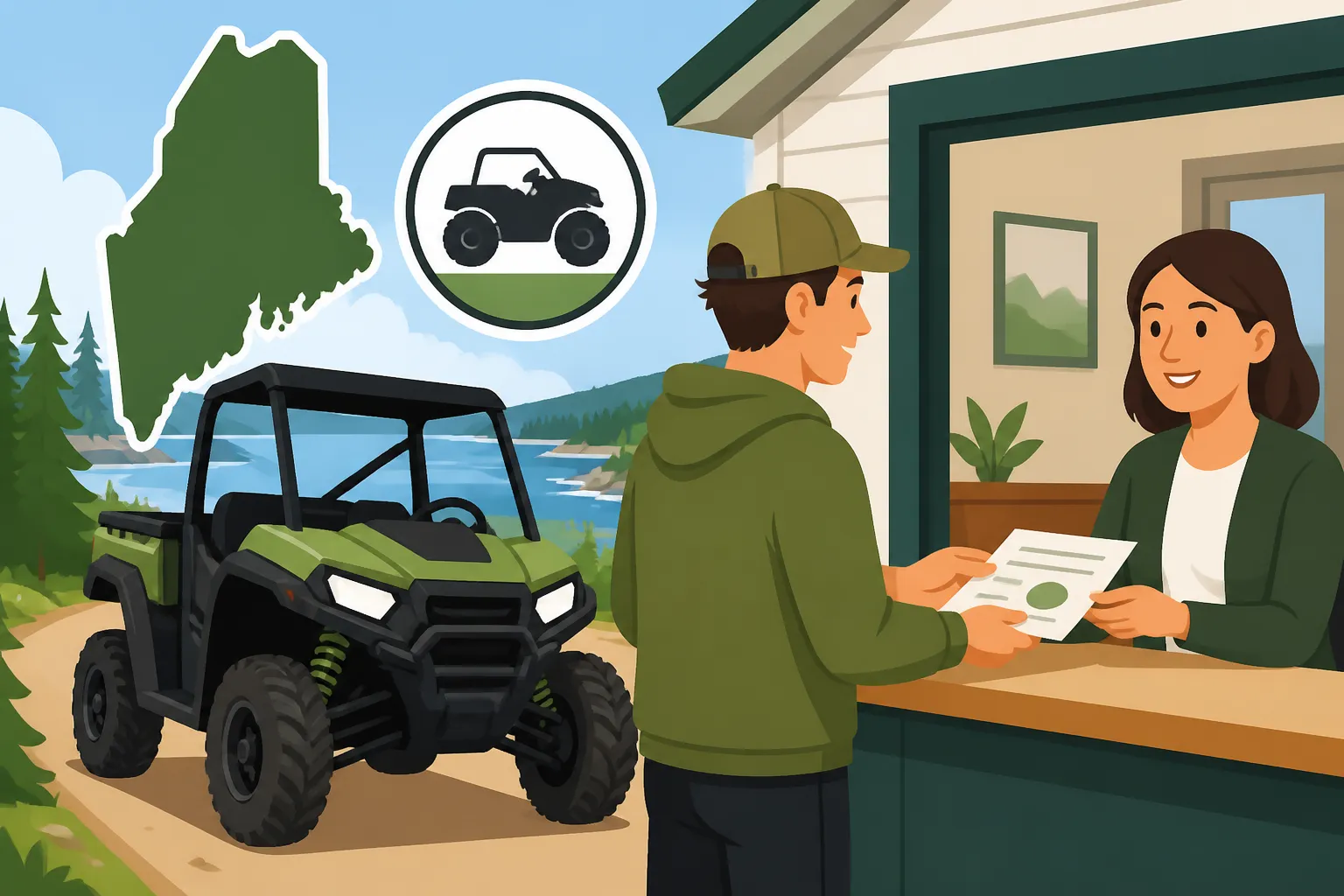
When you arrive at the town office, you'll typically approach the front desk or a designated registration window. First, you'll present your gathered documents: your bill of sale or other proof of ownership, and your Maine ID for residency. The clerk will review these to ensure everything is in order and that the VIN matches. They’ll likely hand you the registration application form to fill out, or if you've already filled one out, they'll verify its completeness. This is where those double-checked VINs and accurate personal details pay off.
Once the form is complete and verified, the clerk will input the information into the state's system. They'll calculate any sales tax due (if it was a private sale) and combine that with the state registration fee and the town's agent fee. You'll then be given the total amount due. Most town offices accept various forms of payment, including cash, check, and often credit or debit cards, though some might have a surcharge for card payments. After payment is processed, the clerk will print out your temporary registration certificate right there on the spot. This certificate is your immediate proof of registration and means you're good to go!
Getting Your Temporary Registration and Sticker Timeline
The temporary registration certificate you receive is critically important. It allows you to legally operate your ATV or UTV immediately. This is particularly great for those spontaneous weekend trips or if you just can't wait to hit the trails after your purchase. This temporary document will include all the pertinent details about your machine and its registration period.
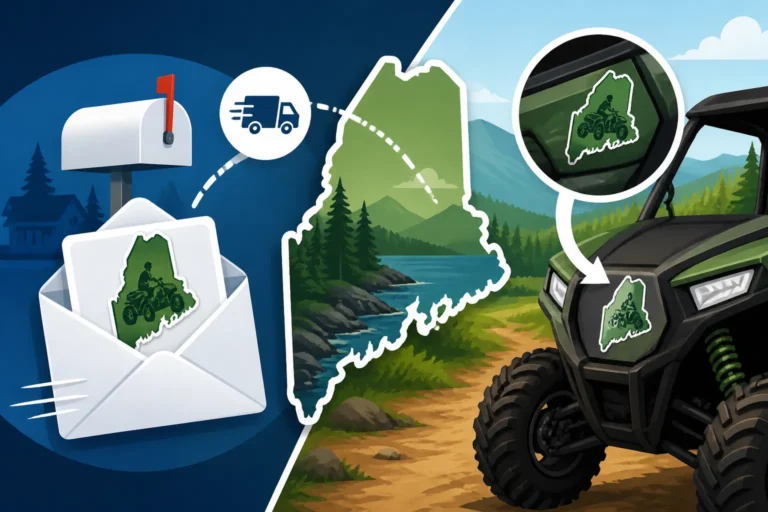
As for your official registration stickers and permanent card, these are typically mailed to you directly from the Maine Department of Inland Fisheries and Wildlife (IF&W) after your town office visit. The mailing process usually takes a little time, so don't expect them to arrive the next day. [Maine ATV Registration Sticker Delivery Time] can give you a better idea of the typical timeframe. While you're waiting for the physical stickers, keep that temporary registration certificate with you whenever you ride. Law enforcement officers, like Maine Wardens, will accept it as valid proof of registration. Remember to also keep your paperwork in a safe, dry place on your machine when riding.
After You Register: Getting on the Trails Legally
Once you've successfully navigated the town office and have that temporary registration in hand, the real fun begins. But before you just launch onto the nearest trail, it's important to understand a few things about how to display your new registration and what else might be expected of you as a responsible ATV or UTV operator in Maine.
Where Your Stickers Go and Confirmation Page Use
When your official registration stickers finally arrive in the mail, you'll need to affix them to your ATV or UTV in the designated spot. Maine law specifies where these stickers should be placed – typically on the front and rear of the machine, clearly visible. There are specific guidelines for placement to ensure they are easily seen by wardens and other enforcement personnel. It's not just a suggestion; proper placement is part of your legal obligation. [Where Maine ATV Stickers Go and When They Arrive] will give you the precise instructions you need for placement.
In the meantime, that temporary registration confirmation page is your ticket to ride. You can (and should) carry a printed copy of it with you whenever you're operating your machine. This is your immediate proof that you've completed the registration process. It's a relief to know you don't have to put your riding plans on hold while waiting for the physical stickers.
Youth Operators and Safety Course Requirements
If the ATV or UTV is for a youth rider, or if a minor will be operating it, there are additional considerations beyond just registration. Maine has specific age requirements and safety course mandates for young ATV operators. For instance, riders under a certain age (typically 16) are generally required to complete a state-approved ATV safety course. They also must operate under the direct supervision of an adult on most trails.
Even if you're an adult, taking a safety course is highly recommended. It not only sharpens your riding skills but also familiarizes you with Maine's specific ATV laws and etiquette, ensuring a safer and more enjoyable experience for everyone on the trails. Always make sure to check the current rules regarding [Maine ATV Safety Course Requirements] and [Maine ATV Age Rules for Riders Under 16] to ensure all riders are compliant. Safety is paramount, especially when sharing trails and public ways.
Maintaining Your Registration and Planning Renewals
Your first-time registration will be valid until December 31st of the calendar year it was issued, regardless of when you registered it during the year. For instance, if you register in August, it's still good until December 31st of that same year. After that, you'll need to renew it annually. Thankfully, renewals are much simpler and can often be done online, making subsequent years a breeze. You'll typically receive a renewal reminder from Maine IF&W in the mail as the year winds down.
Staying on top of your registration is crucial. Riding an unregistered ATV or UTV on public trails or designated access routes can result in fines and penalties. It's not worth the risk. By taking the time to complete your first-time registration thoroughly at the town office, you're setting yourself up for years of legitimate and worry-free riding on Maine's amazing trail network. Enjoy the ride!
Disclaimer
This article is for general informational purposes only and does not constitute professional advice. Laws, prices and regulations vary by location and change over time. Consult a qualified professional for guidance on your specific situation.