Pre-Purchase Inspection Before You Buy a Quad
Buying a used ATV or UTV in Maine can feel like an incredible opportunity to hit the trails without breaking the bank. However, the excitement of a great deal can quickly turn into a nightmare if you inherit someone else's problems. This guide is here to walk you through the absolute essentials of a pre-purchase inspection, ensuring you know exactly what you're getting before you hand over your hard-earned cash, helping you avoid costly repairs and frustrating registration headaches down the line.
Why a Pre-Purchase Inspection is Absolutely Crucial for Maine Riders
It's easy to get swept up in the moment when you find an ATV or UTV that looks good and seems to fit your budget. Maybe it's a private seller you found on a local Maine classifieds site, or a small dealership. You picture yourself cruising the vast trail networks of Aroostook County or exploring the woods around Moosehead Lake. But before that vision becomes a reality, you need to pump the brakes and do your due diligence. A thorough pre-purchase inspection isn't just a suggestion; it's your first line of defense against buyer's remorse and unexpected financial burdens.
Avoiding Costly Surprises Down the Trail
Imagine buying what you thought was a great machine, only to discover a few weeks later that the engine needs a complete rebuild, the transmission is slipping, or the frame is cracked. Suddenly, your "deal" has turned into a money pit, costing you thousands more than you anticipated. These aren't just minor inconveniences; they can completely sideline your riding plans and drain your savings. Many mechanical issues, especially in the engine or drivetrain, can be incredibly expensive to fix, sometimes even exceeding the value of the machine itself. Without a proper inspection, you're essentially gambling with your money, hoping that the previous owner was honest and meticulous, which isn't always the case. Hidden problems, like worn-out wheel bearings that groan at speed or electrical gremlins that kill your lights on a night ride, won't show up on a quick glance.
Protecting Your Investment and Your Safety
An ATV or UTV isn't just a toy; it's a powerful piece of machinery that, if not in proper working order, can be dangerous. Faulty brakes, compromised steering, or a cracked frame aren't just annoyances—they're serious safety hazards. A comprehensive inspection ensures that all critical safety components are sound, protecting not only your financial investment but also your well-being and the safety of anyone who might ride with you. Beyond safety, a well-maintained machine holds its value much better. If you ever decide to sell it down the road, having a documented history of its condition and diligent inspection practices will put potential buyers at ease and help you get a better price. Furthermore, a machine with major structural or mechanical issues could even complicate the [What It Takes to Register an ATV in Maine] process, especially if the issues relate to the VIN or other identifying marks that state officials need to verify.
What to Look For: The Comprehensive Inspection Checklist
When you're face-to-face with a potential ATV or UTV, it's easy to be distracted by shiny plastics or a loud exhaust. To ensure you don't miss anything critical, it helps to have a methodical approach. Go through the machine section by section, starting with the most vital components and working your way through the smaller details. Don't be afraid to get a little dirty; this is your money on the line!
The Engine and Drivetrain: Heart of the Machine
This is arguably the most critical area of your inspection. The engine is the lifeblood, and the drivetrain is what puts that power to the ground.
- Visual Inspection (Cold Engine): Start with the engine completely cold. Check for any visible oil leaks around gaskets, seals, or drain plugs. Look for coolant leaks, especially around hoses and the radiator. Are there any unusual scorch marks or melted wires that could indicate overheating? Pull the dipstick and check the oil level and color—black is normal, but milky or frothy oil suggests coolant contamination, a serious red flag. Check the coolant reservoir; it should be at the correct level and look clean, not rusty or murky.
- Starting and Idle: Ask the seller to start the machine from cold. Does it crank easily, or does it struggle? Listen for any strange noises upon startup—ticking, knocking, or grinding. Once running, does it idle smoothly without excessive smoke? A little white smoke on a cold start is normal, but persistent blue smoke usually indicates burning oil, and thick white smoke can mean burning coolant. Let it run for a few minutes and check for any new leaks that appear once things warm up.
- Transmission and Shifting: If it's a manual shift, test each gear. Does it engage smoothly? Does the clutch feel responsive and not spongy? For automatic transmissions, ensure it shifts into forward and reverse without significant lurching or grinding. Listen for any whining or clunking from the differentials or axles as you gently move the machine.
- Exhaust System: Check the exhaust pipe for excessive rust, holes, or welds that might indicate previous repairs. A properly functioning spark arrestor is not just good for the environment, it's often a legal requirement on Maine trails. An aftermarket exhaust might be loud, but ensure it's not simply a patched-up stock system.
Frame, Suspension, and Steering: The Foundation of a Safe Ride
These components determine how well the machine handles and protects you from impacts.
- Frame Integrity: Get down low and visually inspect the entire frame, paying close attention to welds. Look for any cracks, bends, or signs of stress, especially around critical mounting points for the engine, suspension, and hitch. Obvious signs of repair or heavy rust could indicate a past accident or neglect. A bent frame is nearly impossible to fix correctly and can severely impact handling and safety.
- Suspension Components: Check all four shocks. Are they leaking oil? Does the spring look intact and not bent? Push down on each corner of the ATV/UTV to test the rebound; it should dampen smoothly, not bounce excessively. Wiggle each wheel side-to-side and up-and-down to check for play in the wheel bearings, ball joints, and A-arm bushings. Excessive play here can lead to unstable handling and quick wear on other components.
- Steering System: Grab the handlebars or steering wheel and gently turn it lock to lock. Does it move smoothly without excessive play or binding? Inspect the tie rods for bends or damage. Check the tie rod ends and ball joints for looseness—again, wiggle the wheels to feel for play. A sloppy steering system can be very dangerous at speed. Also, ensure the handlebars are straight and not bent from a rollover.
Tires, Brakes, and Wheels: Critical Safety Components
These are your primary means of control and contact with the terrain.
- Tires: Inspect all four tires. Look at the tread depth – are they evenly worn, or is one side more worn than the other (which could indicate alignment issues)? Check for cracks in the sidewalls, punctures, or signs of dry rot. Make sure they hold air. If the tires are mismatched, it's a sign of potential neglect or a quick, cheap repair.
- Brakes: Test both the front and rear brakes, usually controlled by separate levers or pedals. Do they feel firm and responsive, or spongy? Listen for grinding noises when applied. Inspect the brake pads – do they have plenty of material left, or are they worn down? Check the rotors for deep grooves or warping. Look for leaks around the brake lines and calipers. A visual check of the brake fluid reservoir will tell you if the level is adequate. Good brakes are non-negotiable for safety.
- Wheels: Look for bent rims or cracks. Spin each wheel by hand to check for wobble, which can indicate a bent rim or bad wheel bearings. Ensure all lug nuts are present and tight.
Electrical System and Accessories: Often Overlooked Details
While not always critical to getting down the trail, a functional electrical system and accessories enhance safety and convenience.
- Lights: Test all lights: headlights (high and low beam), taillights, and brake lights. If it's a UTV, check turn signals and horn. Ensure all lenses are intact and free of cracks.
- Battery: Ask about the battery's age and condition. If possible, check the terminals for corrosion. A weak battery can cause starting issues, especially in cold Maine weather.
- Starter: Listen for the starter motor. Does it engage cleanly or grind? Does it have enough power to turn over the engine quickly?
- Gauges and Controls: Turn the key and ensure all indicator lights illuminate briefly and then extinguish as they should. Check that the speedometer, odometer, fuel gauge (if equipped), and any warning lights are working. Test the winch (if present) for proper function in both directions.
- Wiring: Visually inspect accessible wiring harnesses for signs of fraying, cuts, or shoddy repairs with electrical tape. Exposed wires can lead to shorts and electrical fires.
The Paperwork Trail: Beyond the Physical Inspection
Once you've given the machine a good once-over, your inspection isn't complete until you've delved into the documents. The paperwork provides crucial insights into the machine's legal standing and history, which is just as important as its mechanical condition, especially when you're thinking about [Maine ATV Registration After a Private Sale].
Verifying Ownership and History
This step is critical for a smooth transfer of ownership and to avoid buying a stolen or encumbered machine.
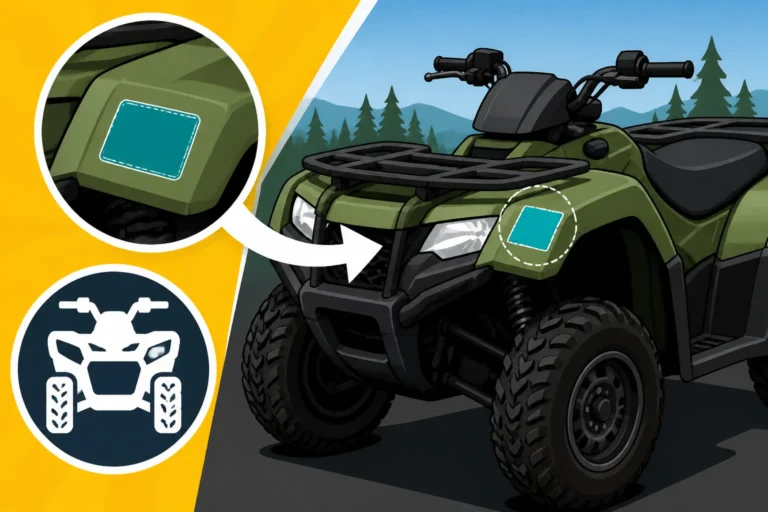
- VIN Matching: The Vehicle Identification Number (VIN) is your ATV's unique fingerprint. It's usually stamped on the frame in an easily accessible location, often on the left front frame rail or near the engine. Make sure the VIN on the machine matches the VIN on the seller's documentation, such as a previous registration, bill of sale, or any title documents. A discrepancy is an immediate red flag. This is also important for understanding [Where the VIN Is Stamped on a Quad] for different models.
- Bill of Sale: A proper bill of sale is not just a formality; it's your legal proof of purchase. It should include the full names and addresses of both buyer and seller, the date of sale, the purchase price, and the full VIN of the ATV or UTV. When it comes to drafting a solid [Maine ATV Bill of Sale: What to Include], resources like LawDepot can provide customizable templates that ensure all necessary information is present. Don't settle for a scribbled note on a napkin. A well-drafted bill of sale protects both parties.
- Checking for Liens or Theft: While Maine does not title ATVs, checking for a lien (a legal claim against the machine by a lender) is still a good practice, especially if the machine might have been financed. More importantly, you absolutely must check to see if the ATV has been reported stolen. You can use online databases or contact your local law enforcement agency. Buying a stolen machine, even unknowingly, can lead to it being confiscated without compensation. This is where knowing [How to Check If a Used ATV Is Stolen] comes into play.
Understanding Maintenance Records
A machine with a history of regular maintenance is usually a sign of a responsible owner and a more reliable ATV.
- Ask for Service History: Inquire if the seller has any maintenance records, receipts for parts, or logs of oil changes and routine service. While not all private sellers keep meticulous records, a stack of receipts for oil filters, spark plugs, or even larger repairs is a good indicator that the machine has been cared for.
- Impact on Value and Condition: A well-documented maintenance history can add value to the ATV and gives you peace of mind. Conversely, a complete lack of records might not be a deal-breaker for a lower-priced machine, but it should prompt you to be extra diligent in your physical inspection. If the seller claims new tires or a recent engine tune-up, look for receipts to back up those claims.
Should You Bring a Mechanic? Pros and Cons
After you've done your best DIY inspection, you might still wonder if a professional opinion is warranted. For many Maine riders, particularly those without extensive mechanical experience, bringing a mechanic along can be a wise decision.
When a Professional Eye is Worth the Cost
Think of it as an insurance policy. A professional mechanic brings specialized knowledge, tools, and an unbiased perspective that can uncover issues you might miss.
- Complex Issues: Mechanics can diagnose subtle engine noises, transmission problems, or suspension issues that might elude an amateur. They can use diagnostic tools to check engine codes or identify deeper electrical problems. For machines with higher mileage or those that have seen a lot of hard use, a professional assessment is invaluable.
- High-Value Machines: If you're looking at a newer, more expensive ATV or UTV, the cost of a mechanic's inspection is a small price to pay to protect a significant investment. Catching a major flaw can save you thousands in future repairs.
- Lack of Mechanical Knowledge: If you're not confident in your ability to thoroughly inspect the machine yourself, don't hesitate to seek professional help. It's better to spend a little extra upfront than to regret a purchase later. They can provide an expert opinion on whether the asking price is fair for the machine's condition. While it might take some effort to arrange for a mechanic to meet you at a seller's location, or for the seller to bring the ATV to a shop, it's a step that often pays for itself.
DIY Inspection: What You Can Do Yourself
For many used ATVs, especially older or lower-cost models, a comprehensive DIY inspection is perfectly sufficient, provided you know what you're looking for.
- Basic Checks: As outlined in the previous sections, visually inspecting for leaks, checking fluid levels, testing lights, and assessing the general condition of tires, brakes, and suspension components are all within the capability of most individuals.
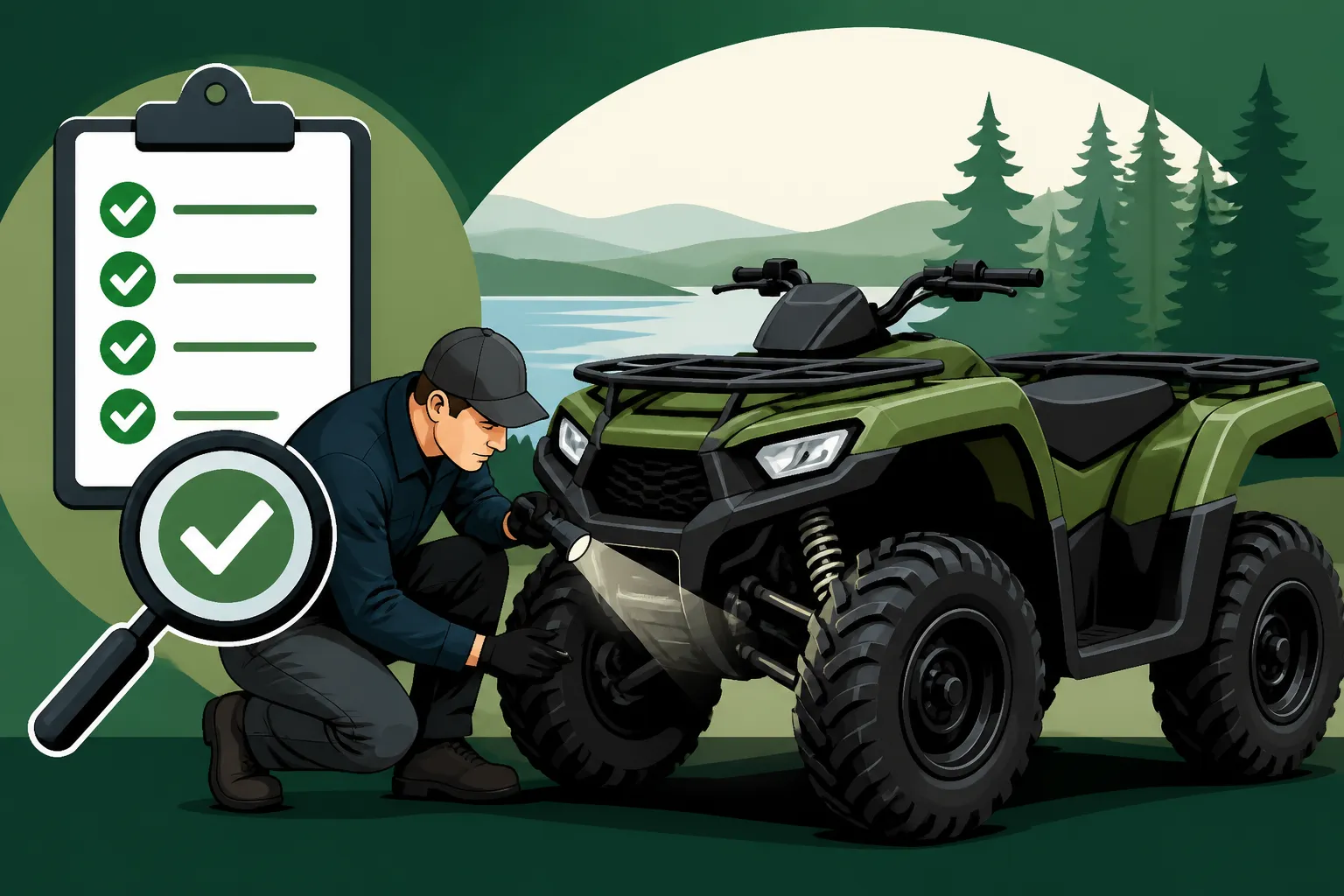
- Visual Inspection: Take your time. Look at the machine from all angles, in good light. Don't be afraid to poke around, wiggle parts, and shine a flashlight into crevices. Bring a small notebook and pen to jot down any concerns or observations.
- Test Ride: If the seller permits (and you are comfortable and legally able to operate the machine), a short test ride on a flat, safe surface can reveal a lot. Listen for unusual noises, test the brakes at speed, and feel for any pulling or instability in the steering. Pay attention to how the engine performs under load, how the transmission shifts, and how the suspension handles small bumps. However, remember to always prioritize safety and only test ride if you have the appropriate experience and safety gear.
To help you organize your thoughts during the inspection, here's a quick checklist you can use:
| Component | What to Check For | Status (OK/Concern) | Notes |
|---|---|---|---|
| Engine | Leaks (oil, coolant), unusual noises, smoke, oil condition, coolant level, cold start | ||
| Transmission/Drive | Smooth shifting, clutch feel, grinding, play in axles/differentials | ||
| Frame | Cracks, bends, welds, rust, signs of accident repair | ||
| Suspension | Leaking shocks, play in bushings/ball joints, bent A-arms, even rebound | ||
| Steering | Excessive play, bent tie rods, smooth turning, straight handlebars | ||
| Tires | Tread depth, cracks, punctures, dry rot, mismatched tires | ||
| Brakes | Pad wear, rotor condition, fluid level, leaks, lever/pedal feel | ||
| Wheels | Bent rims, wobble, missing lug nuts | ||
| Electrical | All lights working, battery terminals, starter engagement, gauges, winch (if any) | ||
| VIN | Matches documentation, readable, not tampered with | ||
| Paperwork | Bill of sale (details, seller info), previous registration, lien check, theft check | Templates from LawDepot are great for a comprehensive [Maine ATV Bill of Sale: What to Include]. |
Taking the time for a thorough pre-purchase inspection is one of the smartest things you can do when buying a used ATV or UTV in Maine. It allows you to approach the purchase with confidence, knowing you've minimized the risks of unexpected repairs and ensured the machine is safe and reliable. Remember, a little skepticism and a keen eye upfront can save you a lot of money and frustration on the trails later. Don't be afraid to walk away from a deal if something doesn't feel right, and always prioritize safety and solid documentation, perhaps even leveraging resources like LawDepot for a robust bill of sale. Happy riding!
Disclaimer
This article is for general informational purposes only and does not constitute professional advice. Laws, prices and regulations vary by location and change over time. Consult a qualified professional for guidance on your specific situation.