Trailer Registration for Hauling ATVs in Maine
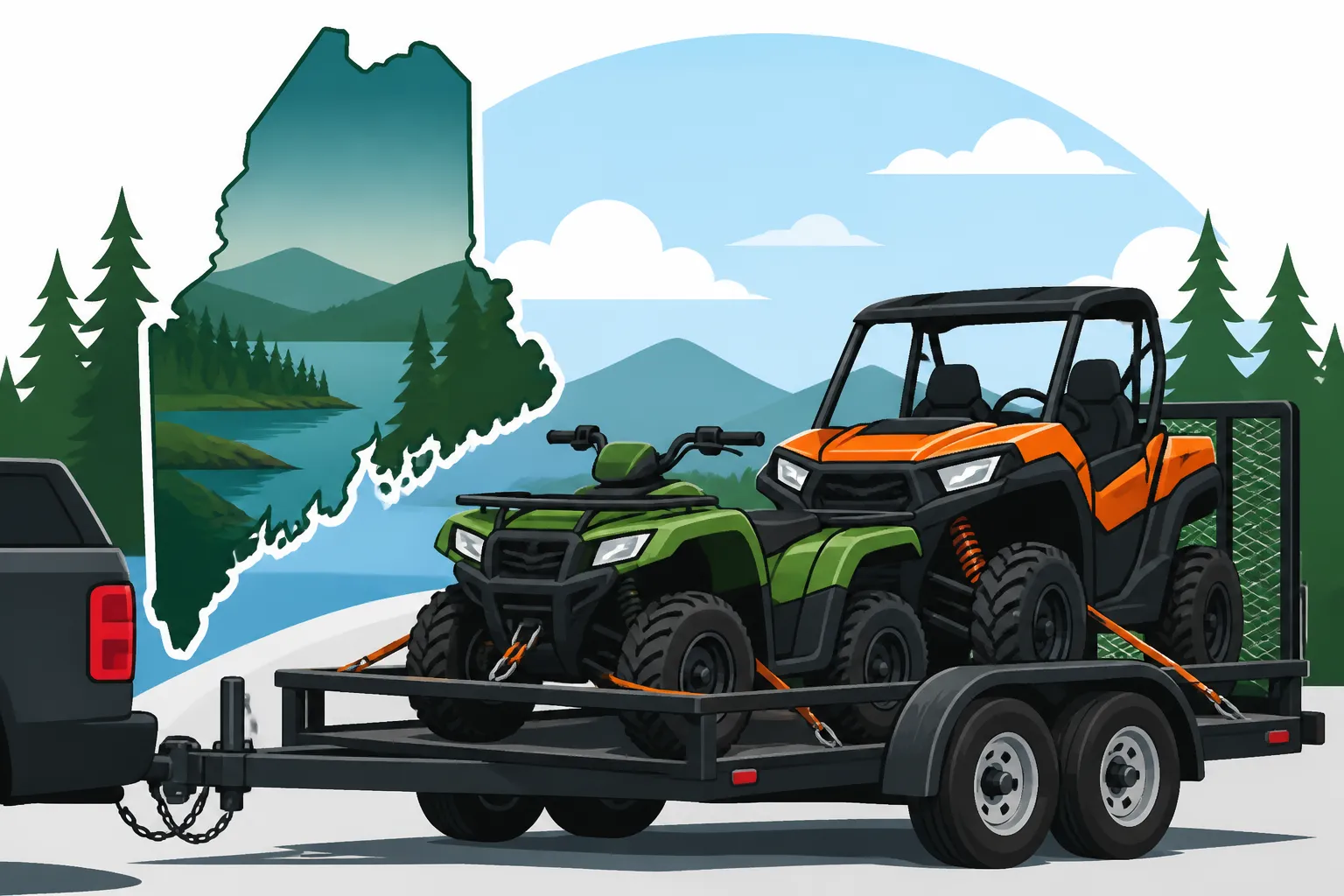
There’s nothing quite like the feeling of loading up your ATV or UTV, strapping it down securely, and hitting the road, knowing a day of Maine trail riding awaits. But before you can get that machine to your favorite trailhead, you need a reliable way to haul it, and that often means a utility trailer. Navigating the rules around registering that trailer in Maine can feel like another bureaucratic hurdle, full of confusing forms and fees. This guide is here to cut through that confusion, helping you understand exactly what’s needed to keep your ATV trailer legal on Maine's roads, ensuring your focus stays on the trails, not on potential fines.
Why Your ATV Trailer Needs to Be Registered in Maine
It’s easy to think of an ATV trailer as just an accessory for your main machine, but in the eyes of Maine law, it’s a distinct vehicle that requires its own set of paperwork and plates. Just like your car or your ATV itself, operating a trailer on public roads without proper registration is a no-go. This isn't just about collecting fees; it's about ensuring safety, accountability, and proper identification for all vehicles sharing our highways.
The Legal Imperative: It's Not Optional
Driving an unregistered trailer on any public way in Maine is a violation of state law. Period. Whether you're just moving it a short distance down the road to a neighbor's house, heading to the local gas station, or embarking on a long journey up to Aroostook County for a week of riding, that trailer needs to have a current registration. Many folks assume that if the ATV on the trailer is registered, the trailer itself is somehow covered. That's a common misconception that can lead to unexpected trouble. The registration for your ATV covers the ATV; your truck's registration covers your truck. The trailer is its own entity, a separate piece of equipment that needs its own unique identification. Ignoring this can lead to being pulled over, a stern conversation with a Maine State Trooper or Warden, and a fine that’ll definitely put a damper on your trail plans.
Safety on Maine Roads: Why Registration Matters
Beyond the legal requirement, trailer registration plays a vital role in road safety. When a trailer is registered, it means it’s been documented with the state, establishing ownership and responsibility. In the unfortunate event of an accident, a registered trailer can be easily identified, helping law enforcement and insurance companies track down the responsible parties. Imagine a scenario where an unhitched trailer rolls down a hill, causing damage or injury. Without registration, tracing that trailer back to its owner becomes a much more difficult task. Furthermore, the registration process often requires proof of ownership, which indirectly helps deter theft. It ensures that trailers on the road are legitimate and traceable, contributing to the overall safety and order of Maine's transportation system. When you see a properly registered trailer, you know its owner has taken the necessary steps to operate it responsibly.
Avoiding Fines and Headaches: Warden Encounters
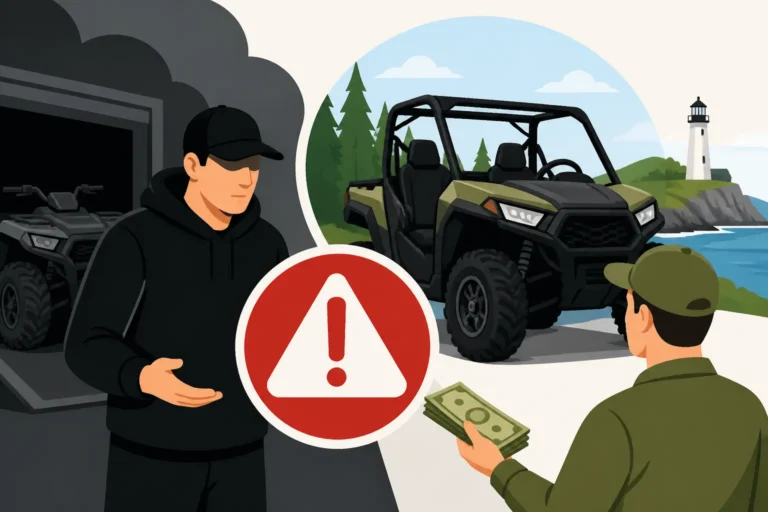
A fine for an unregistered trailer is an easily avoidable expense, and honestly, a total buzzkill when you’re just trying to enjoy the Maine outdoors. Picture this: you're just a few miles from the trailhead, excitement building, and suddenly, blue lights flash in your rearview mirror. A Maine Game Warden or State Police Officer pulls you over for a routine check, or perhaps they noticed your ATV load. The first thing they'll look for, after checking your vehicle registration and driver's license, is the plate and sticker on your trailer. If it’s missing or expired, that quick stop can turn into a roadside citation. These fines can vary, but they’re rarely insignificant and always more expensive than the registration itself. It’s not just the monetary penalty either; it's the time lost, the potential delay to your trip, and the frustration of dealing with a preventable legal issue. Staying compliant means a smoother journey to the trails and a more enjoyable ride once you get there.
Understanding Maine's Trailer Registration Categories
Maine's Bureau of Motor Vehicles (BMV) doesn't have a specific "ATV trailer" category. Instead, your ATV trailer will fall under the general "utility trailer" classification, but its specific requirements can depend on its weight. It's important to understand these distinctions because they dictate the fees you'll pay and sometimes even the documents you need to bring to the counter.
Light Utility vs. Heavy Haulers: Which Category Fits Your ATV Trailer
Most ATV trailers, especially those designed for a single quad or a small side-by-side, will fall into the "light utility trailer" category. This typically applies to trailers with a Gross Vehicle Weight Rating (GVWR) of 2,000 pounds or less. This is a pretty common category for the average weekend rider hauling a couple of machines. However, if you're rocking a heavy-duty enclosed trailer, a large flatbed that carries multiple UTVs, or a toy hauler camper, you might be looking at a higher weight class. Trailers with a GVWR over 2,000 pounds fall into different fee structures and might have slightly different registration procedures, especially if they approach commercial vehicle weights. It’s crucial to know your trailer’s GVWR before you head to register, as it directly impacts the [Maine Trailer Plate Cost] and the type of registration you'll get. Don't guess; check the manufacturer's plate or manual.
Gross Vehicle Weight Rating GVWR and Its Importance
The GVWR is arguably the most critical number when it comes to registering any trailer, and your ATV hauler is no exception. This rating, usually found on a sticker or plate on the trailer frame, represents the maximum allowable weight of the trailer plus its cargo when fully loaded. It's not just the empty weight of the trailer; it's the trailer, your ATV(s), fuel, gear, and anything else you've got strapped down. This number dictates which weight class your trailer falls into for registration purposes and is a key factor in determining safety regulations, especially concerning braking systems and tire capacity. If you exceed your trailer's GVWR, you’re not only risking fines but also compromising safety on the road, increasing stopping distances, and stressing your tow vehicle. Always make sure your loaded trailer stays within its rated capacity, and never forget to account for the weight of your machines when calculating your total load. This ensures safe towing and proper registration.
Temporary vs. Permanent Plates: What's the Difference for ATV Haulers
When it comes to trailer plates, Maine generally offers annual registrations. There isn't really a "temporary" plate in the way you might get one for a new car purchase to drive it home from the dealership. Instead, when you register your trailer, you'll receive a permanent-looking plate that's valid for a year. You might encounter temporary registration documents if you purchase a trailer from a dealer, allowing you to legally transport it home before getting the official plate. However, for a private sale or registering a homemade trailer, you'll generally go straight for the annual registration. Some dealers also offer multi-year registration options for trailers, which can be a convenient way to save on future trips to the town office. This option is particularly appealing for those who plan to keep their trailer for a long time and want to avoid the annual renewal chore. It's worth asking about when you register, as it can often save you a bit of money and hassle in the long run.
The Registration Process for an ATV Trailer in Maine
Registering your ATV trailer in Maine is a fairly straightforward process, but it requires you to have the right documents in hand. Being prepared can save you multiple trips to the town office or BMV branch, so let’s get everything lined up.
Gathering Your Essential Documents: Bill of Sale and Title
The most important documents you’ll need are proof of ownership and identification. If you bought your trailer new from a dealer, you’ll typically have a Manufacturer's Statement of Origin (MSO) or Certificate of Origin, along with a bill of sale. For a used trailer purchased from a private seller, a clear and concise [Maine ATV Bill of Sale: What to Include] is absolutely crucial. This document needs to identify both the buyer and seller, the trailer's Vehicle Identification Number (VIN), and the purchase price. Even though Maine does not title ATVs, trailers are different. Trailers weighing over 3,000 pounds GVWR generally require a title, so if your trailer is a heavier hauler, ensure you get the original title properly signed over to you. For lighter trailers under that weight threshold, a clear bill of sale often suffices as proof of ownership, but it's always best to check with your specific town office or the Maine BMV if you're unsure, especially if the trailer is older or has a confusing history. Don't rely on handwritten notes on a napkin; a professional-looking bill of sale, perhaps generated through a service like LawDepot, can make the process much smoother.
| Document Type | New Trailer from Dealer | Used Trailer (Private Sale) | Homemade Trailer |
|---|---|---|---|
| Proof of Ownership | Manufacturer's Statement of Origin (MSO)/Certificate of Origin | Bill of Sale (essential) | Statement of Construction |
| Title (if > 3000 lbs GVWR) | Yes | Yes (signed over) | Application for Title |
| Your ID | Valid Photo ID | Valid Photo ID | Valid Photo ID |
| Proof of Residency | Maine Driver's License/State ID | Maine Driver's License/State ID | Maine Driver's License/State ID |
| VIN | On MSO/Trailer frame | On Bill of Sale/Trailer frame | Often needs inspection/assignment |
| Purchase Price | On Bill of Sale | On Bill of Sale | Cost of Materials |
| Sales Tax Form | Dealer provides | Need to declare/pay | N/A |
Registering at Your Town Office or Through a Registration Agent
For most Maine residents, the easiest way to register an ATV trailer is right at your local town office. Many town clerks are authorized agents for the Maine BMV and can process trailer registrations on the spot. This is incredibly convenient, as you can often take care of other municipal business at the same time. You'll bring your documents, present your identification, fill out the necessary forms, and pay the fees. The town clerk will then issue your plate and registration sticker.
If your town office doesn't handle registrations, or if you prefer another option, there are also various registration agents throughout the state. These are often private businesses, such as automobile dealerships or insurance agencies, that are authorized to process registrations for a small additional [Maine ATV Registration Agent Fees]. While they charge a nominal fee for their service, the convenience can be worth it, especially if their hours are more flexible than your town office. Be sure to call ahead to confirm their services and what documents they require.
The Online Registration Option: When Is It Available?
The convenience of online registration has revolutionized how many Mainers renew vehicle registrations, and trailers are no exception. For renewals of existing trailer registrations, Maine offers an online service through the BMV website. This is a fantastic option once your trailer is already in the system. However, for a first-time registration of an ATV trailer – whether it’s brand new, a used purchase, or a homemade build – you will almost always need to visit a town office or a BMV branch in person. This is because initial registrations often require verifying VINs, examining proof of ownership, and sometimes collecting sales tax, which requires a physical presence. So, if this is your first time getting that ATV trailer registered, plan on a trip to a brick-and-mortar location. Once it's in the system, you can enjoy the ease of [Renewing a Maine ATV Registration Online] (for your ATV) and your trailer's registration from the comfort of your home.
Costs and Fees Associated with Maine Trailer Registration
Understanding the costs involved in registering your ATV trailer is essential for budgeting and avoiding any surprises. It's not just the annual registration fee; there can be sales tax, agent fees, and potentially other charges depending on your situation.
Understanding the Base Registration Fee Structure
The primary cost you'll face is the annual registration fee, which is typically based on the trailer's Gross Vehicle Weight Rating (GVWR). Lighter utility trailers generally have a lower annual fee, while heavier trailers will cost more. The exact figures can change, so it's always best to check the current schedule on the Maine BMV website or with your local town office. For most ATV enthusiasts with standard utility trailers, the annual fee is usually quite reasonable. However, if you're hauling a large multi-place enclosed trailer, anticipate a higher fee reflecting its heavier classification. Some locations may also offer multi-year registration discounts, allowing you to pay for two, four, or six years upfront, which can be a savvy way to lock in current rates and reduce the frequency of renewals. This could be particularly useful if you have multiple machines, perhaps even two quads and want to also apply the multi-year option to your [Maine Non-Resident Annual ATV Registration] for out-of-state machines.
Sales Tax Considerations for New Trailer Purchases
If you purchase a new ATV trailer from a dealer in Maine, or even a used one through a dealer, sales tax will apply at the point of sale. The dealer will typically collect this from you and remit it to the state. However, if you purchase a used ATV trailer from a private seller, you are responsible for paying the Maine sales tax directly to the state when you register the trailer. The sales tax is calculated based on the purchase price you declare on the bill of sale. This is why a clear and accurate bill of sale is so important. Make sure you understand your obligations regarding [Maine Sales Tax on an ATV Purchase] for your machine, and remember that trailers are subject to similar rules. If you bring a trailer into Maine that you purchased out of state, you may be subject to a [Use Tax When You Bring an ATV Into Maine], which is essentially the state's way of ensuring equitable tax collection regardless of where the purchase occurred. Be prepared to declare the purchase price and pay this tax during your initial registration.
Agent Fees and Other Potential Charges
While the state sets the base registration fees and sales tax, there can be additional minor charges depending on where you register. If you use a registration agent, they will typically charge a small service fee for processing your paperwork. This fee is separate from the state’s registration cost and is for the convenience they provide. While optional, it can be worth it if it means faster service or more convenient hours. Beyond agent fees, ensure you have sufficient funds to cover the registration. While most town offices and BMV branches accept credit or debit cards, some smaller locations might still prefer cash or check. It's always a good idea to call ahead and confirm their accepted payment methods before you make the trip, especially if you're registering multiple items, such as a [Maine Resident ATV Registration Fee] and a trailer registration at the same time.
Special Considerations for ATV Trailer Registration
Not all trailer registrations are straightforward. There are unique situations that require a bit more attention, from homemade trailers to those acquired out-of-state. Knowing how to navigate these can save you a lot of hassle.
Homemade Trailers: Getting Them Legal on Maine Roads
Building your own ATV trailer can be a rewarding project, but getting it legally registered on Maine roads involves a few extra steps. Since there's no manufacturer's statement of origin or traditional bill of sale, you'll need to prove ownership and show that the trailer meets safety standards. Typically, this involves presenting receipts for the major components (axle, frame materials, coupler, lights), a statement of construction detailing how and when you built it, and often, an inspection by a law enforcement officer or authorized agent to verify the VIN (or to assign one if it doesn't have one). They'll look for things like proper lighting, safety chains, and overall structural integrity. Once inspected and approved, you'll then go through the standard registration process, presenting your documentation of construction as proof of ownership. While it takes a little more effort, getting a homemade trailer registered is entirely doable and ensures your custom hauler is legal and safe. For documentation, you might even consider drafting a detailed "Statement of Construction" using a template from a site like LawDepot to ensure all necessary information is included.
Out-of-State Trailer Purchases and Bringing Them to Maine
If you bought your ATV trailer from a dealer or private seller outside of Maine, bringing it home to register here involves a few specific considerations. First, you'll need proof of ownership, just like a Maine purchase. For new trailers, this means the MSO, and for used trailers, a properly executed bill of sale and the original title (if applicable in the state of purchase). You will also be responsible for paying Maine's use tax, which is essentially the state sales tax collected when an item purchased out of state is brought into Maine for use. This prevents people from buying vehicles out of state simply to avoid sales tax. Make sure you have all the necessary [Maine ATV Purchase Paperwork Checklist] for the trailer, including accurate purchase price information, as this will be used to calculate the use tax. The process is similar to registering a Maine-purchased used trailer, but with the added step of potentially proving where and when it was purchased for tax purposes.
Multi-Year Registration Options: A Cost-Saving Strategy
Maine offers multi-year registration options for trailers, which can be a fantastic convenience and a smart financial move. Instead of renewing every single year, you can choose to register your trailer for two, four, or even six years at a time. This means fewer trips to the town office or fewer clicks online, and it locks in your registration fee for the chosen period, shielding you from potential future increases. While the upfront cost is higher, many people find the long-term convenience and stability to be well worth it. This is especially true for trailers that don't change hands often. When you combine this with the options available for [Maine Non-Resident Annual ATV Registration], you can significantly cut down on the amount of paperwork and renewals you have to manage annually. Consider this option if you plan to keep your ATV trailer for an extended period.
Maintaining Your Trailer Registration and Staying Compliant
Getting your ATV trailer registered is the first step, but staying compliant means understanding renewals, proper decal placement, and avoiding common missteps. Keeping your registration current ensures you can hit the trails without a second thought.
Renewing Your Trailer Registration: Staying Ahead of Expiration
Like all vehicle registrations in Maine, your ATV trailer registration isn't a one-and-done deal; it expires annually (or multi-annually, if you chose that option). The expiration date is clearly printed on your registration certificate. Most Mainers receive renewal notices in the mail from the BMV, but it’s ultimately your responsibility to track the expiration date. You can renew your trailer registration at your town office, through an authorized agent, or often online if it's not a first-time registration. Don't wait until the last minute! Renewing ahead of time ensures there's no lapse in your registration, preventing potential fines. Imagine planning a big trip to northern Maine, only to realize your trailer registration expired last week. It’s a preventable headache that can put your entire plan on hold.
Where to Affix Your Maine Trailer Plate and Sticker
Once you’ve registered your ATV trailer, you'll receive a metal plate and a registration sticker. The plate needs to be securely mounted on the rear of the trailer, visible and free from obstruction. Maine law requires that the plate be illuminated at night by a white light, so ensure your trailer's wiring and lights are in good working order. The registration sticker, which indicates the month and year of expiration, is typically placed in the upper right-hand corner of the license plate itself, though sometimes instructions vary slightly. Always refer to the specific instructions provided with your registration documents. Improper plate display or an expired sticker is an easy target for law enforcement. Take the few minutes necessary to ensure both are correctly and securely affixed, so your trailer is always compliant. You can also refer to guidelines for [Where Maine ATV Stickers Go and When They Arrive] for a similar understanding of proper decal placement.
Common Trailer Registration Mistakes to Avoid
There are a few common pitfalls that ATV trailer owners in Maine sometimes encounter. The biggest, as mentioned, is simply forgetting to register or renew. Another common mistake is not having a proper bill of sale for a private purchase, which can cause significant delays at the time of registration. If you're buying a used trailer, always insist on a clear, detailed bill of sale, and ensure the VIN matches what's on the trailer. A template from LawDepot can be very helpful here. Also, don't confuse your trailer's GVWR with its empty weight. The GVWR is what determines your registration class.
Another issue can arise if you need to [Replacing a Lost ATV Registration] or trailer registration. Always keep a copy of your registration certificate in a safe place, not just on the trailer itself, in case it gets lost or damaged. And finally, remember that even if you're only hauling your ATV a short distance on a private road that briefly crosses a public way, your trailer needs to be registered. There's very little gray area when it comes to operating on public roads in Maine. By being diligent and informed, you can avoid these common mistakes and ensure your ATV trailer is always ready for the open road. When you're dealing with multiple machines, maybe you're learning how to manage [Hauling Two Quads on One Trailer], and you'll want to ensure all the paperwork, including your trailer's, is squared away before you head out.
Disclaimer
This article is for general informational purposes only and does not constitute professional advice. Laws, prices and regulations vary by location and change over time. Consult a qualified professional for guidance on your specific situation.