Where to Find the VIN on a Polaris Sportsman
You've just bought a "new-to-you" Polaris Sportsman or you're finally getting around to registering that old reliable machine, and suddenly you hit a snag: where on earth is that Vehicle Identification Number (VIN)? It's a common frustration, believe me. Many riders feel like they're playing a treasure hunt when trying to locate this crucial alphanumeric code, especially when it's tucked away, covered in grime, or just not where you expect it. This guide is here to walk you through exactly where to look for the VIN on your Polaris Sportsman, why it's so important, and what to do if you're having trouble finding or reading it.
Why Your VIN is So Critically Important for Your Polaris Sportsman
Before we dive into the nitty-gritty of where to find it, let's talk for a moment about why this string of 17 characters is such a big deal. It's more than just a number; it's the absolute backbone of your ATV's identity, legally and practically. Missing or incorrect VIN information can throw a huge wrench into everything from registration to selling your machine down the line.
The VIN as Your ATV's Unique Fingerprint
Think of your Polaris Sportsman's VIN like its DNA or a human fingerprint. No two vehicles have the exact same VIN. This standardized identifier is assigned by the manufacturer and encodes vital information about your specific machine: the manufacturer, brand, model, year of manufacture, engine type, and even the plant where it was assembled. This intricate code allows authorities, insurers, and even mechanics to identify your ATV quickly and accurately. Without it, your machine is essentially anonymous in the system, which can cause no end of headaches.
Essential for Registration, Sales, and Insurance
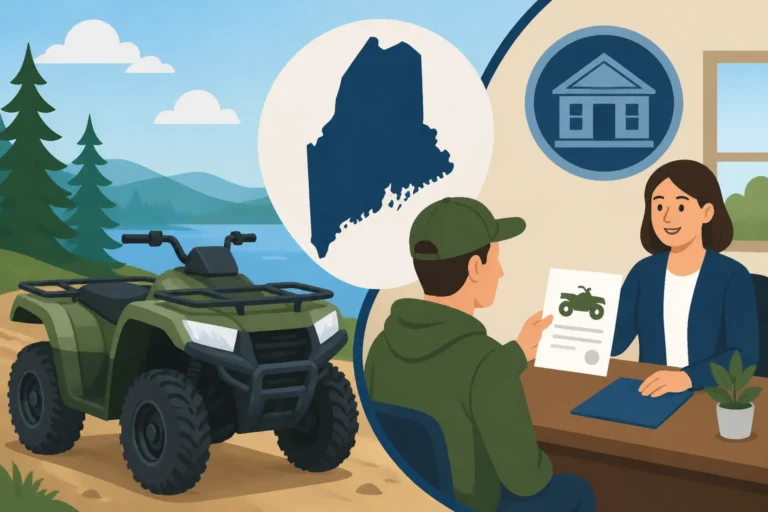
When you head down to your town office in Maine to get your ATV registered, the first thing they'll ask for, after proof of ownership, is that VIN. It's how the state identifies your machine in their database. Without a valid VIN, you simply cannot get your registration sticker. It's also paramount when you're buying or selling a used ATV. A clear, accurate VIN on the bill of sale protects both the buyer and the seller. If you're using a template from a service like LawDepot for your bill of sale, you'll see a prominent spot for the VIN because it's that fundamental. [Maine ATV Bill of Sale: What to Include] covers more on this. For insurance, it's how your provider identifies the specific asset they're covering. And should your machine ever need a major repair under warranty, the VIN is how the dealer confirms its eligibility and parts compatibility.
Protecting Against Theft and Proving Ownership
Beyond the administrative side, the VIN is a critical tool in combating ATV theft. When a machine is reported stolen, its VIN is entered into national databases. Law enforcement uses this number to track and identify stolen vehicles. If you purchase an ATV, you should always [How to Check If a Used ATV Is Stolen] by running its VIN. It's also your ultimate proof of ownership. Should there ever be a dispute, or if you simply lose other paperwork, the VIN stamped on the frame is the undeniable link between you and your Polaris Sportsman. If you ever have a situation where you're trying to prove ownership without a clear paper trail, the VIN is your best friend. [Proof of Ownership for a Maine ATV Registration] delves deeper into these scenarios.
The Primary Spots to Check for Your Polaris Sportsman VIN
Alright, let's get down to business. You've grabbed a flashlight, maybe a rag, and you're ready to hunt. Polaris, like most manufacturers, tends to stick to a few common locations for stamping the VIN. However, slight variations can occur depending on the specific model year and series of your Sportsman. Don't worry, we'll cover the most likely candidates.
The Frame Rail: Your First Stop
For the vast majority of Polaris Sportsman models, your absolute best bet for finding the VIN is on the left-hand side of the frame rail. When you're sitting on the ATV, this means the frame on your left side.
- Look Low and Forward: Often, it's stamped into the frame near the front left wheel well, sometimes even slightly behind it, closer to the footwell area. You'll want to get down on your hands and knees, or even lie down, and really look along the main frame tube.
- Clean the Area: These areas are magnets for mud, dirt, and debris. Before you despair, grab a stiff brush or a rag and some cleaner (even just soapy water) and thoroughly clean the frame in that general vicinity. A layer of caked-on mud can easily obscure the stamping.
- Shine a Light at an Angle: Sometimes, the stamping isn't deep, and direct light can actually make it harder to see. Try shining your flashlight across the frame at an angle. The shadows cast by the indentations often make the characters pop out.
You're looking for a series of 17 characters, a mix of letters and numbers, typically about an inch or so tall. It won't be a sticker; it will be physically stamped into the metal of the frame.
Other Common Locations on the Chassis
While the front left frame rail is the most common spot, Polaris has been known to use other locations, especially on older models or different Sportsman sub-variants. If the primary spot yields nothing, don't give up!
- Near the Front Suspension A-Arm Mounts: Sometimes, the VIN can be found stamped on a cross-member or a more robust part of the frame structure, often in the vicinity where the front A-arms (the suspension components) attach to the frame. Again, focus on the left side of the vehicle first.
- Under the Seat (Less Common for Sportsman, More for UTVs): While less typical for Sportsman ATVs, some manufacturers place a secondary VIN sticker or plate under the seat. It's worth a quick check, especially on newer models, but remember we're looking for a stamped VIN on the frame primarily. [Maine UTV Registration and How It Differs] might touch on some of these other locations.
- The Steering Neck/Head Tube: On some older ATVs (and motorcycles), the VIN is stamped on the steering neck or head tube, where the handlebars connect to the frame. This is a rarer spot for a modern Polaris Sportsman, but if you're truly stumped, it's another place to investigate.
Where Polaris Generally Puts Them (Model Year Variations)
It's important to remember that manufacturers occasionally tweak design elements, including VIN placement. A 2005 Sportsman 500 might have it in a slightly different spot than a 2020 Sportsman 850.
Generally, Polaris has been consistent with the front left frame rail placement for decades on their Sportsman line because it's robust, relatively protected, and accessible enough for inspections. However, if you have a very specific year or a less common Sportsman variant (like a special edition or a specific utility model), it's always a good idea to cross-reference with your owner's manual if you still have it. The manual is often overlooked but contains a wealth of specific information about your machine.
What to Do If the VIN is Hard to Find or Illegible
Okay, you've looked, you've scrubbed, you've shined your light, and still, you're struggling. This happens more often than you'd think, especially with machines that have seen a lot of trail time, mud, or even a bit of rust. Don't throw in the towel just yet! There are a few more tricks up your sleeve.
Cleaning and Lighting Techniques
Sometimes, it's not that the VIN isn't there, but that it's just really, really well hidden by years of grime or a poor angle.
- Beyond Soap and Water: If standard cleaning isn't cutting it, consider using a non-abrasive degreaser. Make sure you're working in a well-ventilated area and wearing gloves. Let the degreaser sit for a few minutes to break down stubborn grease and mud before scrubbing again.
- Wire Brush (Carefully!): For light surface rust or extremely caked-on dirt, a small, soft wire brush (like a brass brush) can help. Be very gentle and don't scrub aggressively, as you don't want to damage the stamped numbers themselves. The goal is to remove the obstruction, not to scratch the metal deeper.
- Chalk or Pencil Rubbing: This is an old trick often used by car enthusiasts. Once the area is as clean as possible, try rubbing white chalk or the side of a pencil lead over the stamped area. The chalk or graphite will settle into the indentations, making the numbers much more visible against the frame.
- Vary Your Light Source: Experiment with different types of light. A bright LED flashlight held directly might blind you to the numbers, but a softer work light or even natural daylight might reveal them. Try holding the light at extreme angles, almost parallel to the frame surface, to catch the shadows within the stamping.
Consulting Your Owner's Manual and Polaris Resources
As mentioned, your owner's manual is an invaluable resource. It often has a dedicated section for "Vehicle Identification Number" which will specifically tell you where it's located on your model.
- Digital Manuals: If you don't have a physical copy, many manufacturers, including Polaris, offer digital versions of their owner's manuals online for free. You'll usually need to know your exact model year and series (e.g., 2018 Sportsman 570 SP).
- Polaris Dealer: If all else fails, a certified Polaris dealer might be able to help. They deal with these machines all the time and know the common VIN locations for various models. They might even have specialized tools or experience to help locate it. This can be particularly useful if you're dealing with a very old or unusual model.
- Online Forums/Communities: The power of the internet! Polaris Sportsman forums are full of experienced owners. A quick search for "Polaris Sportsman VIN location [your model year]" might turn up specific photos or advice from someone who's had the exact same challenge.
When to Seek Professional Help
If, despite all your efforts, the VIN is completely unreadable or seemingly missing, it becomes a more serious issue. [Buying an ATV With a Missing VIN Plate] or an unreadable VIN can lead to significant problems.
- Maine Warden Service or State Police Inspection: In Maine, if you have a machine with an illegible or questionable VIN, you might need a law enforcement officer to inspect it. They have procedures for verifying vehicle identity and can advise on next steps. This is particularly relevant if you're trying to [Registering a Maine ATV for a Machine Without Paperwork].
- Manufacturer Assistance: In very rare cases, if the VIN plate or stamping is truly defective or missing due to a manufacturing error (highly unlikely for the frame stamping), the manufacturer might be able to assist, though this is usually for newer machines.
- Specialized Shops: Some powersports shops that deal with inspections or restorations might have experience with these tricky situations and could offer advice or assistance.
Recording and Verifying Your Polaris Sportsman VIN
Once you've triumphantly located and deciphered that elusive VIN, your job isn't quite done. Accuracy and proper record-keeping are paramount to avoid future headaches.
Why Accuracy Matters for Legal Documents
It might seem obvious, but transcribing the VIN correctly is critical. A single transposed digit or letter can render your registration, bill of sale, or insurance documents invalid. For example, if you write down an 'S' instead of a '5', or a 'B' instead of an '8', that document no longer accurately identifies your specific machine.
- Double-Check Everything: When you write down the VIN for your registration application or when completing a bill of sale (perhaps using a trusted template from LawDepot), take the extra minute to compare what you've written with the actual stamping on the frame. Read it aloud, then check it again.
- Photographic Evidence: Once you've found the VIN, take a clear photo of it with your phone. This serves as an excellent backup record and can be helpful if you ever need to refer to it quickly without crawling under your ATV. Store this photo in a safe place, maybe even email it to yourself or save it to a cloud service.
Cross-Referencing With Existing Paperwork
If you're registering a machine you've owned for a while, or one you just purchased, you likely have other documents that should list the VIN.
- Original Bill of Sale/Purchase Agreement: Compare the VIN on the frame with the VIN listed on your original bill of sale from the dealer or private seller.
- Prior Registration or Title (if applicable): While Maine doesn't title ATVs, if you bought it from out-of-state, there might have been a title document that lists the VIN. Your previous registration certificate will also have it. This cross-referencing helps ensure consistency across all your records.
- Insurance Documents: Your ATV insurance policy will definitely have the VIN listed. Make sure it matches the frame stamping exactly.
This verification process is a crucial step to ensure everything is in order. It's also a key part of [VIN Verification Before Registering in Maine], a process that can save you a lot of time and potential hassle at the town office. By being meticulous now, you're setting yourself up for smooth sailing on the trails and with all your official paperwork.
Disclaimer
This article is for general informational purposes only and does not constitute professional advice. Laws, prices and regulations vary by location and change over time. Consult a qualified professional for guidance on your specific situation.