VIN Verification Before Registering in Maine
You’ve just found the perfect ATV or UTV, maybe a screaming deal from out of state, or perhaps a beloved machine from a family friend that hasn’t seen a trail in years. You’re excited to hit the trails, but then comes the often-dreaded moment: registration. Sometimes, the process isn't as simple as handing over a bill of sale. If there's any question about your machine's identity, Maine might ask for a VIN verification, and understanding this crucial step can save you a world of headaches. This guide will walk you through why it happens, when to expect it, and exactly what you need to do to get your ATV or UTV ready for Maine's incredible trail system.
Why VIN Verification is a Critical Step in Maine
Let's be real, nobody wants extra hoops to jump through, especially when all you can think about is the smell of pine and the thrill of the ride. But VIN verification isn't just bureaucracy for the sake of it; it's a really important safeguard for you, the seller, and the entire ATV/UTV community here in Maine. Think of it as protecting your investment and ensuring everyone on the trails is operating legitimately.
Preventing Theft and Fraud
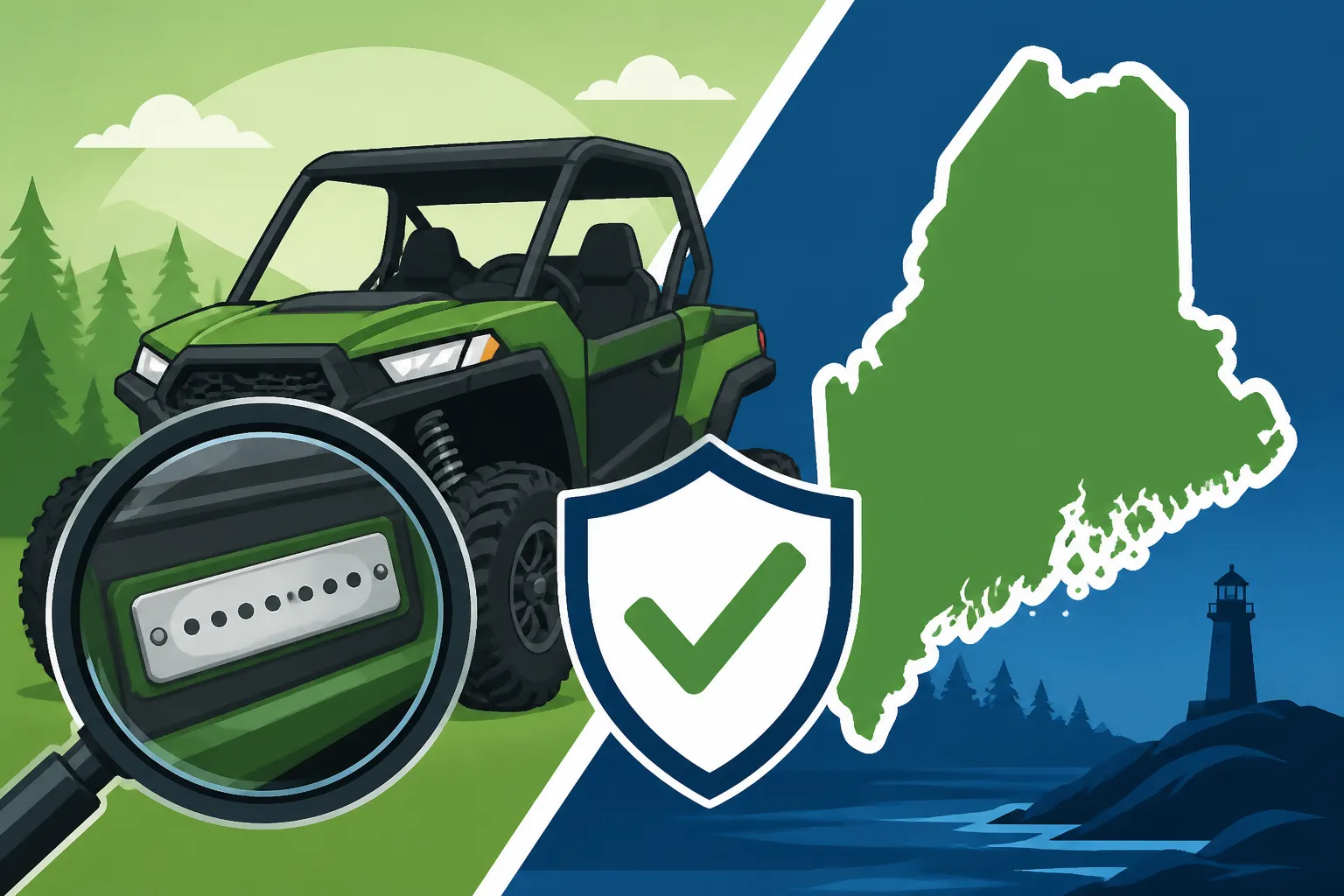
Imagine buying a machine, riding it for a season, and then discovering it was reported stolen years ago. The thought alone is enough to make any rider's stomach drop. That's why VIN verification exists. The Vehicle Identification Number is essentially the unique fingerprint of your ATV or UTV. Every machine has one, and it's designed to be unique, telling a story about its manufacturer, model year, and serial number. When a law enforcement officer or authorized agent performs a VIN verification, they're not just looking at the number; they're checking to see if it's been tampered with, altered, or replaced illegally. This process helps deter the sale of stolen machines and protects unsuspecting buyers like you from getting caught up in a fraudulent transaction. It’s a peace-of-mind check that your shiny new (to you) quad isn’t someone else’s missing property.
Ensuring Machine Identity and Compliance
Sometimes, it's not about theft, but simply about accurately identifying a machine. Maybe the original paperwork is long gone, faded, or never existed in the first place, such as with some very old or custom-built machines. Or perhaps the VIN plate itself is damaged, corroded, or missing. In these cases, the state needs to be absolutely sure that the machine being registered matches what's on any existing records, or to establish a new, legitimate record for it. This verification process confirms the machine's true identity, its make, model, and year, which is crucial for things like safety recalls, proper registration categories, and even insurance purposes down the line. It ensures that the machine you're about to register is what it claims to be, preventing misclassification and ensuring it meets any applicable regulatory standards for Maine trails.
Maine's Regulatory Framework and Your Peace of Mind
Maine, like many states, has specific regulations surrounding the registration of ATVs and UTVs. These rules are in place to ensure public safety, manage our trail systems effectively, and protect the interests of landowners who generously allow access. When the state asks for VIN verification, it's often because a particular circumstance triggers a flag in their system, indicating that an extra layer of scrutiny is needed. This might involve machines from states with different titling or registration requirements, or those with unusual ownership histories. By having a clear, verified VIN, you're not just complying with Maine law; you're also setting yourself up for smoother sailing throughout your ownership. You won't have to worry about future questions or challenges regarding your machine's legitimacy when you're out on a ride and a Maine Warden performs a routine check.
When Maine Might Ask for VIN Verification
It would be a lot simpler if every registration was a cut-and-dry affair, but the reality of buying and selling used ATVs and UTVs means there are often twists and turns. While many registrations go through without a hitch, there are several specific scenarios where Maine's Bureau of Parks and Lands, or your local town office, might ask for a VIN verification before they'll issue you that coveted registration sticker. Knowing these situations upfront can save you a trip or two to the counter.
Out-of-State Purchases or Imported Machines
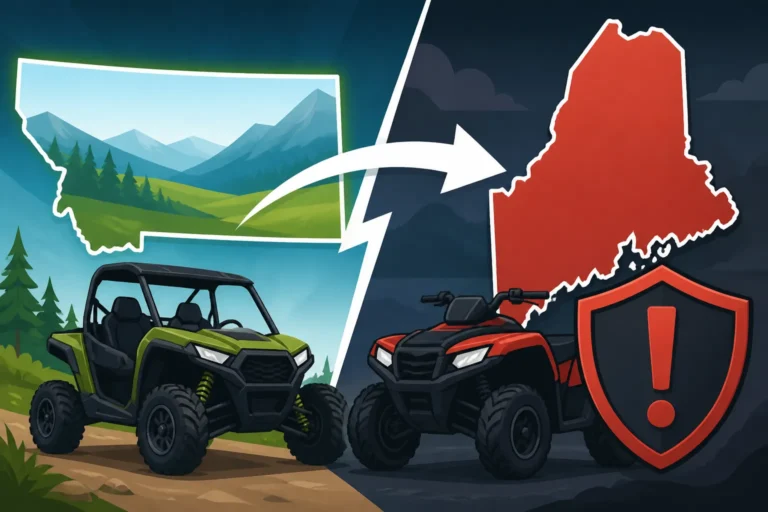
This is one of the most common triggers for a VIN verification request. If you've just bought an ATV or UTV from a private seller or dealer in another state, or perhaps you've imported one from Canada, Maine wants to ensure that the VIN on the machine matches the paperwork you're presenting. Different states have different rules about titling, registration, and even sales tax. For instance, some states don't title ATVs at all, meaning you might just have a bill of sale as proof of ownership. This variance in documentation can raise questions. A VIN verification helps bridge that gap, confirming the machine's identity and status before it enters Maine's registration system. It's especially important for machines coming from provinces like Quebec or New Brunswick, where their trail permit systems differ from ours. If you're bringing a Massachusetts ATV to Maine trails, for example, be prepared for this possibility.
Missing or Altered VIN Plates
This is usually where the biggest red flags go up. If your ATV or UTV has a VIN plate that appears damaged, has been obviously tampered with, is missing entirely, or is illegible due to rust or wear, Maine will almost certainly require a VIN verification. This is a critical step in preventing the registration of stolen machines or those with suspicious histories. An altered VIN can indicate a "chop shop" operation or an attempt to obscure a machine's true origin. A missing VIN, while sometimes a legitimate issue on older machines, always warrants closer inspection. The verifier will often try to find secondary VINs stamped on the frame elsewhere, or work with you to establish the machine's identity through other means. This is a situation where careful documentation, perhaps from a previous owner, becomes incredibly important. You might need to bring additional [Proof of Ownership for a Maine ATV Registration] if this is the case.
Machines Without Prior Registration History
Sometimes you stumble upon a true gem – an older ATV that's been sitting in a barn for decades, a custom-built UTV, or a machine that was only ever used on private land and never registered. While exciting, these machines present a challenge for registration because they lack a digital footprint in any state's system. Maine needs a way to officially identify and record these machines for the first time. This is where VIN verification steps in. A law enforcement officer or designated agent will physically inspect the machine, verify the VIN, and confirm its characteristics. This creates the baseline record for your machine, allowing you to finally register it and get it out on the trails legally. This scenario is particularly common when dealing with [Buying an ATV With No Registration History] or if you're trying to register a machine that previously fit one of the [Maine ATV Registration Exemptions], such as for farm use, but now you want to ride it recreationally.
Rebuilt or Heavily Modified Machines
Another scenario that often triggers a VIN verification is when you're trying to register an ATV or UTV that has undergone significant modifications or has been rebuilt. This could include something as major as an [Registering a Machine After an Engine Swap] or a complete frame-up rebuild after an accident. When key components that bear identification numbers have been replaced, or if the machine's original configuration has been drastically altered, the state needs to ensure that the new combination of parts still results in a safe and identifiable vehicle. The verification process will confirm that the primary VIN remains intact and matches the documentation, and that the machine, in its current form, can be legally registered for use on Maine's trails.
How to Get a VIN Verification Done in Maine
So, you've realized you need a VIN verification. Don't panic! While it adds an extra step, it's a manageable process. The key is knowing who can perform the verification and what information you'll need to have ready. Being prepared will make this part of your registration journey much smoother.
Who Can Perform a Verification
In Maine, VIN verifications for ATVs and UTVs are typically performed by law enforcement officials. This means you might need to contact your local Sheriff's Department, State Police barracks, or in some towns, the municipal police department. Not just anyone can do it; it needs to be an authorized individual who understands the process and knows what to look for.
Sometimes, a designated agent from a specialized state agency might also be able to perform these verifications, especially in more complex cases involving salvaged or rebuilt machines. It's always a good idea to call your local town office first to ask about their specific requirements and who they recommend for VIN verification in your area. They might have a specific officer or contact they work with regularly, or they might point you directly to the Maine State Police troop closest to you. Just be aware that law enforcement agencies are busy, so you'll usually need to schedule an appointment or arrange for an officer to come to your location if the machine isn't easily transportable.
What the Verification Process Looks Like
When the officer arrives, or when you bring your machine in, they will perform a physical inspection of your ATV or UTV. This isn't a deep mechanical inspection; rather, their primary focus will be on the VIN itself. They will:
- Locate the VIN: They'll find the primary VIN, usually stamped on the frame (often near the front wheel well, steering column, or under the seat). Knowing [Where the VIN Is Stamped on a Quad] beforehand can certainly help them.
- Inspect the VIN: They'll carefully examine the numbers and letters to ensure they haven't been altered, ground down, or restamped. They'll look for any signs of tampering, such as inconsistent font, spacing, or alignment.
- Cross-Reference: They'll compare the VIN on the machine to any ownership documents you provide, such as a bill of sale or prior registration.
- Check for Secondary VINs: On some machines, there might be additional VINs stamped in other locations. The officer may check these to further confirm the machine's identity.
- Complete Documentation: Once satisfied, the officer will fill out a specific form provided by the state, confirming that the VIN on the machine matches the paperwork (or establishing a new record if needed) and that there are no signs of tampering. This form is your official VIN verification.
This whole process usually doesn't take very long, maybe 15-30 minutes, depending on the machine and the officer's familiarity with ATVs/UTVs.
Required Documents for Verification
To make the VIN verification go smoothly, you'll need to have certain documents ready for the officer. Being organized ensures there are no delays. Here’s a rundown of what you’ll likely need:
- Proof of Ownership: This is paramount. Bring your original Bill of Sale (even a simple one from LawDepot or a similar service can work, as long as it's correctly filled out), any previous registration cards, or a title if the machine ever had one. If you're dealing with [Maine ATV Registration for a Machine Without Paperwork], bring whatever historical information you have, even if it's just a signed statement from the previous owner.
- Your Photo ID: The officer will need to confirm your identity as the person requesting the verification.
- Any Existing Registration Documents: If the machine was previously registered in another state or province, bring those documents. Even expired ones can be helpful.
- Verification Form (if provided by your town): Sometimes your town office might give you a specific form to have the officer complete. If so, bring that with you. Otherwise, the officer will likely have their own standard form.
Having these documents neatly organized and readily available will make the officer's job easier and ensure your verification is completed without a hitch. Remember, clarity and transparency are your best friends here.
What Happens After a Successful VIN Verification
Alright, you've jumped through the hoops, the officer has signed off on the VIN verification form, and you've got that official piece of paper in your hand. What's next? This is the exciting part – the final stretch before you can legally hit those Maine trails! Understanding these last steps will ensure your hard work pays off with a shiny new registration sticker.
Taking Your Verified VIN to the Town Office
With your official VIN verification form in hand, you're now ready to head back to your local [Maine Town Offices That Register ATVs] or the Bureau of Parks and Lands office. This verification document is the crucial piece of paper that addresses any initial concerns about your machine's identity.
When you arrive at the counter, present your VIN verification form along with all the other necessary documents for registration. This typically includes:
- Your Bill of Sale: This is your core proof that you legitimately purchased the ATV or UTV. Make sure it's complete and clearly identifies the machine by its VIN. If you're using a template from a service like LawDepot, ensure all fields are filled accurately.
- Proof of Maine Residency: A Maine driver's license or state ID card is usually sufficient.
- Payment for Registration Fees: You'll need to cover the [Maine Resident ATV Registration Fee] or the [Maine Non-Resident Annual ATV Registration Cost], along with any agent fees.
- Sales Tax Payment: If you just purchased the machine, you'll pay [Maine Sales Tax on an ATV Purchase] at the time of registration unless you've already paid it or are exempt. This is also when you'd pay [Use Tax When You Bring an ATV Into Maine] if you bought it out of state.
The clerk will process your paperwork, inputting the verified VIN into the state's system. Assuming everything is in order, they'll issue you your new registration and temporary riding permit on the spot!
Potential Issues and How to Resolve Them
While a successful VIN verification usually clears the path, sometimes unexpected issues can still arise. It's rare, but it happens.
- VIN Still Raises a Flag: In very rare cases, even after verification, the VIN might trigger an alert in the state's system (perhaps due to an old, unresolved theft report from decades ago that wasn't immediately apparent). If this happens, the clerk will inform you, and you'll likely need to work with the Bureau of Parks and Lands directly to resolve the discrepancy. This might involve additional research into the machine's history.
- Paperwork Discrepancies: Ensure that the VIN on your bill of sale and other documents exactly matches the verified VIN. Any minor typo can cause a hold-up. Double-check everything before you even get to the counter. If there's a discrepancy, you might need to go back to the seller for a corrected bill of sale, or at least an affidavit explaining the error. Using a reputable template from a service like LawDepot can help prevent these kinds of simple errors.
- Missing or Incomplete Documents: Forgetting a key document, like your proof of residency or the previous owner's contact information, can also halt the process. Always have a checklist and double-check before you leave home.
The best way to resolve any issues is to remain calm, cooperative, and persistent. The town clerks are there to help you, but they operate within state guidelines. They can often tell you exactly what additional information or steps are needed.
Keeping Your VIN Records Safe for Future Sales
Once your ATV or UTV is registered, and you're enjoying the trails, don't just toss those important documents into a drawer and forget about them. The VIN verification form, along with your bill of sale and current registration, are vital pieces of your machine's history.
- Organize and Store: Keep all original documents – the VIN verification form, bill of sale, and any titles – in a safe, secure place. A fireproof safe or a digital scan backed up to a cloud service is ideal. You might carry a copy of your registration with you when you ride, but the originals should be kept secure at home. [Do You Carry Registration Papers While Riding?] is a common question, and a copy is usually sufficient.
- Future Sales: When the day comes to sell your ATV or UTV, having a clear, verifiable chain of ownership, including that VIN verification, will make the sale much smoother. Buyers appreciate knowing a machine's history is clean and above board. It shows you're a responsible owner and can command confidence in your asking price. A solid bill of sale is critical when [Selling an ATV in Maine: What You Sign], and the verified VIN will be a key part of that document. It makes your machine more marketable and helps ensure the next owner doesn't face the same verification hurdles you did.
By taking the time to understand and properly execute the VIN verification process, you're not just complying with Maine law; you're protecting yourself and ensuring your ATV or UTV can be enjoyed on our beautiful trails for years to come.
Disclaimer
This article is for general informational purposes only and does not constitute professional advice. Laws, prices and regulations vary by location and change over time. Consult a qualified professional for guidance on your specific situation.