What a Maine ATV Registration Costs
Trying to figure out exactly what it's going to cost you to get your ATV or UTV legally registered in Maine can feel like trying to hit a moving target sometimes. Between different options for residents and non-residents, potential additional fees, and understanding the state's unique system, it's easy to get overwhelmed. This comprehensive guide is designed to cut through the confusion and give you a crystal-clear understanding of all the potential costs involved in registering your off-road machine in the Pine Tree State.
Breaking Down the Maine ATV Registration Fee Structure
When you’re looking to hit the trails in Maine on your ATV or UTV, one of the first things you need to sort out is registration. And, naturally, a big part of that is understanding the cost. It’s not just a flat fee for everyone; Maine has a structured system that differentiates based on your residency, how long you plan to ride, and even how you acquire your machine. Getting a handle on these different layers is crucial for budgeting your off-road adventures properly.
Resident vs. Non-Resident Costs
Right off the bat, Maine distinguishes between its own residents and visitors from away when it comes to ATV registration fees. This is a pretty common practice in states with significant outdoor recreation industries, and it helps to ensure that those who benefit most directly from the trail systems contribute appropriately to their maintenance and upkeep. Maine residents typically enjoy a more favorable rate for their annual registration. This makes sense, as residents are also contributing to the state's infrastructure and taxes year-round, which indirectly supports these recreational opportunities.
For non-residents, the fee is generally higher. This increased cost helps offset the fact that non-residents might be using Maine's extensive trail network without contributing to the state's tax base in the same way. It's an equitable way to spread the financial responsibility for keeping those thousands of miles of trails open and well-maintained. Don't worry, though; the price difference isn't usually astronomical, and it's certainly worth it for the incredible riding experiences Maine offers. Just be prepared for the sticker to reflect your out-of-state status.
Beyond the annual rate, non-residents also have the option of a shorter-term registration, usually a seven-day pass. This is a fantastic option if you're only planning a quick trip, say, a long weekend or a week-long vacation to explore a specific region like the Katahdin area or Aroostook County. It allows you to pay a reduced fee compared to the full annual non-resident rate, making it more economical for sporadic visits. We'll delve deeper into these options shortly, but for now, just know that your residency plays a significant role in the initial cost you'll face.
Understanding the Annual Registration Period
It's really important to grasp how Maine's ATV registration year works, especially when you're thinking about the costs. Unlike some states where your registration might be valid for 12 months from the date you purchase it, Maine operates on a fixed calendar. For ATVs, the registration period generally runs from January 1st through December 31st each year. This means that regardless of when you register your ATV during the year, your registration will expire on December 31st of that same year.
This fixed period has a direct impact on your perceived cost. If you register your ATV in January, you're getting a full year of trail access for the standard annual fee. However, if you decide to buy a machine and register it in, say, August or September, you'll still pay the full annual fee even though you're only getting a few months of riding out of that particular registration period. Maine does not typically pro-rate ATV registration fees. So, there isn't a discount for registering "mid-season" or late in the year.
This lack of pro-rating can sometimes catch new owners off guard, especially those used to systems that offer prorated rates. It's just something to be aware of and factor into your decision-making. If you're buying an ATV late in the fall, you might weigh whether it's worth registering for just a couple of months, or if you'd rather wait until the new year to get a fresh January-to-December registration. Keep this in mind when you're planning your purchase and first ride, as it directly impacts how much bang you get for your buck in any given calendar year.
Additional Fees and Charges You Might Encounter
While the state registration fee is the primary cost, it's certainly not always the only cost you might encounter when getting your ATV or UTV ready for the Maine trails. There are several other potential charges that can add to your overall expenditure, and it's good to be aware of these upfront so there are no surprises. Thinking about these peripheral costs will help you budget more accurately.
First up are agent fees. If you choose to register your ATV at a local [Maine Town Offices That Register ATVs], which is a very common and convenient option for many, the town office often charges a small service or agent fee on top of the state registration cost. This fee compensates the town for processing your paperwork, issuing your sticker, and handling the administrative work. It's usually a modest amount, but it's an extra line item on your receipt. This is part of [Maine ATV Registration Agent Fees] that you'll pay.
Then there’s the elephant in the room for many purchases: sales tax. If you’re buying a new or used ATV from a dealer, or even from a private seller, you’ll likely be subject to Maine sales tax. And if you’re bringing an ATV into Maine from another state where you didn’t pay sales tax (or paid less than Maine’s rate), you might owe a use tax. These taxes can add a significant chunk to the total cost, often more than the registration fee itself, depending on the machine's price. When you're dealing with a private sale, a clear and legally sound bill of sale is crucial for correctly calculating these taxes, and resources like LawDepot can help you draft a document that covers all the necessary details, minimizing any confusion later on. [Maine Sales Tax on an ATV Purchase] and [Use Tax When You Bring an ATV Into Maine] are definitely things to budget for.
Finally, while less common for ATV registration itself, sometimes there are minor administrative fees for things like replacing a lost registration card or a damaged decal. These aren't usually very expensive, but if you're prone to misplacing things or if your sticker takes a beating on the trail, it's a potential small cost to factor in. Overall, while the state registration fee is the core expense, these additional fees can accumulate, so it's always wise to ask about all potential charges when you're going through the registration process.
Resident ATV Registration: What to Expect
For those of us lucky enough to call Maine home, registering an ATV is a fairly straightforward process, and the costs are designed to be accessible while still contributing to the maintenance of our fantastic trail network. Understanding the specific fee for residents and the various ways to complete your registration can help streamline the process and make sure you're ready to ride with minimal fuss.
The Standard Resident Fee
As a Maine resident, you'll typically pay a standard, set fee for your annual ATV registration. This amount is generally lower than what non-residents pay, reflecting your ongoing contribution to the state through other means. While I can't give you exact numbers, know that this fee is a fundamental part of the system that keeps Maine's vast network of ATV and UTV trails in excellent condition. These funds are vital for everything from maintaining bridges and culverts to clearing brush and posting signage, ensuring that riders have safe and enjoyable access to thousands of miles of pathways.
Think of this fee not just as a permit, but as your direct investment in the future of Maine's outdoor recreation. When you see a well-maintained trail, a newly repaired bog bridge, or clear trail markers, a portion of that resident registration fee is likely at work. Local ATV clubs, often staffed by dedicated volunteers, receive grant funding derived from these registration fees to perform much of this critical work. So, while it's a required cost, it's also a direct contribution to preserving and enhancing the very trails you love to ride.
It's important to note that for standard recreational use, there typically aren't many "discounts" or special rates for the average resident beyond the base fee itself. However, there are specific exemptions for certain types of use, such as for farming or woodlot activities, which we'll discuss later. For the most part, if you're planning to explore Maine's trails for fun and adventure, anticipate paying the standard resident annual registration fee each year.
Registering Your ATV at a Maine Town Office
One of the most popular and often easiest ways for Maine residents to register their ATV is by visiting their local town office. This method offers a personal touch and the immediate satisfaction of walking out with your registration and decal in hand, ready to hit the trails. When you head to your town office, you'll want to be prepared with all the necessary documentation. This usually includes proof of ownership, such as a bill of sale or previous registration, and identification. The town clerk will guide you through the process, which is generally quick and efficient.
Keep in mind that while the convenience is great, most town offices will charge a small agent fee on top of the state registration cost. This fee is distinct from the state's portion and helps cover the town's administrative expenses for providing this service. It’s usually a nominal amount, but it’s an extra cost to factor in. For example, if the state fee is X dollars, the town office might add a Y dollar processing fee, making your total slightly higher than if you registered directly with the state online (which typically has its own, usually smaller, processing fee). Being prepared for [Maine ATV Registration Agent Fees] helps you avoid any surprises at the counter.
When you go, town clerks will often ask for specific information about your machine and your ownership. Knowing [What Maine Town Clerks Ask For at the Counter] ahead of time can make the process even smoother. You’ll need the ATV’s make, model, year, and its Vehicle Identification Number (VIN). They’ll also need your personal information, including your Maine street address. Most town offices accept various payment methods, from cash to checks, and many now accept credit or debit cards, though sometimes a small service fee might apply for card payments. It's always a good idea to call ahead or check your town's website for specific payment options and operating hours.
The Convenience of Online Resident Registration
For many Maine residents, the ultimate in convenience for ATV registration is doing it online through the Maine Department of Inland Fisheries & Wildlife (IF&W) portal. This option allows you to complete the entire process from the comfort of your home, any time of day or night, as long as you have an internet connection. It’s particularly appealing for renewals, but it's also an option for first-time registrations if you've already had your machine previously registered in your name or if it's a new purchase from a dealership that has handled the initial title/sales tax paperwork.
The cost for online registration is generally the state fee plus a small online processing fee. This processing fee is usually comparable to, or sometimes even less than, the agent fee charged by a town office. It's the trade-off for the ability to avoid a trip to the municipal building and complete everything electronically. You'll typically pay with a credit or debit card, and the system will provide you with a printable temporary registration that allows you to ride immediately. Your physical stickers and permanent card will then be mailed to you.
The IF&W website is designed to be user-friendly, guiding you step-by-step through the information needed. It’s a great option for those who prefer to manage their affairs digitally or who have busy schedules that don’t align with town office hours. Make sure you follow the [Maine IF&W Online Registration Walkthrough] closely to ensure all information is entered correctly. Just remember, while you can print a temporary registration for immediate riding, you'll still need to wait for your physical decals to arrive in the mail to properly affix them to your machine, so don't throw away that confirmation page until the real deal shows up!
Non-Resident ATV Registration Options and Their Costs
Maine is a massive draw for ATV and UTV enthusiasts from all over New England and beyond, thanks to its stunning landscapes and extensive trail networks. If you're visiting from out of state, understanding your registration options and their associated costs is paramount. Maine offers flexibility, but it's crucial to pick the right option for your trip to avoid overpaying or, worse, riding illegally.
Annual Non-Resident Registration: The Full Experience
For non-residents who plan on making multiple trips to Maine throughout the year, or for those who simply want the peace of mind of a full year's coverage, the annual non-resident registration is the way to go. This option typically carries a higher price tag than the resident annual fee, which, as we discussed, contributes to the overall upkeep of Maine’s trail systems for all users, regardless of where they call home. The annual registration is valid from January 1st to December 31st, just like the resident version, so the same considerations about registering mid-season apply.
The cost, while higher, offers unrestricted access to Maine’s incredible trail network for an entire calendar year. This means you can visit in the spring for mud season, come back in the summer for longer days on the trails, and return in the fall to experience the spectacular foliage rides without needing to re-register each time. It’s an investment that pays off in convenience and maximum riding opportunities. Many avid riders from Massachusetts, New Hampshire, and other neighboring states opt for this annual pass because they simply can't get enough of Maine's diverse terrain.
You can typically purchase an [Maine Non-Resident Annual ATV Registration] online through the IF&W website or in person at many local agents or town offices that handle registrations. When registering in person, remember to account for any additional agent fees that might be applied. For those who frequently visit different parts of Maine for their outdoor recreation, this annual registration often proves to be the most cost-effective and hassle-free choice in the long run.
The Seven-Day Non-Resident Registration: Short-Term Savings
If your plans for riding in Maine are more limited—perhaps just a single, week-long vacation or a special event—the seven-day non-resident ATV registration is an incredibly popular and cost-effective option. This short-term pass is designed specifically for visitors who won't be in the state long enough to justify the expense of a full annual registration. It allows you to enjoy Maine’s trails for seven consecutive days, providing excellent value for a shorter stay.
The cost for the seven-day pass is significantly less than the annual non-resident fee, making it an attractive choice for tourists and occasional riders. This option gives you full legal access to the trails for the specified period, ensuring you're compliant with state laws without a hefty financial commitment. It's perfect for that annual family trip to a sporting camp near Moosehead Lake or a group ride exploring the vast networks of Aroostook County.
You can often purchase the [Maine Non-Resident Seven-Day ATV Registration] online or at many of the same locations that offer annual registrations. Just be sure to specify that you're looking for the seven-day option. Remember, the seven days are consecutive from the start date you select, so plan your trip accordingly to maximize your riding time within that window. This flexibility makes Maine a welcoming destination for all kinds of ATV and UTV riders, no matter how long they plan to stay.
How Canadian and Other Out-of-State Riders Are Affected
When it comes to non-resident registration, Maine has a pretty straightforward approach for most visitors from other U.S. states: if you want to ride in Maine, you need a Maine registration. This means that if you're coming from New Hampshire, Vermont, New York, or any other state, your home state's ATV registration is not typically recognized in Maine. There's no broad reciprocity agreement with most other states, and this has been the case for some time now, after changes were made years ago. So, budgeting for a Maine non-resident registration is a must for almost all out-of-state visitors.
However, there is a notable exception that often comes up, especially for our neighbors to the north: Canada. Maine does have a special, limited agreement with New Brunswick and Quebec regarding ATV registrations. This is known as [Maine's Three-Day Agreement With New Brunswick and Quebec]. Under this specific arrangement, if you are a resident of New Brunswick or Quebec and your ATV is legally registered in your home province, you may be allowed to ride in Maine for up to three consecutive days without purchasing a separate Maine non-resident registration. This is a big deal for cross-border riders who just want to pop over for a quick ride.
It's absolutely critical to understand the precise terms of this three-day agreement. It applies specifically to ATVs legally registered in New Brunswick or Quebec and is for short visits. If your trip extends beyond three consecutive days, or if you're from any other Canadian province or U.S. state, you will need to purchase either a Maine 7-day or annual non-resident registration to legally ride on Maine's trails. Always double-check the latest regulations before you travel, as these agreements can change. The bottom line is, unless you fit that very specific Canadian three-day exception, plan on purchasing a Maine registration, as the penalties for riding an unregistered machine can be significant.
Beyond the Sticker: Other Costs Associated with ATV Ownership in Maine
While the registration fee gets your machine legal for the trails, owning an ATV or UTV in Maine involves several other financial considerations beyond that annual sticker. These are often one-time costs or ongoing expenses that can significantly impact your overall budget for the machine. Understanding these additional costs upfront is just as important as knowing the registration fee itself.
Sales Tax, Use Tax, and Paperwork Fees
When you first acquire an ATV or UTV in Maine, whether new or used, one of the most substantial additional costs you'll face is sales tax. Maine has a state sales tax rate that applies to most retail purchases, including vehicles. If you purchase your machine from a licensed dealer in Maine, they will collect this sales tax at the time of sale. This can add a significant amount to the purchase price, so don't just budget for the machine's sticker price; factor in that percentage for sales tax. For private sales, it's typically the buyer's responsibility to report and pay the sales tax to the state when they register the ATV. [Maine Sales Tax on an ATV Purchase] is a mandatory consideration.
Then there's the concept of "use tax." This comes into play if you purchase an ATV outside of Maine and then bring it into the state for use here. If you didn't pay sales tax in the state where you bought it, or if that state's sales tax rate was lower than Maine's, you'll owe the difference to Maine as a use tax. This prevents people from avoiding Maine sales tax by buying machines out-of-state. For example, if you bought a UTV in New Hampshire (which has no sales tax) and then brought it to your camp in Maine, you would owe Maine’s use tax on that purchase when you register it. Understanding [Use Tax When You Bring an ATV Into Maine] is crucial for out-of-state purchases.
Beyond taxes, when buying from a dealer, you might also encounter various "paperwork fees" or "documentation fees." These are charges for the dealer to handle the administrative work associated with your purchase, such as filing sales tax forms, preparing your bill of sale, and processing financing documents. While the specifics can vary by dealership, these are legitimate charges that contribute to your overall cost. If you're buying privately, drafting your own robust bill of sale is important, and services like LawDepot can provide customizable templates to ensure your [Maine ATV Bill of Sale: What to Include] covers all legal bases and protects your interests. These little fees can add up, so always ask for a complete breakdown of costs before you sign on the dotted line.
Insurance: Protecting Your Investment and Liability
While Maine doesn't universally mandate ATV insurance for all riders on its trails, it's a topic you absolutely should not overlook, and it's certainly a cost you should factor into your overall ownership budget. Think of it this way: your ATV is a significant investment, and like any vehicle, it's exposed to risks from accidents to theft. More importantly, riding carries inherent risks of injury to yourself, your passengers, or even other trail users, and damage to other people's property. This is where [Maine ATV Insurance and When You Need It] becomes critically important.
Many riders choose to carry liability insurance even when it's not legally required, simply for peace of mind. If you cause an accident and someone is injured or their property is damaged, without liability insurance, you could be personally responsible for those costs, which can be astronomical. Some trail systems or organized rides might also require proof of insurance, even if the state doesn't. Furthermore, if you finance your ATV purchase, the lender will almost certainly require you to carry comprehensive and collision insurance to protect their interest in the machine. So, while it's not always a state-mandated cost, it's a highly recommended one.
The actual cost of ATV insurance, or [Maine ATV Insurance Cost], can vary widely based on several factors: the type of machine (quad vs. side-by-side), its value, your riding habits, your claims history, and the coverage limits you choose. Generally, a higher-value machine or more extensive coverage will mean a higher premium. It’s always a good idea to shop around and get quotes from several insurance providers to find the best balance of coverage and cost. Don't skip this step; it's a small recurring cost that can save you from a massive financial burden down the road.
Safety Course Expenses for Young Riders
For families with younger riders, or anyone new to ATV operation in Maine, another potential cost to consider is the ATV safety course. Maine has specific regulations regarding age and training requirements for operating ATVs, particularly for those under a certain age. Generally, anyone between the ages of 10 and 16 must complete an approved ATV safety course to legally operate an ATV on Maine's trails and lands open to the public. While adults over 16 aren't legally required to take the course, it's highly recommended for all new riders to ensure they have the knowledge and skills for safe operation.
The [Maine ATV Safety Course Cost] is typically a modest fee, covering the instructor's time, materials, and administrative processing. These courses are offered by certified instructors across the state, often through local ATV clubs or community organizations. The courses cover essential topics such as safe riding practices, state laws and regulations, environmental concerns, and basic machine maintenance. It's an investment in safety that pays dividends in preventing accidents and promoting responsible riding.
While the cost itself is relatively small, the time commitment is also a factor. Courses typically involve several hours of classroom instruction and sometimes hands-on riding portions. For parents, coordinating schedules to ensure their children complete this mandatory training is an important part of getting them ready to ride. Once completed, the safety certificate doesn't typically expire, so it's a one-time cost that provides lifelong knowledge and legal compliance for young riders.
Understanding Exemptions and How They Affect Costs
While the vast majority of ATV and UTV riders in Maine will need to register their machines annually, there are specific circumstances under which an exemption from registration might apply. Understanding these exemptions is crucial, not just for legal compliance, but because they can directly impact the costs you incur. If you qualify for an exemption, it means you won't have to pay that annual registration fee.
Riding on Your Own Land
One of the most common and often misunderstood exemptions relates to riding on private property. Generally speaking, if you are operating your ATV or UTV exclusively on land that you own, you are usually exempt from the requirement to register that machine with the state. This is a significant point of [Maine Registration Exemption on Your Own Land], as it allows landowners to use their machines for personal property maintenance, recreation, or chores without incurring the annual registration fee.
However, this exemption comes with very specific limitations, and it's where many people can get into trouble. The exemption applies only if the machine never leaves your property. The moment your tires touch a public way (even just crossing a road to get to another section of your property), or you venture onto another person's land (even a friend's) without explicit permission and compliance, or you connect to a public trail system, that exemption typically evaporates. So, if your property is large and you have no intention of ever connecting to trails or public roads, this exemption is a direct cost-saver.
It's vital to be absolutely clear about your intentions and boundaries. Many rural properties in Maine border organized trail systems or public roads. If there's any chance you'll even briefly leave your own land, it's far safer and more responsible to get your machine registered. The fines for riding an unregistered ATV on public land or without permission on private land can quickly dwarf the cost of annual registration. So, while it’s a valid exemption, use it with a very clear understanding of its limits to avoid costly mistakes.
Farm and Woodlot Use
Maine recognizes the practical utility of ATVs and UTVs for agricultural and forestry operations, and as such, provides specific exemptions from registration for certain farm and woodlot uses. This is another area where costs can be saved if your machine's primary function falls within these defined categories. For farmers, using an ATV for tasks like checking fences, moving feed, or accessing remote fields can be essential, and the state often grants an exemption for these purposes. Similarly, for those managing private woodlots, an ATV might be used for cruising timber, hauling small amounts of firewood, or accessing logging roads.
The [Maine ATV Registration for Farm and Woodlot Use] exemption is not a blanket "I use it on a farm" pass. It typically comes with stipulations, such as that the machine must be used exclusively for agricultural or forestry purposes on property owned or leased by the operator, and it generally cannot be operated on public trails or public ways without registration. The intent is to provide relief for machines used as tools of trade, not for recreational riding that simply happens to occur on land also used for farming or forestry.
To qualify, you might need to prove the nature of your activities if ever questioned by law enforcement. It's about legitimate commercial or private land management use, not just a casual ride through the back forty. If your ATV serves a dual purpose—both farm work and occasional trail rides—you’ll almost certainly need to register it. But for those dedicated to specific agricultural or woodlot operations, this exemption provides a valuable cost saving on the annual registration fee, recognizing the machine as essential working equipment rather than purely recreational.
Other Niche Exemptions
Beyond personal land and farm/woodlot use, there are a few other, more niche exemptions from Maine ATV registration that can affect costs, though they apply to a much smaller segment of the ATV-owning population. These typically relate to governmental entities, certain commercial operations, or specific temporary situations. For instance, ATVs and UTVs owned and operated by state, county, or municipal governments (like those used by wardens, fire departments, or public works) are generally exempt from registration fees. These machines are deemed essential for public service and are not considered recreational.
Similarly, an ATV or UTV that is being used strictly for organized search and rescue operations, or for certain utility maintenance (like power line inspections on private easements), might also fall under an exemption. These are specialized uses where the machine is an emergency or utility tool. The criteria for these types of exemptions are often quite strict and are usually tied to official capacities or documented emergency responses. It’s not something the average recreational rider would ever qualify for, but it’s part of the comprehensive framework.
Another example involves machines used temporarily for very specific events or demonstrations, though these are often handled with special permits rather than outright exemptions from registration. For the vast majority of private ATV owners, these niche exemptions won't apply. However, it's good to be aware that the state does make these provisions, recognizing that not every ATV is purchased or used for the same purpose, and some machines serve critical non-recreational roles that shouldn't be burdened by standard registration costs. Always consult the official Maine IF&W regulations if you believe your situation might qualify for a less common exemption.
Navigating the Renewal Process and Its Costs
Once you've gone through the initial registration process and enjoyed a season (or several!) of riding Maine's trails, you'll inevitably face the annual renewal. This is a recurring cost, and understanding how it works, what to expect, and what happens if you let it lapse is just as important as knowing the initial registration fees. The renewal process is generally designed to be straightforward, but a few key points can help you stay compliant and avoid unnecessary penalties.
Annual Renewal Fees
The good news about renewing your Maine ATV registration is that the annual fee structure is generally consistent with what you paid for your initial registration. Whether you're a resident or a non-resident, and whether you opt for an annual or a seven-day non-resident pass, the renewal cost will typically be the same as the original fee for that specific registration type. There usually isn't a higher "late renewal" fee for the registration itself, although there are certainly penalties for riding without a current registration.
Maine's ATV registrations operate on a calendar year, meaning they expire on December 31st. This makes it easy to remember when to renew. You'll generally start seeing reminders from Maine IF&W in late fall, prompting you to renew for the upcoming year. This allows you to plan ahead and ensure your machine is legal from January 1st onward. Understanding [When a Maine ATV Registration Expires] is key to staying on top of things.
Renewing is often even simpler than the initial registration. Most riders choose to complete their [Renewing a Maine ATV Registration Online] through the IF&W website. It’s a quick process where you verify your information, pay the fee plus a small online processing charge, and print a temporary registration. Your new stickers and permanent card will then be mailed to you. You can also renew at many town offices or registration agents, again, factoring in any agent fees they might charge. Whichever method you choose, the primary cost will be the standard annual fee for your specific residency status.
What Happens If You Let Your Registration Lapse
Life happens, and sometimes, despite our best intentions, an ATV registration can lapse. Maybe you forgot the renewal date, or perhaps you didn't plan on riding for a while and then spontaneously decided to hit the trails. While there usually isn't a "late fee" for the registration itself when you eventually renew, letting your registration lapse and then operating your ATV is where the real costs can kick in. This is because riding an unregistered ATV on any public trail, public way, or private land without permission is a violation of Maine law, and it carries significant penalties.
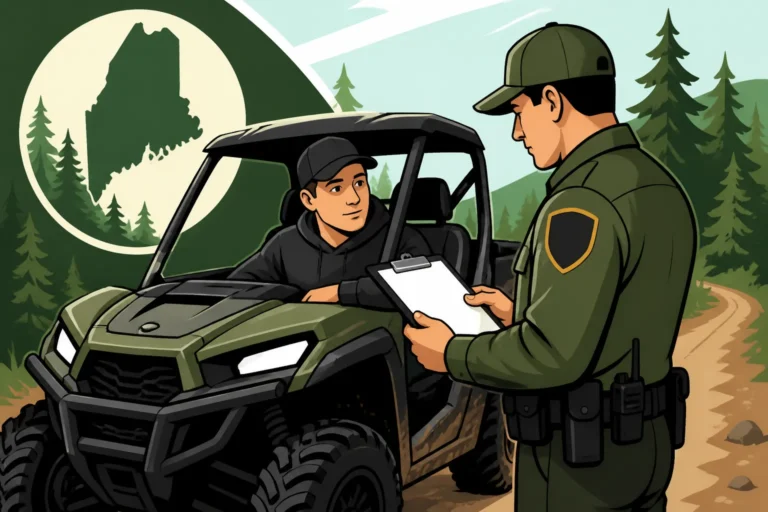
If you're caught by a Maine Warden operating an unregistered ATV, you could face substantial fines. These [Penalties for Riding an Unregistered ATV in Maine] are designed to deter illegal operation and ensure that all trail users are contributing to the system. A warden might also impound your machine in some circumstances, leading to additional costs for recovery and storage. These fines and potential impoundment fees will easily outweigh the cost of an annual registration.
The best advice is always to renew your registration promptly. If you realize your registration has expired, simply renew it before you head out on the trails. There's no shame in renewing a few weeks or months into the new year if you haven't been riding, but don't take the risk of riding an unregistered machine. The state simply wants you to pay the current annual fee; they're not typically looking to add penalties to the renewal itself, but they will absolutely issue citations for illegal operation.
Replacing Lost or Damaged Registrations or Decals
It's an unfortunate reality that sometimes things get lost or damaged. Whether your registration card slips out of your pocket on a bumpy ride, or your decal peels off after a harsh winter, you might find yourself needing to replace parts of your registration. The good news is that replacing these items typically incurs a much smaller administrative fee compared to the full annual registration cost.
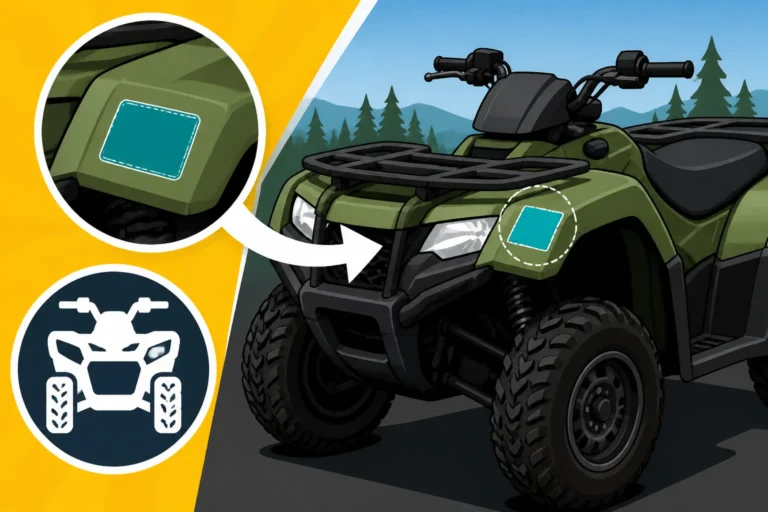
If you lose your physical registration card, you can usually request a duplicate through the Maine IF&W online system or by visiting a registration agent. There will be a modest processing fee for this. This ensures you always have proof of registration with you while riding, which is a requirement. Similarly, if your actual registration decal (the sticker you apply to your ATV) becomes damaged, unreadable, or lost, you'll need to obtain a replacement. The process is similar, involving a small fee to cover the cost of issuing and mailing a new decal. Understanding the procedure for [Replacing a Lost ATV Registration] can save you headaches on the trail.
These replacement fees are designed to cover the administrative overhead of reissuing official documents and decals, not to penalize you heavily. It's a quick and relatively inexpensive fix compared to the cost of purchasing an entirely new registration or facing a fine for not having proper documentation. Always make sure your registration card is easily accessible (but secure!) and that your decal is affixed correctly and remains visible on your ATV to avoid any issues during a trailside check by a Maine Warden.
Table: Maine ATV Registration Cost Overview (Non-Specific Rates)
To help visualize the different cost structures we've discussed, here's a general overview. Remember, these are descriptive categories, as specific monetary values are not provided here. Please check the official Maine IF&W website or your local town office for current rates.
| Registration Type | Residency Required | Typical Cost Relation (Relative) | Duration | Key Use Case |
|---|---|---|---|---|
| Resident Annual ATV Registration | Maine Resident | Lower Standard Rate | Jan 1 – Dec 31 | Full year of recreational riding for Maine residents |
| Non-Resident Annual ATV Registration | Any Other State/Country | Higher Standard Rate | Jan 1 – Dec 31 | Multiple trips or extended stays for non-residents |
| Non-Resident Seven-Day ATV Registration | Any Other State/Country | Lower Short-Term Rate | 7 Consecutive Days | Short visits, specific events, week-long vacations |
| Replacement Registration Card | N/A | Very Small Administrative Fee | N/A | Lost or damaged proof of existing registration |
| Replacement Decal (Sticker) | N/A | Very Small Administrative Fee | N/A | Damaged or lost physical sticker |
| Agent/Processing Fees | N/A | Small Surcharge (variable) | One-Time | Convenience fee for in-person or online services |
| Sales/Use Tax | N/A | Percentage of Purchase Price | One-Time | Tax on ATV purchase price (new or used) |
| ATV Safety Course | Under 16 | Modest One-Time Fee | One-Time | Mandatory for young riders, recommended for new adults |
| Insurance Premiums | N/A | Variable (Annual/Monthly) | Ongoing | Protects investment and covers liability |
Please note that exemptions for farm/woodlot use or riding solely on one's own land mean no registration cost is incurred, provided all specific exemption criteria are met.
Disclaimer
This article is for general informational purposes only and does not constitute professional advice. Laws, prices and regulations vary by location and change over time. Consult a qualified professional for guidance on your specific situation.