Buying an ATV With a Missing VIN Plate
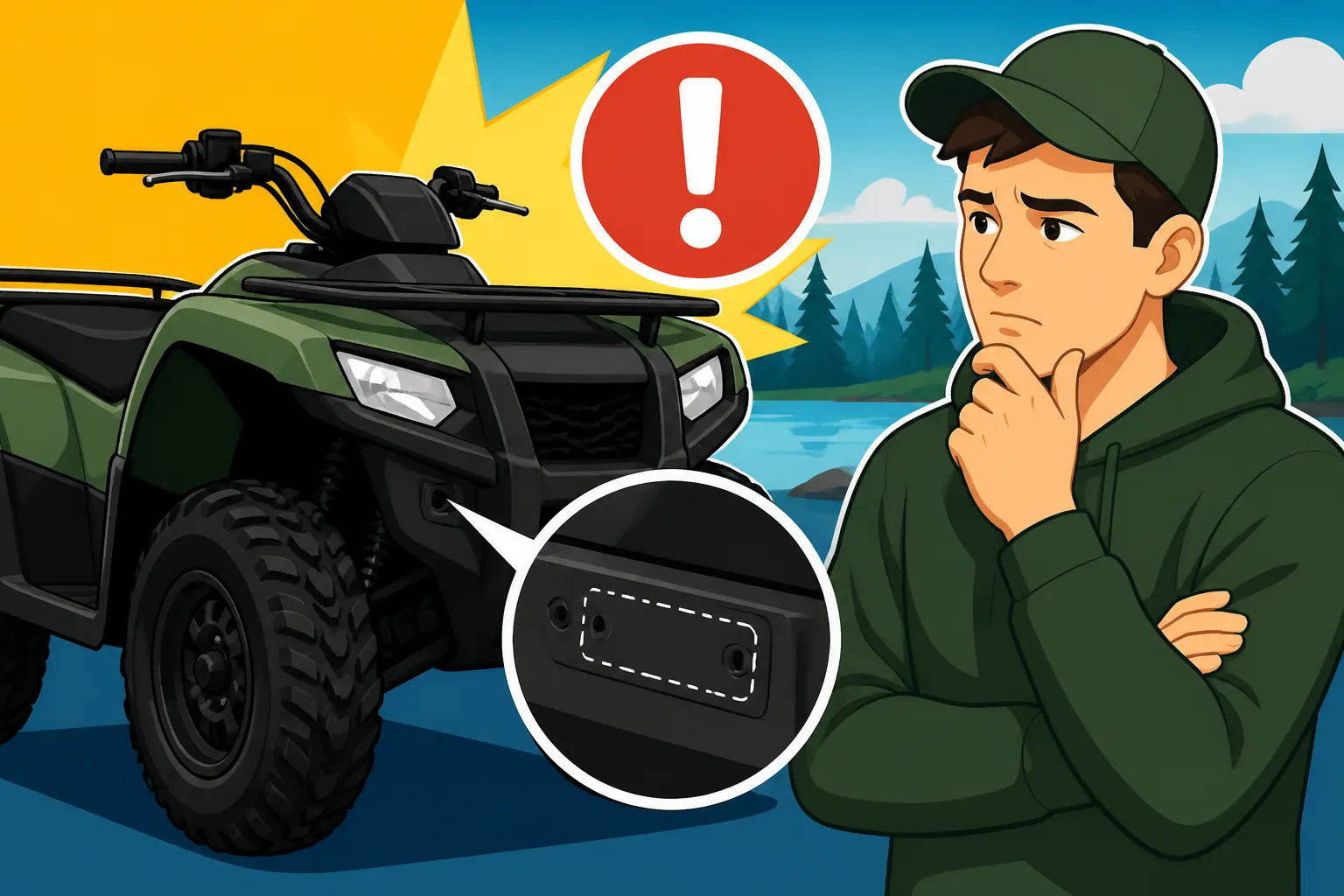
Finding what seems like a great deal on an ATV or UTV can be exhilarating, but the excitement can quickly turn to dread if you discover the machine is missing its Vehicle Identification Number (VIN) plate. This isn't just a cosmetic issue; it's a serious problem that can make registering your new-to-you machine in Maine an absolute nightmare, potentially leaving you with an expensive piece of yard art rather than a trail-ready vehicle. This guide will walk you through the critical considerations, potential pitfalls, and the steps you must take if you're even contemplating buying an ATV with a missing VIN plate.
The Red Flags of a Missing VIN Plate
Let's be blunt: a missing VIN plate is almost always a huge warning sign. It's not like misplacing a minor accessory; the VIN is the very identity of your machine. Without it, you're opening yourself up to a world of potential headaches that most buyers never anticipate.
Why a VIN is Non-Negotiable
Every single ATV and UTV manufactured for sale in North America since 1981 is required to have a 17-character VIN. This number is unique, like a fingerprint, and it’s how law enforcement, insurance companies, and registration agencies track the machine’s history. In Maine, specifically, you cannot register an ATV without a clear, verifiable VIN. The Maine Bureau of Parks and Lands (BPL), which oversees ATV registrations, relies heavily on this number for several crucial reasons:
- Proof of Ownership: The VIN is integral to proving who legally owns a machine. Without it, proving you're the rightful owner can be incredibly difficult, especially if there's no solid paper trail.
- Theft Prevention and Recovery: Stolen ATVs are often stripped of their VIN plates to hinder identification. If you buy a machine with a missing VIN, you could unknowingly be purchasing stolen property, which could lead to its seizure by law enforcement without compensation to you. It's a risk no one wants to take. You can learn more about how law enforcement tracks stolen machines by reading [How to Check If a Used ATV Is Stolen].
- Accurate Registration: The VIN links your machine to your registration record. It confirms the make, model, and year, which is vital for proper categorization and fee assessment. Without it, the state has no way to accurately identify what you're trying to register.
- Insurance Records: Should you ever need to insure your ATV or file a claim, the VIN is a primary piece of information your insurance provider will request. A missing VIN can complicate or even prevent you from getting comprehensive coverage.
Even if the seller claims it's an honest mistake or the plate just fell off, approach with extreme caution. The burden of proof will fall squarely on your shoulders.
Common Reasons for a Missing VIN (and When to Be Wary)
While a missing VIN plate almost always points to trouble, there are a few scenarios, though rare, where it might be legitimate, alongside the far more common and concerning reasons. Understanding the difference is key.
- Intentional Removal (Theft): This is the most common and dangerous reason. Thieves remove VIN plates to obscure the machine's identity and make it untraceable. If you suspect this, walk away immediately. Law enforcement will confiscate the machine, and you'll be out the money.
- Salvage or Rebuilt Machines: Sometimes, a machine that has been severely damaged might have had its VIN plate removed or lost during repairs, especially if it was part of a major frame replacement. While some rebuilt machines are legitimate, the paperwork surrounding their history needs to be impeccable.
- Custom Builds or Kit Machines: If you're looking at a homemade UTV or a machine built from a kit, it might never have had a factory VIN plate in the traditional sense. These machines require a very specific process for inspection and assignment of a state-issued VIN, which we'll discuss shortly. [Registering a Homemade UTV Frame] delves into this process in more detail.
- Very Old or Antique Machines: ATVs from before the 17-character VIN standard (pre-1981) might have shorter, less standardized identification numbers. In these cases, the "missing" plate might just be due to the age and different manufacturing standards of the era. However, even these machines usually have some form of identification. [Registering an Antique ATV in Maine] addresses these older machines.
- Accidental Damage/Corrosion: In rare instances, severe corrosion, an accident, or heavy use could physically damage or dislodge a VIN plate. However, even then, the VIN is typically stamped into the frame in multiple locations as a backup. If the main plate is gone, the secondary stamps should still be visible.
Your antennae should be up if the seller is vague, rushes you, or doesn't have any accompanying paperwork. A legitimate seller with a genuine reason for a missing plate will likely have documented everything, from repairs to past registrations, to support their story. If they can't provide this, it's a massive red flag.
Steps to Take Before You Buy
Before you even think about handing over a single dollar for an ATV with a missing VIN plate, there are crucial investigations you absolutely must undertake. This isn't just about protecting your investment; it's about protecting yourself from legal trouble.
Verifying Ownership and History
The first thing you need from the seller isn't the ATV itself, but comprehensive documentation. A missing VIN plate means that traditional verification methods are severely hampered, so you need to gather every other piece of information possible to build a credible paper trail.
- Demand a Comprehensive Bill of Sale: Even without a VIN plate, a detailed bill of sale is your best friend. It needs to include:
- The full names, addresses, and contact information for both buyer and seller.
- A detailed description of the ATV (make, model, year, engine size, color).
- Any visible identifying numbers, even if not the primary VIN (e.g., engine serial number, chassis numbers, parts identification).
- The sale price.
- A clear statement from the seller confirming they are the legal owner and the machine is free of liens or encumbrances.
- Signatures of both parties.
It's wise to use a robust template for this. You might find resources like LawDepot helpful for generating a comprehensive [Maine ATV Bill of Sale: What to Include]. Having a well-structured document, perhaps even one drafted using a reliable online template from LawDepot, can make a huge difference in establishing proof of ownership later on.
- Previous Registration Records: Ask the seller for any old registration certificates. These documents will list the VIN and the previous owner's information. Even if expired, they can provide a history that corroborates the seller's claims. [Proof of Ownership for a Maine ATV Registration] highlights the importance of these documents.
- Dealer Purchase Paperwork: If the seller was the original owner, do they have the original purchase invoice from the dealer? This document would have the VIN clearly listed and prove the machine's initial legitimate sale.
- Photographic Evidence: Take detailed photos of the machine, especially where the VIN plate should be, and any other identifying numbers you find. Document its condition thoroughly.
Without a strong paper trail, you are essentially buying a ghost machine, and getting it registered in Maine will be an uphill battle, if not impossible.
Seeking Professional Inspection and VIN Search
Even if the primary VIN plate is missing, the Vehicle Identification Number is almost always stamped elsewhere on the frame or engine. This is a crucial detail, and you need to thoroughly investigate it.
- Manufacturer's Secondary Locations: Most manufacturers stamp the VIN in multiple, less obvious locations on the frame or engine block. These locations vary by make and model. If you're serious about the purchase, it's highly recommended to take the ATV to a reputable dealership that sells that brand. Their service department often knows exactly where to look for these hidden VIN stamps. They can perform a thorough search and potentially confirm the machine's true identity.
- Law Enforcement VIN Check: This is a non-negotiable step. Before you complete any purchase, contact your local law enforcement agency or the Maine Warden Service. Explain the situation and request a VIN verification. Even if the primary plate is missing, they have resources to check any visible frame numbers against national stolen vehicle databases. They can also advise you on the legalities of purchasing a machine with a compromised VIN. If they find any issues, you will be glad you didn't buy it. A quick call to your local barracks can potentially save you thousands of dollars and a lot of heartache.
Remember, you are looking for any official, stamped number that can definitively identify the machine. If no VIN or other official identification number can be found anywhere on the ATV, proceed with extreme caution, as the chances of successfully registering it in Maine are slim.
Navigating Maine Registration Without a Primary VIN Plate
Maine has specific procedures for registering ATVs and UTVs, and while a missing VIN plate certainly complicates things, there is a pathway, albeit a challenging one, for unique circumstances.
The Role of the Maine Bureau of Parks and Lands
The Maine Bureau of Parks and Lands (BPL) is responsible for ATV registrations. If you have an ATV with a missing or unreadable VIN, you won't be able to simply walk into your town office and register it. The process will require direct interaction with the BPL.
- Special Identifying Number Assignment: For machines where the original VIN is missing, defaced, or unreadable, and after law enforcement has confirmed it's not stolen, the BPL has the authority to assign a "Special Identifying Number." This number effectively becomes the machine's new VIN for registration purposes in Maine.
- Required Inspection: This process almost always involves a physical inspection of the ATV by a Maine Warden or a BPL official. They will examine the machine for any signs of tampering, attempt to locate any hidden VINs, and verify its overall legitimacy. This isn't a quick process; it requires scheduling and patience.
- Comprehensive Documentation Review: You will need to present all the documentation you've meticulously collected, including your robust bill of sale (which you might have drafted using a tool like LawDepot), any previous registration slips, and the results of any law enforcement VIN checks. The more information you can provide, the stronger your case for legitimacy will be. [Maine ATV Registration for a Machine Without Paperwork] covers these requirements in detail.
It's important to understand that the BPL isn't obligated to assign a new VIN. If they have doubts about the machine's origin or if it appears suspicious, they can refuse, leaving you unable to register or legally operate the ATV in Maine.
Documentation You'll Absolutely Need
To even begin the process of registering an ATV with a missing VIN plate, you need to be an absolute wizard of paperwork. Every single piece of paper you can gather will strengthen your case.
- Detailed Bill of Sale: As mentioned, this is paramount. Ensure it contains all buyer/seller information, a detailed machine description, and any visible numbers (engine serial, frame stampings) you can find. A template from LawDepot can ensure you don't miss any critical clauses, providing a layer of legal clarity even in a difficult situation.
- Seller's Identification: Obtain a copy of the seller's driver's license or other government-issued ID. This proves who you bought the machine from, which is vital if the BPL or law enforcement needs to follow up.
- Photographs: High-quality, clear photographs of the entire ATV, including close-ups of where the VIN plate should be, any visible frame or engine numbers, and its overall condition.
- Law Enforcement Report: A written report from the local police or Maine Warden Service confirming they've inspected the machine, found no evidence of it being stolen, and that no other VIN was readily apparent.
- Affidavit of Ownership: In some cases, the BPL might require you (and possibly the seller, if available) to sign an affidavit swearing to the machine's history and your rightful ownership.
- Any and All Prior Paperwork: This includes old registration cards, insurance documents, repair receipts that list the machine's details, or even photos of the ATV from previous owners where the VIN might have been visible. The more history you can piece together, the better.
Gathering this extensive documentation before you even visit the BPL is crucial. Showing up unprepared will only prolong the process and potentially lead to a denial.
The Risks and Rewards: Is It Worth It?
Buying an ATV with a missing VIN plate is a gamble. While there are rare instances where it can work out, the risks generally far outweigh the potential rewards for the average buyer.
The Financial and Legal Pitfalls
Let's not sugarcoat it: the downsides are significant and can be financially devastating.
- Loss of Investment: The most immediate risk is that you spend money on a machine you can never legally register or operate. In Maine, riding an unregistered ATV carries significant penalties, including fines and potential impoundment. You could end up with a hefty purchase price for a machine that can only be used on private land with express permission, or worse, not at all. [Penalties for Riding an an Unregistered ATV in Maine] details the consequences.
- Unwittingly Purchasing Stolen Property: This is a major legal risk. If the ATV turns out to be stolen, it will be seized by law enforcement, and you will lose your money without recourse. You could also be implicated in a crime, even if unknowingly.
- Difficulty with Insurance: Most insurance companies are hesitant to insure a machine without a clear VIN. This means you could be riding uninsured, exposing yourself to significant financial liability in case of an accident. [Maine ATV Insurance and When You Need It] offers more insight into insurance requirements.
- No Resale Value: Even if you manage to jump through all the hoops and get a special identifying number, the machine will always have a questionable history. Reselling it will be incredibly difficult, and you'll likely take a massive loss.
- Time and Effort: The process of trying to legitimize a machine with a missing VIN is incredibly time-consuming, involving multiple trips, inspections, and extensive paperwork. Your time is valuable, and it might be better spent finding a legitimate ATV with clear paperwork.
| Factor | Advantages of Buying (Rare) | Disadvantages of Buying (Common) |
|---|---|---|
| Purchase Price | Often significantly lower than comparable models | Risk of total financial loss if unregistrable |
| Legality | Potentially registerable with BPL special VIN | High risk of buying stolen property or unregistrable machine |
| Registration in Maine | Possible with extensive BPL process and inspection | Very difficult, time-consuming, and not guaranteed |
| Insurance | Might be possible after BPL assigns new VIN | Often impossible or very challenging to obtain |
| Resale Value | Likely very low due to questionable history | Almost non-existent or significant loss |
| Peace of Mind | Only if you can fully legitimize the machine | Constant worry, potential legal trouble |
| Time/Effort | Significant effort required to legitimize | Enormous effort and uncertainty |
When a Missing VIN Might Be Manageable (Rare Cases)
There are exceedingly rare scenarios where buying an ATV with a missing VIN might be justifiable, but these situations are exceptions, not the rule.
- Dedicated Private Land Use: If you own a large tract of private land and intend to only use the ATV on your own property, and never on public trails, roads, or even crossing a public way, then registration is not legally required. In this very specific instance, a missing VIN might not be a deal-breaker for your use case, as long as you're certain the machine isn't stolen. However, even then, consider potential issues like resale or if your land use changes. [Maine Registration Exemption on Your Own Land] provides more details on this specific exemption.
- Parts Machine: If you are buying the ATV purely for its parts, and have no intention of ever making it a complete, operational, and registrable machine, then the VIN is less relevant. You're buying a donor, not a rideable vehicle.
- Genuine Antique or Custom Build: As mentioned earlier, truly antique ATVs (pre-1981) or bona fide homemade machines might present with unusual VIN situations. In these cases, the focus shifts to documenting the history and proving its unique nature to the BPL for a special identifying number. This is still a complex process but might be warranted for a unique collector's item or a personal project.
For the vast majority of ATV buyers looking for a machine to ride on Maine's extensive trail system, purchasing an ATV with a missing VIN plate is a risk that simply isn't worth taking. The potential for legal complications, financial loss, and unending frustration is too high. Always prioritize a machine with a clear, legible VIN and a complete paper trail.
Disclaimer
This article is for general informational purposes only and does not constitute professional advice. Laws, prices and regulations vary by location and change over time. Consult a qualified professional for guidance on your specific situation.