Abandoned ATV on Your Maine Property
It's incredibly frustrating, isn't it? You wake up one morning, or you're out on your back forty, and there it is: a beat-up ATV or a side-by-side that definitely doesn't belong to you, just sitting there. You have no idea where it came from, who owns it, or why it's on your land. It feels like an imposition, a mystery, and frankly, a bit of a headache. This guide is going to walk you through the proper, legal steps to take when you find an abandoned ATV or UTV on your Maine property, helping you navigate the process without inadvertently causing yourself more trouble.
First Steps: Assessing the Situation and Initial Contact
Finding an unexpected ATV or UTV on your property can certainly throw a wrench in your day. Your immediate reaction might be to just move it or call a tow truck, but in Maine, there are some really important first steps you need to take to ensure you're acting within the law. This isn't just about getting an unwanted machine off your land; it's about protecting yourself from potential legal headaches down the road.
Determining if it's Truly Abandoned or Just Lost
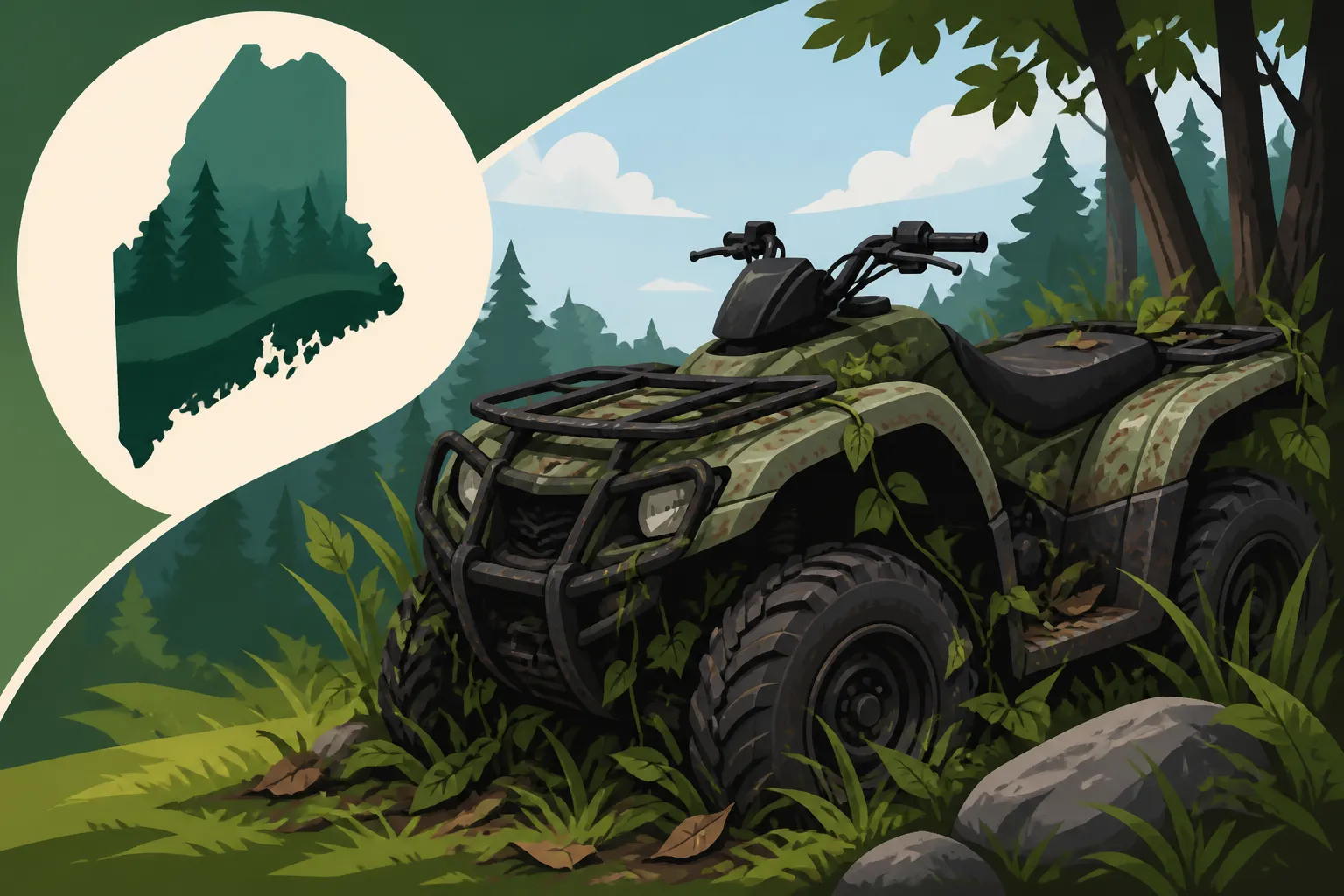
Before you do anything drastic, take a moment to assess the situation. Is the ATV simply broken down and looks like it might have been left temporarily, perhaps by someone who plans to retrieve it? Or does it look like it's been there for weeks or months, slowly rusting, tires flat, perhaps stripped of parts? The difference is key. A machine that appears recently left might just be a breakdown that someone intends to come back for. Maybe a rider got into trouble on the trails, had to hike out, and is trying to arrange recovery. A truly abandoned machine, on the other hand, shows clear signs of neglect and long-term disuse. Look for things like overgrown grass around the tires, cobwebs, significant rust, or missing parts that suggest it's been picked over. Make a note of the exact date you first noticed it, and take photos from multiple angles. This documentation will be invaluable if you need to prove how long it's been there or its condition.
Contacting Local Authorities and the Warden Service
Your absolute first official step should be to contact your local law enforcement. This means calling your county Sheriff's Office or, if you're in an organized township, your local Police Department. Crucially, you should also contact the Maine Warden Service. Since ATVs are often used on trails and in remote areas, the Warden Service has specific knowledge and jurisdiction over these types of machines and might even have a report of a lost or stolen ATV that matches your find.
When you call, be prepared to give them the exact location, a detailed description of the ATV (make, model, color, any distinguishing features), and most importantly, the Vehicle Identification Number (VIN). The VIN is usually stamped on the frame, often near the front wheels, under the seat, or on the steering column. If you can't find it immediately, explain that to the authorities. They can often run the VIN to see if the machine is reported stolen, if it's registered, and who the last registered owner might be. Remember, wardens frequently encounter situations like this out in the woods, so they're well-equipped to guide you on what to do next. You might be surprised to learn how many machines are found each year. Checking whether a used ATV is stolen is a critical step in this process.
Navigating the Impoundment and Notification Process
Once you've made initial contact with law enforcement, the ball starts rolling. Maine has specific legal procedures for dealing with abandoned property, and you'll want to follow them to the letter. This isn't just about being a good citizen; it's about making sure that if you eventually claim or dispose of the ATV, your actions are fully legal and can't be challenged later.
Legal Requirements for Notifying the Owner
Maine law outlines a process for dealing with abandoned vehicles, and ATVs typically fall under this. If the authorities manage to identify a potential owner through the VIN check or other means, they will usually attempt to contact that person. However, sometimes the burden of notification falls, at least partially, on the landowner. You might need to send a certified letter to the last known owner, if that information becomes available to you, notifying them that their ATV has been found on your property and that they need to remove it within a specified timeframe (e.g., 30 days) or it will be considered legally abandoned. This letter should clearly state your intent to seek ownership or dispose of the vehicle if it's not claimed.
This is where having proper documentation becomes vital. Using a template for a "Notice of Abandonment" letter can be incredibly helpful. Services like LawDepot offer customizable legal forms that can guide you in drafting a formal letter that meets legal standards, ensuring you include all necessary information and send it via certified mail with a return receipt requested. This creates a paper trail proving you made a diligent effort to contact the owner. Without this formal notification, you could run into legal trouble later on if the owner suddenly reappears and claims you unlawfully took their property.
Working with Law Enforcement for Impoundment
In many cases, the police or Warden Service will advise you on the next steps, which might involve physically impounding the ATV. This could mean them arranging for a tow, or instructing you on how to secure it. If the ATV is clearly a hazard or obstructing access, they might arrange for its immediate removal. It's crucial to follow their advice here. They'll know the specifics of local ordinances and state laws regarding abandoned property. They might even have a designated impound lot where these machines are taken.
If the machine isn't reported stolen, and they can't locate the owner, they may instruct you on how to proceed with the legal process of gaining title to the machine. This often involves applying for an abandoned property title after a certain waiting period and demonstrating your attempts to find the owner. Be prepared for this to be a bureaucratic process that takes time, perhaps several months. It's not a quick fix, but it's the right way to do it. Keep records of every phone call, every piece of mail, and every interaction you have with law enforcement regarding the abandoned ATV.
Taking Ownership or Disposing of the Abandoned ATV
So, you've done your due diligence. You've reported the ATV, tried to find the owner, and waited the legally required period. What happens next if no one claims it? In Maine, you have options, but again, they must be handled carefully and legally.
The Path to Legal Ownership
If, after all attempts at notification and waiting the prescribed time (which can vary, so always confirm with local authorities), the ATV remains unclaimed, you might be able to petition the state for a title of ownership. This typically involves filing an affidavit with the Secretary of State's office, detailing the steps you took to locate the owner, the notice periods, and the fact that the vehicle is now considered legally abandoned on your property. This is particularly relevant if you're interested in keeping the ATV, perhaps to fix it up or use it on your own property.
The process for [Maine ATV Registration for a Machine Without Paperwork] can be complex, and you'll need to demonstrate legitimate possession and adherence to abandonment laws. You'll likely need to provide the VIN and any other identifying information. It's not a guarantee that you'll get a title, especially if there's any lien on the vehicle or if previous registration issues come to light, but it's the only legal avenue to truly make it yours. You might need forms like an Affidavit of Abandonment, which can be found through legal document services like LawDepot, to help formalize your claim and submit it to the appropriate state agency. This process also often requires a VIN verification before registering in Maine to ensure the machine hasn't been altered or is subject to other issues.
Legally Selling or Disposing of the Machine
If you're not interested in keeping the ATV, your goal is likely to get it off your property permanently. Once you've gone through the legal steps to establish abandonment and, if necessary, gained a certificate of title or clear legal right to dispose of it, you have a few options.
- Selling it: If you've obtained a title, you can sell the ATV. You'll need a proper bill of sale. Again, a service like LawDepot can provide a standard [Maine ATV Bill of Sale: What to Include] template, ensuring you document the transaction correctly. Be transparent with any buyer about its history, noting that it was an abandoned vehicle you legally acquired. This can be a way to recoup any costs you incurred during the impoundment or notification process. Remember, buying an ATV with no registration history can be tricky for the next owner, so clear paperwork from your end is essential.
- Scrapping it: If the ATV is in terrible condition and not worth selling, or if you can't get a clear title, you might consider scrapping it for parts or having a junk dealer remove it. Even in this scenario, ensure you have the legal right to dispose of it. You don't want to scrap a machine only for the original owner to show up later with a claim. Documenting that you had it scrapped, including receipts from the scrap yard, is a good practice.
- Donating it: Some organizations might accept a donated ATV, especially if it can be repaired or used for parts. Again, ensure you have the legal standing to donate it before proceeding.
Remember, the goal is always to avoid any perception of theft or unlawful conversion. Following the letter of Maine's laws protects you as the landowner and ensures the process is fair to all parties involved, even if the original owner is nowhere to be found. [Maine ATV Registration After a Private Sale] is a good article to review if you end up selling the machine.
Preventing Future Abandonment and Protecting Your Land
Dealing with an abandoned ATV or UTV is a hassle no one wants. While you can't prevent every rogue machine from ending up on your land, there are definitely proactive steps you can take to make your property less appealing for such incidents and to protect your interests.
Clear Property Markings and Signage
One of the simplest yet most effective deterrents is clear signage. Post "No Trespassing" signs prominently along your property lines, especially in areas where ATVs might gain access, such as trail crossings or old logging roads. While purple paint stripes are a legal way to mark posted land in Maine, adding actual signs with explicit language like "Private Property – No ATV/UTV Access" reinforces the message. These signs don't just deter would-be trespassers; they also serve as evidence that you've clearly communicated your intent to prohibit unauthorized access, which can be helpful if you ever need to involve law enforcement due to [Maine Trespass Law for ATV Riders]. The more visible and explicit your boundaries are, the less likely someone can claim they didn't know they were on private land.
Consider the layout of your property. If you have old logging roads or trails that connect to public ATV networks, these are prime spots for machines to accidentally (or intentionally) wander onto your land. Placing signs at regular intervals, especially at natural entry points, is a strong deterrent.
Establishing Relationships with Local ATV Clubs
Many of Maine's extensive ATV trail networks rely heavily on the goodwill and permission of private landowners. Local ATV clubs often work tirelessly to maintain these trails and foster positive relationships with landowners. If your property abuts or contains sections of popular ATV trails, reaching out to your local ATV club can be incredibly beneficial.
These clubs are usually very knowledgeable about who uses the trails in their area and might even be able to identify an ATV if it’s a local machine. More importantly, they have a vested interest in preventing misuse and maintaining good landowner relations. They can often provide signage for trails that cross your property (if you allow it) and even help patrol or report suspicious activity. Becoming familiar with your local club can turn a potential problem into a cooperative solution, fostering a sense of community responsibility for the trails and the land they cross. They are your allies in responsible riding and land stewardship.
Regular Property Monitoring and Security Measures
Finally, regular monitoring of your property is key. Especially if you have a large, remote parcel, making periodic checks can help you spot an abandoned machine early, before it truly deteriorates or becomes a fixture. If you notice signs of unauthorized access, like new tracks, broken fences, or litter, address them promptly.
For accessible areas, consider security measures. A simple gate across a private access road, even if it's just chained, can act as a psychological barrier. Motion-activated trail cameras can also be a deterrent and provide valuable information if a machine is dropped off or if someone is attempting to retrieve a machine without permission. While you don't want to turn your property into a fortress, thoughtful security measures can make your land a less attractive target for someone looking to dump an unwanted ATV.
By being proactive, clear about your boundaries, and connected to the local ATV community, you can significantly reduce the chances of ever having to deal with the headache of an abandoned ATV on your Maine property again.
Disclaimer
This article is for general informational purposes only and does not constitute professional advice. Laws, prices and regulations vary by location and change over time. Consult a qualified professional for guidance on your specific situation.