Registering a Rebuilt ATV in Maine
Trying to register a rebuilt ATV in Maine can feel like you're trying to solve a complicated puzzle with half the pieces missing. Maybe you’ve brought a salvaged machine back to life, swapped out a dead engine, or even built something truly custom from the ground up, only to hit a wall when it comes to getting it officially registered. This guide is here to untangle that frustration, walking you through the specific steps, necessary documentation, and potential hurdles you’ll face to get your unique machine legally on Maine’s trails.
Understanding "Rebuilt" in Maine's ATV Registration Context
When we talk about a "rebuilt" ATV in Maine for registration purposes, we're really opening up a few different scenarios, and each one can present its own set of paperwork challenges. It’s not always as straightforward as replacing a fender; often, it involves significant structural or mechanical changes that make the original documentation (if it even existed) less relevant or entirely inadequate.
What Constitutes a "Rebuilt" ATV for Registration Purposes?
A rebuilt ATV generally refers to a machine that has undergone substantial repair or modification, often to the point where its original identity might be murky or its primary components have been replaced. This could be something as involved as taking a damaged frame from one machine and installing an engine and other parts from several different donors. The key here is that the machine you're trying to register isn't in its original, factory-built state, or it has a history (like a salvage title) that requires extra scrutiny. Maine officials want to ensure that the machine is legitimately yours, that no stolen parts are involved, and that it's safe for the trails. This can feel like a high bar, especially if you're proud of the sweat equity you've put into your build.
Why a Rebuilt ATV Might Present Challenges
The main challenge with rebuilt ATVs stems from the documentation. Most standard ATV registrations rely on a clear chain of ownership, usually starting with a manufacturer's certificate of origin (MCO) for new machines, or a bill of sale and previous registration for used ones. When you’ve rebuilt a machine, that clean chain can get very tangled. You might have a frame without clear ownership papers, an engine from a different source, or a collection of parts bought over time. Without proper documentation for the core components, particularly the frame which typically carries the Vehicle Identification Number (VIN), proving ownership and legitimacy becomes a significant hurdle. This isn't Maine trying to be difficult; it's a measure to prevent theft and ensure public safety, but it certainly adds complexity for the enthusiast.
Common Scenarios: Salvaged Frames, Engine Swaps, Custom Builds
Let's break down some typical "rebuilt" situations you might find yourself in. Perhaps you bought a "totaled" ATV from an auction for a song, intending to fix it up. That frame likely comes with a salvage title or a certificate of destruction, which immediately flags it for special attention. Another common scenario is the engine swap: your old motor blew, and you found a great deal on a used engine, or perhaps you upgraded to a more powerful one. While the frame might remain the same, proving ownership of the new engine, especially if it was a significant part of the machine's value, can become a point of inquiry. Then there are the truly custom builds – perhaps you started with a bare frame, or even fabricated a frame yourself, and pieced together an entire machine. These projects are often a labor of love, but they are also the most challenging to register, as there might be no single, clear "original" document for the entire machine.
Essential Documentation for a Rebuilt ATV Registration
Gathering the right paperwork for a rebuilt ATV is absolutely critical – it’s often the make-or-break factor in getting your machine registered. Think of it as building a robust legal history for your quad, piece by piece, just as you built the machine itself. The more thorough and organized you are, the smoother the process will likely be, even if it feels daunting initially.
The Importance of a Paper Trail, Even for Parts
Every major component you’ve used in your rebuilt ATV, especially the frame and engine, should ideally have a paper trail. This isn't just about the complete machine; it's about proving legitimate acquisition of its vital components. Maine officials want to see that you didn't just find parts lying in the woods or buy them from questionable sources. This paper trail demonstrates legal ownership and helps prevent the registration of stolen parts. It can be a pain to track every nut and bolt, but for the big-ticket items, it's non-negotiable.
Proof of Ownership for the Frame (Original Title, Bill of Sale, or Affidavit)
The frame is arguably the most important component when it comes to registration, as it typically bears the VIN, which is the machine’s primary identifier.
- Original Title or Manufacturer's Certificate of Origin (MCO): If the frame came from a relatively new machine that wasn't previously titled or registered, an MCO or a title is the gold standard.
- Bill of Sale: For a used frame, a detailed [Maine ATV Bill of Sale: What to Include] is crucial. This document should clearly state the seller's information, your information, the date of sale, the purchase price, and most importantly, the VIN of the frame. Even if you only bought the frame, treat it as a full purchase with all the necessary details. Services like LawDepot can provide excellent templates for creating a robust bill of sale if you’re drafting one yourself or want to ensure all bases are covered.
- Affidavit of Ownership: If you genuinely do not have a bill of sale for the frame, perhaps because it was an old family machine passed down or acquired under unique circumstances, an affidavit of ownership becomes vital. This is a sworn statement, often notarized, explaining how you came to possess the frame, its VIN (if any), and asserting your legal ownership. It's not a guarantee, but it's often the best alternative when traditional proof is absent. For guidance on drafting such a document, looking into legal form providers like LawDepot can be helpful to ensure you include all necessary information. You can find more specific guidance on [Proving Ownership Without a Bill of Sale].
Gathering Receipts for Major Components (Engine, Transmission)
Beyond the frame, collecting receipts for other significant components, especially the engine and transmission, is a smart move. While these don't necessarily dictate the primary registration of the machine, they bolster your claim of legitimate ownership, particularly if questions arise. If you bought an engine from a parts dealer, keep that invoice. If you bought it used from a private seller, a simple, handwritten bill of sale for that component can be sufficient. The more documentation you have, the stronger your position.
Addressing Missing VINs or Non-Standard Identifying Marks
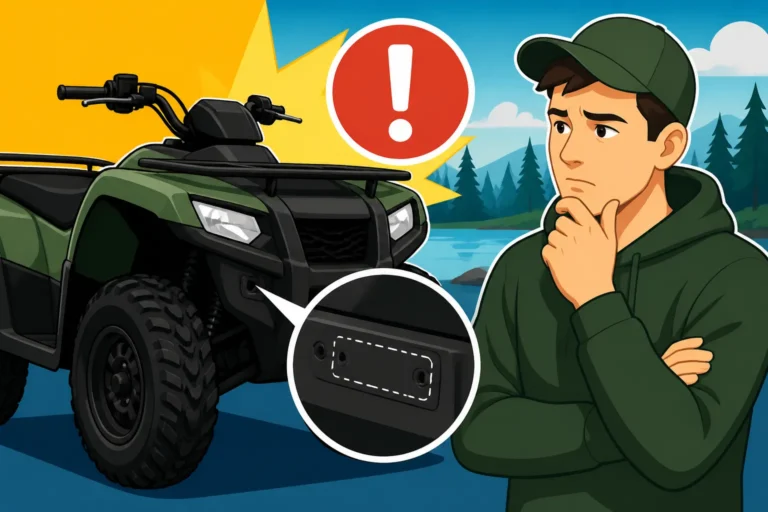
This is where things can get particularly tricky. If your frame has a missing, damaged, or unreadable VIN, or if you've constructed a custom frame without an existing VIN, you're looking at a more involved process. Maine officials will need to assign a new VIN or verify the frame's legitimacy. This almost always triggers a physical inspection by a law enforcement officer, such as a Maine Warden or a state police officer, to ensure the frame isn't stolen and to assign an official identification number. This step can add time and complexity, but it’s essential for machines that lack standard identification.
Dealing with Salvage Titles and Frames
If the frame of your rebuilt ATV came with a salvage title, or was declared a total loss by an insurance company, you need to be prepared for extra scrutiny.
What to Do If the Frame Has a Salvage History
A salvage title means the machine was deemed uneconomical to repair by an insurance company. While it's perfectly legal to buy and rebuild such a machine, the state wants to ensure it's been restored to a safe operating condition. You'll likely need to present the salvage title or certificate of destruction when you go to register. It signals to the registration agent that this isn't a typical registration and will require more paperwork and potentially an inspection. Do not try to conceal the salvage history; transparency is key.
Documentation From the Salvage Auction or Seller
When you purchase a salvaged ATV, the auction house or seller should provide you with specific documentation, often a salvage certificate or a bill of sale indicating its salvage status. Keep this paperwork meticulously. It proves you legally acquired the salvage frame. Without this, you might struggle to establish the initial legitimate ownership of the most critical part of your rebuilt machine.
The Extra Scrutiny for Salvaged Machines
Expect that your rebuilt, salvaged ATV will face more questions than a standard used machine. This often includes a mandatory physical inspection by a law enforcement officer. The officer will verify the VIN, check for stolen parts, and ensure the machine appears roadworthy (or, in this case, trail-worthy) and safe. They're looking for red flags that might indicate unsafe repairs or fraudulent activity. Be ready to answer questions about the repairs you've made and the source of your parts.
The Registration Process for Your Rebuilt Machine in Maine
Once you have your documentation in order, it's time to face the actual registration process. While it shares similarities with registering any other ATV, the "rebuilt" status often introduces additional steps and considerations.
Where to Go: Town Office vs. IF&W
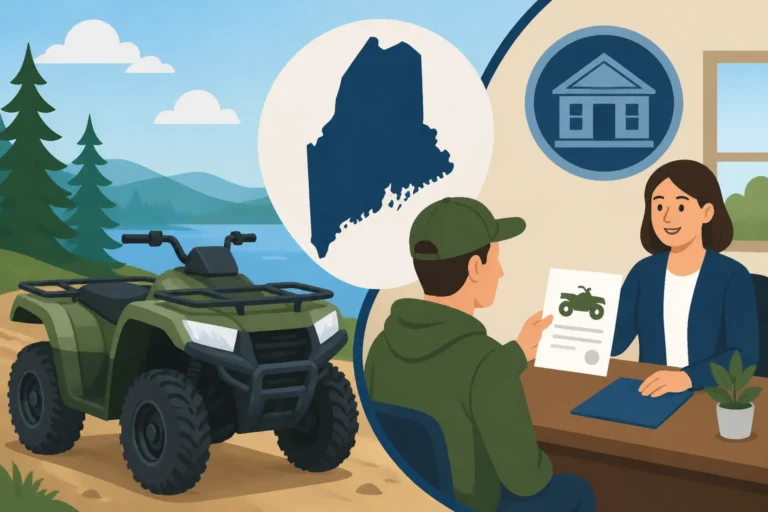
For most standard ATV registrations, you can visit your local [Registering an ATV at Your Maine Town Office]. This is often the most convenient option, as town offices handle a high volume of recreational vehicle registrations. However, for complex cases like rebuilt ATVs, especially those without clear VINs or with salvage titles, some town clerks might direct you to the Maine Department of Inland Fisheries and Wildlife (IF&W) headquarters in Augusta or one of their regional offices. This isn't because town clerks are unwilling, but because IF&W often has more specific protocols and staff trained to handle unique situations, including VIN verification and special assignments. It's always a good idea to call your town office first to explain your situation and ask what [What Maine Town Clerks Ask For at the Counter] they'll need for a rebuilt machine.
What to Expect at the Counter: Inspection and Verification
When you arrive, whether at the town office or IF&W, be prepared for a detailed review of your paperwork. The registration agent will want to see your proof of ownership for the frame, any bills of sale for major components, and potentially your affidavit. They may compare the VIN on your documents to the physical VIN on the machine, if you brought it with you or if they require it for an on-site inspection. Don't be surprised if they ask a lot of questions about how the machine was put together. Their job is to ensure legal and safe registration.
Potential for a VIN Inspection or Special Certification
For rebuilt ATVs, especially those with questionable or absent VINs, a physical inspection is often mandatory. This is more than just glancing at a number; it's a verification process. A Maine Warden, State Police officer, or sometimes an authorized IF&W agent will meticulously inspect the machine. They will look for:
- The VIN: Is it legible? Has it been tampered with? Is it consistent with the paperwork? You can learn more about [VIN Verification Before Registering in Maine].
- Stolen Parts: They will run the VIN (and potentially other component numbers) through databases to ensure no parts are reported stolen. This is a critical step in preventing the trafficking of stolen vehicles.
- Safety: While they aren't mechanical inspectors, they will generally observe if the machine appears safely assembled and road/trail worthy. This means checking for obvious hazards or shoddy repairs.
- New VIN Assignment: If your machine truly has no existing VIN or a severely damaged one, the officer may assign a new, unique Maine-issued VIN. This will then be permanently affixed to the machine, usually with a metal plate or stamp, and recorded in the state's system. This process is common for custom builds or very old machines lacking modern identification.
Fees and Payment Considerations
The registration fees for a rebuilt ATV are generally the same as for any other ATV. You'll be subject to the standard [Maine ATV Registration Fee for Residents] or appropriate non-resident fees. Remember that you will also need to pay sales tax if you purchased the machine or its main components within Maine and haven't paid it already. If you bought the frame in a private sale, you might need to pay [Maine Sales Tax on an ATV Purchase] at the time of registration. Be prepared for any agent fees that your specific town office might charge for processing the registration. Always bring multiple forms of payment, as smaller town offices may have limited options.
Preparing for a Maine Warden Inspection (If Required)
If your rebuilt ATV requires a physical inspection by a Maine Warden, it's not a step to take lightly. This is your chance to clearly demonstrate the legitimacy and safety of your machine.
What a Warden Looks For in a Rebuilt ATV
During an inspection, a warden will primarily focus on identification and safety. They'll scrutinize the VIN area to ensure it's original and untampered. If parts have been swapped, they may ask for receipts for those parts. They'll also perform a general safety check, looking at things like brakes, lights (if equipped for night riding), tires, and overall structural integrity. While they won't disassemble your machine, they'll want to see that it's a solid, safe build. Be ready to explain your build process, but keep it concise and factual.
Common Red Flags and How to Avoid Them
- Missing or Obscured VIN: This is the biggest red flag. Ensure your VIN is clean, visible, and matches all paperwork. If it's missing, be ready to explain why and have all supporting affidavits.
- Mismatched Numbers: If an engine number doesn't align with the frame's history, or if you have multiple conflicting bills of sale, it raises questions. Maintain a consistent and clear paper trail.
- Obvious Safety Hazards: Wires hanging loose, clearly inadequate brakes, or visibly unsafe structural modifications can cause issues. While they aren't mechanics, they are trained to spot hazards.
- Lack of Documentation: Showing up with nothing but the rebuilt machine itself is a recipe for rejection. The more original receipts, bills of sale (even for parts), and affidavits you have, the better.
Ensuring Your Machine Meets Safety Standards
Before any inspection, ensure your rebuilt ATV is as safe and compliant as possible. This includes making sure:
- Brakes are functional.
- Tires are in good condition.
- Steering is solid.
- Exhaust system is intact and not excessively loud.
- All lights (headlights, taillights, brake lights if applicable) are working.
- No sharp edges or exposed moving parts that could injure a rider.
- If you plan to ride at night, ensure you understand [Maine Lighting Requirements for Night Riding].
Taking these steps proactively will not only increase your chances of passing an inspection but also ensure your own safety and the safety of others on the trails.
Overcoming Common Hurdles and Special Cases
Even with meticulous preparation, you might encounter unique challenges when registering a rebuilt ATV. Don't despair; there are often ways to navigate these situations.
When You Don't Have a Bill of Sale for the Original Frame
This is a common headache for many enthusiasts who acquire older machines or project frames through less formal channels. Perhaps it was a barn find, a gifted frame, or something inherited. As discussed, a sworn affidavit of ownership is your best friend here. This document, which you sign under penalty of perjury, details how you acquired the frame, its approximate age, any identifying features (including VIN if present), and asserts that you are the rightful owner and that, to your knowledge, the frame is not stolen. Having it notarized adds a layer of credibility. Again, services like LawDepot can assist with templates for such legal documents, ensuring you cover all the necessary bases. This affidavit, along with any other supporting evidence (even old photos, emails, or witness statements), will be crucial. Remember, the state wants to be confident that you’re not registering stolen property. This is particularly important for [Maine ATV Registration for a Machine Without Paperwork].
Registering a Machine Without a VIN
If your rebuilt machine truly lacks a VIN, or if the original VIN is completely destroyed and unrecoverable, you'll almost certainly need a physical inspection by a Maine Warden or other authorized law enforcement officer. This officer will verify that there's no evidence of a removed or altered VIN and, if satisfied, will initiate the process of assigning a new, state-issued VIN. This new VIN will be unique to your machine and will be permanently affixed to the frame. It’s a bit of a process, but it's the correct legal pathway for custom builds or machines where the original identification is truly gone. Be prepared for a bit of a wait for this inspection to be scheduled.
Advice for Homemade or Highly Customized Builds
Homemade ATVs or heavily customized builds that bear little resemblance to an original factory machine are perhaps the most complex to register.
- Document Everything: From the very first weld to the last bolt, keep detailed records, photos, and receipts. This builds a robust history for your unique creation.
- Safety First: Ensure your machine meets or exceeds basic safety standards. Wardens will pay close attention to structural integrity, braking, and steering.
- Expect a Full Inspection: A state-assigned VIN will almost certainly be required. The process will involve a physical inspection and likely some back-and-forth with IF&W.
- Consider a Kit-Build Approach: If you're buying a frame kit or parts specifically designed to create an ATV, gather all documentation from the manufacturer of those components. This helps legitimize your build.
The Role of a Detailed Affidavit of Ownership
Whether you lack a bill of sale for the frame or are dealing with a machine without a clear VIN, a well-drafted affidavit of ownership is a cornerstone of your registration effort. This isn't just a casual note; it's a formal, sworn statement. It should include:
- Your full legal name and contact information.
- A detailed description of the ATV/frame, including make, model, year (even approximate), color, and any identifying numbers (if available).
- A comprehensive explanation of how you came into possession of the frame/machine. Be specific with dates, locations, and circumstances.
- A clear statement asserting your legal and undisputed ownership of the machine.
- A statement affirming that the machine or its parts are not stolen, to the best of your knowledge.
- Your signature, ideally notarized, which adds significant legal weight to the document.
You might find that services like LawDepot offer templates for such affidavits, which can guide you in making sure you include all the crucial information Maine officials will be looking for. It's a key piece of the puzzle, showing your diligence and honest intent.
Here’s a summary of key documents for rebuilt vs. standard ATV registration:
| Document Type | Standard ATV Registration | Rebuilt ATV Registration (Potential Additional/Alternative) |
|---|---|---|
| Proof of Ownership | Previous registration, Title, MCO, Bill of Sale | Detailed Bill of Sale for frame, Salvage Certificate, Notarized Affidavit of Ownership |
| VIN Verification | Visible VIN on machine matches paperwork | Physical inspection by Warden, potential new VIN assignment, VIN search |
| Sales Tax Payment | Receipt from dealer or paid at town office | Proof of tax paid on original frame, or paid at town office for frame purchase |
| Component Receipts | Not typically required | Receipts/bills of sale for major components (engine, transmission, etc.) |
| Safety Certification | Assumed if new or previously registered | Visual safety inspection during VIN verification |
| Application Form | Maine IF&W ATV/Snowmobile Registration Application | Same, but often flagged for special processing |
Remember that getting [Where Maine ATV Stickers Go and When They Arrive] might take a bit longer if your rebuilt machine needs extra verification, so plan your first ride accordingly. And always remember, riding an unregistered ATV in Maine carries [Penalties for Riding an Unregistered ATV in Maine], so ensure everything is squared away before you hit the trails.
Disclaimer
This article is for general informational purposes only and does not constitute professional advice. Laws, prices and regulations vary by location and change over time. Consult a qualified professional for guidance on your specific situation.