Engine Size Limits for Maine Riders Under 16
It’s a truly exciting moment when your child shows an interest in joining you on the trails, ready to embrace the thrill of off-road riding. But for many parents in Maine, that excitement can quickly turn into confusion when trying to figure out the labyrinth of rules surrounding youth ATV operation, especially when it comes to engine size. This guide is here to untangle those specific regulations, helping you understand exactly what Maine law says about engine limits for riders under 16, so you can make informed choices and keep your young adventurer safe and legal.
Understanding Maine's Age and Engine Displacement Rules for Young Riders
Navigating the regulations for youth ATV riders in Maine can feel like trying to find your way through a dense forest without a map. Parents often worry about choosing the right machine, ensuring their child is compliant with the law, and, most importantly, keeping them safe. Maine has clear guidelines designed to protect young riders, focusing on age-appropriate machines and supervision.
The Core Regulations: Age, Engine Size, and Supervision
Maine law is quite specific when it comes to who can operate an ATV and what size engine they can ride, especially for those under 16. It's not just about how tall they are or how strong their grip is; it's about developmental readiness and the ability to safely control a powerful machine.
First, let's clarify the youngest riders. In Maine, if your child is under 10 years old, they are generally not permitted to operate an ATV on land other than that owned by their parent or guardian, or on property where express permission has been granted by the landowner. This means no public trails, no designated ATV access routes, and certainly no crossing public ways. This rule is a fundamental safety measure, acknowledging that children under 10 typically lack the physical strength, coordination, and judgment required for safe trail riding.
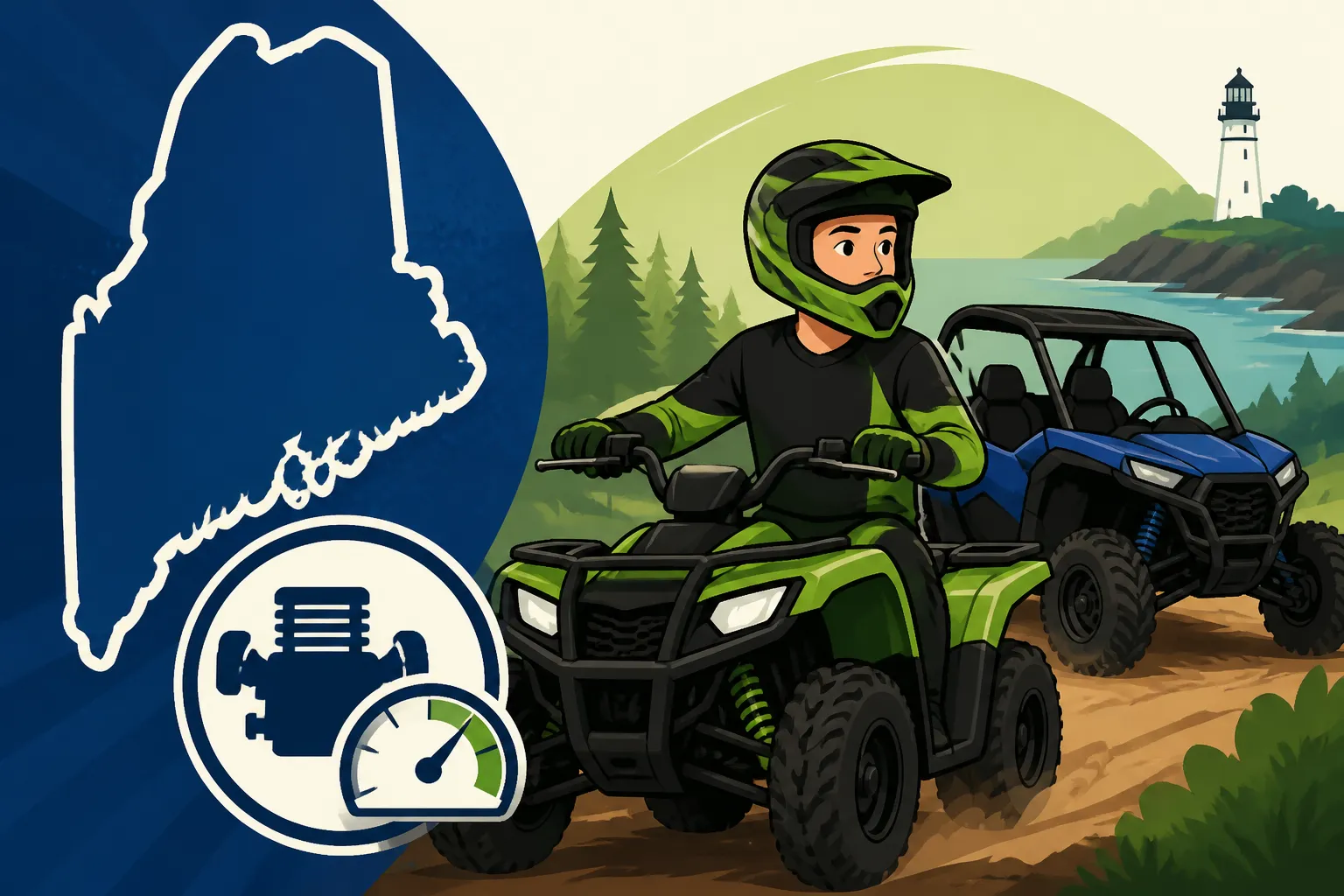
For riders aged 10 to 15, the rules become more nuanced, primarily revolving around engine displacement. Maine law mandates that riders in this age bracket can only operate ATVs with an engine size of 90cc or less. This limit applies across the board, whether they're on private land (with permission) or on Maine's extensive public trail system. It's a critical safety measure to prevent young riders from operating machines that are too powerful, too fast, or too heavy for their developing skills and physical stature. A 90cc machine typically offers enough power to navigate trails but limits the top speed and acceleration, providing a more controlled and safer experience.
Beyond the engine size, adult supervision is paramount for riders aged 10 to 15. The law states that these young operators must be "under the direct supervision of an adult" who is at least 18 years old. What does "direct supervision" really mean on the trail? It means the adult must be close enough to observe the child's actions and provide immediate assistance or instruction. This isn't just about being on the same trail system; it means actively riding with or very near the young operator. You can't just drop your child off at a trailhead and expect them to be compliant while you ride miles ahead. This supervision is crucial for teaching proper riding etiquette, navigating challenging terrain, and responding to unexpected situations.
Furthermore, every rider aged 10 to 15 must complete a certified ATV safety course. This course is a cornerstone of safe riding education, covering everything from basic operation and maintenance to trail etiquette and environmental responsibility. You can find more information about the requirements and how to enroll in a [Maine ATV Safety Course for Riders 10 to 15]. Obtaining this certificate is not just a legal requirement; it's an investment in your child's safety and confidence on the trails.
Why These Rules Exist: Safety and Responsibility
You might wonder why Maine imposes such strict rules, especially when some manufacturers produce larger machines marketed for pre-teen riders. The answer lies in the fundamental principles of safety, child development, and fostering responsible recreational use.
Firstly, the physical demands of operating an ATV are significant. Steering, braking, accelerating, and shifting weight to navigate turns and obstacles all require a certain level of strength and coordination. Machines with larger engines are inherently heavier, faster, and more powerful, making them much harder to control for someone who hasn't fully developed their motor skills and physical strength. A smaller child attempting to control a 250cc machine, for instance, might struggle to turn the handlebars effectively, apply brakes with enough force, or react quickly to unexpected bumps or ruts in the trail. The 90cc limit helps ensure that the machine's capabilities align with the child's physical capacity, reducing the risk of loss of control and subsequent accidents.
Secondly, cognitive development plays a huge role. Children, especially those in the 10-15 age range, are still developing their judgment, risk assessment, and decision-making skills. They might not fully grasp the consequences of excessive speed, riding too close to other vehicles, or attempting stunts they've seen online. A powerful ATV can accelerate rapidly and reach high speeds, leaving little room for error if a young rider makes a poor decision. By limiting engine size, the state aims to keep the riding experience manageable and provide a buffer for these developing cognitive abilities. The adult supervisor's role is not just to observe, but to actively mentor and reinforce safe riding practices, helping the child build good habits.
These regulations also serve to instill a sense of responsibility from a young age. By requiring safety courses and strict adherence to rules, Maine encourages young riders to understand that ATVing is a privilege, not a right. It teaches them to respect the machines, the trails, other riders, and the landowners who graciously allow access. This early education in responsibility contributes to a safer overall trail system for everyone. The [Maine Warden Service ATV Patrols] are out there not just to enforce the law, but to promote safe and responsible riding, and they pay particular attention to youth compliance to ensure these critical safety measures are being followed. Ultimately, these rules are about creating a safe, enjoyable, and sustainable environment for the next generation of ATV enthusiasts in Maine.
Navigating Machine Selection and Ownership for Youth ATVs
Once you understand Maine's engine size limits, the next step is often finding the right ATV and ensuring the ownership and registration process is handled correctly. It’s more than just picking a cool-looking quad; it’s about safety, legal compliance, and smart financial decisions.
Choosing the Right ATV Size for Your Child
Selecting an ATV for your child involves more than just glancing at the engine size. While Maine's 90cc limit for riders aged 10-15 is a non-negotiable legal threshold, the "right" ATV also depends heavily on your child's individual physical fit, experience, and maturity. Many manufacturers offer models specifically designed for youth riders, but even within that category, there can be significant variations.
First and foremost, physical fit is crucial. When your child sits on the ATV, they should be able to:
- Reach the handlebars comfortably without stretching. Their arms should have a slight bend at the elbow, allowing for proper steering input.
- Operate the throttle and brake levers easily. Their fingers should be able to grasp and pull the levers effectively, and their thumbs should reach the thumb throttle without strain.
- Place both feet flat on the running boards. Their knees should be bent at a comfortable angle, allowing them to shift their weight and absorb bumps.
- Shift their weight easily from side to side and forward/back. This is vital for maintaining balance and control, especially in turns or over obstacles.
If a machine is too large, your child might struggle to reach the controls, apply brakes effectively, or shift their weight, significantly increasing the risk of an accident. If it's too small, they might feel cramped and unable to ride comfortably or safely.
You'll encounter various common youth ATV engine sizes on the market, such as 50cc, 70cc, 90cc, and 110cc. For Maine's 10-15 age group, only the 90cc and below options are legally viable. Machines like the Polaris Outlaw 70 EFI, Arctic Cat Alterra 90, or many entry-level Honda and Yamaha youth models are often within this range. Be wary of generic "125cc" models that might be advertised for youth but exceed Maine's legal limit for this age group. Always double-check the actual engine displacement.
Beyond the numbers, consider the ATV's features. Many youth models come with safety features like speed limiters that parents can adjust as their child gains experience. Some also have remote shut-off switches, which can be invaluable for quickly stopping a machine if a child gets into trouble.
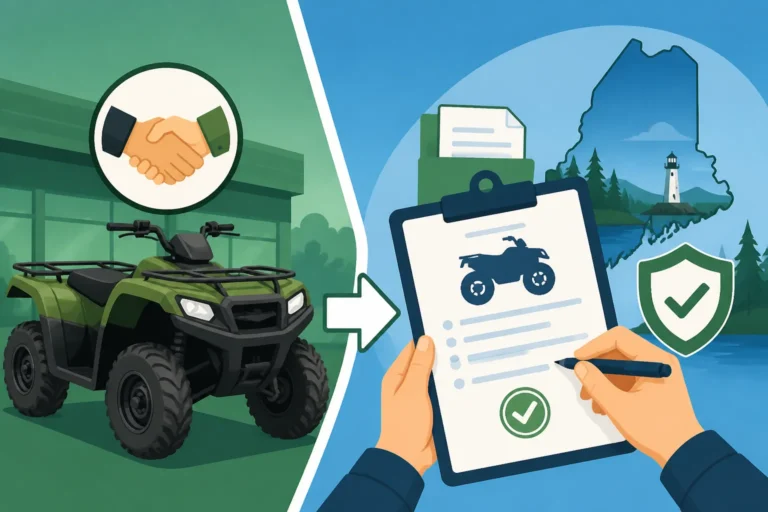
When buying a used ATV, a thorough [Pre-Purchase Inspection Before You Buy a Quad] is highly recommended. Not only will this help you assess the mechanical condition, but it's also an opportunity to confirm the actual engine size and ensure it hasn't been modified to exceed legal limits. Always ask for documentation and verify the VIN to confirm the model and engine size. A detailed bill of sale, perhaps using a template from a reputable service like LawDepot, can help ensure all the machine's specifications are clearly documented and agreed upon. This can prevent misunderstandings later on and provide a record of the purchase details.
Who Registers a Youth ATV?
This is a common question, and the answer is straightforward: the ATV must always be registered in the name of an adult. Even if the machine is exclusively for your child to ride, the registered owner must be at least 18 years old. This adult is legally considered the owner and is ultimately responsible for the ATV's compliance with all Maine laws, including registration, safety requirements, and liability.
Here’s why this is important:
- Legal Responsibility: As the adult registrant, you bear the legal responsibility for the ATV. This includes ensuring it is properly registered, insured (if required or desired), and operated in accordance with all state and local laws. If your child is involved in an incident, the registered owner will be the one held accountable.
- Liability: While Maine does not mandate ATV insurance, it's a wise consideration, especially when a minor is operating the machine. Many homeowners' policies have exclusions for recreational vehicles, so a separate policy might be necessary. As the adult owner, you would be the policyholder, further underscoring your legal and financial responsibility.
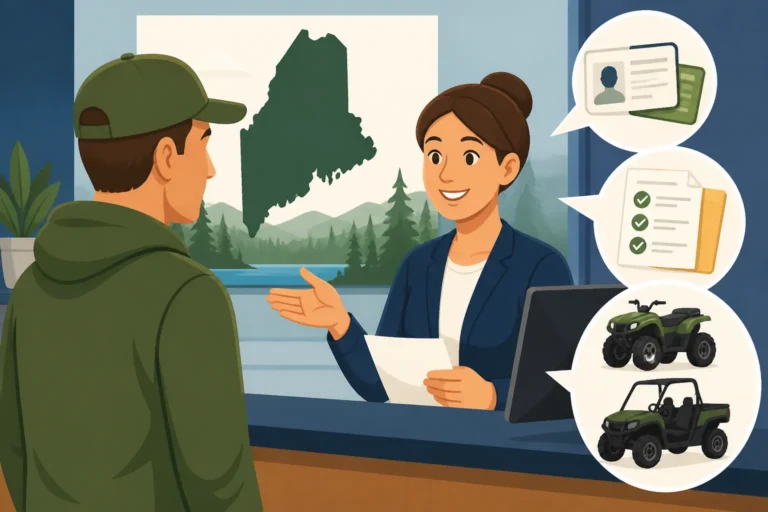
- Registration Process: When you go to register the ATV, whether at your [First-Time Maine ATV Registration at the Town Office] or online, you will provide your own identification and personal information as the owner. The registration certificate will bear your name. You can explore [Whose Name Goes on a Youth ATV Registration] for more details on this process.
When purchasing a used ATV for your child, it's crucial to obtain proper documentation. This includes a clear bill of sale from the seller, which verifies the transfer of ownership to you, the adult. Templates found on sites like LawDepot can be very helpful for creating a legally sound bill of sale that protects both parties. This document is essential not only for the registration process but also as proof of ownership if there's ever a question about the ATV's history or if you need to demonstrate how you acquired the machine, for example, if the original owner didn't have much paperwork. A good bill of sale from LawDepot can prevent headaches down the road.
Remember, while the ATV might be "for" your child, it's your name on the registration, making you the primary responsible party. This arrangement ensures that there is always a legally accountable adult overseeing the use of the ATV, upholding Maine's commitment to safety and responsible recreational practices.
Practical Considerations for Riding with Young ATV Enthusiasts in Maine
Getting the right machine and handling the registration is just the beginning. Integrating your young rider into the vibrant Maine ATV community safely and responsibly requires careful attention to where they can ride and ensuring they have all the necessary safety gear and ongoing training.
Where Can Young Riders Operate Their ATVs?
Understanding where your young rider can legally operate their ATV is just as critical as knowing the engine size limits. Maine's regulations are designed to provide safe riding opportunities while protecting vulnerable areas and respecting private property. It's not a free-for-all, and adherence to these guidelines is crucial for the continued success and access of the entire ATV trail system.
The primary distinction is between private land and public access trails. If you own private property, or if you have explicit permission from a landowner, your child (aged 10-15, on a 90cc or less ATV, with adult supervision) can ride there. This is often the best place for beginners to learn and practice in a controlled environment without the added variables of other trail users or complex terrain. Always ensure you have [Landowner Permission on Maine ATV Trails] if you're not on your own land, and remember that "express permission" means a clear agreement, not just assuming it's okay.
When it comes to Maine's extensive network of public ATV trails, young riders are generally welcome, provided they meet all the legal requirements:
- Age and Engine Size: As discussed, they must be 10-15 years old and riding an ATV 90cc or less.
- Safety Course: They must possess a valid ATV safety certificate.
- Adult Supervision: They must be under the direct supervision of an adult aged 18 or older.
These trails are maintained by clubs and the state, and they are designed for recreational use. You can explore [Maine ATV Trails That Allow ATVs] to find suitable locations. However, there are significant restrictions regarding public ways and designated ATV access routes. Generally, youth riders cannot operate an ATV on public roads, even those designated as ATV access routes, unless very specific, often supervised, conditions are met, and usually not alone. This means riding directly from your home onto a public road to get to a trail is often not permissible for young riders, and certainly not without direct adult accompaniment and adherence to road rules.
It’s also crucial to remember that local municipalities in Maine can impose their own restrictions. What might be allowed in one town could be strictly prohibited in another. Always check [Maine Town Ordinances That Restrict ATVs] before heading out, especially if you're exploring a new area. These local rules often dictate whether ATVs are allowed on town roads or within certain village centers, and they can be stricter than state law. Ignorance of these local ordinances is not an excuse, and violating them can lead to fines and, more importantly, loss of access for all riders. By understanding and respecting these boundaries, you help ensure that ATVing remains a welcome activity in communities across Maine.
Essential Safety Gear and Training Beyond the Basics
While Maine law focuses on engine size and safety courses, ensuring your young rider has the proper safety gear and receives ongoing training is paramount for their well-being and confidence on the trails. The right gear can prevent serious injuries, and continuous skill development builds safer, more capable riders.
The Absolute Must-Haves in Safety Gear:
- Helmet: This is non-negotiable and legally required for all riders under 18 in Maine. Ensure the helmet meets safety standards (DOT and/or ANSI certified) and fits snugly. There's plenty of guidance on [Maine Helmet Rules for Riders Under 18] and [DOT vs ANSI Helmet Standards for Riders] to help you choose wisely. A helmet that's too loose or too large can be just as dangerous as not wearing one at all.
- Eye Protection: Goggles or a full-face shield are essential to protect against dust, debris, insects, and low-hanging branches. Clear lenses are great for cloudy days or wooded trails, while tinted options are better for bright sunlight.
- Gloves: Sturdy gloves protect hands from blisters, abrasions, and impacts. They also improve grip on the handlebars.
- Long-Sleeved Shirt and Pants: Even on warm days, long clothing (preferably durable material like denim or specialized riding gear) provides a layer of protection against scrapes, branches, and sun exposure.
- Over-the-Ankle Boots: Proper boots protect feet and ankles from impacts, provide good grip on the footpegs, and offer support. Sneakers or open-toed shoes are definitely out.
Beyond the initial safety course, ongoing training and practice are invaluable. Start your young rider in an open, flat area to master basic controls like throttle, braking, and steering before moving to more varied terrain. Supervised practice in controlled environments builds confidence and muscle memory. Teach them about proper riding posture, how to look ahead, and how to anticipate changes in trail conditions.
Consider the "buddy system" when riding with youth. It's not just about compliance with supervision laws; it's about mutual support and safety. Ride at a pace that is comfortable for your child, and stop frequently for breaks. Communication is key – talk about upcoming terrain, potential hazards, and how to react.
Finally, prepare for the unexpected. Even on well-maintained trails, breakdowns or minor incidents can occur. Carry a basic first-aid kit, water, snacks, and tools for minor repairs. In many parts of Maine's backcountry, [Maine Cell Dead Zones on ATV Trails] are common, so consider carrying a satellite messenger or letting someone know your planned route and estimated return time. Teaching your child how to signal for help or what to do if separated from the group are important life skills that extend beyond ATV riding. By combining the right gear, continuous training, and smart planning, you can ensure your young rider enjoys the trails safely and responsibly for years to come.
Here's a quick summary of Maine's key requirements for young ATV riders:
| Age of Rider | Max Engine Size (CCs) | Safety Course Required | Adult Supervision Required (18+) | General Operating Areas |
|---|---|---|---|---|
| Under 10 | Not specified (but essentially limited to private property) | No | Yes (Parent/Guardian) | Parent/Guardian's property or with landowner permission only |
| 10-15 | 90cc | Yes (Certified by state) | Yes | With permission on private land, or on designated public trails |
| 16 and Over | No Limit | No (Recommended) | No | With permission on private land, or on designated public trails |
Disclaimer
This article is for general informational purposes only and does not constitute professional advice. Laws, prices and regulations vary by location and change over time. Consult a qualified professional for guidance on your specific situation.