Registering a Used ATV Bought From a Dealer
So, you’ve taken the plunge and bought a used ATV or UTV from a dealership here in Maine! That's fantastic news, and honestly, it’s often a smoother path than navigating a private sale, with fewer unknowns. But even with a reputable dealer doing much of the heavy lifting, you might still feel a swirl of questions about what comes next for registration. This guide is here to walk you through exactly what you need to do, what to expect from the dealer, and how to get your new-to-you machine legally ready for Maine's incredible trails.
The Initial Excitement and the Immediate Questions
There’s nothing quite like the thrill of finding "the one" – that perfect used ATV or UTV sitting on a dealer's lot, just waiting for new adventures. You sign the papers, shake hands, and suddenly, you’re picturing yourself cruising through the woods of Aroostook or exploring the vast trail networks around Jackman. But then reality sets in: there's still a bit of official business to handle before you can hit the dirt.
Why Buying From a Dealer Feels Different
When you buy a used machine from a licensed dealer, you're generally benefiting from a more streamlined process than if you were dealing with a private seller. Dealers are accustomed to handling sales, and they often have processes in place to help you with the initial paperwork. They usually ensure the machine has a clear title (if applicable, though Maine doesn't title ATVs, so that's a common point of confusion for new buyers!), that any outstanding liens are satisfied, and that you receive a proper bill of sale. This can cut down on some of the headaches and potential pitfalls associated with private transactions, where verifying ownership history or getting accurate sales documents can sometimes feel like a treasure hunt.
However, even with a dealer, it's not entirely hands-off. You'll still need to be an active participant in gathering some key documents and understanding the steps to finalize your registration. Think of the dealer as a fantastic starting line, but you're still the one running the race to the finish line of a fully registered machine.
What Paperwork Should You Expect at the Dealership?
Before you even leave the dealer's lot, you should have a clear understanding of what paperwork they're providing you. This isn't just about what they think is important; it's about what you need for registration later. At a minimum, you should walk away with a detailed Bill of Sale from the dealership. This document is your proof of ownership and purchase, and it's absolutely crucial for registration. It should clearly list the buyer's name, the seller's name (the dealership), the machine's make, model, year, and most importantly, its Vehicle Identification Number (VIN). Without this, you might run into issues proving ownership later.
Often, the dealer will also provide you with a copy of the previous owner's registration or a bill of sale if they took the machine on trade. While Maine doesn't require a title for ATVs, having a clear chain of ownership is important. They might also give you documentation related to any financing you secured through them, warranty information, or a [Maine ATV Purchase Paperwork Checklist] to help you keep track of everything. It's also common for dealers to handle the calculation and collection of [Maine Sales Tax on an ATV Purchase] at the point of sale, which simplifies things for you down the road.
Understanding Maine's Registration Requirements for Used ATVs
Getting your used ATV or UTV registered in Maine isn't overly complicated, but it does require attention to detail. Knowing what the state requires upfront will save you time and frustration. It's not just about showing up with a machine; it's about showing up with the right documentation.
Key Documents You'll Need to Gather
When you head to your town office or get ready to register online, you'll need several pieces of information and specific documents. First and foremost, you'll need that Bill of Sale from the dealer. This document serves as your primary [Proof of Ownership for a Maine ATV Registration]. Ensure it's clear, legible, and contains all the necessary details, especially the VIN. Many town clerks will scrutinize this document closely, looking for accurate buyer and seller information, the date of sale, and the purchase price.
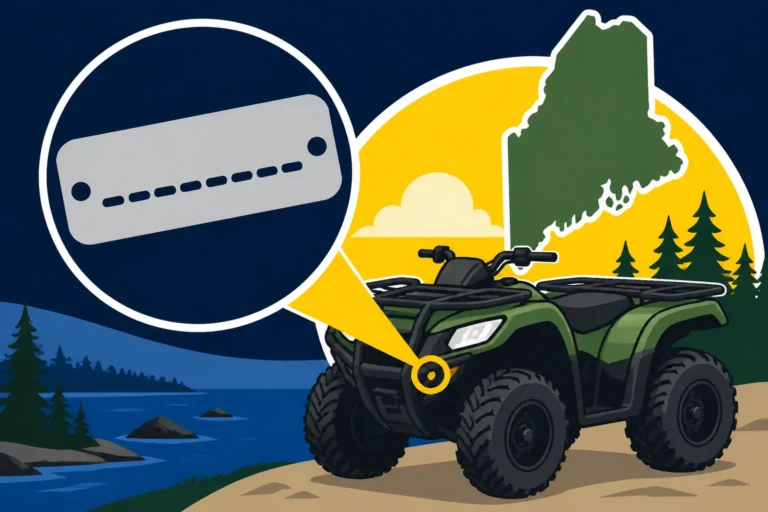
You'll also need personal identification, typically a valid driver's license or state ID. If you're a non-resident, you'll still need photo identification from your home state. For the machine itself, you'll need its VIN. This number is usually located on the frame, sometimes stamped on the front frame tube or near the engine mount. It's good practice to write this down beforehand, as well as the make, model, and year of the machine. If the previous owner's registration paperwork was provided by the dealer, bring that along too, as it can help verify details, even if it's not strictly required for a new registration in your name.
Sales Tax and Use Tax Considerations
One of the big advantages of buying from a dealer is that they typically handle the sales tax for you at the time of purchase. In Maine, sales tax is due on the purchase price of the ATV or UTV. When you buy from a licensed dealer, they collect this tax and remit it to the state. This means when you go to register your ATV, you shouldn't have to pay sales tax again, as long as you have proof that it was already paid. Your dealer's bill of sale or purchase agreement should clearly indicate the sales tax collected.
However, if for some unusual reason the dealer didn't collect the sales tax (which would be very rare for an in-state dealer), you would be responsible for paying it at the time of registration. This is also where the concept of [Use Tax When You Bring an ATV Into Maine] comes into play. If you bought the used ATV from a dealer outside of Maine and then bring it into the state to register, you'd be liable for Maine's use tax, which is essentially the sales tax on goods purchased out-of-state and brought here for use. In that scenario, your out-of-state dealer's bill of sale would still be crucial to determine the purchase price for tax calculation. Always keep all your purchase receipts and documentation organized to avoid any confusion or double payments.
The Dealer's Role in Your Registration Process
While you're ultimately responsible for getting your ATV registered, a good dealer will often play a significant, helpful role in making the initial steps smoother. They know the drill, and they understand what documentation you’ll need to make your life easier.
What a Reputable Dealer Handles For You
A key benefit of buying from a dealer is that they often streamline the sales and ownership transfer process. For instance, many dealers are authorized to collect sales tax on behalf of the state, ensuring that this crucial step is handled before you even leave their lot. They will provide you with a legitimate bill of sale, which is the cornerstone of your registration application. This isn't just a scribble on a napkin; it's a formal document with all the necessary details about the transaction, including the VIN, which is vital for proving the machine's identity. Some dealers might even help you fill out parts of the registration application or provide you with direct guidance on where to go next, especially if you're new to the area or new to ATV ownership in Maine. They often have experience with what [What a Maine Town Clerk Asks For at the Counter] and can anticipate common questions.
They should also ensure that any outstanding liens on the vehicle are cleared before the sale. While Maine doesn't title ATVs, a dealer will perform due diligence to ensure you're getting a machine free and clear of any encumbrances from previous owners. This helps prevent future headaches where a past owner's debt could somehow be linked to your newly purchased machine. They handle the transfer of ownership records on their end, officially removing the ATV from their inventory and placing it in your name through their sales documentation.
Why You Still Need to Double-Check Everything
Even with a reputable dealer, it's absolutely crucial for you to be vigilant and double-check all the paperwork before you drive away. Mistakes can happen, or certain pieces of information might be overlooked. Make sure the VIN on your bill of sale exactly matches the VIN physically stamped on the ATV. An incorrect VIN can lead to significant delays and complications when you try to register your machine, potentially even requiring a new bill of sale from the dealer. This is especially true if you plan to get a new [Maine ATV Registration Number Format], as the VIN is the primary identifier.
Also, verify that the purchase price, sales tax collected (if any), and your personal information are all accurate on the bill of sale. If you're using a service like LawDepot to draft any supplemental personal agreements or checklists for your own records, make sure those align perfectly with the dealer's official documents. Don't be shy about asking questions if something seems unclear or if a piece of paperwork you expected isn't provided. Your goal is to leave the dealership with everything you need to confidently complete your registration without having to make a second trip back. Remember, once you leave, rectifying issues can be much more time-consuming.
Where to Actually Register Your ATV in Maine
Once you have all your paperwork in order from the dealer, it’s time to choose where you’ll complete the actual registration process. Maine offers a couple of convenient options, each with its own advantages.
Registering at Your Local Town Office
For many Maine residents, heading to their local town office is the most straightforward way to register an ATV. The process is often quick, and you get your registration sticker and paperwork right then and there. Town offices are generally equipped to handle [Registering an ATV at Your Maine Town Office] for residents and sometimes even non-residents, depending on the town. You'll bring in your dealer's bill of sale, your personal ID, and be prepared to pay the registration fee. The friendly clerk will guide you through the short form, process your payment, and issue your official registration certificate and the all-important sticker.
This method is particularly great if you have any questions, as you can get immediate answers from a knowledgeable person. It also provides that instant gratification of walking out with a valid registration, meaning you're legally ready to ride. Plus, supporting your local town office keeps those services running smoothly for everyone. Just be sure to check your town office's hours of operation before you go, as they can vary.
Using the Maine IF&W Online System (with caveats)
Maine also provides an online registration system through the Department of Inland Fisheries and Wildlife (IF&W) website. This can be incredibly convenient, allowing you to register from the comfort of your home, any time of day or night. However, for a first-time registration of a machine you just bought from a dealer, the online system might have some limitations. While it's excellent for renewals, some first-time registrations, especially those requiring proof of sales tax payment or detailed ownership verification, sometimes necessitate an in-person visit. It’s always a good idea to check the IF&W website directly or call your town office to see if your specific situation qualifies for online registration as a first-time owner.
If you can register online, you’ll typically input the VIN, your personal details, and the purchase information from your dealer’s bill of sale. You’ll pay the registration fee electronically. One key difference with online registration is that you won't get your physical sticker immediately. You will usually receive a temporary confirmation page that you can print out and carry with you, which allows you to ride legally while you wait for the physical sticker to arrive in the mail. This interim step is vital if you're eager to hit the trails quickly. For more details, you can look up [Maine IF&W Online Registration Walkthrough].
| Registration Method | Advantages | Disadvantages | Documents Needed |
|---|---|---|---|
| Local Town Office | Instant registration certificate & sticker; personal assistance; immediate answers to questions; supports local services. | Limited office hours; requires travel; potential wait times depending on foot traffic. | Dealer's Bill of Sale (proof of ownership & sales tax paid), Valid Photo ID, Machine VIN, Payment for registration fee. |
| IF&W Online | 24/7 access from anywhere; convenient for busy schedules; immediate printable temporary registration. | Physical sticker arrives by mail (takes time); might not be available for all first-time registrations; no direct assistance for questions. | Dealer's Bill of Sale (information for VIN, purchase date, cost), Valid Photo ID details, Payment method (credit card). |
What Happens After You Register (Stickers and Confirmation)
So, you’ve done it! You’ve navigated the paperwork, chosen your registration method, and paid your fees. Now what? There are a couple of important steps to ensure you’re fully compliant and ready to enjoy Maine’s trails.
Riding Legally While You Wait for Your Sticker
If you registered your ATV at a town office, congratulations! You likely walked out with your physical registration certificate and sticker right then and there. You’re good to go. However, if you used the [Maine IF&W Online Registration Walkthrough], you’re probably looking at a temporary confirmation page. This is perfectly legal to carry with you! It serves as your official proof of registration until your physical sticker arrives in the mail from IF&W. The confirmation page will have a temporary registration number and validity date. This means you don't have to put your riding plans on hold, even if you’re still waiting for that shiny new decal.
It’s always a good idea to print multiple copies of this confirmation page. Keep one in a waterproof bag on your ATV, one in your wallet, and perhaps one at home. You never know when a warden might stop you for a routine check, and having that proof readily available will save you any hassle. Many riders worry about [Riding Before Your Stickers Arrive], but with that confirmation page, you're absolutely in the clear.
Where to Affix Your New Maine Registration Decal
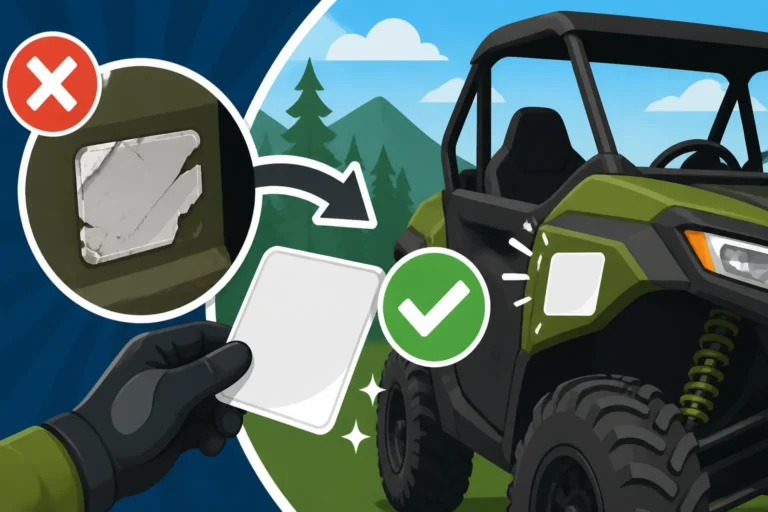
Once that coveted registration sticker arrives in the mail, or if you got it instantly at the town office, the next step is crucial: proper placement. Maine law is pretty specific about [Where to Stick a Maine ATV Registration Decal]. It needs to be clearly visible and permanently affixed to the front of your ATV or UTV. The front fender is usually the go-to spot for ATVs, while UTVs often place it on the front bumper or the front body panel, as long as it's conspicuous.
The sticker typically comes in two parts: the main registration decal with your unique registration number, and a smaller validation sticker that shows the expiration year. You'll place the small year sticker in the designated box on the larger decal. Make sure the surface is clean and dry before applying to ensure it adheres well and doesn't peel off, especially with varying Maine weather. Proper placement isn't just a suggestion; it's a legal requirement, and wardens will be looking for it. A correctly displayed sticker ensures you’re easily identifiable as a legally registered rider.
Troubleshooting Common Hurdles
Even when buying from a dealer, sometimes unforeseen issues can crop up. Knowing how to handle these common hurdles can save you a lot of stress and ensure your registration process goes smoothly.
Missing Paperwork from the Dealer
While dealers are generally very good about providing all the necessary documents, sometimes things get overlooked, or an error occurs. What if you realize a few days later that your bill of sale is missing a critical piece of information, like the VIN, or you never received a document proving sales tax was paid? The first step is to immediately contact the dealership. Most reputable dealers will be happy to rectify the situation quickly, understanding that accurate paperwork is essential for you to register your machine.
If for some reason you can't get the necessary paperwork from the dealer (a rare but possible scenario if a dealer goes out of business, for example), you might face a trickier situation. In such cases, you might need to compile other forms of [Proof of Ownership for a Maine ATV Registration], such as cancelled checks, bank statements, or even a sworn affidavit. However, it's always best to get the original documentation from the source. Maine’s IF&W and your town clerk can offer guidance in these unique circumstances, but it's a path best avoided by being diligent at the time of purchase.
Dealer "Documentation Fees" and What They Cover
You might notice a line item on your purchase agreement called a "documentation fee" or "doc fee." This is a common practice in the automotive and powersports industries. [Dealer Documentation Fees on an ATV] are generally charged to cover the administrative costs associated with processing your purchase paperwork. This can include preparing the bill of sale, handling the sales tax remittance, filing any necessary forms, and ensuring all legal documents are in order.
These fees are typically legitimate, but it's always wise to ask the dealer for a clear explanation of what their specific documentation fee covers. While you usually can't negotiate these fees (as they are often standard practice for a dealership), understanding their purpose can provide peace of mind. What they shouldn't cover is the actual registration fee that you pay to the state or town – that's a separate cost you'll incur when you officially register your ATV. Knowing the difference ensures you’re not paying for the same service twice and helps you understand the full cost of getting your new-to-you machine on the trails.
Disclaimer
This article is for general informational purposes only and does not constitute professional advice. Laws, prices and regulations vary by location and change over time. Consult a qualified professional for guidance on your specific situation.