Insurance for a Road-Ridden UTV
Navigating the world of UTVs is already an adventure, but throw in the desire to make your side-by-side street legal in Maine, and suddenly you're facing a whole new layer of complexity, especially when it comes to insurance. It's not just about protecting your investment anymore; it's about safeguarding yourself and others when you take that machine onto public roads, which presents unique risks that a standard off-road policy simply doesn't cover. This guide aims to unravel the intricacies of insuring a UTV that's been modified and approved for road use here in the Pine Tree State, helping you understand what's required, what's smart, and how to protect your passion.
Understanding the Maine Landscape for Road-Ridden UTVs
Maine is a fantastic state for UTV enthusiasts, with thousands of miles of trails. However, the minute you want to expand your riding beyond the dirt and gravel onto paved public ways, you enter a different legal and insurance arena. It's a jump many folks want to make, whether to connect trails, run into town for supplies, or simply enjoy a different kind of ride. But that jump comes with serious considerations.
Maine's Approach to UTV Road Use
Here in Maine, making a UTV street legal isn't as straightforward as just slapping a license plate on it. The state has a detailed, albeit sometimes confusing, set of requirements that transform your off-road machine into something that can legally share the asphalt with cars and trucks. This typically involves adding specific safety equipment like turn signals, brake lights, headlights, a horn, mirrors, and often a windshield and DOT-approved tires. It's a significant undertaking, and each modification is made with road safety in mind. Many owners turn to aftermarket suppliers, like SuperATV, for reliable parts that meet these strict requirements, ensuring their machines are ready for the road.
The core idea is to equip your UTV to be as visible and controllable as other vehicles on the road. This isn't just about passing an inspection; it's about genuinely increasing safety for everyone. The modifications you make directly influence how an insurance company views the risk associated with your UTV. A UTV with proper [Street-Legal UTV Equipment Lists] is generally seen as a more responsible and insurable vehicle for road use.
The Legal Requirement for Road Insurance
Once your UTV is deemed street legal and you intend to operate it on a public road in Maine, it generally falls under the same motor vehicle insurance laws as your car or truck. This is a critical distinction that many UTV owners overlook. Your standard off-road registration and any basic trail-only liability policy likely won't cut it. The moment your wheels hit that paved public way, you are subject to the same insurance requirements as any other registered motor vehicle.
This shift from "off-road recreational vehicle" to "motor vehicle" for insurance purposes carries significant weight. Without the correct policy, you're not just risking a ticket; you're exposing yourself to immense personal financial liability in the event of an accident. It's a stark contrast to operating solely on private land or designated trails, where insurance might be optional or covered under a more basic recreational vehicle policy. Maine wants to ensure that anyone operating a vehicle on its public roads has the financial means to cover damages or injuries they might cause.
Distinguishing Between ATV and UTV Insurance Needs
While ATVs and UTVs are both off-highway vehicles, their insurance needs for road use can differ considerably. UTVs, or side-by-sides, often come with higher price tags, more complex engineering, and the capacity to carry multiple passengers, sometimes even up to six people. This increased value and passenger capacity significantly impact potential liability and medical payment coverages. For instance, a policy covering bodily injury for one person on an ATV might be wholly inadequate for a UTV carrying a family of four.
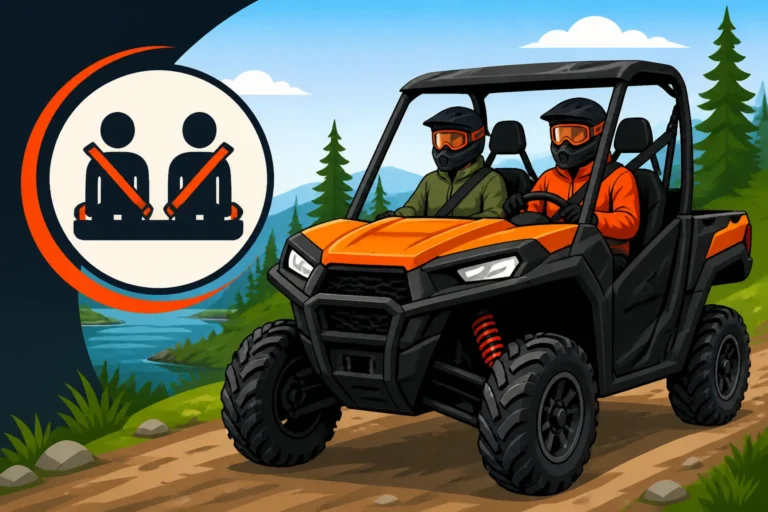
The design of a UTV, often with a roll cage, doors, and seatbelts, also makes it a different risk profile. While offering more protection than an open ATV, they are still exposed vehicles compared to cars. Insurers consider these factors, alongside typical usage scenarios – many UTV owners use their machines for more than just recreational trail riding, often incorporating utility tasks or even commuting on shorter road sections. This versatility, while appealing, means a more robust and comprehensive insurance approach is usually necessary.
The Core of UTV Insurance: Why It's Different on the Road
Taking your UTV from the rugged backcountry trails to the public roads of Maine is a game-changer, not just for how you ride, but for how your insurance works. The risks involved multiply dramatically, and your insurance needs to evolve to match those new realities. Ignoring this fundamental shift can leave you vulnerable in ways you might not have anticipated.
Beyond Trail Liability: Understanding Road Risks
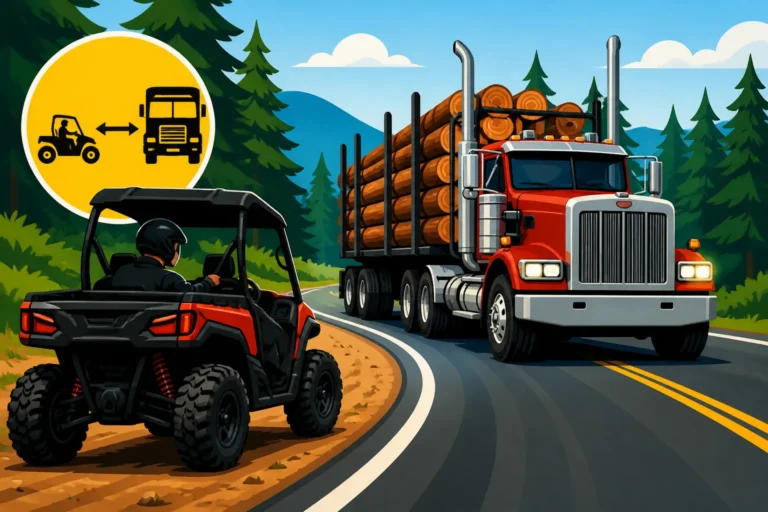
When you're out on the trails, the typical risks involve hitting a tree, rolling over on uneven terrain, or perhaps a minor collision with another off-road machine. These incidents, while serious, usually involve different speeds and different types of property damage or injuries. On a public road, however, your UTV is now interacting with full-sized passenger vehicles, commercial trucks, motorcycles, and pedestrians. The speeds are higher, the mass differences are enormous, and the potential for severe damage, catastrophic injury, or even fatalities becomes a very real concern.
Imagine a scenario where your UTV, even equipped with quality aftermarket parts like those from SuperATV, is involved in a collision with a car at 45 miles per hour. The damage to both vehicles and the potential for serious injuries to everyone involved are far greater than a typical trail incident. Your insurance needs to reflect this elevated level of risk. A minor fender-bender with a tree limb is one thing; a multi-vehicle accident on a busy road is an entirely different beast, with much higher potential claim costs.
Bridging the Gap from Recreational to Road Vehicle
Most standard off-road recreational vehicle policies are designed with specific limitations. They might cover theft, fire, or damage to your UTV while it's on a trailer or stored, and provide some liability for trail use. However, they almost universally exclude or severely limit coverage when the vehicle is operated on public roads. This means that assuming your existing policy will simply "stretch" to cover road use is a dangerous gamble.
A street-legal UTV policy needs to be a hybrid, blending the best aspects of recreational vehicle insurance (like coverage for custom parts or off-road adventures) with the critical components of standard auto insurance (like comprehensive liability for road incidents). This often requires a specific endorsement added to an existing policy, or, more commonly, an entirely separate policy that explicitly states coverage for road use. Without this specific inclusion, you could find yourself completely uncovered in a road accident, facing significant out-of-pocket expenses and potential lawsuits.
The Role of State Minimums and Personal Comfort
Just like with cars, Maine has established minimum liability insurance requirements for any motor vehicle operating on its public roads. These minimums are designed to ensure that basic costs associated with an accident (bodily injury and property damage) can be covered. However, it’s crucial to understand that "minimum" rarely equates to "adequate" when it comes to severe accidents.
While meeting the state's minimums is a legal necessity, many UTV owners find peace of mind by securing coverage well beyond these basic thresholds. The cost of medical care and vehicle repairs can quickly exceed minimum policy limits, leaving you personally responsible for the remainder. Given the inherent exposure of riding a UTV on roads, opting for higher liability limits can be a wise financial decision, protecting your assets and your future in the face of an unforeseen incident.
Key Coverage Types for Street-Legal UTVs in Maine
When you're rolling your UTV down a Maine road, you're not just riding; you're operating a motor vehicle, and your insurance needs to reflect that reality. Understanding the different types of coverage available isn't just about checking boxes; it's about building a safety net that protects you, your passengers, your valuable machine, and other motorists on the road.
Essential Liability Coverage
This is the cornerstone of any street-legal UTV insurance policy and is mandatory for road operation in Maine.
- Bodily Injury Liability: This coverage steps in if you are at fault in an accident and cause injury or death to another person. It helps pay for their medical expenses, lost wages, and pain and suffering. Given the vulnerability of UTVs on public roads, and the potential for serious harm to occupants of other vehicles or pedestrians, having robust bodily injury liability limits is incredibly important. You want to ensure that if the worst happens, you're not facing personal bankruptcy due to someone else's injuries.
- Property Damage Liability: If your UTV is involved in an accident and you're at fault for damaging someone else's property – whether it's their car, a guardrail, a building, or a fence – this coverage pays for the repairs or replacement. Imagine hitting a luxury vehicle; the repair costs alone could be staggering. Again, higher limits here offer greater protection.
It's tempting to opt for the lowest possible liability limits to save on premiums, but for a street-legal UTV, this can be a false economy. The potential for high claim costs in a road accident means that carefully considering and likely increasing these limits beyond the state minimums is a responsible financial decision. Don't just meet the requirement; aim for coverage that truly protects your assets.
Protecting Your Investment: Collision and Comprehensive
While liability covers others, collision and comprehensive coverage are about protecting your own street-legal UTV. These are typically optional but highly recommended, especially considering the investment you've made in your machine and any [Street-Legal UTV Equipment Lists] you've added.
- Collision Coverage: This pays for damages to your UTV if it collides with another vehicle, an object (like a tree or a pole), or if it rolls over, regardless of who is at fault. If you've just invested in a brand new side-by-side and kitted it out for road legality, you'll definitely want this. The cost of repairing UTV components can be significant, especially if you've added specialized parts for the street-legal conversion. This coverage ensures that your machine isn't a total loss after an accident.
- Comprehensive Coverage: This is your protection against non-collision events. Think of things like theft, fire, vandalism, falling objects, or even hitting an animal (a common occurrence on Maine roads!). If your UTV is stolen from your garage or catches fire, comprehensive coverage helps cover the repair or replacement costs. This is particularly valuable given the relative ease with which UTVs can be stolen compared to a car.
These coverages come with a deductible, which is the amount you pay out of pocket before your insurance kicks in. Choosing a higher deductible can lower your premium, but make sure it's an amount you'd be comfortable paying if you needed to make a claim.
Medical Payments and Uninsured/Underinsured Motorist
These two coverages add another layer of protection for you and your passengers, filling potential gaps in other policies.
- Medical Payments (MedPay): This coverage helps pay for medical expenses for you and your passengers if you're injured in an accident, regardless of who was at fault. It can cover things like ambulance fees, hospital stays, and doctor visits, up to your policy limit. This is particularly valuable for UTV riders, who are more exposed to injury than those in enclosed vehicles. It can kick in quickly to cover immediate medical costs, even before fault is determined.
- Uninsured/Underinsured Motorist (UM/UIM): This is a critically important coverage, especially given that not everyone on the road carries adequate insurance. If you're involved in an accident where the other driver is at fault but either has no insurance (uninsured) or not enough insurance to cover your damages (underinsured), UM/UIM coverage protects you. It pays for your medical expenses, lost wages, and other damages that the at-fault driver's insurance can't cover. This is a real safety net, as you can't control the insurance decisions of other drivers, but you can protect yourself from their negligence.
Here's a table to help visualize the difference between typical trail-only UTV insurance and what you need for road use:
| Coverage Type | Trail-Only UTV Insurance (Typical) | Street-Legal UTV Insurance (Maine) |
|---|---|---|
| Bodily Injury Liability | Limited or Optional (Trail Inc.) | Required for road use; covers injuries to others you cause. |
| Property Damage Liability | Limited or Optional (Trail Inc.) | Required for road use; covers damage to others' property you cause. |
| Collision | Often Included (Off-road damage) | Recommended; covers damage to your UTV from collisions on or off-road. |
| Comprehensive | Often Included (Theft, fire) | Recommended; covers non-collision damage (theft, fire, vandalism, animal strikes). |
| Medical Payments | Optional or Basic | Recommended; covers medical expenses for you/passengers, regardless of fault. |
| Uninsured/Underinsured Motorist | Rarely Included | Highly Recommended; protects you if at-fault driver has no/insufficient insurance. |
| Custom Parts/Accessories | Often Available as Endorsement | Often Available as Endorsement (important for street-legal modifications, like those from SuperATV) |
Factors Influencing Your Street-Legal UTV Insurance Premiums
When you start shopping for insurance for your road-ridden UTV in Maine, you'll quickly realize that the price isn't a one-size-fits-all figure. A variety of factors play into how an insurance company assesses your risk and, consequently, how much they charge you for coverage. Understanding these elements can help you make informed decisions and potentially save some money.
UTV Model, Modifications, and Value
The specific UTV you own is a primary determinant of your insurance premium.
- The UTV itself: Newer, more powerful, or higher-value UTVs inherently cost more to insure. A premium side-by-side like a Polaris RZR or a Can-Am Defender will likely have higher premiums than an older, less powerful model simply because the cost to repair or replace it is greater. The parts are more expensive, and the technology is more complex.
- Street-legal modifications: The modifications you've made to make your UTV street legal also add to its insured value. Think about a durable windshield, DOT-approved tires, extensive lighting kits, or other safety components from a reputable manufacturer like SuperATV. These aren't just accessories; they're investments that increase the total value of your machine. You'll want to ensure these modifications are accurately accounted for in your policy, often through a custom parts and accessories endorsement, so you're fully covered if they need repair or replacement after an incident.
- The total cost of ownership: Insurers look at the overall cost to repair or replace your specific model. Some UTVs might have parts that are harder to source or more expensive, driving up potential claim costs and, in turn, your premiums.
Your Driving Record and Experience
Just as with your car insurance, your personal driving history is a major factor in determining your UTV insurance rates for road use.
- Motor vehicle record: Any accidents, traffic violations, or DUIs on your regular driver's license will almost certainly impact your street-legal UTV premiums. A clean driving record is your best friend when it comes to keeping insurance costs down. Insurers view past behavior as a strong indicator of future risk.
- Experience: While less impactful than your formal driving record, your general experience with operating recreational vehicles can sometimes play a subtle role. If you're a seasoned rider with years of safe operation under your belt, it might be seen more favorably than if you're a brand-new rider.
- Age: Young, inexperienced drivers typically face higher premiums, a common practice across all types of vehicle insurance due to statistical risk factors. Conversely, more experienced, mature drivers often qualify for lower rates.
Usage Patterns and Storage Location
How and where you use and store your street-legal UTV also influences your premiums.
- Frequency of road use: If you plan to use your UTV extensively on public roads versus primarily for trail connections, this can affect your rate. The more time spent on public ways, the higher the exposure to road-specific risks. Be honest with your insurer about your intended use. Some areas in Maine, for instance, have [Maine Towns That Restrict ATVs on Public Ways], which might indirectly influence usage patterns and associated risks.
- Typical riding areas: Riding primarily in dense urban areas with heavy traffic presents different risks than mostly riding on quiet rural roads. While insurers don't always pinpoint exact routes, the general environment can be a factor.
- Storage security: Where you keep your UTV when it's not in use is important for comprehensive coverage. A UTV stored in a locked garage or a secure facility is generally less prone to theft or vandalism than one parked outdoors or in a less secure location. Providing details about your storage arrangements can sometimes lead to discounts.
- Seasonal use: Some insurers may offer discounts if your UTV is stored for several months out of the year, acknowledging its limited exposure to risk during those periods. If you only ride during the warmer months, inquire about these "laid-up" or seasonal usage discounts.
Navigating the Insurance Marketplace for Road-Ridden UTVs
Finding the right insurance for your street-legal UTV in Maine can feel a bit like searching for a specific trail in a dense forest. There are many paths, and not all of them lead to the best solution for your unique situation. It requires a bit of homework, a keen eye for detail, and a willingness to ask the right questions.
Shopping Around and Comparing Quotes
This is perhaps the single most important step in securing appropriate and affordable insurance for your road-ridden UTV. Never settle for the first quote you receive.
- Cast a wide net: Start by contacting multiple insurance providers. This should include major national carriers that offer auto insurance, as well as companies that specialize in recreational vehicles. Some carriers might offer specific UTV policies, while others might offer an endorsement on an existing auto or motorcycle policy.
- Bundle and save: If you already have home, auto, or even [Maine ATV Insurance and When You Need It] with a particular company, inquire about bundling your street-legal UTV policy. Many insurers offer significant discounts for customers who consolidate multiple policies with them. This is often the easiest way to secure competitive rates.
- Be prepared with details: When requesting quotes, have all the information about your UTV readily available. This includes the make, model, year, VIN, purchase price, and a detailed list of all modifications you've made to make it street legal. Be sure to highlight any significant aftermarket upgrades, especially those from brands like SuperATV, as these additions enhance the value of your machine and need to be covered.
Remember, each insurer has its own underwriting criteria and risk assessment models, so quotes can vary wildly for the exact same coverage. A few extra phone calls or online forms could save you hundreds of dollars annually.
Working with Agents vs. Online Quotes
You have a choice in how you shop for insurance, and each method has its advantages when dealing with a specialized vehicle like a street-legal UTV.
- Independent Insurance Agents: These professionals work with multiple insurance companies and can shop around on your behalf. They are often invaluable for unique situations like street-legal UTVs because they understand the nuances of Maine's laws and can help ensure you get a policy that explicitly covers road use. An agent can explain complex policy language, identify potential gaps in coverage, and advocate for you in case of a claim. For a vehicle that bridges the gap between off-road and on-road, their expertise can be a huge asset.
- Direct Online Quotes: Getting quotes directly from insurance company websites can be fast and convenient. It allows you to quickly compare rates from different providers. However, the downside is that you might miss out on personalized advice, specific endorsements for UTVs, or discounts that an agent might uncover. Online forms might not always capture all the specific details of your street-legal modifications, potentially leading to inaccurate quotes or insufficient coverage down the line.
For the complexities of insuring a street-legal UTV, a hybrid approach might be best: start with some online quotes to get a baseline, then follow up with an independent agent who can review those quotes and potentially find even better options or ensure all your specific needs are met.
Understanding Policy Specifics and Exclusions
Once you have a few quotes in hand, the real work begins: delving into the policy specifics. It's easy to get overwhelmed by the jargon, but taking the time to understand what you're buying is crucial.
- Read the fine print: Critically, ensure the policy explicitly states that your UTV is covered for operation on public roads. Don't assume. Some policies might have language that still limits coverage to "off-road use only" or specifies certain types of roads (e.g., private roads, only where legal). Clarify if there are any restrictions based on the class of road, such as the [Maine's 500-Yard Limit on a Public Way] or specific access routes.
- Custom parts and modifications: If you've invested in modifications to make your UTV street legal, verify that these additions are covered. Many standard policies only cover factory equipment. You'll likely need to add a "custom parts and accessories" endorsement to ensure your new windshield, mirrors, lighting, or performance upgrades are protected. This is especially true if you've added parts from manufacturers known for quality, like SuperATV.
- Exclusions: Pay close attention to any exclusions. Are there specific scenarios where coverage is void? What about racing or competitive use (even if you don't intend to do it)? Are there age restrictions for drivers or passengers? Understand what the policy doesn't cover as much as what it does.
- Deductibles and limits: Clearly understand your deductibles (what you pay before insurance kicks in) and the limits for each type of coverage. Make sure these align with your risk tolerance and financial comfort level. For instance, are the medical payments sufficient to cover likely injuries in an accident involving a UTV?
Taking the time to understand these details upfront can prevent costly surprises down the road. If anything is unclear, don't hesitate to ask your agent or the insurer directly for clarification.
Common Pitfalls and Pro Tips for Maine UTV Owners
Insuring a street-legal UTV is a relatively new and evolving area, which means there are plenty of opportunities for missteps. Learning from common mistakes and adopting a proactive approach can save you a significant amount of headaches, heartaches, and certainly money down the line.
Avoiding the "Standard Auto Policy" Trap
This is arguably the biggest and most dangerous pitfall for street-legal UTV owners in Maine. Many assume that once their UTV is legally registered for road use, their existing car insurance policy will magically extend coverage. This is almost never the case.
- Distinct categories: Insurance companies classify UTVs (even street-legal ones) differently than cars. They are usually under a "recreational vehicle" or "off-highway vehicle" umbrella, even if they've been modified. Your auto policy is specifically designed for conventional passenger vehicles and typically excludes ATVs, UTVs, or side-by-sides.
- The consequences of assumption: Relying on your car insurance for your road-ridden UTV can lead to a catastrophic lack of coverage. If you're involved in an accident on a public road, your claim will likely be denied, leaving you personally responsible for all damages, medical bills, legal fees, and potential lawsuits. Beyond the financial ruin, you could face fines for operating an uninsured vehicle and even have your UTV impounded. Always get a separate policy or a very specific endorsement that explicitly covers your UTV for road use.
- Confirm with your agent: Even if your agent says "we can cover that," ask for proof in writing and ensure the policy language clearly states road coverage for your UTV. Don't leave it to verbal assurances.
Documenting Modifications and Upgrades
Street-legal conversions often involve a substantial investment in parts and labor. Protecting that investment requires meticulous record-keeping.
- Keep all receipts: Save every receipt for parts purchased, especially for critical components from reputable brands like SuperATV that contribute to its street-legal status. This includes things like the windshield, lighting, mirrors, and even performance upgrades.
- Take photos: Document your UTV's condition before and after modifications with clear, timestamped photos. This creates a visual record of your investment.
- Inform your insurer: It's absolutely crucial to inform your insurance provider about all significant modifications and upgrades. If your policy is based on the stock value of your UTV and you add thousands of dollars in street-legal equipment, your coverage could be inadequate in the event of a total loss. Many policies have a "custom parts and accessories" rider or endorsement that you can add to cover these specific items.
- Regular updates: If you make further significant changes to your UTV after the initial policy is in force, update your insurer promptly. Your policy is a living document that needs to reflect the current value and configuration of your machine.
Staying Informed on Maine UTV Laws
Maine's laws regarding UTVs, especially their use on public roads, can evolve. It's the responsibility of the owner to stay current with these regulations.
- Bureau of Parks and Lands: The Maine Bureau of Parks and Lands (BPL) is the primary resource for ATV/UTV laws and regulations. Regularly check their website for updates. They often publish guides or fact sheets on [Maine UTV Registration and How It Differs] for road use.
- Local ordinances: Remember that while the state sets general rules, individual towns and municipalities can have their own ordinances regarding UTV access on local roads. For example, some towns might allow UTVs on specific access routes, while others have strict bans. Always check local regulations for the areas you plan to ride.
- ATV/UTV Clubs: Joining local ATV/UTV clubs in Maine is an excellent way to stay informed. Clubs are often at the forefront of legislative changes, trail access issues, and safety initiatives. They can provide valuable insights into current regulations and upcoming changes that might affect your street-legal UTV.
- Warden Service interaction: If you have questions about specific regulations, the Maine Warden Service is another resource. They are the primary enforcement agency and can offer clarity on specific rules, such as [Maine Warden Enforcement on Public Ways] or [Maine Lighting Requirements for Night Riding].
Being proactive in understanding and adhering to the law not only keeps you compliant but can also impact your insurance. Operating outside of legal parameters can lead to denied claims or policy cancellations, leaving you completely exposed. Staying informed is just another layer of protection for your passion.
Disclaimer
This article is for general informational purposes only and does not constitute professional advice. Laws, prices and regulations vary by location and change over time. Consult a qualified professional for guidance on your specific situation.