Maine ATV Rules During Hunting Season
Picture this: It's prime hunting season in Maine. The air is crisp, the leaves are falling, and you've got your gear ready for that early morning trek into the woods. You know your hunting laws inside and out, but then you look at your trusty ATV, parked and waiting, and a cascade of questions hits you. Can you use it to get to your favorite stand? What about hauling out that trophy buck? It's easy to feel overwhelmed by the sheer volume of regulations, trying to figure out where your off-road machine fits into the delicate dance of hunting season. This guide is here to untangle those knots, helping you understand precisely when and how you can legally and ethically use your ATV during Maine's hunting season, so you can focus on the hunt itself, not the rulebook.
Understanding the Foundation: General Maine ATV Rules That Still Apply During Hunting Season
Let's be clear from the get-go: when hunting season rolls around, it doesn't magically suspend all the regular rules of ATV operation in Maine. Think of it this way: your ATV is still a registered vehicle, and all the general laws that apply to it on the trails and designated access routes are still in full effect. It’s easy to get caught up in the excitement of the hunt and forget the basics, but those basics are exactly what wardens will be looking for.
First and foremost, your ATV must be properly registered. This isn't just a suggestion; it's the law. Whether you're a Maine resident or visiting from out of state, your machine needs current registration stickers prominently displayed. Riding an unregistered ATV, even for a quick hop to a hunting blind, can lead to fines and a quick end to your hunting trip. If you’re unsure about the process, remember that there are resources to help you understand [What It Takes to Register an ATV in Maine] or even options for [Maine Non-Resident Annual ATV Registration] if you're coming from away.
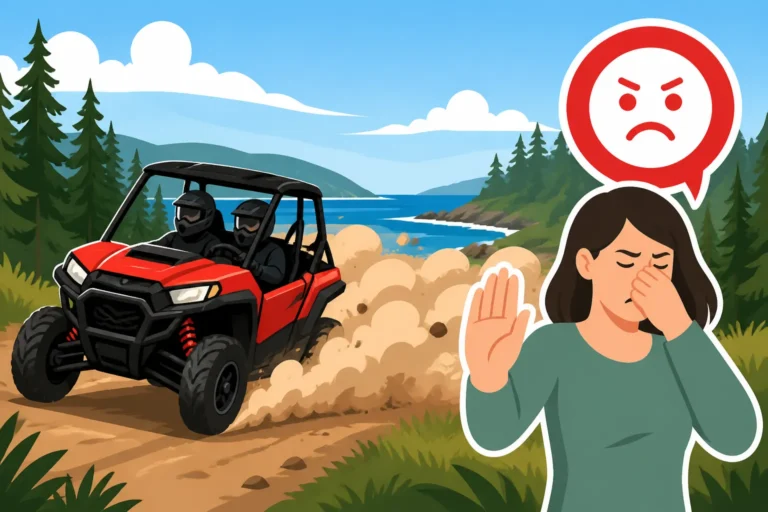
Beyond registration, don't forget the safety essentials. Maine has age restrictions for operators, helmet requirements for younger riders, and rules about operating under the influence. Your muffler still needs to be up to par, and excessive noise can not only draw unwanted attention from law enforcement but also from other hunters and landowners who value the quiet of the woods. It’s all part of being a responsible rider, a responsibility that doesn't diminish just because you're carrying a rifle instead of a fishing rod. The trails you ride, the speed you travel, and how you interact with other users (and non-users) are all still governed by the same regulations you adhere to the rest of the year.
The Importance of Knowing Where You Can Ride
One of the biggest areas of confusion, especially during hunting season, revolves around access. Maine's vast network of trails is a blessing, but not every path is open to ATVs, and not all open paths are suitable for hunting access. You absolutely need to know if you're on a legal trail, a private road with permission, or if you've mistakenly veered onto posted land. This isn't just about avoiding a ticket; it's about respecting the intricate system of access that Maine relies on. Many trails traverse private property, and landowner permission is often conditional and relies on responsible use by all riders.
Many hunters use private camp roads, logging roads, or even old woods trails to access their hunting grounds. While these might seem less formal than the main club trails, they are still subject to property laws. Just because a gate is open doesn't mean you have implied permission to ride an ATV on that land. This is particularly true if you are carrying hunting gear. [Maine ATV Trespass Rules Along Roads] are strict, and straying even a few feet off an approved path onto private property without explicit consent can put you in legal hot water. Always, always verify your route and your right to be there, especially when the stakes are higher during hunting season.
Specific Hunting Season Scenarios: Accessing Stands and Retrieving Game
This is where the rubber meets the trail for many hunters. The question isn't usually if you can use an ATV, but how and where during the actual act of hunting. Maine's laws are designed to promote fair chase and prevent the harassment of wildlife, which means there are specific limitations on using motorized vehicles in conjunction with hunting efforts. Understanding these nuances can save you a lot of grief and ensure your hunt remains both successful and legal.
Accessing Hunting Stands and Remote Locations
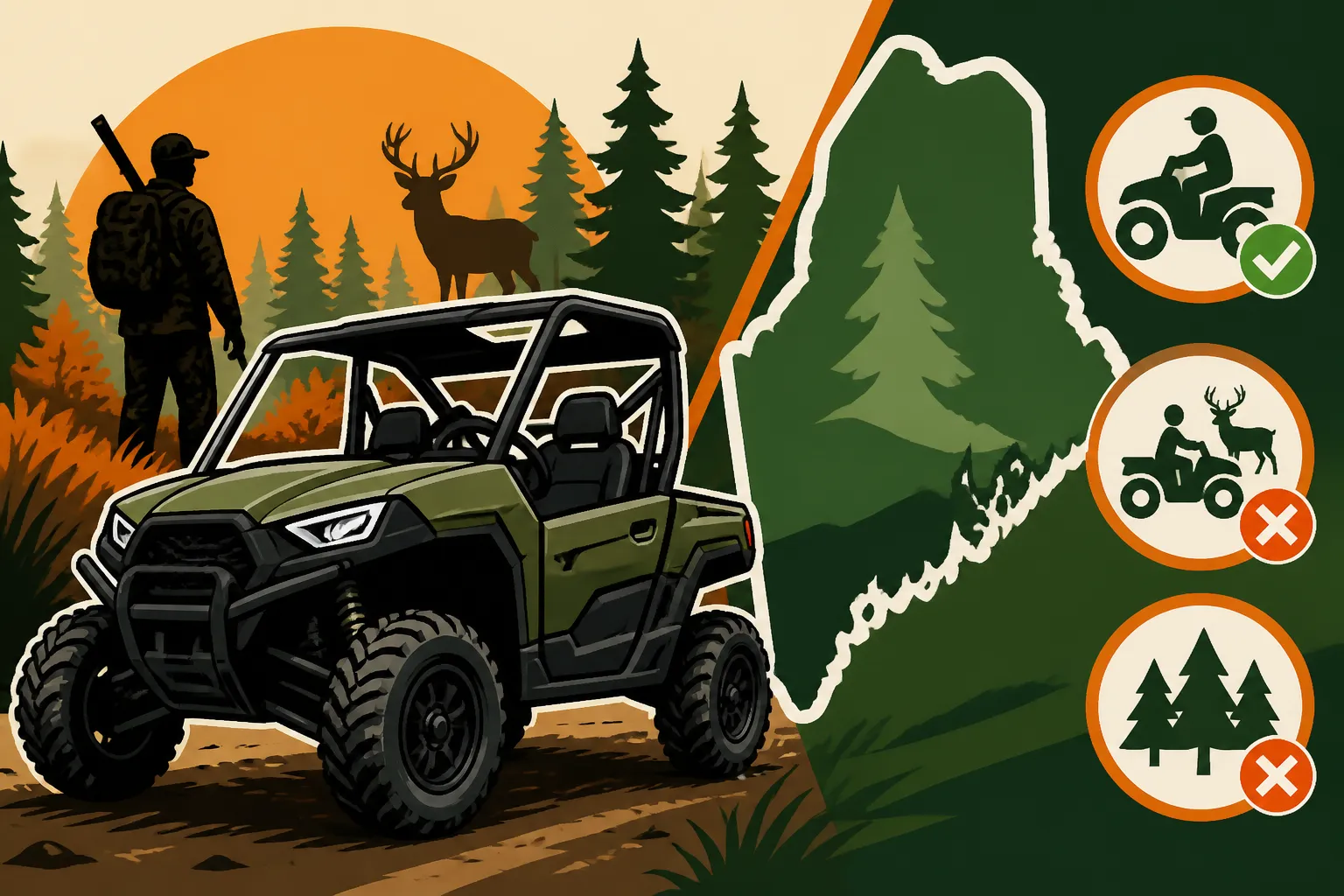
The convenience of an ATV to reach a distant hunting stand, especially if you're packing a lot of gear or hunting in rugged terrain, is undeniable. However, Maine law has clear stipulations. You cannot hunt from an ATV, nor can you shoot across, from, or into the right-of-way of any public way while on an ATV. This means no driving around looking for game and then hopping off for a quick shot. The machine is for transportation, not an elevated blind or a mobile hunting platform.
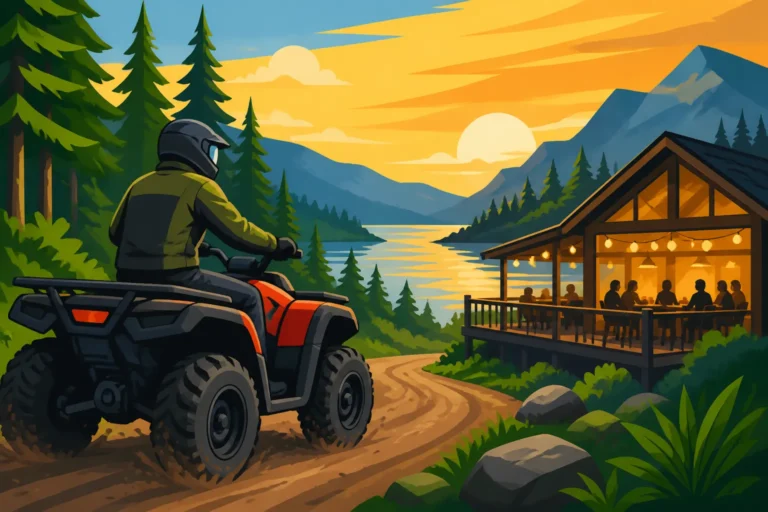
If you're using your ATV to get to your stand, you must ensure you are on legal access routes. This might be a designated ATV trail, a private road with explicit landowner permission, or public reserved land where ATV use is permitted. Remember, [Riding to a Deer Stand on an ATV] is allowed, but only if you are following all other ATV laws and property rules. For instance, riding directly through someone's unposted field to cut a corner, even if it seems harmless, could be trespassing. Always park your ATV a reasonable distance from your stand, turn it off, and continue on foot. The idea is to disassociate the act of hunting from the motorized vehicle itself, ensuring ethical hunting practices are maintained.
The Ethics and Legality of Game Retrieval
So, you've successfully harvested your deer, moose, or bear. Now comes the hard part: getting it out of the woods. This is often where the temptation to use an ATV is strongest, especially with larger game that can weigh hundreds of pounds. Maine law generally allows the use of an ATV to retrieve legally harvested game, but there are critical caveats. You cannot use the ATV to "harass" or "pursue" game. This means if you shot a deer and it ran, you cannot jump on your ATV and chase after it. The ATV's role is strictly for retrieval after the animal has been harvested and is no longer being pursued.
When you're ready to retrieve your game, you must still adhere to all the same access rules as when you were going in. You can't just create a new path through the woods or drive across posted land to get to your animal. If your game is on private property, you need permission from the landowner to enter that land, whether you're on foot or on an ATV. Using a strong winch, like some of the robust options offered by companies such as SuperATV, can be incredibly helpful for safely loading heavy game onto your ATV's rack or a small trailer, making retrieval much more manageable and less strenuous. Just be sure that any modifications or accessories like winches are used responsibly and don't contribute to excessive noise or trail damage. [Hauling a Deer Out by ATV] is a perfectly legitimate use of your machine, provided you respect all other regulations.
Carrying Firearms on Your ATV During the Hunt
This is a critically important area where confusion can lead to serious legal trouble. Maine law is very clear about transporting firearms on ATVs. Any firearm being transported on an ATV must be unloaded and securely cased. This isn't just a suggestion for safety; it's a legal requirement designed to prevent hunting from a motorized vehicle and ensure responsible firearm handling. "Unloaded" means no ammunition in the chamber or magazine, and "securely cased" means it's in a gun case designed for that purpose, completely enclosing the firearm.
This rule applies whether you're traveling a short distance or heading deep into the backcountry. You cannot simply have your rifle slung over your shoulder or resting uncased on your ATV's rack, even if it's unloaded. Investing in a durable, hard-sided gun scabbard or case that securely mounts to your ATV is not only a wise safety choice but a legal necessity. Products designed for secure and protected transport, like those you might find at various outdoor retailers, ensure your valuable firearm is protected from the elements and securely held, preventing it from bouncing out or being damaged. Always ensure your firearm is properly stored before you even start the engine of your ATV. Remember, [Carrying a Firearm on an ATV in Maine] legally is about diligence and adherence to these specific casing and unloading requirements.
Important Considerations for ATV Use on Private and Public Lands During Hunting Season
Understanding property rights and land access is paramount for any hunter in Maine, and this becomes even more critical when an ATV is involved. The relationship between landowners and outdoor enthusiasts is delicate, and irresponsible ATV use, especially during hunting season, can quickly erode that trust, leading to trail closures and resentment.
Private Land: The Golden Rule of Permission
Maine has a long-standing tradition of allowing public access to private lands for recreation, including hunting, but this privilege comes with significant responsibilities. During hunting season, when activity in the woods is at its peak, landowners are often more vigilant about who is on their property and how they are using it. The golden rule remains: always obtain explicit permission before entering private land with your ATV, even if you are only using it for access to hunting grounds. This permission should ideally be in writing, especially if you plan to use an ATV, as verbal permissions can sometimes be misinterpreted or forgotten. A simple text or email exchange detailing what you plan to do can often suffice. [Maine Landowner Permission Rules] are designed to protect both you and the landowner.
Be particularly aware of posted land. You'll often see "No Trespassing" signs or the distinctive purple paint marks on trees and fences. These markings are not suggestions; they are clear legal warnings. [Purple Paint Marks Along a a Maine Road] specifically indicate that the landowner does not grant permission for access. Riding an ATV onto such land, even inadvertently, is a serious violation and can result in significant fines and the loss of your hunting and ATV privileges. Always err on the side of caution. If you're unsure about the ownership or access status of a parcel, assume it's private and seek permission, or simply avoid it. The future of access for all riders and hunters depends on everyone respecting these boundaries.
Navigating Public Lands and Wildlife Management Areas
Maine offers vast tracts of public land, including Public Reserved Lands and Wildlife Management Areas (WMAs), that are open to hunting. However, "public land" doesn't automatically mean "open to ATVs." Each type of public land has its own set of regulations, and these can sometimes be modified during hunting season to protect wildlife, manage habitat, or ensure public safety. It's crucial not to assume that if you can hunt there, you can ride your ATV there.
For instance, while [Maine ATV Rules on Public Reserved Land] generally allow for ATV use on designated trails, specific areas or times might have restrictions. Wildlife Management Areas, managed by the Department of Inland Fisheries and Wildlife (IF&W), are particularly sensitive. Their primary purpose is often habitat protection and wildlife management, so ATV access in these areas can be very limited, especially off established roads or trails. Some WMAs might restrict ATV use entirely during certain periods, or only allow it on specific gravel roads, not on smaller trails. Checking with the Maine Bureau of Parks and Lands (BPL) or the IF&W website for the specific WMA or Public Reserved Land you plan to hunt is always a smart move. [Maine ATV Access to Wildlife Management Areas] is a privilege, not a right, and specific regulations must be respected to maintain that access for everyone.
Staying Legal and Ethical: Avoiding Pitfalls During Maine's Hunting Season
Even with the best intentions, it's easy to make a mistake when combining the excitement of hunting with the convenience of an ATV. Understanding the common pitfalls and committing to ethical practices will not only keep you on the right side of the law but also foster positive relationships with landowners and fellow outdoor enthusiasts. Nobody wants their hunting trip cut short by a warden or a property dispute.
Common Violations and Their Consequences
Maine game wardens are highly visible during hunting season, and they are specifically trained to look for violations related to ATV use. Here are some of the most common mistakes that can lead to a citation:
- Unregistered ATV: As mentioned, this is a basic, yet frequently overlooked, violation. Expect a fine if your machine isn't properly registered.
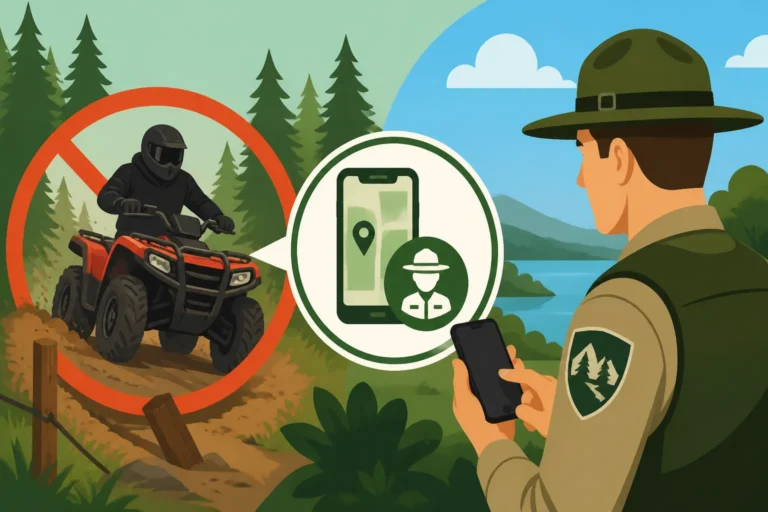
- Trespassing with an ATV: This is a serious offense, particularly if you're accessing posted private land without permission. [Reporting an ATV Trespass to the Warden Service] is something landowners can and do initiate, leading to direct confrontations and legal action.
- Hunting from a Motorized Vehicle: This is a major no-no. Shooting from an ATV, or using it to pursue or harass game, is illegal and unethical. The penalties can be severe, including substantial fines and loss of hunting privileges.
- Uncased or Loaded Firearms on an ATV: Forgetting to unload and case your firearm before riding is a common, yet easily avoidable, violation. Wardens will check for this.
- Operating an ATV Under the Influence: Just like a car, operating an ATV while impaired is illegal and incredibly dangerous. Penalties are harsh, often mirroring those for OUI in a motor vehicle.
Wardens often conduct [Maine Warden Service ATV Checkpoints] during hunting season, especially near popular access points or on high-traffic trails. They'll be checking registrations, looking for properly cased firearms, and ensuring operators are sober and following all regulations. Ignorance of the law is not an excuse, and [Fines Maine Wardens Write Most Often] related to ATV operation can be costly.
Promoting Respectful and Safe Hunting Practices
Beyond simply avoiding legal trouble, responsible ATV use during hunting season is about being a good steward of Maine's natural resources and a respectful member of the outdoor community. Your actions reflect not only on you but on all ATV riders and hunters.
Consider the noise factor. While your ATV might be within legal noise limits, constantly revving your engine or using an excessively loud aftermarket exhaust, even one from a reputable brand like SuperATV, can disrupt other hunters and alarm wildlife. Choosing to ride thoughtfully and quietly, especially in areas where others are hunting, demonstrates respect. Park your machine, turn it off, and give the woods time to settle before you start your hunt. Using your ATV as a tool for efficient and ethical access and retrieval, rather than a means of chasing thrills or making noise, helps preserve the peace and sanctity of the hunt for everyone.
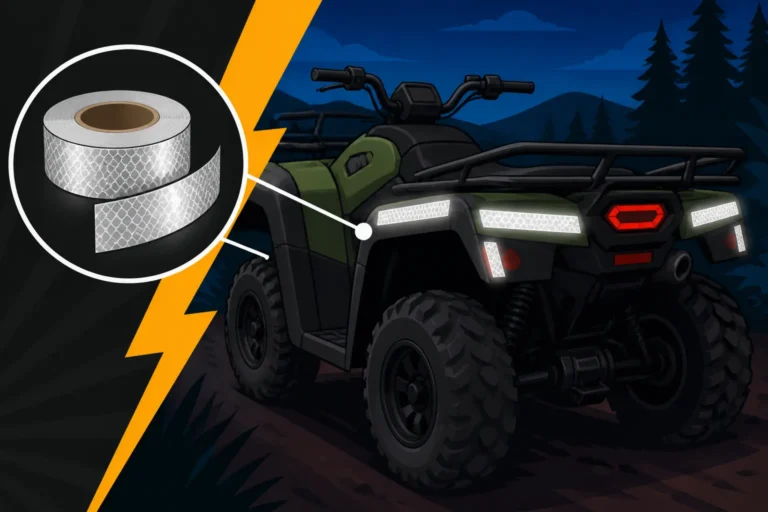
Finally, remember that ATVs are powerful machines. Operating them safely is always paramount, but especially when you might be navigating unfamiliar terrain, potentially in low light, or carrying heavy loads of equipment or game. Slow down, be aware of your surroundings, and never take unnecessary risks. The goal is to have a successful and memorable hunting season, and that starts with responsible planning and execution, both on foot and on your ATV.
| Scenario | Legal | Ethical | Notes |
|---|---|---|---|
| Riding a registered ATV on a designated trail to reach a hunting area. | Yes | Yes | Ensure you have appropriate registration and safety gear. |
| Riding an ATV across private land to your stand with prior written permission from the landowner. | Yes | Yes | Written permission is key, specifying ATV use. |
| Carrying an uncased, unloaded shotgun on your ATV to your blind. | No | No | Firearms must be securely cased while on an ATV. |
| Using an ATV to pursue a wounded deer that has run into the woods. | No | No | ATVs cannot be used to harass or pursue game. |
| Hauling a legally harvested moose out of the woods on a registered ATV via an established logging road. | Yes | Yes | Ensure adherence to access rules and landowner permission if on private land. |
| Driving an ATV down a public paved road shoulder for 50 yards to connect two trail sections while hunting. | No | No | Generally illegal; ATV use on public roads is highly restricted and not for hunting purposes. |
| Leaving your ATV idling near your hunting stand while you hunt. | No | No | Unethical due to noise, potential to spook game, and often against good practice. |
| Accessing a designated ATV route within a Public Reserved Land to hunt. | Yes | Yes | Always check specific regulations for the particular Public Reserved Land. |
| Riding an ATV on a marked "No Trespassing" trail to reach a hunting area faster. | No | No | Illegal trespass; serious penalties. |
| Using an ATV equipped with a winch to carefully load a large deer onto a small trailer for transport. | Yes | Yes | Ethical use of equipment for game retrieval, assuming legal access. |
Disclaimer
This article is for general informational purposes only and does not constitute professional advice. Laws, prices and regulations vary by location and change over time. Consult a qualified professional for guidance on your specific situation.