Maine Dust Complaints Along ATV Routes
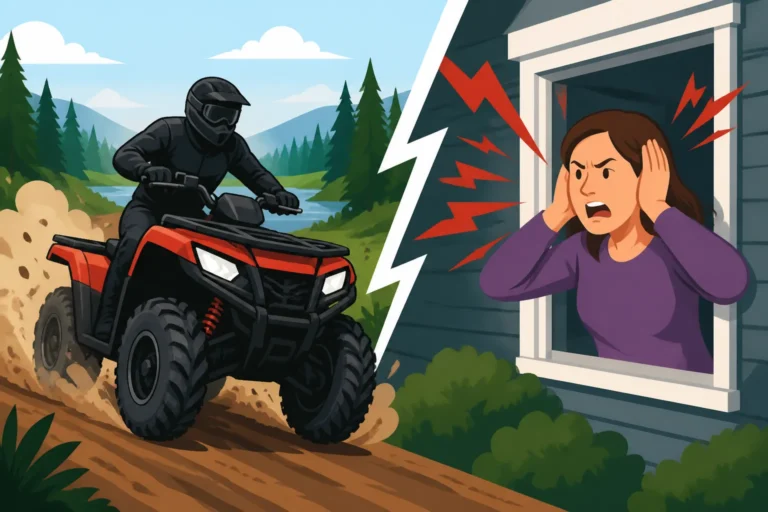
It's a familiar scene in rural Maine: a beautiful summer day, windows open, laundry hanging on the line, and then a cloud of dust rolls in, stirred up by an ATV or UTV passing by. For riders, it's often an unavoidable byproduct of enjoying our incredible trail system. But for the homeowners living along those routes, especially those in more settled areas, it can feel like a relentless invasion, coating everything in a fine layer of grit and raising legitimate concerns. This guide is all about understanding why dust becomes such a contentious issue along Maine's ATV routes, the real impact it has, and what steps both riders and communities can take to find some common ground.
Understanding the Problem: Why Dust Becomes an Issue on Maine's ATV Routes
Dust isn't just a minor annoyance; it's a significant point of contention that can strain relations between trail users and residents, sometimes even threatening the very existence of certain ATV access routes. Maine's vast network of trails often utilizes existing unpaved roads, including town roads, private camp roads, and old logging paths, all of which are susceptible to creating dust. When you combine the natural conditions of these surfaces with increased traffic, you've got a recipe for airborne particulate matter that frustrates everyone.
The Nature of Maine's Unpaved Roads and Trails
Maine is known for its rugged beauty, and that often means unpaved roads are the norm outside of our more populated centers. These roads and trails are typically composed of gravel, crushed stone, or simply compacted dirt. While robust enough for general traffic, these materials aren't designed to withstand the constant agitation of tires, especially knobby ATV tires, without breaking down. The friction and churning action of ATVs and UTVs on these surfaces continuously grinds down the larger aggregates into smaller, finer particles.
Over time, this process creates a significant layer of fine silt and clay on the road surface. These microscopic particles are incredibly lightweight, and once they're loose, it doesn't take much to send them airborne. Imagine a freshly graded gravel road, smooth and firm. After a few weeks of heavy use, especially by off-road vehicles, that firmness starts to erode, and the surface begins to generate a noticeable haze with every passing vehicle. It’s a natural process, but one that can have a big impact when that haze drifts into someone's backyard.
The issue is compounded by the varying quality and maintenance of these unpaved routes. Some are meticulously graded and managed by local ATV clubs or towns, while others might be less regularly maintained. A poorly maintained dirt road with an abundance of fine material is going to be a far greater dust generator than a well-managed gravel section. It's a constant battle against erosion and the elements to keep these surfaces in a condition that minimizes dust without requiring constant, costly interventions.
Increased ATV Traffic and Dry Conditions
The combination of higher ATV traffic volumes and extended dry periods is the primary catalyst for severe dust complaints. Our beautiful Maine summers and crisp fall foliage seasons are prime riding times, drawing in countless residents and visitors eager to explore the trails. More machines on the same routes mean more tires churning up the roadbed, leading to a greater quantity of dust being produced. A quiet camp road that sees an occasional pickup truck might generate minimal dust, but introduce dozens of ATVs and UTVs daily, and the situation changes dramatically.
During dry spells, particularly common in late summer and early fall, the moisture content in the soil and gravel roads drops significantly. This lack of natural moisture means there's nothing to bind the fine particles together. Without moisture, the road surface quickly pulverizes under the weight and friction of tires, creating dense, lingering clouds of dust that can hang in the air for minutes after a machine passes. It’s during these periods that dust complaints from residents often spike, as the problem becomes inescapable.
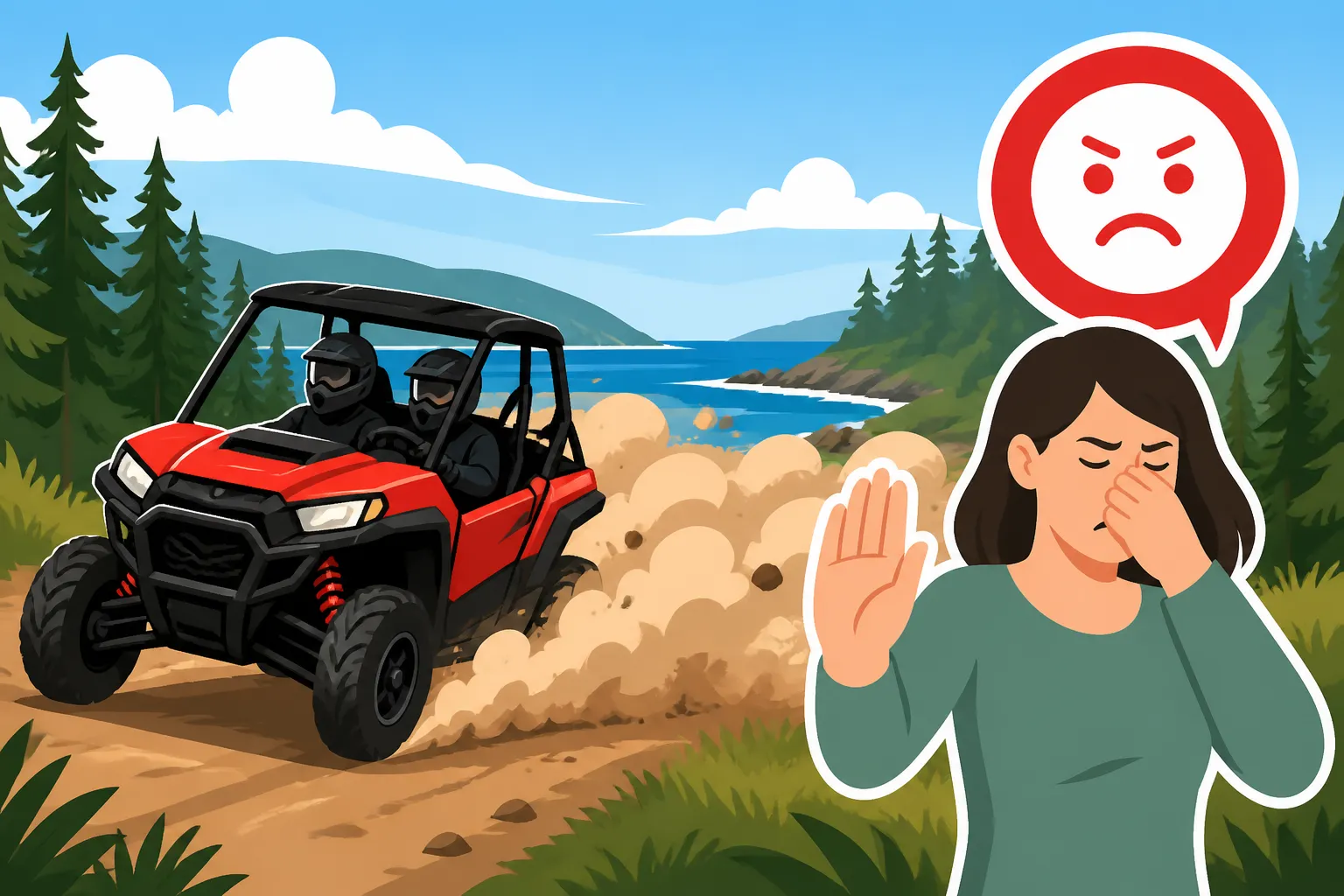
Think about a typical July or August in Maine: weeks without significant rain, warm temperatures, and everyone wanting to get out and ride. The conditions are perfect for enjoyment, but also perfect for dust generation. A single ATV can kick up a plume, but a group of ten machines riding in formation can create a blinding, suffocating cloud that extends far beyond the immediate trail. This isn't just an inconvenience; it becomes a genuine quality-of-life issue for those living nearby, especially when it happens repeatedly throughout the day.
Impact on Residents and Property
For residents living along an ATV route, dust is far from a minor inconvenience. It directly impacts their daily lives and can even damage their property. Imagine wanting to enjoy your backyard on a sunny afternoon, only to have to rush inside and close all your windows every time a group of ATVs passes, just to avoid a fresh layer of dust settling inside your home. This constant vigilance can become exhausting and deeply frustrating.
Dust contains fine particulate matter that can easily enter homes, coating furniture, floors, and appliances. For homes with wells or air conditioning units, this dust can clog filters, requiring more frequent maintenance and potentially shortening the lifespan of equipment. Outdoor items like vehicles, patio furniture, and even children's play sets become perpetually dirty, requiring constant cleaning. Even gardens and landscaping can suffer, as plants get covered in a film of dust that can reduce photosynthesis and make them appear unhealthy.
Perhaps most critically, there are health concerns associated with prolonged exposure to airborne dust. While not always visible, these fine particles can irritate eyes, noses, and throats, and for individuals with respiratory conditions like asthma or allergies, they can trigger more severe reactions. The idea of living in a constant haze, unable to open your windows or enjoy your own property without breathing in dust, understandably leads to significant frustration and, often, complaints to local authorities and ATV clubs. This is why addressing dust isn't just about politeness; it's about respecting the health and property of our neighbors.
The Impact of Dust: More Than Just a Nuisance
When we talk about "dust complaints," it might sound like a minor issue on the surface, something easily dismissed. However, for those directly affected, the impacts are significant, touching on health, property value, and the very delicate balance of shared land access that Maine’s ATV trail system relies upon. It's a complex problem with far-reaching consequences that can strain community relations and even jeopardize trail access.
Health Concerns and Air Quality
The fine particles stirred up by ATVs on dirt and gravel roads are more than just visible dirt; they contribute to localized air quality issues. These airborne particles, often referred to as particulate matter (PM), can be small enough to be inhaled deep into the lungs. While our bodies have natural defenses, chronic exposure can lead to various respiratory problems, especially for sensitive individuals. Children, the elderly, and those with pre-existing conditions like asthma, bronchitis, or emphysema are particularly vulnerable.
Think about living near a busy intersection where cars constantly kick up exhaust and road dust, but amplified by the nature of unpaved surfaces and the more aggressive tire patterns of off-road vehicles. Symptoms can range from irritated eyes and runny noses to coughing, wheezing, and shortness of breath. Over time, consistent exposure to fine particulate matter can contribute to more serious health issues. Residents often express a feeling of being under siege by the dust, unable to escape it even inside their homes if windows are open or if the dust penetrates their ventilation systems. This isn't just about wanting a clean house; it's about the fundamental right to breathe clean air in one's own home.
Beyond direct respiratory impacts, dust can exacerbate allergies and generally reduce the quality of life. Imagine not being able to enjoy a meal on your porch, or having to postpone outdoor activities because the air is thick with dust from passing machines. This constant low-level irritation and concern can lead to chronic stress and a feeling of powerlessness, fueling the desire for solutions and, if necessary, restrictions on trail use. The health aspect of dust complaints is a serious one that demands attention and empathy from the ATV community.
Property Damage and Maintenance Headaches
Dust doesn't just settle lightly; it infiltrates. For homeowners whose properties abut or are near ATV routes, the pervasive nature of dust can lead to genuine property damage and a never-ending cycle of cleaning and maintenance. It's not just a matter of wiping down a windowsill; it can affect the longevity and performance of household systems and outdoor assets.
Consider a home’s exterior. Siding, decks, and outdoor furniture can become permanently stained or discolored by persistent dust, requiring more frequent and intensive cleaning, or even professional power washing. Vehicles parked in driveways can quickly accumulate a thick layer of grime, necessitating more frequent car washes to protect the paint finish. For homes with central air conditioning, the outdoor condenser unit can become clogged with dust and debris, reducing its efficiency and potentially leading to costly repairs. The filters inside HVAC systems will also need more frequent replacement, adding to household expenses.
Even seemingly minor issues, like the constant need to re-clean windows or scrub dust from outdoor light fixtures, add up. Landscaping, too, can suffer. Gardens and ornamental plants covered in dust appear dull and unhealthy, and repeated dusting can hinder plant growth by blocking sunlight from reaching leaves. This isn’t just aesthetic; it’s a tangible cost in time, money, and effort for residents. When you factor in these cumulative effects, it's easy to see why homeowners view dust as a significant intrusion that impacts their property value and overall enjoyment of their homes.
Strain on Landowner Relations and Trail Access
Perhaps the most critical long-term impact of unresolved dust complaints is the strain it places on landowner relations, which are the very backbone of Maine’s extensive ATV trail network. A significant portion of our trails traverse private property, relying on the goodwill and continued permission of landowners. When dust becomes a chronic problem, it directly threatens this delicate relationship and can lead to [Trails Lost to Landowner Withdrawal].
Imagine a landowner who has graciously allowed an ATV trail to cross their property for years. If dust from the trail repeatedly impacts their home, crops, or livestock, their generosity can quickly turn into frustration. They might start receiving complaints from their own neighbors or experience the direct effects themselves. This can lead to a landowner rescinding permission for the trail to cross their land, forcing ATV clubs to reroute—a costly and often difficult endeavor—or, in some cases, causing a section of trail to close permanently.
ATV clubs work tirelessly to maintain positive relationships with landowners, understanding that their permission is a privilege, not a right. Dust complaints undermine these efforts, creating a perception that ATV users are inconsiderate of those living along the routes. This can make it incredibly difficult for clubs to secure new permissions or maintain existing ones. Ultimately, unchecked dust issues chip away at the foundation of the trail system, making it harder for everyone to enjoy the trails and creating a negative image for the entire sport. It's a stark reminder that responsible riding and community consideration are essential for the long-term health of Maine's ATV trails.
Strategies and Solutions for Mitigating ATV Dust in Maine
Addressing dust complaints isn't a one-size-fits-all solution, but rather a multi-faceted approach involving trail managers, local communities, and, crucially, riders themselves. It requires a collaborative spirit and a willingness to implement practices that benefit everyone. From proactive trail maintenance to rider etiquette and community dialogue, there are many ways we can work towards a dust-free (or at least dust-reduced) future for Maine's ATV routes.
Trail Maintenance and Dust Suppressants
The most direct way to combat dust on unpaved roads and trails is through proper maintenance and the strategic application of dust suppressants. This is typically the responsibility of local town road crews, ATV clubs, or state agencies managing specific routes. Effective trail grading is fundamental; this involves regularly shaping the road surface to ensure proper drainage and remove excess fine material. A well-graded road is less likely to hold standing water (which contributes to potholes) and less likely to have loose material that can easily become airborne.
Beyond grading, watering the road surface is a temporary but effective solution, especially during dry spells or before planned events. Water binds the fine particles together, but its effects are short-lived, often requiring multiple applications. For longer-lasting results, dust suppressants are often employed. These products, such as calcium chloride or magnesium chloride, are hygroscopic, meaning they attract and retain moisture from the air and roadbed. When applied to gravel surfaces, they keep the road damp, binding the fine particles together and significantly reducing dust generation for weeks or even months.
However, dust suppressants come with their own considerations. They can be costly to purchase and apply, requiring specialized equipment. Environmental concerns also play a role, as these chemicals need to be applied responsibly to prevent runoff into water bodies. ATV clubs, often operating on tight budgets and relying on [Maine ATV Club Membership and Dues] and grants, must weigh these factors carefully. Some may also explore alternative materials for road surfacing in particularly problematic areas, or even consider paving short sections where trails pass directly through residential areas, provided such projects are feasible and approved by local authorities and landowners.
Rider Responsibility and Best Practices
While clubs and towns play a crucial role, individual ATV and UTV riders hold significant power in mitigating dust. Rider behavior is arguably the most impactful and immediate way to reduce dust complaints. The golden rule is simple: slow down, especially when passing homes or other occupied areas. Excessive speed on a dry, unpaved road is the primary culprit for generating large, dense dust clouds. Reducing your speed significantly minimizes the amount of material your tires can kick up. Many towns and clubs have specific [Maine ATV Speed Limits Near Buildings] or along designated road routes precisely for this reason.
Another critical practice is maintaining appropriate distance from other riders. Riding too close behind another machine on a dusty trail means you're constantly operating within their dust cloud, and contributing to its intensity. Spreading out not only improves visibility for safety but also allows dust to dissipate more effectively between riders. If you’re riding in a group, consider staggering your start times slightly, or communicating a plan for slowing down through residential zones. Just like the advice to be mindful when [Riding Slowly Past Farmhouses], a little common sense and courtesy go a long way.
For UTV owners, considering accessories like a full windshield and a rear dust panel can make a significant difference, not just for your comfort but also for reducing the amount of dust that gets sucked into the cab and recirculated. Brands like SuperATV offer a range of these products, from robust full windshields to rear panels that help block dust and debris from swirling back into the cockpit. While these primarily benefit the occupants of your machine, a well-sealed cab can indirectly mean less airborne dust escaping your immediate machine's area into the general air, especially if it helps create a cleaner airflow pattern. Protecting your vehicle and yourself from dust on the trail is smart riding, and being aware of how your machine impacts others is even smarter.
Community Engagement and Local Ordinances
Effective dust mitigation often involves a strong partnership between ATV clubs, local residents, and town governments. When dust complaints arise, open communication is key. Residents who are experiencing problems should first reach out to their local ATV club or town office rather than immediately posting negative comments on social media or escalating to formal legal action. Many clubs are more than willing to address concerns and work towards solutions, but they need to be aware of the specific problems and locations.
Towns also have a role to play in managing dust, especially on designated ATV access routes that utilize public roads. This can include implementing [Maine Town Ordinances That Restrict ATVs], such as specific speed limits in residential areas, restricted hours of operation, or even temporary closures during extremely dry periods. For new or existing routes, towns work with clubs to determine how [How a Maine Town Designates an ATV-Access Route], ensuring that potential impacts like dust are considered during the planning and approval process. This might involve studies on traffic patterns, road materials, and proximity to homes.
Regular public meetings or forums where residents can voice concerns directly to town officials and ATV club representatives can be incredibly productive. These platforms allow for a shared understanding of the issues and can lead to collaborative solutions, such as identifying specific problem areas for dust suppressant application, or even exploring reroutes if a section of trail proves to be an insurmountable dust generator. It's about finding that balance where riders can still enjoy the trails, and residents can enjoy their homes without undue disruption.
Innovative Solutions and Future Considerations
As the popularity of ATV and UTV riding continues to grow in Maine, so does the need for creative and sustainable solutions to dust management. While traditional methods like grading and chemical suppressants are effective, the future might see the adoption of more innovative approaches, especially in highly sensitive areas. One such consideration is the use of non-toxic, eco-friendly dust suppressants that are specifically designed for recreational trails and have minimal environmental impact. These newer formulations often utilize plant-based binders or other natural compounds to stabilize the soil.
Another approach, though often more costly, is strategic paving or chip-sealing of short, critical sections of trail that pass directly through dense residential zones. While riders generally prefer unpaved surfaces, a small paved stretch might eliminate the most persistent dust complaints in a specific problem area, preserving the overall trail system. This would require significant funding and community buy-in, but for a particularly contentious hotspot, it could be a viable long-term solution.
Furthermore, leveraging technology could play a role. Some areas might consider remote sensing or localized air quality monitoring to identify areas with high particulate matter levels, allowing for targeted interventions. Clubs and landowners could also work with manufacturers like SuperATV on research and development for new tire designs or vehicle modifications that inherently reduce dust generation, perhaps through different tread patterns or undercarriage aerodynamics, though this is a more speculative long-term goal. Ultimately, continuous dialogue, research into new products, and a commitment from all stakeholders to adapt and innovate will be crucial in ensuring that Maine's beloved ATV trails can coexist harmoniously with the communities they traverse.
| Aspect | Problem for Residents | Rider's Role in Solution | Club/Town's Role in Solution |
|---|---|---|---|
| Dust Clouds | Health concerns, dirty property, poor air quality | Reduce speed, maintain distance from other riders, avoid aggressive riding | Grade roads, apply dust suppressants, enforce speed limits, signage |
| Noise & Disturbance | Disrupted peace, strained neighbor relations | Follow [Maine Muffler and Exhaust Noise Limits], avoid loud acceleration | Designate routes away from residences, communicate quiet hours |
| Property Access | Fear of trespass, damage to lawns/gardens | Stay on designated trail, respect signage, get permission for private land | Clearly mark trails, educate riders on [Maine Trespass Law for ATV Riders], address complaints |
| Landowner Relations | Potential for revoked access, negative perception of sport | Show respect, acknowledge privileges, report issues to club | Foster positive relations, address landowner concerns promptly, maintain trails well |
Disclaimer
This article is for general informational purposes only and does not constitute professional advice. Laws, prices and regulations vary by location and change over time. Consult a qualified professional for guidance on your specific situation.