Reflective Tape on an ATV
There’s nothing quite like the freedom of hitting the trails or navigating a designated access route on your ATV or UTV here in Maine. But let’s be real, out there in the vastness of our beautiful state, sometimes it feels like you're practically invisible, especially as the sun starts to dip or when you're making those quick, necessary road crossings. This guide is all about shedding some light on how reflective tape can dramatically boost your visibility and, by extension, your safety, giving you a crucial edge against those "didn't see them" moments.
Why Reflective Tape Matters More Than You Think on Maine Trails and Roads
It's a common refrain among riders, isn't it? "I just want to be seen." And it's a completely valid concern. Our beloved Maine offers some truly epic riding, from the deep woods of Aroostook County to the winding gravel roads that connect small towns. But with that beauty comes challenges, especially when it comes to visibility. Whether you're navigating a dusty section of trail, emerging from a shaded canopy onto a sun-drenched clearing, or making a quick dash across a public way, being seen is paramount.
Think about it: you're out there, enjoying the peace and quiet, maybe rounding a bend on a less-traveled logging road. Suddenly, you hear the hum of another machine or, even more concerning, a truck. The dust your own machine kicks up, or the dappled light filtering through the trees, can play tricks on the eyes. This isn't just about avoiding a collision with another ATV; it's also about preventing a startling encounter with a logging truck, a hiker, or even a local resident heading down their private road. Adding reflective tape isn't just a suggestion; it’s a proactive measure to make sure you pop out from the background, giving everyone more time to react. It’s that extra layer of confidence that someone will spot you.
The Maine Landscape and Visibility Challenges
Maine's diverse terrain presents unique visibility challenges. Picture riding through a dense spruce forest where the sunlight struggles to penetrate even at midday. Shadows are long, and colors can blend. Or consider those long stretches of rail trail, where the light changes constantly as you pass under tree cover, then out into open fields. At dusk, when the light is fading quickly, or on an overcast day, your ATV can simply disappear into the muted tones of the landscape. This is where reflective tape really earns its keep, bouncing back any available light and announcing your presence long before someone might otherwise see your outline.
And then there are the moments when you have to interact with Maine's road network. Even legal crossings on public ways, subject to strict rules like [Maine's 500-Yard Limit on a Public Way], demand that you are seen quickly and clearly by oncoming traffic. A driver rounding a corner might not expect an ATV to appear, and every fraction of a second you can give them to register your presence can make all the difference. This isn’t about being flashy; it’s about being undeniable.
Maine's Specifics: Is Reflective Tape Required, and What Kind?
Let's get right to the legal side of things because that's often the first question on a rider's mind. In Maine, while specific lighting requirements are in place for night riding – you absolutely need your headlights and taillights working properly, as outlined in [Maine Lighting Requirements for Night Riding] – there isn't a state law requiring reflective tape on your ATV or UTV for general operation. So, no, the wardens aren't going to pull you over specifically for a lack of reflective tape.
However, just because something isn't legally mandated doesn't mean it's not a fantastic idea. Think of it as going above and beyond the bare minimum for your own peace of mind and the safety of everyone else sharing the trails and access routes. It's like wearing a helmet even if you're over 18 and riding on your own land – it's just smart practice. The value of reflective tape comes from its passive safety aspect; it works continuously, reflecting light back to its source, whether that's a car's headlights, another ATV's running lights, or even a flashlight beam.
Decoding Reflective Tape Standards and Types
When you start looking for reflective tape, you'll quickly realize there's a whole world of options out there. Not all reflective tape is created equal, and understanding the differences can help you make the best choice for your machine and riding style. The key is to look for tape that's designed for high visibility and durability.
Many commercial vehicles, like tractor-trailers, use what's known as "conspicuity tape," often specified as DOT-C2. This tape is engineered to be incredibly bright and reflective, designed to be seen from long distances and at various angles. While you don't need DOT-C2 rated tape for your ATV, it's a good benchmark for what truly effective reflective material looks like. The best reflective tapes use micro-prismatic technology, essentially tiny prisms embedded in the material that bounce light back with incredible efficiency, making them much brighter than simple glass bead reflective tapes.
Color also plays a role. While white and silver are excellent reflectors, fluorescent colors like yellow, lime green, or orange, especially when combined with reflective properties, can offer superior daytime visibility while still shining brightly at night. These fluorescent materials stand out against natural backgrounds, which is a huge advantage in the varied Maine landscape. When you’re looking for rugged, high-quality accessories, including options for boosting visibility, brands like SuperATV often have robust solutions that stand up to the rigors of trail life. They understand that gear needs to be tough to survive Maine riding.
Strategic Placement: Where to Put Reflective Tape for Maximum Impact
Now that we know why reflective tape is a good idea and what kind to look for, the next crucial step is figuring out where to put it. The goal isn't just to stick it anywhere; it's to achieve 360-degree visibility, ensuring that your ATV or UTV is noticeable from all directions, whether you're approaching, moving away, or crossing paths. Think like a deer warden trying to spot you in the fading light – where would their light hit first?
Achieving 360-Degree Visibility
This means strategically placing tape on the front, sides, and rear of your machine. Don’t forget about your helmet and even your riding gear!
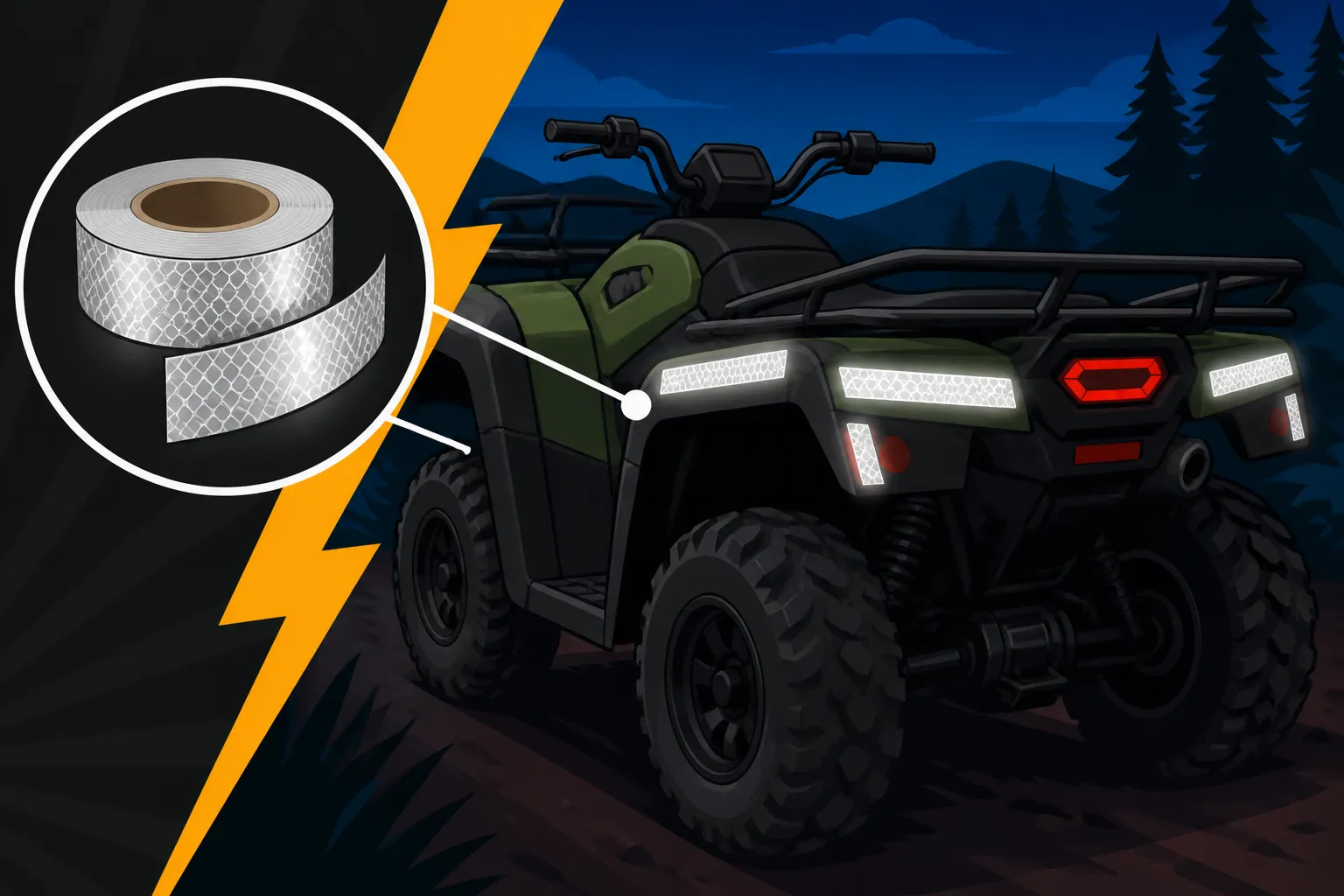
- Front: Apply tape to the leading edges of your front fenders, bumper, and even along the top edge of your hood. When another rider or vehicle is approaching you head-on, these are the first points of light return they’ll see, especially if your headlights are casting shadows or aren't perfectly aligned with their line of sight.
- Sides: This is critical for those moments when you're crossing a trail or road, or when another machine is passing you. Place tape along the full length of your side fenders, on the footwells, and perhaps even along the frame or nerf bars. The goal is to create a clear profile of your machine, so it's not just a small point of light.
- Rear: Just like the front, the rear of your machine needs strong visibility. Reflective tape on the rear fenders, bumper, and cargo rack can significantly enhance the effectiveness of your taillights. This is especially important if you're riding in a group, as the rider behind you will appreciate the added cue, or if you're approaching an intersection where a car might be coming up from behind.
- Helmet: This is often overlooked but incredibly effective. Your helmet is often the highest point on your body, and a few strips of reflective tape here can make your head (and therefore you) much more visible, especially if you're partially obscured by brush or terrain. Remember the importance of proper gear, especially for younger riders, as covered in [Maine Helmet Rules for Riders Under 18].
- Cargo Boxes/Storage: If you’ve got a cargo box on the front or rear rack, it’s a perfect canvas for reflective tape. These accessories often sit high and wide, making them ideal for catching and reflecting light.
- Rider Gear: Don't stop at the machine! Your riding jacket, pants, and even backpack can benefit from reflective elements. Many quality riding garments come with some reflectivity built-in, but you can always add more.
Practical Application Tips
Applying reflective tape isn't rocket science, but a little care goes a long way in ensuring it sticks well and lasts.
- Clean Surface is Key: This is probably the most important step. The surface where you apply the tape must be clean, dry, and free of dirt, dust, oil, or wax. Use rubbing alcohol or a specialized cleaner to prep the area thoroughly.
- Temperature Matters: For best adhesion, apply tape in moderate temperatures, ideally above 50°F (10°C). If it's too cold, the adhesive won't bond properly. If you're working in a chilly garage, use a heat gun or even a hairdryer to gently warm both the surface and the tape before application.
- Smooth It Out: Once the tape is in place, firmly press it down, working out any air bubbles. Use a squeegee or even a credit card to ensure good contact across the entire surface.
- Consider Shapes and Patterns: You don't have to just stick on straight strips. Cutting the tape into patterns – chevrons, squares, or even your favorite trail club logo outline – can make it more visually interesting and potentially even more effective by breaking up your machine’s profile. Just make sure the reflective part is facing outwards!
By thinking strategically about where light will hit and where you need to be seen most, you can turn a few rolls of reflective tape into a significant safety upgrade.
| Placement Area | Primary Benefit | Best for Visibility From | Durability Consideration |
|---|---|---|---|
| Front Fenders/Bumper | Early detection of oncoming traffic/riders | Head-on | Subject to brush scrapes, impacts; needs robust tape |
| Side Fenders/Footwells | Clear profile during crossings or parallel movement | Sides (crossing, passing) | Vulnerable to mud, water, boots; choose strong adhesive |
| Rear Fenders/Cargo Rack | Enhanced visibility for following riders/vehicles | Rear | Exposed to exhaust, mud, cargo loading; high-quality tape crucial |
| Helmet | High-point visibility, stands out over terrain | All directions, especially overhead | Minimal wear, but needs to adhere well to helmet curvature |
| Hard Storage Boxes | Broad reflective surface, elevated position | All directions, especially side/rear | Can get bumped, scratched; good adhesive is a must |
Beyond the Bare Minimum: Enhancing Your ATV's Visibility
While reflective tape is a fantastic and relatively inexpensive way to boost your visibility, it's really just one piece of a larger safety puzzle. True proactive safety on the trails and roads of Maine comes from a multi-faceted approach, combining passive elements like tape with active lighting and common-sense riding habits. The more layers of visibility you can add, the better your chances of being seen in all conditions.
Combining Tape with Other Safety Measures
Think of reflective tape as working in concert with your other safety equipment. It’s an enhancement, not a replacement.
- Brighter Lights: Ensure your headlights, taillights, and any auxiliary lights are not only working but are bright and properly aimed. Modern LED light bars, often found at places like SuperATV, can dramatically increase your active illumination, making you stand out even in daylight and providing crucial light spread at night. Remember, even with reflective tape, you need good [Maine Lighting Requirements for Night Riding] for dusk and night time.
- Safety Flags: Especially if you're riding in an area with varied terrain, large rises, or frequent road crossings, a tall, brightly colored safety flag can make you visible over obstacles before the rest of your machine comes into view. Some riders even add reflective tape directly to their flags for extra pop.
- Bright Clothing: Wear highly visible clothing. Fluorescent colors like safety orange, lime green, or yellow are incredibly effective during the day. Many riding jackets and helmets incorporate these colors and reflective piping for dual-purpose visibility.
- Riding Habits: Perhaps most importantly, never assume you’ve been seen. Always be defensive, especially when approaching intersections, blind corners, or shared access routes. Slow down, look carefully, and be prepared to stop. Remember to observe speed limits, especially near residences, as per [Maine ATV Speed Limits Near Buildings].
Maintenance and Peace of Mind
Reflective tape, like any other part of your ATV, needs a little care to remain effective. Over time, dust, mud, and trail grime can dull its reflective properties. Make it a habit to wipe down your reflective surfaces when you clean your machine. Check for peeling edges or damage from branches. Replacing a small section of tape is a minor inconvenience compared to the peace of mind it provides.
Ultimately, adding reflective tape to your ATV or UTV is a small investment with a huge potential payoff in safety. It’s about taking control of your visibility, reducing the chances of a nasty surprise, and letting you focus on what you really came to do: enjoy the incredible riding Maine has to offer. It’s a simple, effective step towards a safer, more confident ride, whether you’re exploring remote trails or making a careful crossing on a public way.
Disclaimer
This article is for general informational purposes only and does not constitute professional advice. Laws, prices and regulations vary by location and change over time. Consult a qualified professional for guidance on your specific situation.