Reporting an ATV Trespass to the Warden Service
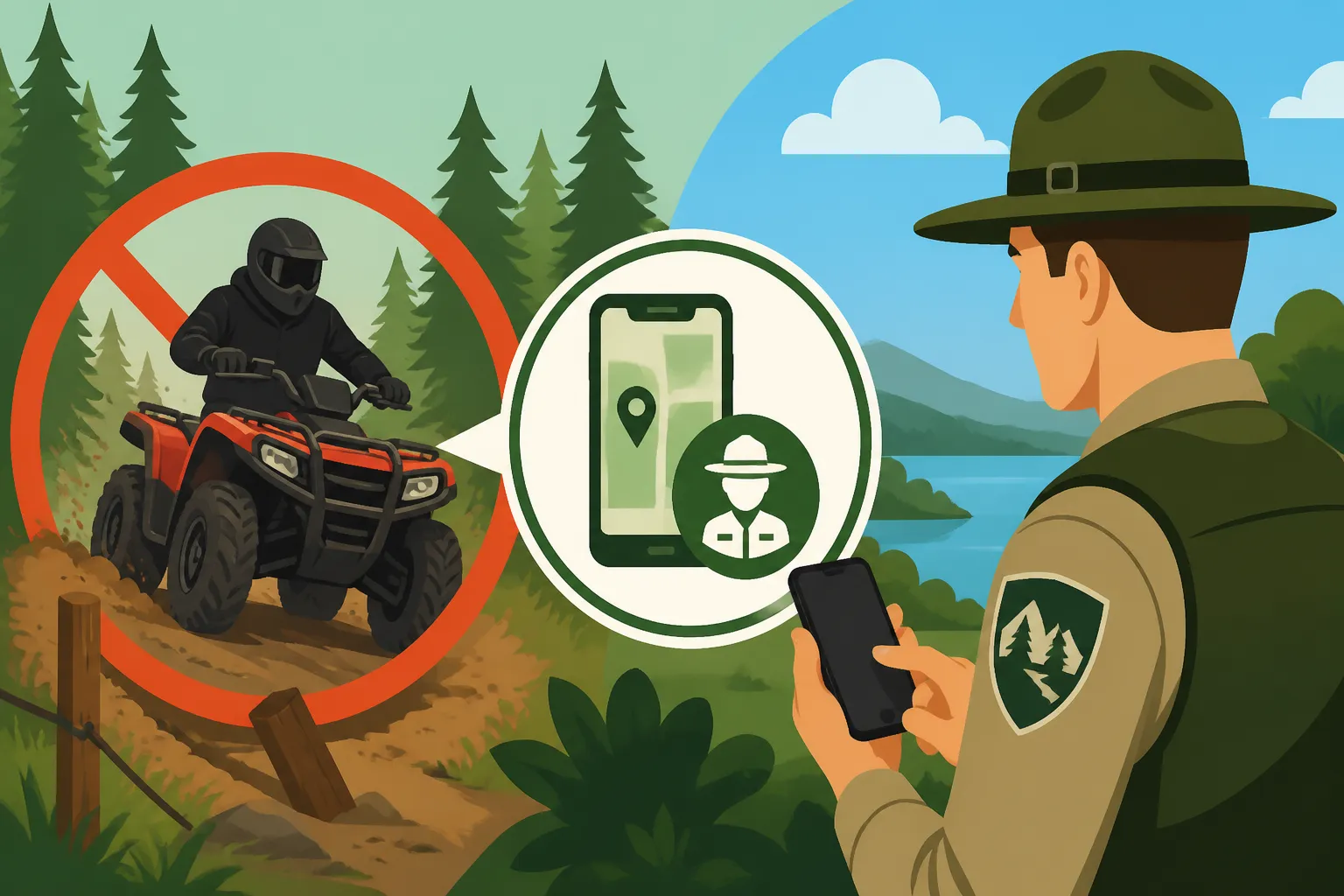
There's nothing quite as frustrating as owning a piece of land in Maine, whether it's your backyard slice of heaven or a sprawling woodlot, only to discover that someone has been riding their ATV or UTV across it without your permission. It's a violation of your privacy and property, and it can leave behind damage, ruts, and a general feeling of disrespect. This guide is here to walk you through the proper steps to take when you find yourself in this situation, specifically how to report an ATV trespass to the Maine Warden Service so they can help address the problem effectively.
Understanding ATV Trespass in Maine
When you've got ATVs tearing up your property, the first thing that probably comes to mind is "trespass!" But what exactly constitutes ATV trespass under Maine law, and why is it such a significant issue for landowners and the broader ATV community alike? Let's break it down.
What Constitutes Trespass?
At its core, trespass is entering or remaining on someone else's property without their permission. For ATV riders in Maine, this means taking your machine onto land that you do not own, lease, or have explicit permission to ride on. This isn't just about fenced-in yards; it extends to woodlands, fields, and any private parcel where you haven't been granted access.
Many riders operate under a "if it's not posted, it's open" mentality, but that's a dangerous assumption in Maine. While there's a long-standing tradition of shared land use, the law actually states that all land is considered private and requires permission unless it's explicitly designated as public access. This means if you haven't personally obtained permission from the landowner, or if the land isn't part of an official, clearly marked public trail system, you're technically trespassing. Even if a trail looks like an old logging road or a forgotten path, it's likely on private property. The frustration for landowners often stems from this misunderstanding – they assume common sense or respect would prevail, but sometimes it doesn't. Knowing the specific conditions for [Maine Trespass Law for ATV Riders] is your first line of defense as a property owner.
The Role of "No Trespassing" Signs and Purple Paint
As a landowner, you have several ways to formally communicate that your land is off-limits to recreational vehicles. The most common methods are "No Trespassing" signs and the increasingly recognized use of purple paint.
For signs to be legally effective in Maine, they generally need to be maintained at the main access points to the property and at intervals around the perimeter, making it clear to any reasonable person that entry is forbidden. These signs should be conspicuous and legible, so there's no excuse for someone claiming they "didn't see it." A single, faded sign stuck to a tree deep in the woods might not hold up, but a series of clear, well-placed signs at common entry points certainly will. The other, perhaps more modern, method is the use of [Purple Paint Marks Along a Maine Road]. In Maine, purple paint marks on trees or posts at specific intervals also serve as a clear legal deterrent against trespass, just like signs. It’s a visual cue that can be particularly effective in wooded areas where traditional signs might be harder to maintain or spot. By using either or both of these methods, you're not just expressing a preference; you're establishing a legal boundary that gives law enforcement the tools they need to act. It's about protecting your land from potential damage and asserting your rights as a property owner.
Why Trespass is a Problem for Everyone
It's easy to think of ATV trespass as a minor annoyance, but the reality is that it creates significant problems not just for the affected landowner, but for the entire ATV community in Maine. For landowners, the issues can range from minor inconveniences to major financial burdens. Ruts from tires can damage agricultural fields, muddy trails can lead to erosion, and noise from machines can disrupt peace and quiet, particularly for those living year-round in rural areas. There's also the very real concern about liability – if someone gets hurt on your land, even if they're trespassing, it can open a can of worms. This is why many landowners, feeling unprotected and frustrated, make the difficult decision to withdraw their land from public recreational use entirely, leading to [Trails Lost to Landowner Withdrawal].
This is where the problem impacts everyone. Maine boasts thousands of miles of incredible ATV trails, and a huge percentage of those trails exist because generous private landowners permit public access. When trespass and irresponsible riding occur, it erodes the trust between landowners and ATV clubs, threatening the very foundation of Maine's extensive trail system. A few bad apples can indeed spoil the bunch, leading to more land closures and fewer places for responsible riders to enjoy. By reporting trespassers, you're not just protecting your property; you're helping to preserve the future of ATV riding for everyone who respects the land and the rules. It’s a critical step in maintaining [Landowner Relations on Maine ATV Trails], which are so vital to the sport.
Gathering Evidence Before You Call the Wardens
When you discover an ATV trespass on your property, your immediate instinct might be to call the Maine Warden Service right away. While that's an important step, it's even more effective if you can provide them with solid, detailed information. Think of yourself as a detective for a moment; the more clues you can gather, the better chance the wardens have of identifying the individual and resolving the issue.
What Information the Warden Service Needs
The Maine Warden Service is incredibly busy, and when you call, they need clear, concise, and specific details to act efficiently. Vague statements like "someone was riding on my land last week" are much harder for them to pursue than a detailed account. Here’s a rundown of the crucial information they’ll ask for, so try to have as much of it ready as possible:
- Date and Time of Incident: Was it happening right now? When did you last see them? Was it a recurring event, and if so, what were the dates and times?
- Precise Location: This is critical. Use street addresses if applicable, but for remote land, GPS coordinates are gold. Otherwise, provide clear landmarks: "about a quarter-mile east of the old stone wall on Smith Road," or "behind my barn, near the big oak tree."
- Description of the ATV/UTV:
- Make and Model (if known): Was it a Polaris RZR, a Can-Am Outlander, a Honda Rubicon?
- Color: Be as specific as possible (e.g., "bright red," "dark green," "camo").
- Distinguishing Features: Did it have unique tires, a lift kit, a specific type of storage box, or accessories you might find from a brand like SuperATV? Was there any damage, stickers, or aftermarket exhaust?
- Number of Riders: Was it one person, two, or a whole group?
- Registration Number: This is the absolute holy grail. Note down the full number if you can safely see it. It's usually a combination of letters and numbers, often displayed on the front and rear of the machine. These are often small, so [Maine ATV Registration Numbers and Where They Go] is a useful guide for knowing where to look.
- Description of the Rider(s):
- Apparel: Helmet color, jacket color, any logos or distinctive clothing.
- Gender, approximate age, build: Anything that might help identify them.
- Nature of the Trespass: Were they just riding through? Were they doing donuts in your field? Did they cause damage?
- Your Contact Information: The wardens will need to be able to reach you for follow-up questions.
Even if you don't have all these details, providing what you can will significantly aid their investigation. It helps them build a clearer picture and increases the chances of identifying the trespasser.
Photo and Video Evidence: Doing It Safely
In today's world, a picture (or video) truly is worth a thousand words – especially when it comes to reporting a trespass. Visual evidence can be incredibly powerful for the Maine Warden Service, providing undeniable proof and often crucial identifying details. However, it's absolutely vital to prioritize your safety above all else.
Never, under any circumstances, confront someone you suspect of trespassing. This can escalate a situation quickly and dangerously. Your goal is to gather evidence, not to play hero. If you see someone actively trespassing, retreat to a safe location where you won't be seen or heard, and then begin documenting. Use your smartphone to take photos or videos of the ATV/UTV and, if possible, the rider(s). Focus on getting clear shots of the registration plate, any unique features of the machine (like specialized tires, an aftermarket light bar, or specific gear from companies like SuperATV), and the general appearance of the rider and their helmet. Capture the surrounding environment to prove it's on your property.
If you have recurring issues, consider setting up a trail camera. These motion-activated cameras can capture images or video clips of trespassers without you needing to be present. Place them strategically, hidden from view, and ensure they're pointed at common entry points or areas where trespass usually occurs. Just make sure you understand how to retrieve the data safely. Photo and video evidence can often confirm details you might have missed in the moment, making your report much stronger and providing the wardens with concrete leads.
Identifying the Machine and Riders (If Possible)
Beyond general descriptions, anything that specifically identifies the machine or its operator is invaluable. The most important piece of identification, as mentioned, is the ATV's registration number. In Maine, these are usually decals that clearly display a series of letters and numbers. They should be visible on both the front and rear of the machine. Knowing [Where Maine ATV Stickers Go and When They Arrive] can help you pinpoint where to look. If you can safely get a clear photo or jot down this number, you've provided the wardens with a direct link to the machine's owner.
Even without a clear registration number, look for other identifying marks. Does the ATV have a unique paint job or custom decals? Are there specific accessories that stand out, perhaps a distinct winch, a custom exhaust system, or a storage box that might be from a well-known accessory provider like SuperATV? Pay attention to the tires – some aggressive tread patterns can be distinctive, and they also leave clear tracks that can be photographed. For the riders, try to note any logos on their helmets, jackets, or gloves. Is there anything unusual about their gear? Sometimes, even a specific backpack or a unique riding style can be an identifying characteristic. Remember, every little detail helps to paint a clearer picture for the Maine Warden Service, increasing their chances of tracking down the responsible party.
| Information Category | Specific Details to Collect | Why It's Important |
|---|---|---|
| Incident Details | Date, Time, Duration of trespass | Establishes a timeline, helps wardens understand urgency and patterns. |
| Location | Street address, GPS coordinates, landmarks (e.g., "near the old logging road," "behind the red barn") | Pinpoints the exact area for investigation and patrol. |
| ATV/UTV Description | Make, Model, Color, Registration Number (crucial!), distinguishing features (e.g., lift kit, specific tires, accessories from SuperATV, damage, unique stickers) | Helps identify the specific machine and owner. Registration numbers are key for direct identification. |
| Rider Description | Number of riders, approximate age, gender, helmet color, clothing details (e.g., jacket color, logos) | Aids in identifying individuals involved, especially if the machine's registration is obscured or missing. |
| Evidence Collected | Photos, Videos, Trail camera footage, detailed notes on tracks or damage | Provides concrete proof of trespass and can capture identifying details the human eye might miss. |
| Nature of Trespass | Riding through, making ruts, damaging property, noise disturbance, repeated incidents | Helps wardens assess the severity of the offense and potential penalties. |
| Landowner Information | Your name, contact number, willingness to cooperate | Essential for wardens to follow up, ask clarifying questions, and potentially involve you in the enforcement process. |
Contacting the Maine Warden Service Effectively
Once you've gathered all the evidence you can, it's time to reach out to the Maine Warden Service. Knowing how and when to contact them, and what to expect afterward, will ensure your report is handled as efficiently as possible.
When and How to Make the Report
The timing of your report can sometimes be crucial. If you are witnessing an active trespass – meaning the ATVs are on your property right now – you should call immediately. For active situations that might require an immediate response, dial the regional dispatch center for the Maine Warden Service. These numbers are usually listed on the Maine Department of Inland Fisheries & Wildlife (IF&W) website. Don't call 911 unless there is an immediate threat to life or property, but use the regional dispatch for time-sensitive, non-emergency enforcement needs.
If the trespass occurred in the past, or you're reporting damage found after the fact, a less urgent call to the regional dispatch or a visit to your local IF&W office might be more appropriate. When you call, be prepared to provide all the details you’ve collected – the date, time, specific location, descriptions of the machines and riders, and any evidence you have. Speak calmly and clearly, stating simply that you wish to report an ATV trespass on your property. They will ask you a series of questions, and having your notes handy will make the process much smoother. It’s also helpful to be aware of [Maine Warden Checks and What They Ask] in general, as it gives you an idea of the kind of information they prioritize.
What Happens After You File a Report?
It's important to have realistic expectations about what happens after you report an ATV trespass. The Maine Warden Service covers a vast amount of territory and deals with a wide array of incidents, from fishing and hunting violations to search and rescue operations. While they take trespass seriously, an immediate, lights-and-sirens response for a non-active trespass may not always be possible.
What you can expect is that your report will be logged, and a warden will be assigned to investigate when resources allow. This might involve them visiting your property to look at the evidence, patrolling the area more frequently, or attempting to track down the machine owner if you provided a registration number. They might contact you for further details or to inform you of any progress. Keep in mind that their primary goal is enforcement and education. They might issue warnings, citations, or even pursue impoundment of the machine for repeated offenses. They are a law enforcement agency, and their role is to uphold the regulations, so understanding [Maine Warden Service ATV Patrols] helps clarify their operational scope. Sometimes, just the increased presence of wardens in an area after a report can deter future trespassers.
Follow-Up and Landowner Responsibility
Your role doesn't necessarily end after making the initial report. While it's crucial not to take matters into your own hands – confronting trespassers can be dangerous and is best left to law enforcement – continued vigilance is important. If the trespass continues, or you gather additional evidence, you should follow up with the Warden Service, referencing your original report. This shows them that the issue is ongoing and might warrant further attention.
Remember that as a landowner, your responsibility includes clearly posting your property if you wish to prohibit ATV access. Without proper signage, enforcement can be more challenging. It's also important to cooperate fully with the wardens, providing any requested information and granting them access to your property for their investigation. Building a good working relationship with your local warden can be incredibly beneficial in the long run. They are there to help protect Maine's natural resources and the rights of its landowners, and a collaborative approach ensures the best possible outcome.
Preventing Future Trespass and Working with Your Community
Reporting a trespass after it happens is essential, but equally important is taking steps to prevent it from occurring again and fostering a community where responsible land use is the norm. It's a proactive approach that benefits everyone.
Enhancing Your Property's Deterrents
Beyond simply putting up "No Trespassing" signs or using purple paint, there are additional measures you can take to make your property less inviting to trespassers and more secure.
Consider physical barriers at common entry points. Strategically placed boulders, logs, or even a sturdy gate (if it doesn't block a legal right-of-way) can make it physically difficult for ATVs to enter your land. These don't have to be impenetrable fortresses, but enough of a deterrent to encourage riders to seek out legal access points. You might also want to manage vegetation along your property lines to improve visibility. A clear sightline to your "No Trespassing" signs makes it harder for anyone to claim they didn't see them.
Furthermore, if you have existing trails on your property that you do allow others to use (perhaps with permission), ensure they are clearly marked and distinguish them from areas where riding is prohibited. Sometimes, trespass occurs because an ATV rider mistakenly believes an unmarked trail is part of an approved route. Clear signage, especially at intersections or where a trail diverges onto private property, can prevent accidental trespass. If you're building out a trail on your own property for personal use, you might even find durable, high-quality signs or trail markers from a company like SuperATV that can help reinforce your boundaries.
Collaborating with Local ATV Clubs
Local ATV clubs are often your strongest allies in the fight against trespass and irresponsible riding. These clubs are made up of passionate riders who dedicate countless hours to maintaining trails, educating their members, and working with landowners to ensure sustainable access. They understand the vital importance of [Landowner Permission on Maine ATV Trails].
Reach out to your local ATV club if you're experiencing issues. They may be able to help in several ways:
- Education: Clubs actively promote responsible riding ethics, including respecting private property and staying on marked trails. They can help spread the word about problematic areas.
- Patrols: Some clubs have volunteer trail ambassadors who ride authorized trails and can report issues or unregistered machines they encounter.
- Signage: Clubs sometimes have resources or knowledge about proper signage and might even be able to assist in posting or maintaining "No Trespassing" signs in areas adjacent to their authorized trails, preventing accidental trespass from their members.
- Mediation: If trespassers are members of a local club, the club can often intervene and educate their members on responsible riding, sometimes with stronger effect than law enforcement alone.
Joining a local club, or at least establishing a dialogue, is an excellent way to connect with the riding community and harness their positive influence. After all, a significant portion of Maine's 6,000 miles of ATV trails exists thanks to the efforts of these clubs and the generosity of landowners. Understanding [Maine ATV Club Membership and Dues] can show you the value they bring to the riding community.
Understanding the Penalties for Trespass
Knowing the legal consequences for ATV trespass in Maine can serve as a powerful deterrent, both for the trespasser and for those considering riding where they shouldn't. The Maine Warden Service has specific legal authority to enforce these laws, and the penalties can be significant.
Someone caught trespassing on an ATV can face fines. These aren't just slaps on the wrist; [Maine Trespass Fines for ATV Riders] can be substantial, especially for repeat offenders or if damage was caused. In certain circumstances, especially for aggravated or repeat offenses, the warden may also have the authority to impound the ATV, meaning the machine is seized and held, often until fines are paid or a court order is issued. This can be a major inconvenience and financial burden for the owner. Furthermore, a trespass violation can sometimes lead to the suspension of ATV registration privileges, meaning the individual might lose their ability to legally register and ride an ATV in Maine for a period.
For responsible riders, understanding these penalties is a reminder of why it's so critical to always know where you're riding and to have permission. For landowners, knowing the legal recourse available empowers you to protect your property. The goal of these penalties isn't just punitive; it's to enforce respect for private property rights and ensure the continued viability of Maine's cherished outdoor recreational opportunities. By taking trespass seriously and reporting it, you contribute to a culture of accountability that ultimately benefits all who enjoy the Maine outdoors responsibly.
Disclaimer
This article is for general informational purposes only and does not constitute professional advice. Laws, prices and regulations vary by location and change over time. Consult a qualified professional for guidance on your specific situation.