Riding to Dinner on an ATV Route
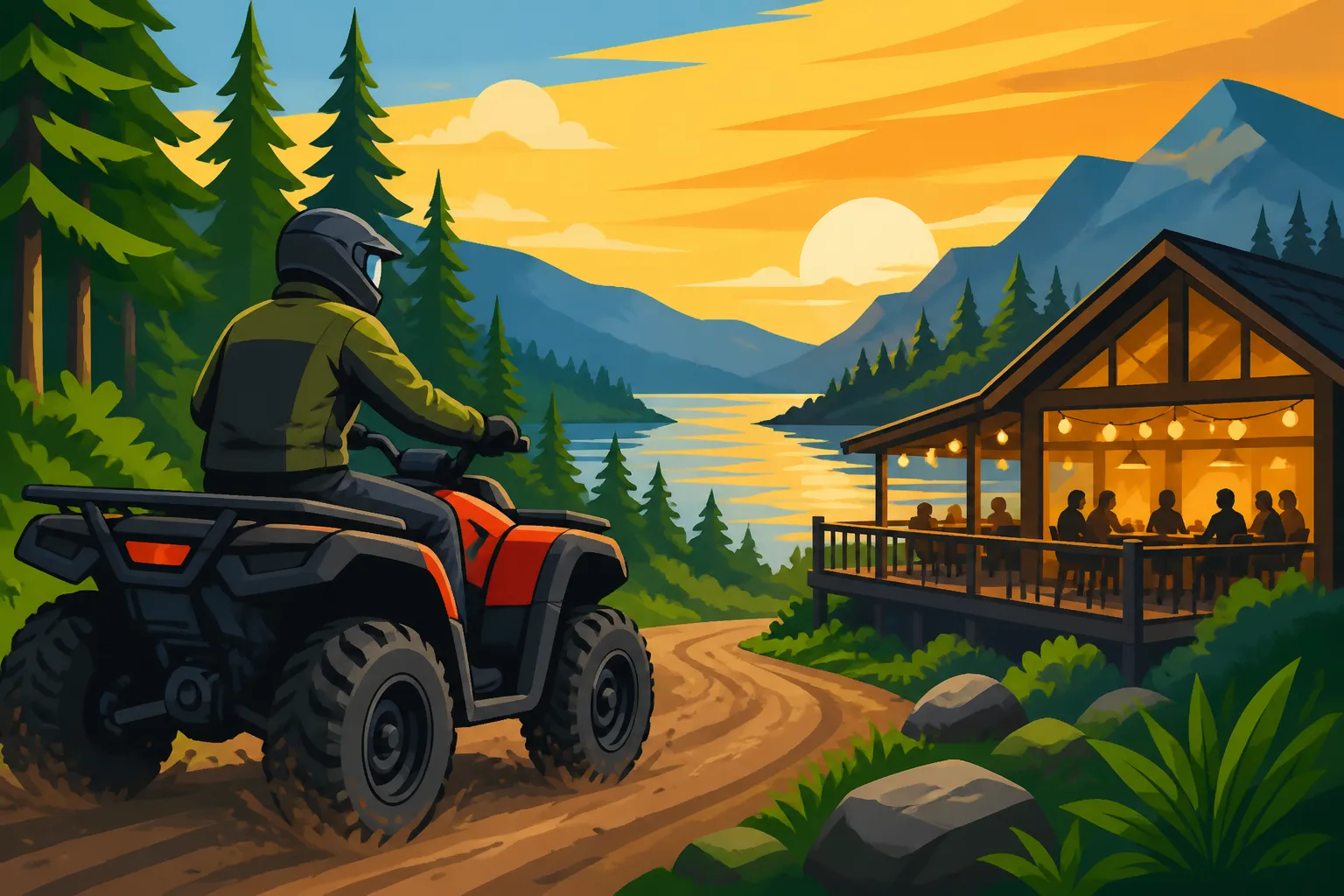
There's nothing quite like the freedom of exploring Maine's vast trail networks on your ATV or UTV. But let's be honest, sometimes after a long day of riding, you just want to cruise right into town, grab a bite to eat, and maybe an ice cream, without the hassle of loading your machine back onto the trailer. The dream of riding directly from the trail to a diner for dinner, or even just picking up groceries, often bumps up against a confusing maze of state laws and local ordinances. Many riders feel frustrated by the lack of clarity on what's allowed and what's strictly forbidden. This guide is here to untangle that confusion, explaining how you can legally and safely transition your trail machine onto designated ATV-access routes in Maine to enjoy the amenities of nearby towns.
Understanding Maine's ATV-Access Routes
Maine offers an incredible network of trails, but the ability to extend your ride beyond the backcountry and into the heart of a town is what truly elevates the experience for many. This isn't about general road riding, which is largely prohibited; it's specifically about utilizing designated "ATV-Access Routes" that bridge the gap between trail systems and local businesses.
What is an ATV-Access Route?
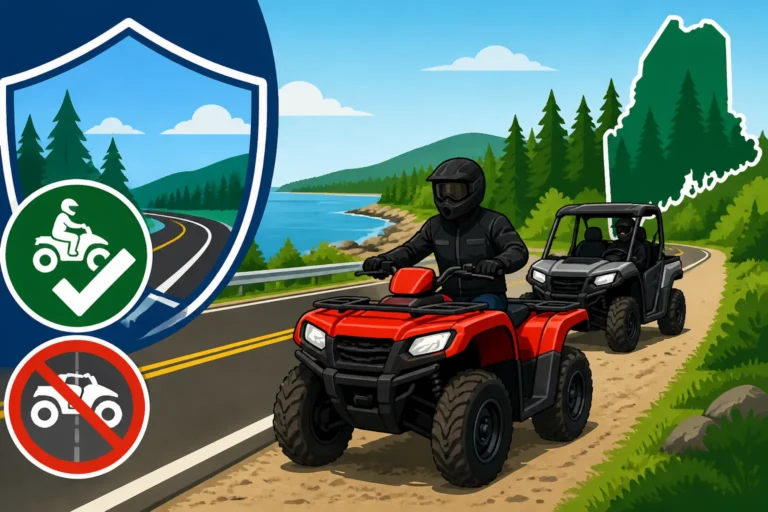
An ATV-access route is essentially a section of a public way – typically a town-maintained road – that a municipality has explicitly opened for ATV and UTV traffic. This isn't just a casual allowance; it's a formal designation made by the town's legislative body, often the select board or town council, through an ordinance. The core idea behind these routes is to facilitate access for riders to essential services like gas stations, restaurants, lodging, and local stores. Imagine coming off a remote trail section in northern Maine, feeling that rumble in your stomach, and instead of having to call for a pickup or trailer up, you can simply follow a marked route right to a local eatery. It's about enhancing the economic vitality of these communities while providing a more convenient experience for riders. These routes are a testament to the strong collaboration between ATV clubs, landowners, and local governments to create a sustainable and enjoyable riding environment.
Identifying Approved Routes for Your Ride
Knowing where you can actually ride your ATV on a public way is paramount. You can't just assume any paved or gravel town road is fair game. Maine law is very clear: ATVs are generally prohibited on public ways unless they are specifically designated as ATV-access routes. The easiest way to identify these routes is through clear, consistent signage. Towns that establish these routes are required to post signs indicating where ATVs are permitted. These signs will typically feature an ATV symbol and sometimes indicate the direction of the trail or the permitted access point. You might see them at the intersection of a trail and a road, or at the entrance to a town where an access route begins.
Beyond physical signage, several resources can help you plan your dinner ride. The Maine Department of Inland Fisheries & Wildlife (IF&W) often provides information and maps on their website. More importantly, local ATV clubs are your absolute best resource. These clubs maintain the trails, work with landowners, and often lobby for and help establish these access routes. Their websites, social media pages, and even local clubhouses will frequently have detailed maps showing not only the main trail systems but also the connecting [Maine ATV-Access Routes and How Towns Post Them]. Many towns that embrace ATV tourism will also have maps available at their town offices or local visitor centers. Always check the most current information, as routes can change due to construction, landowner agreements, or town ordinance updates. It’s always a good idea to call the local town office or an ATV club if you're unsure about a specific route.
Navigating Road Sections Safely and Legally
Once you've identified an approved ATV-access route, it's critical to understand the specific rules for operating on these shared public ways. These aren't trails; they're roads, and you'll be sharing them with cars, trucks, and pedestrians. First and foremost, speed limits are strictly enforced. While you might be used to higher speeds on wide-open trails, on an access route, you must adhere to the posted speed limits for motorized vehicles, which are often much lower in town centers. You must also [Riding With Traffic on a Maine Access Route] and remain on the extreme right side of the road, just like any other vehicle, unless passing.
Safety gear is another non-negotiable aspect. If you're under 18, a helmet is legally required, and honestly, it's a smart idea for riders of all ages, especially when sharing roads with cars. Eye protection is also highly recommended. Your machine itself needs to meet certain requirements for road use. Headlights and taillights are crucial, particularly if you're riding around dusk or after dark. Many riders choose to add turn signals and a horn for enhanced safety and compliance, even if not explicitly required for all access routes, because they make your intentions clearer to other drivers. Mirrors are also a fantastic safety addition, allowing you to monitor traffic behind you. Products from brands like SuperATV offer a range of aftermarket mirrors and lighting kits that can easily adapt your trail machine for safer road sections. Always be prepared to yield to other traffic, pedestrians, and cyclists. Maine law specifically requires ATVs to come to a [Complete Stop Before Entering a Maine Public Way] and to yield to traffic when crossing or entering any public way. Remember, you are an invited guest on these roads, and respectful, safe operation is key to maintaining these privileges.
Planning Your ATV Dinner Adventure
The thought of pulling up to a restaurant on your ATV after a day of riding is exciting, but a little planning goes a long way to ensure a smooth and enjoyable experience for everyone.
Choosing ATV-Friendly Towns and Restaurants
Not all Maine towns are created equal when it comes to ATV access. Some communities have truly embraced ATV tourism, understanding the economic benefits riders bring. Towns like Jackman, Greenville, Millinocket, and many in Aroostook County are renowned for their extensive trail networks that connect directly to town centers. These towns often feature [Maine Towns With ATV-Friendly Main Streets] where businesses actively welcome ATV riders. When planning your ride, look for restaurants, diners, and even general stores that display "ATV Welcome" signs, or have dedicated ATV parking. Websites for local ATV clubs or regional tourism boards are excellent resources for finding these businesses. They often compile lists of rider-friendly establishments, complete with directions from the nearest trail. A quick call ahead to a restaurant can also confirm their ATV parking situation and whether they're expecting riders. It's not just about finding a place with good food; it's about finding a place that genuinely appreciates your business as an ATV enthusiast.
Pre-Ride Checks and Essential Gear
Before you even think about hitting a designated ATV-access route for dinner, a thorough pre-ride check of your machine is non-negotiable. While you might already do this for trail riding, road sections introduce different demands and higher stakes. Check your tires for proper inflation and wear – highway speeds can be tougher on knobby tires. Ensure your brakes are in perfect working order, as you'll be interacting with traffic more directly. All lights – headlights, taillights, and brake lights – must be functional. If you've added aftermarket turn signals or a horn, test those too. A well-maintained machine is a safe machine, and that's even more true when you're mixing with road traffic.
Beyond the machine, consider your personal gear. A helmet, especially for riders under 18, is mandatory, but highly recommended for adults. Eye protection is critical to prevent road debris from impairing your vision. Carry your [Maine ATV Registration Confirmation for Immediate Riding] paperwork, or at least a printed copy if you've registered online. While Maine doesn't explicitly require ATV insurance, having liability coverage is a very smart move for any road-going vehicle, including ATVs on access routes. Imagine a minor fender-bender with a car on an access route – insurance would be invaluable. Consider carrying a small toolkit, a first-aid kit, and certainly your phone for emergencies. Remote trail sections might have spotty cell service, but in town, you'll want it readily available. If your machine isn't equipped with factory mirrors, adding a set, perhaps from a brand like SuperATV, is a simple upgrade that significantly improves safety for road sections, allowing you to see traffic approaching from behind.
Parking Your ATV at the Destination
Arriving at your chosen dinner spot is one thing; parking your ATV or UTV legally and respectfully is another. Unlike a sprawling trailside parking lot, town parking can be tight. Look for designated ATV parking areas if the establishment or town provides them. These might be clearly marked spots or areas specifically set aside for off-road vehicles. If no specific ATV parking is available, treat your ATV like any other vehicle in a parking lot. Park it neatly within a single parking space, avoiding blocking entrances, exits, or other parked cars. Never park on sidewalks, landscaped areas, or private property without explicit permission.
Be mindful of noise, especially if you have an aftermarket exhaust. Rolling into a quiet village center with a roaring engine can quickly sour public opinion towards ATV riders. Turn off your engine promptly. When securing your machine, consider using a lock, especially if you're leaving it for an extended period. While most ATV-friendly towns are welcoming, opportunistic theft can occur anywhere. Respecting parking regulations and showing courtesy to other patrons and residents is paramount. Remember, you're an ambassador for the entire ATV community; positive interactions help ensure these access routes remain open for everyone to enjoy.
The Do's and Don'ts of Road Riding to Dinner
Riding to dinner on an ATV route is a privilege, not a right, and it comes with specific responsibilities. Understanding these can prevent unwanted encounters with law enforcement and ensure the continued enjoyment of these unique access points.
Legal Requirements Beyond the Trail
While you might be riding an off-road vehicle, the moment you transition onto a designated ATV-access route, you are subject to many of the same rules as other road users. First and foremost, your ATV must be properly [What It Takes to Register an ATV in Maine]. An unregistered machine on a public way, even a designated access route, can result in significant [Penalties for Riding an Unregistered ATV in Maine]. Always carry your registration certificate with you; wardens often conduct [Maine Warden Stops and ATV Paperwork] and will ask to see it.
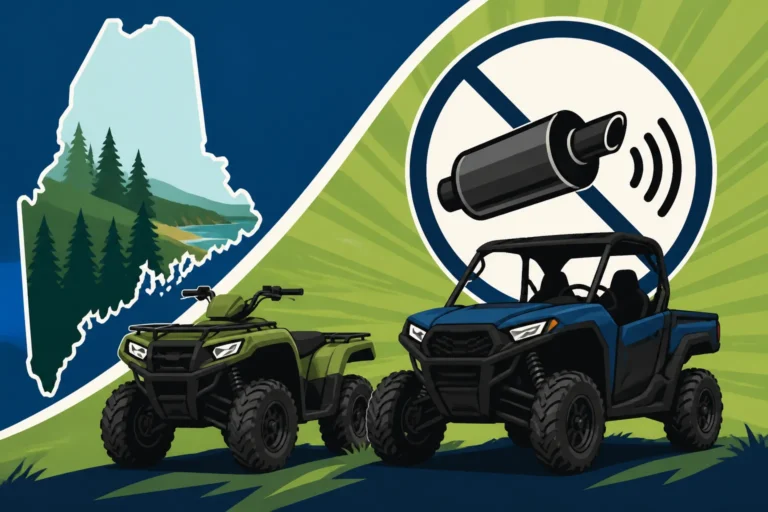
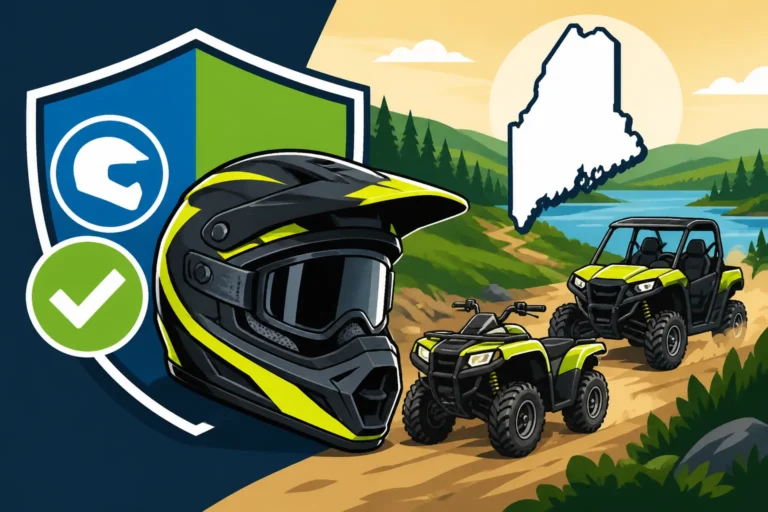
For riders under 18, wearing a helmet is a strict legal requirement in Maine. It’s also wise to understand [Maine Helmet Rules for Riders Under 18] and ensure your helmet meets current safety standards. Beyond helmets, while not universally mandated for all access routes, good practice dictates having appropriate [Maine Lighting Requirements for Night Riding], especially if your dinner plans extend past dusk. Think about adding a horn and mirrors for better visibility and communication with other vehicles – these are often standard on UTVs but might be aftermarket additions for ATVs. You also need to be aware of [Maine Noise Limits and Muffler Rules]. Excessively loud exhausts can lead to complaints and fines, potentially jeopardizing the very existence of these access routes. Check local town ordinances as well; some towns might have additional specific rules for ATV operation within their limits.
Etiquette and Community Relations
This might be the most crucial section. The continued availability of ATV-access routes relies heavily on positive community relations. When you're riding through a town, you're not just an individual rider; you represent the entire ATV community. Be an ambassador. This means riding slowly, quietly, and respectfully. Keep dust to a minimum on dirt roads by reducing your speed. If you pass homes, slow down even further to avoid disturbing residents. A friendly wave to pedestrians or other drivers goes a long way.
Avoid any behavior that could be perceived as reckless or disrespectful, such as excessive revving, dangerous maneuvers, or littering. Remember that landowners voluntarily allow trails to cross their property, and towns thoughtfully designate these routes. Abusing these privileges by being inconsiderate will inevitably lead to trail closures and the revocation of access routes. The goal is to integrate ATV traffic seamlessly into the community, demonstrating that riders are responsible and valuable visitors. Your actions directly impact how non-riders perceive the sport.
Avoiding Common Pitfalls and Fines
Ignorance of the law is never an excuse, and on ATV-access routes, mistakes can lead to costly fines and potential loss of riding privileges. One of the most common pitfalls is simply riding where ATVs are not permitted. Stick only to clearly marked ATV-access routes. Veering off onto side streets, private roads, or unmarked public ways is trespassing and illegal. Always come to a [Maine's Stop-and-Yield Rule Before a Public Way] before entering any public road, even a designated access route, and yield to all traffic.
Speeding is another frequent issue. Even if the road feels open, posted speed limits apply. Wardens and local police actively patrol these areas, and they will ticket for violations. Operating an ATV under the influence of alcohol or drugs carries the same severe penalties as operating a car, including license suspension and significant fines. Don't risk it. Ensure your machine meets all legal requirements, including proper registration and any required safety equipment like lights. Finally, be mindful of noise. Aftermarket exhausts that exceed legal sound limits can not only get you a ticket but also generate local complaints that threaten the future of these routes. By understanding and adhering to these rules, you can enjoy your dinner ride safely and legally, ensuring that these valuable connections between trails and towns remain open for years to come.
| Aspect | Do's | Don'ts |
|---|---|---|
| Route Navigation | Stick to clearly marked ATV-Access Routes. Use official maps and signage. | Ride on unmarked public roads, sidewalks, or private property without permission. |
| Speed & Traffic | Adhere to all posted speed limits. Ride on the extreme right of the road. Yield to all traffic. | Speed excessively. Swerve or weave. Fail to yield to cars or pedestrians. |
| Safety Gear | Wear a helmet (mandatory for under 18, recommended for all). Use eye protection. | Ride without required safety gear. Assume trail gear is sufficient for road sections. |
| Machine Readiness | Ensure headlights, taillights, brake lights are functional. Carry current registration. | Operate an unregistered or unsafe machine. Ride at night without adequate lighting. |
| Etiquette | Ride quietly and respectfully. Wave to residents. Park neatly within designated areas. | Rev engine loudly. Litter. Block entrances or other vehicles. Display reckless behavior. |
| Legal Compliance | Be aware of local ordinances and state laws. Avoid alcohol/drugs. | Operate under the influence. Ignore posted signs. Challenge law enforcement instructions. |
Enhancing Your ATV for a Comfortable Dinner Ride
While the primary focus is on legality and safety, preparing your ATV for road sections also presents opportunities to enhance your riding comfort and capability, especially when cruising into town for a meal.
Aftermarket Accessories for Road Comfort
Your trail machine is built for rugged terrain, but road sections, even short ones, can benefit from a few comfort and convenience upgrades. Windshields, for example, aren't just for cold weather; they significantly reduce wind buffeting on open road sections, making your ride to dinner much more comfortable, especially if you're riding at higher speeds for a stretch. Brands like SuperATV offer a variety of windshield options, from full-tilting to half-shields, designed to fit many popular ATV and UTV models. These can protect you from bugs, dust, and debris that you might encounter on the road, much more so than on a typically slower, treed trail.
Another area for comfort improvement is seating. Aftermarket seats with better padding or suspension can make a noticeable difference on longer rides or for those who find factory seats a bit firm for road cruising. While not strictly a comfort item, a good set of mirrors is essential for road safety. If your ATV didn't come with them, investing in robust, vibration-resistant mirrors from a reputable accessory provider like SuperATV is a smart move. They allow you to easily monitor traffic behind you without constantly turning your head, which is safer when navigating shared public ways. Finally, consider a small, lockable storage box. It's perfect for stashing your registration, a wallet, phone, or even leftovers from dinner, keeping your pockets clear and your valuables secure.
Ensuring Your Machine is Road-Ready
Beyond comfort, ensuring your ATV is mechanically sound for road use is paramount. This means regular maintenance becomes even more critical. Tires are a great example; while knobby tires are excellent for traction on dirt, mud, and rocks, they wear down much faster on pavement. Inspect your tires for uneven wear and proper inflation before hitting any road sections. Having the correct tire pressure for road use, which might be slightly higher than for pure trail riding, can improve handling and reduce wear.
Your braking system, as mentioned earlier, must be in top condition. Ensure brake pads aren't excessively worn and that your fluid levels are correct. Road riding involves more frequent and often harder braking than typical trail riding. Lastly, make sure all your electrical components are reliable. [Maine Lighting Requirements for Night Riding] are crucial if you plan on riding after dark, and a solid battery and charging system ensure your lights, horn, and any added accessories function perfectly. Many riders find that a quick pre-ride checklist before transitioning from trail to town helps ensure nothing is overlooked, making the ride to dinner a stress-free part of the adventure.
Disclaimer
This article is for general informational purposes only and does not constitute professional advice. Laws, prices and regulations vary by location and change over time. Consult a qualified professional for guidance on your specific situation.