Maine Towns With ATV-Friendly Main Streets
Riding the vast network of Maine's ATV trails is an incredible experience, offering unmatched access to the state's beautiful wilderness. But let's be honest: sometimes you just want to cruise into a friendly town for a bite to eat, grab some gas, or pick up supplies without the hassle of trailering your machine. The challenge for many riders, however, is figuring out which towns genuinely welcome ATVs on their main streets, and what specific rules you need to follow to make it a legal and enjoyable trip. This guide will cut through the confusion, highlighting the Maine towns that embrace ATV tourism and detailing what you need to know for a smooth, legal, and respectful ride into town.
The Basics of Maine's ATV Road Access Laws
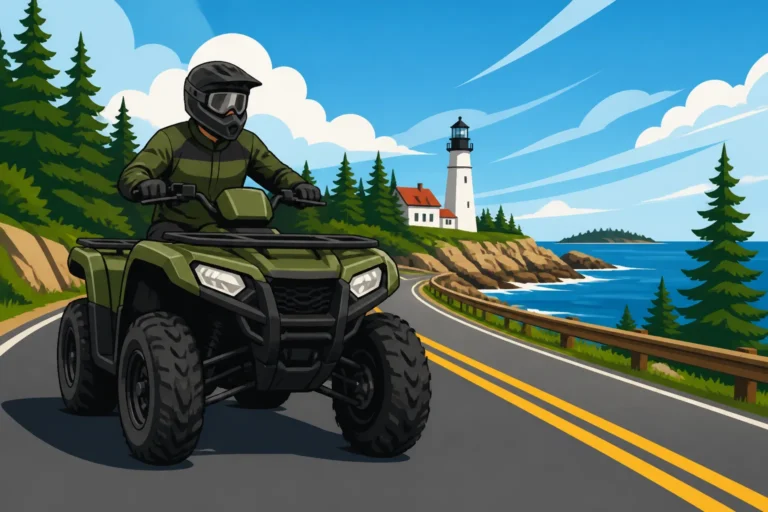
Maine's general rule for ATV operation can feel pretty restrictive when you're looking at a map and seeing a short stretch of pavement separating two great trail segments. Typically, ATVs are not allowed on public paved roads, which often leads to frustration for riders who simply want to connect trails or access essential services. It’s easy to feel stuck when a gas station is just a quarter-mile down the road but feels a world away. However, there are crucial exceptions to this rule, and understanding these specific allowances is the absolute key to unlocking convenient town access and making your riding adventures even more fulfilling. Many towns across the state have taken proactive steps to create specific "ATV-Access Routes" that allow riders to travel legally on designated public ways, often including sections of their main streets. This community-driven approach is what makes the difference.
Understanding the 500-Yard Rule and Its Limitations
You might have heard fellow riders talking about the "500-yard rule," and it's definitely a critical piece of the puzzle in Maine's ATV laws, but it's also frequently misunderstood. Maine law does indeed allow you to operate your ATV on the extreme right of a public way for a distance of no more than 500 yards. This provision is designed to allow riders to get from one legal trail segment to another, or to access essential services like fuel, food, or lodging when there isn't a direct trail connection. It's a pragmatic allowance, recognizing that trails don't always meet up perfectly.
However, it's absolutely crucial to understand that this isn't a free pass to cruise casually down every Main Street you encounter. The 500-yard limit is a strict maximum, and it's meant for short, direct transitions, not for extended travel or leisurely rides through town. Without a specific town ordinance permitting broader access, that 500-yard limit is usually your only legal recourse on public roads, and it's strictly for connecting trails or getting directly to a specific service. You can't just ride it for fun. Many riders get caught out thinking this rule applies more broadly than it does. Always remember to check [Maine's 500-Yard Limit on a Public Way] for the exact wording and restrictions. Ignoring this can quickly lead to an unpleasant interaction with local law enforcement, especially if you're lingering in areas not explicitly designated for ATV traffic.
How Towns Designate ATV-Access Routes
The real game-changer for main street access, and what makes a town truly "ATV-friendly," comes when a town's municipal officers – whether it's the select board, town council, or similar governing body – officially designate an "ATV-Access Route." This isn't a casual decision; it's a formal process that usually involves local deliberation, public hearings to gather community input, and careful planning to ensure safety and minimize disruption to residents and other traffic. When a town designates such a route, they are essentially making a public statement: "Yes, ATVs are welcome here, under these specific conditions."
These routes are always, always clearly marked with distinctive signs. You'll typically see white signs with an ATV symbol, sometimes accompanied by arrows or specific instructions, indicating precisely where you can legally ride. These signs are your official permission slip. It's absolutely crucial to look for and obey these markers, because if you don't see them, you're likely not on an approved route, and you could be breaking the law. These designated routes often weave through town, connecting trailheads to local businesses, allowing riders to experience the community's hospitality firsthand. Understanding [How a Maine Town Designates an ATV-Access Route] can give you insight into the effort that goes into making these connections possible.
Identifying Maine Towns That Welcome ATVs on Their Main Streets
While Maine boasts thousands of miles of incredible ATV trails that crisscross some of the most beautiful wilderness in the Northeast, knowing which specific towns have truly embraced ATV tourism by opening up their main streets can still be a bit of a treasure hunt. It's a growing trend, for sure, as communities increasingly recognize the economic benefits that riders bring, filling up gas tanks, dining at local restaurants, and staying in lodges. However, it's vital to remember that each town operates under its own set of rules and has its own designated routes. You simply cannot assume that just because one town is friendly, its immediate neighbor will be too. Always verify before you venture off the main trail.
Northern Maine: The Heart of ATV Hospitality
If you're looking for communities that have truly integrated ATV access into their daily life, Northern Maine, especially Aroostook County, is often considered the undisputed epicenter of ATV-friendly towns. Communities like Presque Isle, Caribou, Fort Kent, Ashland, Portage Lake, and Madawaska have a long history of understanding and appreciating the value of ATV tourism. Here, you'll find that many of these towns have seamlessly woven ATV access directly into their infrastructure, allowing riders to travel from extensive trail networks right into the heart of town. This means easy access to gas stations, a wide array of restaurants, comfortable lodging, and essential supplies.
The expansive trail networks in this region, such as [Aroostook County's 1,300-Mile Trail Network], often lead directly into these downtown areas, making it incredibly convenient for riders to experience both the raw beauty of the wilderness and the warm hospitality of local businesses. This welcoming attitude isn't just a recent development; it's deeply ingrained in the culture of these northern communities, many of which rely heavily on outdoor recreation for their economic vitality. You'll find a genuine appreciation for riders here.
Central and Western Maine: Growing Access Points
As you venture southward into Central and Western Maine, the embrace of ATV main street access continues to grow, though sometimes with more specific or localized rules. Towns nestled within the Moosehead Lake Region, such as Greenville and Rockwood, are prime examples of communities that have adapted to welcome riders. Many visitors flock to these areas specifically for the unparalleled ATV experience, and the towns have responded by creating well-marked access routes that lead directly to local businesses. Imagine finishing a scenic ride [Riding the Moosehead Lake Region by ATV] and being able to pull right off the trail for a meal overlooking the majestic lake.
Similarly, communities around Jackman, The Forks, and Millinocket are actively promoting ATV-friendly environments. These towns often serve as crucial staging points for longer, multi-day rides, and the ability to fuel up, grab a quick lunch, or resupply without the hassle of trailering your machine is an enormous convenience for riders. Many of these towns recognize the value of becoming [Maine ATV Trails That Reach a Restaurant], fostering an inviting atmosphere for visitors.
Checking Local Ordinances and Signage
Here's the most important rule of thumb, one that cannot be stressed enough: always check local ordinances and, even more practically, look for the signs. Towns that have officially designated ATV-access routes will go to great lengths to post clear, unmistakable signage. These signs are your official, legal permission slip to be on those roads. Do not, under any circumstances, rely solely on word-of-mouth, outdated maps, or what you think might be permissible. Laws and local sentiments can change, and what was open last year might be closed this year.
Before you plan any ride that includes town access, it is always, always a good idea to perform a quick check. Visit the town's official website, which often publishes its ordinances and maps of designated routes. If you can't find clear information online, don't hesitate to call the town office directly; they are usually happy to clarify the rules for visitors. Additionally, the Maine Bureau of Parks and Lands, along with local ATV clubs, often maintain up-to-date information on designated routes. Resources like the [ATV Maine Club Map Online] can be invaluable for seeing where trails connect with town services. Without proper signage or confirmed routes, you risk not only a fine for riding an unregistered ATV or violating traffic laws but, worse, charges for trespass if you're on private land or an undesignated public way. The burden of knowing and obeying the rules rests squarely on you.
| Town (Region) | Main Street Access | Key Services Accessible | Notable Features | Important Reminders |
|---|---|---|---|---|
| Greenville (Moosehead) | Yes (Designated Routes) | Gas, Restaurants, Lodging, Supplies | Scenic lake views, hub for [Moosehead Lake Region by ATV] | Always look for posted signs; can be very busy with traffic in summer. |
| Jackman (Western) | Yes (Designated Routes) | Gas, Restaurants, Lodging, Repair | Connects to vast wilderness, including Quebec trail systems | Remote area, planning fuel stops is critical; respect local speed limits. |
| Presque Isle (Aroostook) | Yes (Designated Routes) | All city services, major retailers | Large, well-maintained trail network access, wide range of amenities | Pay extra attention to urban traffic; strictly follow all signage. |
| Millinocket (Katahdin) | Yes (Designated Routes) | Gas, Restaurants, Lodging, Outfitters | Gateway to Baxter State Park region, scenic rides to iconic landmarks | Respect local residential areas; check town office or club for specific route maps. |
| Ashland (Aroostook) | Yes (Designated Routes) | Gas, Small stores, Lodging | Central location within Aroostook trails, generally less traffic | Some businesses may have limited or seasonal hours; plan accordingly. |
Navigating ATV-Friendly Main Streets Legally and Safely
Just because a town extends a welcoming hand to ATVs on its main street doesn't give you license to operate without caution or disregard for the law. In fact, it's quite the opposite. When you're operating on a designated ATV-access route that involves public roads, even through the heart of a quaint Maine town, there are specific rules of the road that absolutely apply. Adhering to these rules is not just about avoiding a ticket; it's crucial for everyone's safety – yours, other motorists, pedestrians, and cyclists – and it's paramount to ensuring these hard-won access privileges remain in place for all riders. Riding respectfully and responsibly is the single best way to maintain positive landowner relations and strong community support for ATV access.
Required Equipment for Road Riding
When you transition from a dirt trail to a designated ATV-access route that includes public roads, even if it's just a short stretch of Main Street, your machine needs to be prepared. While Maine doesn't typically require ATVs to be "street legal" in the same way a car is, specific equipment becomes critical when you're interacting with vehicular traffic. At a minimum, this typically includes working headlights and taillights, which are essential for visibility, especially if you're riding near dusk, at night, or in any low visibility conditions. These aren't just for seeing; they're for being seen.
While mirrors aren't always legally mandated for off-road trail riding, they are incredibly helpful for situational awareness on town roads, allowing you to monitor traffic behind you and to your sides without constantly turning your head. Many riders take their safety seriously and opt for aftermarket accessories, perhaps from a brand like SuperATV, to enhance their machine's road-readiness. This might include adding proper turn signals or upgrading to a louder horn, making your presence more known and predictable to other drivers. Always, always check the specific town ordinance for the routes you plan to use, as some communities may have stricter equipment requirements to ensure maximum safety on their public ways. Paying attention to [Maine Lighting Requirements for Night Riding] is a good starting point for understanding visibility needs.
Speed Limits and Traffic Rules
This point cannot be overemphasized: when you are operating on town roads, even on a designated ATV-access route, you are expected to obey all standard traffic laws. This includes all posted speed limits, which for ATVs on town roads, might even be lower than the posted limit for cars. Remember, you are no longer in the wilderness where you might occasionally open it up; you are sharing the road with cars, trucks, pedestrians, and cyclists who might not expect to encounter an ATV.
Slow down considerably, be courteous, and always anticipate sudden stops or unexpected movements from others. Yield to traffic as appropriate, and make sure you come to a complete stop before entering any public way. Many local ordinances will specify a maximum speed limit for ATVs on their access routes, and these are often significantly lower than the posted limit for cars. For example, a town might enforce a strict 10-15 mph limit for ATVs on certain main street sections. Always be aware of your surroundings, be predictable in your movements, and maintain a safe following distance. Remember, a polite, cautious, and law-abiding rider is the best ambassador for the entire ATV community, helping to ensure these privileges continue. Pay attention to [Maine ATV Speed Limits Near Buildings] and adjust your speed accordingly.
Passenger Rules and Helmet Requirements
Safety regulations concerning passengers and helmets are non-negotiable, especially when you venture onto town roads. Maine's helmet laws are very clear: all riders and passengers under the age of 18 must wear a DOT-approved helmet. There are no exceptions to this rule. While adults 18 and over are not legally required to wear a helmet on private land or on designated wilderness trails, when you're operating on a public way – an ATV-access route that puts you in proximity to vehicular traffic – wearing a helmet is always an incredibly wise decision for your own safety. It's about personal protection in an environment with higher risks.
Furthermore, it's critical to ensure your ATV is actually designed to safely carry a passenger if you have one on board. Single-rider machines are built for one person only; adding a passenger to a single-seat ATV is illegal and extremely dangerous, compromising the machine's balance and handling. Side-by-sides, on the other hand, are designed with multiple seats and come equipped with seatbelts, which must be worn by all occupants. Be especially mindful of all regulations concerning [Maine Helmet Rules for Riders Under 18] and ensure you meticulously follow all guidelines to keep everyone on your machine safe. Your responsibility extends to every person riding with you.
Planning Your Main Street Access Ride
A successful and truly enjoyable main street access experience isn't just about knowing the rules; it's also about meticulous planning and preparation. Think of it as preparing for a backcountry expedition, but with different hazards. A little foresight and preparation can make all the difference, transforming a potentially frustrating or even unlawful experience into a seamless and pleasant ride into town. It allows you to relax and enjoy the unique experience of connecting with local communities on your ATV.
Pre-Ride Checks and Documentation
Before you even think about leaving the trailhead for a ride that will include cruising into town, you need to perform a comprehensive pre-ride check of your machine. This isn't just about avoiding breakdowns; it's about ensuring your ATV is safe and legal for the roads. Are your headlights and taillights fully functional and bright? Is your horn working? Do you have enough fuel to comfortably reach town and get back to the trails, plus a little extra for good measure? Are your tires properly inflated for the mixed terrain you'll encounter, including pavement?
Just as importantly, make sure you have all your necessary paperwork readily accessible. This absolutely includes your current [Maine ATV Registration Confirmation for Immediate Riding] and, if you're under 16, proof of your ATV safety course completion. While not always legally required for trail riding, having liability insurance is an exceptionally smart move, especially when you're operating on public roads where interactions with other vehicles are far more likely. Some riders even opt for a comprehensive policy that covers both off-road and limited on-road use, just for peace of mind. Beyond your basic checks, many riders who frequently travel on designated town routes invest in aftermarket upgrades, perhaps from a reputable brand like SuperATV, to enhance their machine's visibility or ride comfort, such as improved mirrors or even suspension components designed for smoother pavement sections. You never know when a Maine Warden might conduct one of their routine [Maine Warden Service ATV Checkpoints], and having all your documents in perfect order will ensure a smooth, brief, and pleasant interaction.
Using Maps and GPS for Approved Routes
When it comes to navigating designated ATV-access routes into Maine towns, relying on memory, outdated information, or simply "following your nose" can very quickly lead you astray. It's a recipe for frustration and potential legal trouble. Instead, always use current and reliable maps or a dedicated GPS app that clearly shows the designated ATV-access routes. Many local ATV clubs painstakingly create and maintain excellent maps, often available online or at local businesses. Services like onX Offroad are also increasingly incorporating overlays that show approved trails and explicit town access points, making navigation much easier.
Don't be afraid to [Carrying a Paper Map in the Backcountry] as a critical backup, especially if you're venturing into areas with spotty or non-existent cell service, which is common in Maine's wilderness. Knowing your precise route ahead of time means you can navigate confidently and enjoy the scenery, rather than constantly second-guessing whether you're on a legal path. While some towns might have their access routes marked on general mapping applications like Google Maps, it's always, always best to cross-reference this information with official ATV club maps or the town's own website to ensure accuracy and avoid inadvertently trespassing or violating local ordinances.
Respecting Local Businesses and Residents
When you ride your ATV into a Maine town, you are far more than just another rider; you are a visible ambassador for the entire ATV community. The way you conduct yourself directly influences how local businesses and residents perceive ATV access, and whether those valuable access routes will remain open or face restrictions. Therefore, it's paramount to practice extreme courtesy and respect.
Park your ATV respectfully in designated areas, ensuring you're not blocking storefronts, pedestrian walkways, or impeding vehicle traffic. Avoid creating unnecessary noise; that means no excessive revving, no blaring music, and if your machine has a louder aftermarket exhaust, be especially mindful of its impact on residents as you slowly cruise through town. Noise complaints are a common reason for towns to reconsider ATV access. If you're riding on a dirt section of an access route near homes or businesses, be considerate of dust, especially during dry periods. Your actions directly contribute to either a positive or negative perception of ATV riders. A positive experience encourages towns to maintain and even expand their welcome, fostering a symbiotic relationship. Conversely, negative experiences – whether from noise, reckless riding, or improper parking – can quickly lead to towns exercising their right to [Maine Towns That Restrict ATVs on Public Ways], which impacts every rider. Be a good neighbor, and everyone benefits.
Disclaimer
This article is for general informational purposes only and does not constitute professional advice. Laws, prices and regulations vary by location and change over time. Consult a qualified professional for guidance on your specific situation.