How to Petition Your Town for an ATV Route
It can feel incredibly frustrating when you know there are amazing trails and destinations just beyond your reach, separated by a short stretch of town road. You see a perfect connector, a quiet side street that could link an existing trail system to a local gas station, a restaurant, or another trail, but it’s off-limits. This guide will walk you through the practical, step-by-step process of how to approach your town's select board or council to advocate for and ultimately establish a legal ATV route, making those vital connections a reality.
Understanding Maine's ATV Road Rules and Town Powers
Before you even think about gathering signatures or making a presentation, it’s crucial to understand the lay of the land when it comes to ATVs and public roads in Maine. This isn't just about knowing the rules; it's about understanding the framework your town operates within and the powers it wields.
The State Laws Governing ATV Access on Public Ways
Maine state law, specifically Title 12, gives towns a fair amount of autonomy when it comes to regulating ATV use on their public ways. While there's a general prohibition against operating ATVs on public ways, the law carves out specific exceptions. The most common one you'll hear about is the [Maine's 500-Yard Limit on a Public Way], which allows for crossing a public way or riding along it for a short distance to get from one trail segment to another. But for longer, more integrated access, the key lies in the town's ability to "designate" specific public ways or portions thereof as ATV access routes.
This designation isn't just a suggestion; it’s a formal act by the municipal officers (your select board or town council). They have the authority to decide which roads, if any, can be used by ATVs, and they can set conditions like speed limits, hours of operation, or even specific dates for use. This means your town isn't just "allowing" ATVs; it's actively creating a legal framework for their use. It's important to understand that this power also comes with responsibilities for the town, including liability concerns and the need to ensure public safety for all road users, which is why they often approach these requests cautiously.
Why Your Town Might Be Hesitant and How to Address It
Let's be real: not every town is chomping at the bit to open up their roads to ATVs. Town officials often hear from a broad range of constituents, and while you might be advocating for expanded access, others might raise concerns. Common objections usually revolve around noise complaints, increased dust on unpaved roads, perceived safety risks for pedestrians and other vehicles, the potential for property value impacts, and challenges with enforcement by local law enforcement or the Maine Warden Service. Many towns are listed among the [Maine Towns That Restrict ATVs on Public Ways] for these very reasons.
It’s easy to get frustrated by these objections, but understanding them is your first step toward success. These aren't necessarily anti-ATV sentiments; often, they're legitimate concerns about maintaining community peace, safety, and quality of life. Your approach, therefore, needs to be one of problem-solving and reassurance, not just demand. Instead of saying, "We want to ride here," consider saying, "We believe this route can connect our trails while minimizing impact by doing X, Y, and Z." Be prepared to offer solutions, like proposing specific speed limits, advocating for responsible rider behavior, or suggesting signage that educates riders on etiquette. Demonstrating that you've thought through their potential concerns shows respect and builds trust.
Building Your Case: Research and Community Support
A well-intentioned request without solid backing is unlikely to go far. To successfully petition your town, you need to arm yourself with research and demonstrate broad community support. This isn't just about numbers; it's about showing that this idea is well-considered and beneficial.
Identifying Potential Routes and Their Benefits
The first crucial step is to meticulously scout potential ATV routes. Don't just point to the nearest road; consider which specific public ways would best serve to connect existing trails, offer access to local businesses, or create a loop that enhances the overall riding experience. Think like a town planner and a rider simultaneously. Are there any existing structures, like culverts or old logging roads, that could be utilized to create safer crossings or bypass sensitive areas? A good route connects A to B efficiently and safely, minimizing interaction with residential areas where possible.
As you scout, think about the tangible benefits this route would bring. For riders, it means more seamless access, potentially reducing the need to trailer machines short distances. For local businesses, it translates directly into economic impact—riders stopping for gas, grabbing lunch, or even staying overnight. Highlight how connecting to a gas station or a general store along the [Maine ATV-Access Routes and How Towns Post Them] would encourage riders to spend money right there in your town, supporting local jobs and tax revenue. Perhaps it could connect to a local sporting camp or provide access to popular fishing spots. Every benefit you can articulate strengthens your position. Some riders even equip their UTVs with specialized gear from companies like SuperATV to make scouting more efficient and to demonstrate the practical utility of these machines for connecting services.
Gathering Support and Anticipating Objections
No matter how good your idea is, it needs community buy-in. Start by talking to your neighbors, especially those who live along or near your proposed route. Explain your vision, listen to their concerns, and address them directly. Seek out local business owners who stand to benefit from increased ATV traffic, such as gas stations, restaurants, and convenience stores. Their testimonials about potential economic boosts can be incredibly powerful in swaying town officials.
Connecting with existing ATV clubs is also paramount. Organizations like the [Maine ATV Clubs and the Trails They Keep Open] often have experience working with towns, knowledge of local trail networks, and a base of responsible riders who can lend their voices. A united front, speaking for the organized riding community, holds much more weight than an individual request.
Once you have identified your route and garnered support, you need to prepare a clear, concise proposal. This document should outline the proposed route, explain the benefits for both riders and the town, list your supporters, and proactively address anticipated objections. If you can, include data: perhaps a study from another Maine town showing the economic impact of ATV tourism. Think about how you’ll respond to questions about noise (e.g., "We encourage responsible riding and adherence to muffler laws") or safety (e.g., "We propose a 15 mph speed limit on this section, with clear signage"). Being prepared for tough questions demonstrates your seriousness and commitment.
The Petition Process: Step-by-Step Engagement with Town Officials
Once your research is complete and you've rallied support, it's time to formally engage with your town government. This involves a structured process, and navigating it correctly is key to a successful outcome.
Drafting Your Formal Petition
A formal petition is more than just a list of names; it's a legal document that prompts your town's municipal officers to consider your request. While exact requirements can vary slightly by town charter, generally, your petition needs to be clearly worded, stating precisely what you are asking for – in this case, the designation of specific public ways as ATV access routes. The proposed route should be clearly identified, perhaps with a map.
The petition should also include a concise explanation of why this route is beneficial, along with the contact information for the primary petitioners. Crucially, it must gather a sufficient number of signatures from registered voters within your town. The number needed varies; sometimes it's a fixed number (e.g., 25), other times it's a percentage of registered voters. Check with your town clerk for the specific requirements. Make sure each signature is legible and that the signee's printed name and address are included. A professionally presented petition, free of errors and clearly articulating its purpose, sets a positive tone for your request.
Presenting to the Select Board or Town Council
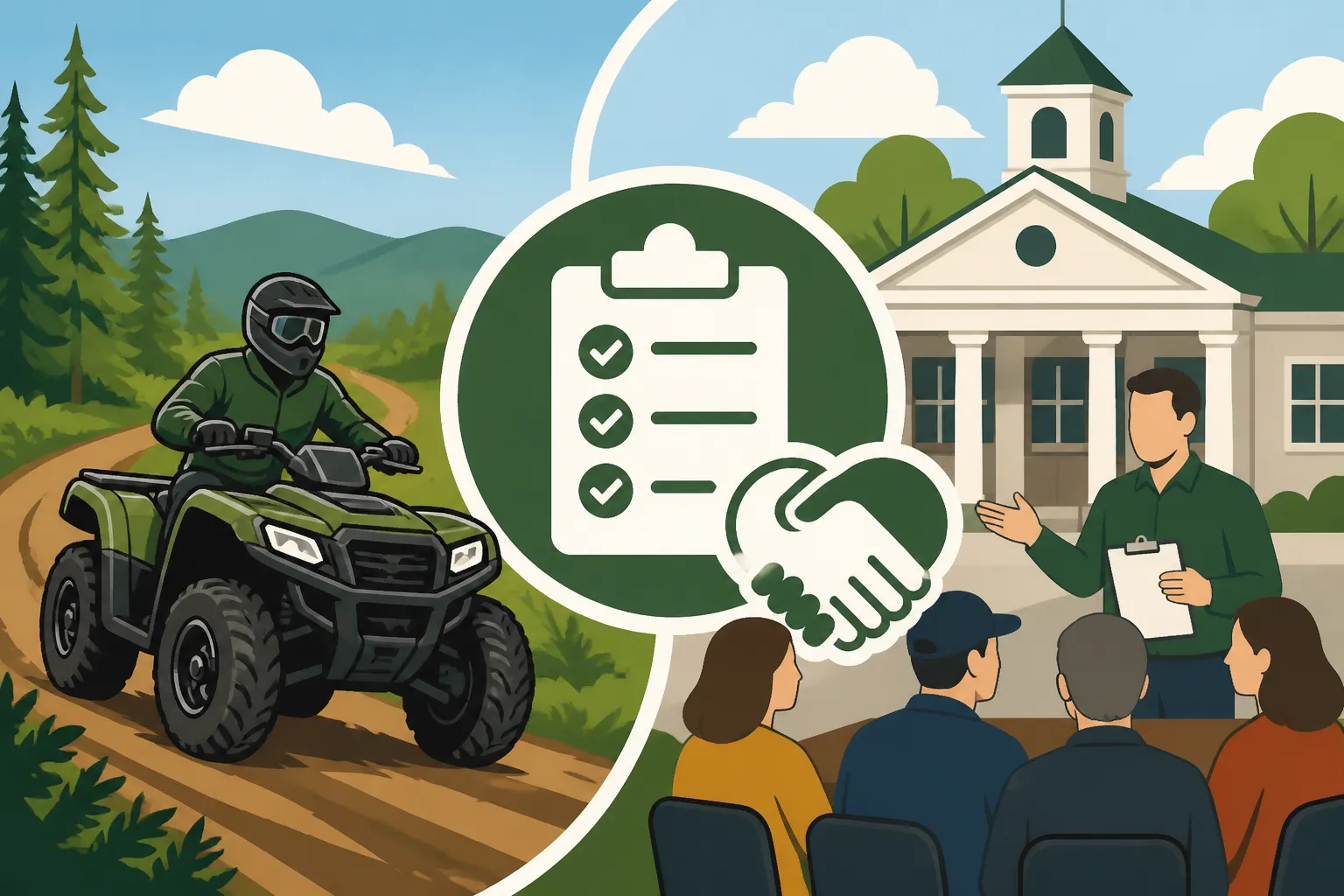
Once your petition is certified by the town clerk, it will typically be placed on the agenda for an upcoming meeting of the select board or town council. This is your moment to shine! When presenting, remember to be respectful, clear, and concise. Start by thanking them for their time. Briefly introduce the petition, outline the proposed route, and highlight the key benefits you've identified, such as economic development, enhanced recreational opportunities, and safe connectivity. This is a chance to refer back to any local businesses or clubs that have voiced their support.
Be prepared for questions. Town officials will likely have concerns about safety, noise, traffic, and enforcement. Address these head-on, reiterating the solutions you've considered. If you or members of your group have made specific modifications to your ATVs or UTVs, for instance, using robust aftermarket parts from SuperATV to enhance safety or reduce noise, this could be a good point to mention how responsible riders are investing in their machines for harmonious trail and road use. Many [Maine Select Board ATV Route Votes] have been influenced by strong, well-reasoned presentations that calmly address concerns. You may also want to emphasize the commitment of local [Maine ATV Registration for Clubs and Businesses] to maintaining good relations with the town. Often, this initial presentation will be followed by a public hearing, allowing other residents to voice their opinions.
Working Through the Approval Process and Implementation
The select board or council might not make a decision immediately. They might refer the matter to a committee for further review, seek input from the town's public works department or local law enforcement, or schedule a dedicated public hearing to gather more community feedback. This is a normal part of the process, so be patient and continue to engage constructively. Offer to provide additional information, clarify points, and even help facilitate community discussions.
If the petition is approved, the town will then move to formally designate the route. This usually involves a formal vote and the creation of an ordinance or resolution. Part of this implementation will involve the placement of appropriate signage. Maine law requires clear signs to mark designated ATV access routes, indicating the start and end points and any specific conditions of use. You'll want to work with the town to ensure these [Maine ATV Route Signs and Spacing] are correctly installed and maintained. Also, consider the ongoing needs of the route, such as enforcement of rules and potential maintenance. This might be a point where you emphasize the benefits of aftermarket components like those from SuperATV that can increase the longevity and reliability of a machine used for trail maintenance or patrol, showing a commitment to shared responsibility.
Long-Term Stewardship and Maintaining Your ATV Route
Getting an ATV route approved is a huge accomplishment, but it's just the beginning. Long-term success relies heavily on ongoing rider responsibility and proactive community engagement.
The Role of Rider Etiquette and Community Responsibility
The saying "one bad apple spoils the bunch" unfortunately rings true for ATV access. The actions of a few irresponsible riders can quickly erode the trust and goodwill that led to the route's designation, potentially jeopardizing future access. It is absolutely vital that all riders using the new route adhere to all regulations, including posted speed limits, noise ordinances, and any specific hours of operation. Excessive noise, dust, or reckless driving are common culprits in leading to [Maine Dust Complaints Along ATV Routes] and could cause the town to reconsider or even revoke the access.
This means self-policing within the riding community is crucial. If you see someone riding irresponsibly, speak up (safely and politely). Educate fellow riders on the importance of respecting private property, staying on designated routes, and operating their machines in a manner that doesn't disturb residents. Remember, every time you ride on that designated route, you are representing the entire ATV community. Keeping the peace and demonstrating respect for all community members will ensure this privilege is sustained for years to come.
Collaborating with Town Officials and Local Clubs
The relationship with your town government shouldn't end once the route is approved. Ongoing communication and collaboration are essential for maintaining the route and addressing any issues that may arise. Consider forming a local ATV club or joining an existing one. These organizations often act as liaisons between riders and town officials, helping to manage the route, organize volunteer clean-ups, and serve as a single point of contact for reporting issues or concerns. Getting involved with a club, understanding [Maine ATV Club Membership and Dues], and volunteering for trail work days shows a commitment beyond just riding.
Clubs can also help with maintenance, ensuring that signage remains clear, and any minor repairs to the route (like clearing fallen branches or addressing drainage issues) are handled promptly. Many clubs actively partner with towns and the Maine Bureau of Parks and Lands to maintain trails. By formalizing this relationship, you create a sustainable model for ATV access that benefits everyone. Perhaps your club could even coordinate with a local SuperATV dealer for parts and accessories needed for trail maintenance equipment, further solidifying community ties and showing a proactive approach to stewardship. This partnership demonstrates a shared commitment to the success and longevity of the designated route.
Comparing ATV Route Designation Pros & Cons
| Aspect | Pros for Town & Community | Cons/Challenges for Town & Community |
|---|---|---|
| Economic Impact | Increased tourism revenue for local businesses (gas, food, lodging), creation of jobs, increased tax base. | Potential for increased littering if not managed, perceived strain on local infrastructure. |
| Recreation | Expanded recreational opportunities for residents and visitors, promoting active lifestyles. | Noise complaints from residents along the route, potential for conflict with other recreational users. |
| Connectivity | Safer and legal access to amenities and other trail systems, reducing illegal road riding. | Increased wear and tear on town roads (especially unpaved sections), requiring more maintenance. |
| Community | Enhances community appeal for outdoor enthusiasts, potential for organized club events. | Safety concerns for pedestrians, cyclists, and motorists, need for increased law enforcement presence. |
| Stewardship | Promotes responsible riding through designated routes, encourages local ATV club involvement in maintenance. | Liability concerns for the town, administrative burden of designation and oversight. |
| Environment | Concentrates riding to specific routes, potentially reducing off-trail damage. | Potential for dust and erosion if not properly managed, impact on wildlife habitats if routes are poorly chosen. |
This article is for general informational purposes only and does not constitute professional advice. Laws, prices and regulations vary by location and change over time. Consult a qualified professional for guidance on your specific situation.