Maine ATV Registration Fee for Residents
Ah, the annual ritual of getting your ATV registered in Maine. It’s a moment many of us approach with a mix of excitement for the trails and a slight apprehension about the cost. You just want to know the bottom line for your resident ATV registration, right? This guide is going to walk you through exactly what Maine residents can expect to pay to get their quad or side-by-side legally on our incredible trail system, breaking down the fees and where your hard-earned money actually goes.
Understanding the Core Resident Registration Fee
Let's cut right to the chase for Maine residents who own an ATV or UTV. When it comes to registering your machine, you're looking at a standard annual fee. This fee is a critical part of maintaining Maine's vast and beautiful trail network, which, let's be honest, is one of the main reasons we love riding here. It's not just a charge; it's an investment in the very experience we all cherish.
You'll find that this fee is quite reasonable, especially when you consider the thousands of miles of trails that it helps keep open and groomed. Think of it as your yearly membership to one of the most expansive and well-maintained trail systems in the country. We don't get exact figures from on high, so always check the Maine Department of Inland Fisheries & Wildlife (IF&W) website or call your local town office for the most current price. This ensures you have the exact number in hand when you're ready to register.
The Standard Annual Fee Structure
The core of the Maine resident ATV registration fee is, as the name suggests, an annual charge. This fee is designed to be straightforward for most typical recreational riders. It typically covers the administrative costs associated with issuing your registration and, more importantly, a substantial portion is earmarked for the dedicated Maine ATV Trail Fund. This fund is absolutely vital, providing grants to the numerous volunteer clubs across the state that tirelessly build, maintain, and sign the trails we all enjoy.
For the vast majority of resident riders, this single annual payment is what you'll encounter. It's paid once per machine, per year. Whether you own a trusty old quad or a newer, high-tech side-by-side, the base fee generally applies across the board for personal recreational use. It's important to remember that this fee is about keeping our trails accessible and safe for everyone, from families out for a scenic ride to hardcore adventurers exploring the backcountry.
You're essentially contributing to a collective effort that keeps Maine a premier destination for ATV and UTV enthusiasts. Without these funds, our beloved trails would quickly fall into disrepair, bridges would crumble, and signage would vanish. So, while it's a necessary expense, it's also a direct contribution to preserving our riding heritage.
Why the Fee Isn't Always a Flat Number
While there's a standard annual fee, it's a common misconception that the amount you pay is always the exact same flat number every time, for every resident. The reality can be a little more nuanced. There are certain situations and choices you make during the registration process that can affect the final tally. For instance, if you're registering an ATV for specific commercial or business use, there might be a different fee structure, although this is less common for the average resident rider.
Another factor that can alter the final amount is where and how you choose to register. While registering directly through the Maine IF&W online portal often keeps the cost to the base fee, many folks prefer the convenience of visiting their local town office. These town offices, while offering a great service, often charge a small agent fee on top of the state registration fee. This additional charge compensates the town for the staff time and resources involved in processing your paperwork and issuing the registration on the spot. It's a small price for the convenience and local support, but it's an extra cost to be aware of.
Lastly, while less about the fee itself and more about penalties, late renewals or riding an unregistered ATV can incur additional fines, which are certainly not part of the standard registration cost! So, staying on top of your renewal date is always a good idea. [When a Maine ATV Registration Expires]
Where Your Registration Dollars Go
It's natural to wonder, "Where does all this money actually go?" When you hand over your hard-earned cash for your Maine ATV registration, you're not just paying a tax. You're making a direct investment in the infrastructure and management of the very trails and outdoor experiences you love. Maine has one of the most extensive and well-managed ATV trail systems in the country, and that doesn't happen by accident. It's a testament to the dedication of countless volunteers and the funding mechanism that your registration fee supports.
Understanding this helps shift the perspective from a mandatory expense to a contribution to a shared passion. Every dollar plays a role in keeping Maine's reputation as a premier ATV destination alive and thriving. From clearing fallen trees after a storm to building sturdy bridges over streams, your registration fee is hard at work.
Supporting Maine's Trail Systems
A significant, and perhaps the most impactful, portion of your resident ATV registration fee goes directly into the Maine ATV Trail Fund. This isn't just a theoretical fund; it's the lifeblood of our trail network. This fund is primarily used to provide grants to local ATV clubs across the state. These clubs are the unsung heroes of the Maine ATV world, comprised entirely of volunteers who dedicate thousands of hours each year.
Imagine a group of volunteers, after a long work week, heading out on a Saturday morning with chainsaws, shovels, and bridge-building materials. They're repairing washouts, building new sections of trail, installing culverts, and ensuring that signs are clear and visible. These are the folks who keep the trails rideable, safe, and enjoyable for everyone. The grants from the Maine ATV Trail Fund help these clubs purchase materials, cover equipment costs, and sometimes even fund professional contractors for larger, more complex projects that are beyond what volunteers can handle alone. So, when you pay your registration fee, you're directly supporting these dedicated individuals and the incredible work they do.
Without these funds, the vast network of trails that often traverse private land through landowner permissions would quickly become overgrown and impassable. It's a collaborative effort between the state, local clubs, and, crucially, the riders themselves through their registration fees.
Funding Enforcement and Administration
Beyond the trails themselves, your registration fee also contributes to the broader administration and enforcement that ensures responsible riding and a safe environment for all outdoor enthusiasts. A portion of the funds helps support the Maine Department of Inland Fisheries & Wildlife (IF&W) in their oversight of ATV recreation. This includes everything from processing registrations and maintaining databases to developing educational materials and safety programs.
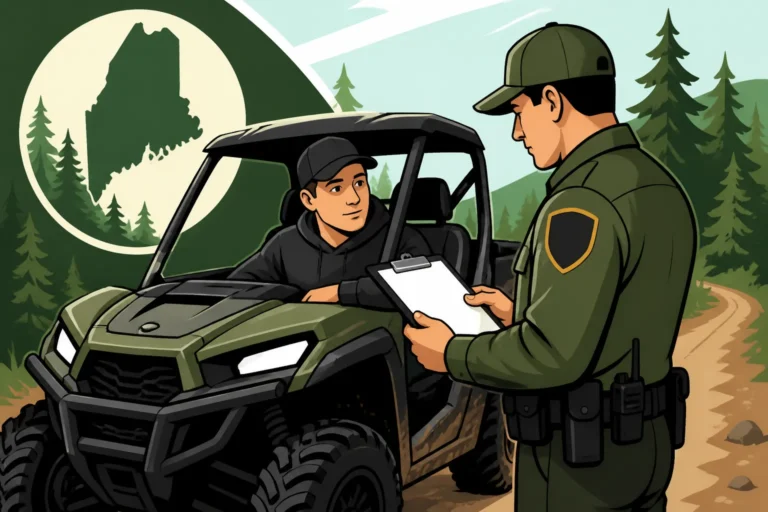
Crucially, some of the funds also go towards the Maine Warden Service. Our game wardens are responsible for enforcing ATV laws and regulations, ensuring riders adhere to speed limits, stay on marked trails, and operate their machines safely and responsibly. They investigate accidents, patrol remote areas, and respond to calls for assistance, helping to keep both riders and the natural environment safe. Their presence is vital for maintaining order on the trails and protecting landowner interests, which in turn helps preserve trail access.
So, while the most visible impact of your fee is often seen in a well-maintained trail, it also ensures that there's a system in place to manage, educate, and protect everyone who ventures out into Maine's beautiful backcountry. It's about ensuring the longevity and sustainability of our shared outdoor passion.
Navigating the Registration Process and Associated Costs
Getting your Maine resident ATV registration isn't overly complicated, but knowing your options can make the process smoother and help you anticipate any potential minor cost variations. Most residents choose between registering online through the state's official portal or heading down to their local town office. Both methods are perfectly valid, but they offer slightly different experiences and, as we've touched on, might come with a small difference in the final price tag. Understanding these avenues can help you pick the one that best suits your needs and timing.
It's worth noting that if this is your very first time registering an ATV, or if you've recently purchased a used machine, there might be a few extra steps or documents you'll need to have in order. These aren't additional fees, per se, but they are important parts of the process that, if overlooked, could cause delays.
Registering Through the Maine IF&W Online Portal
For many resident ATV owners, the most convenient way to register is directly through the Maine Department of Inland Fisheries & Wildlife (IF&W) online portal. This method is available 24/7, meaning you can register from the comfort of your home at any time that works for you. The online system is generally user-friendly, guiding you through the necessary steps. You'll typically enter your machine's information, provide your personal details, and then proceed to payment via credit card or electronic check.
One of the biggest advantages of online registration, beyond convenience, is that it usually keeps your cost to the base state registration fee. There aren't typically additional agent fees applied when you go directly through the state's system. Once your registration is complete, you'll usually be able to print a temporary confirmation page immediately. This page acts as valid proof of registration, allowing you to legally ride your ATV while you wait for your official registration certificate and sticker to arrive in the mail. This instant gratification is a huge plus, especially if you're eager to hit the trails quickly. [Printing a Registration Confirmation Page]
The online portal is generally reliable, but it's always a good idea to double-check all your entered information before finalizing, just to avoid any mix-ups with your mailing address or machine details.
Visiting Your Local Maine Town Office
For those who prefer a face-to-face interaction, or perhaps need to handle other town business at the same time, registering your ATV at your local Maine town office is another excellent option. Many town offices across the state are authorized agents for IF&W and can process ATV registrations right at the counter. [Registering an ATV at Your Maine Town Office] This can be particularly helpful if you have questions, need assistance with paperwork, or simply appreciate the personal touch of dealing with a local clerk.
When you register at a town office, be prepared for a small additional charge – the agent fee we discussed earlier. This fee is set by the individual town and compensates them for their service. It's usually a modest amount, but it's important to factor it into your total cost. The benefit here is often immediate gratification; you walk out with your official registration certificate and usually your new sticker on the spot, eliminating any waiting period for mail delivery. This is fantastic if you're planning a ride that day or within the next few days and don't want to rely on postal service timing.
Before you head to the town office, it's a good practice to call ahead and confirm their hours for ATV registrations and ask what forms of payment they accept. Some smaller towns might have specific days or times for these services, or might prefer cash or check over credit cards.
What to Have Ready When You Register
Regardless of whether you choose to register online or in person at your town office, having your ducks in a row with the necessary paperwork will make the process much smoother. This is especially true for first-time registrations or if you've recently acquired a used ATV. The core requirement is proof of ownership. For a brand new machine bought from a dealer, you'll typically have a dealer invoice or certificate of origin. For a used ATV bought privately, a detailed [Maine ATV Bill of Sale: What to Include] is absolutely essential.
This bill of sale should clearly identify the buyer and seller, the ATV's make, model, year, and crucially, its Vehicle Identification Number (VIN). Some folks find services like LawDepot helpful for creating official-looking bills of sale to ensure all necessary information is included and legally sound, preventing issues down the road. If you're using a template, make sure it's comprehensive. Without proper proof of ownership, you simply won't be able to register the machine, as the state needs to confirm you are the rightful owner. [Proof of Ownership for a Maine ATV Registration]
Additionally, if you've just purchased the ATV, you'll need to address sales tax. Maine requires sales tax to be paid on the purchase price of an ATV unless specific exemptions apply. This is often handled at the time of registration, so be prepared for this expense on top of the actual registration fee itself. Even if you bought the ATV out of state, Maine's use tax rules might apply. [Maine Sales Tax on an ATV Purchase] It's always best to have all your purchase paperwork organized to ensure a quick and seamless registration experience.
Avoiding Common Pitfalls and Extra Expenses
Nobody likes to pay more than they have to, especially when it comes to something as straightforward as an ATV registration. While the core resident fee is generally fixed, there are a few common scenarios that can inadvertently lead to additional costs or unnecessary headaches. By being aware of these potential pitfalls, you can navigate the registration process more smoothly, avoid frustration, and keep your total out-of-pocket expense exactly where it should be – at the standard fee. A little foresight goes a long way in ensuring your riding season starts without a hitch.
Sometimes these extra expenses aren't even direct fees but rather inconveniences that might require more time or effort on your part, so avoiding them is always the best course of action. It's about being prepared and understanding the nuances of the system.
The Importance of Timely Renewals
One of the easiest ways to incur unnecessary complications, and sometimes additional costs, is to let your ATV registration expire. Maine ATV registrations typically run on an annual cycle, and it's your responsibility as the owner to ensure it's renewed on time. While there isn't usually a direct "late fee" for renewing an expired registration in the same way some other licenses might have, riding an unregistered ATV is a big no-no.
If you're caught riding an expired machine, you could face penalties, including fines from the Maine Warden Service. [Penalties for Riding an Unregistered ATV in Maine] This is far more costly and inconvenient than simply renewing your registration on schedule. To avoid this, it's a good habit to mark your renewal date on your calendar or sign up for email reminders from IF&W if they offer that service. Many seasoned riders even create a simple reminder system for all their recreational vehicle registrations at the beginning of the year. Getting it done early ensures you're always legal and ready to hit the trails without any added stress or expenses.
It really does pay to be proactive; a few minutes spent renewing online or at your town office can save you a significant amount of hassle and money down the trail.
Differences for UTVs and Other Machine Types
For most resident recreational riders, the good news is that Maine's registration fee structure for UTVs (Utility Terrain Vehicles, or side-by-sides) generally aligns with that for traditional ATVs. So, if you've got a UTV, you'll typically be looking at the same core resident registration fee as someone with a quad. The state recognizes both as ATVs for registration purposes under the umbrella of "all-terrain vehicles," allowing them to share the same trail systems (where permitted by width restrictions, of course). [Maine UTV Registration and How It Differs]
However, it's worth a quick mention that if you're using a UTV for very specific commercial operations, or if you're attempting to make it "street legal" for certain public road use (which is a whole other ball game in Maine), there might be different considerations or even additional registration types or permits required. For the typical resident using their UTV for recreation, hunting, or light chores on their own land, the standard ATV registration applies. Always confirm the specifics if your situation is unusual or falls outside the standard recreational use case.
The key takeaway for most UTV owners is not to assume their larger machine will have a drastically different or higher resident registration cost for recreational use; it typically follows the same pattern as a quad.
The Lowdown on Agent Fees and Convenience Charges
As we've discussed, choosing how you register your ATV can sometimes add a small amount to your final cost. The most common "extra" expense you might encounter is an agent fee. When you register your ATV at your local Maine town office, they are acting as an agent for the state. This service requires staff time, resources, and the infrastructure to process and issue registrations. To cover these costs, towns are permitted to charge a modest agent fee on top of the state's official registration fee.
This isn't an arbitrary charge; it’s a legitimate fee for the convenience and local access that the town provides. It also helps support local municipal services, so in a way, it benefits your community. While the amount is usually small, it's important to be aware of it so you're not surprised when you get to the counter. If you want to avoid this specific fee, your best bet is to use the Maine IF&W online registration portal directly.
Beyond town offices, if you were to use any other third-party service that handles registrations for you (though this is less common for standard ATV registrations than it might be for vehicles), they might also add a convenience charge for their service. The safest way to ensure you're paying only the state fee is to go directly through the official state online system. If you choose a local option, understand the agent fee is part of supporting that local service.
Here's a quick look at the typical shape of Maine resident ATV registration costs, keeping in mind specific numbers should always be checked with official sources:
| Registration Type | Where to Register | Typical Costs Included | General Cost Shape |
|---|---|---|---|
| Maine Resident Annual ATV | IF&W Online Portal | State Registration Fee | Base Fee |
| Maine Resident Annual ATV | Local Maine Town Office | State Registration Fee + Town Agent Fee | Base Fee + Small Fee |
| Maine Non-Resident Annual ATV | IF&W Online Portal / Town Office | Higher State Registration Fee | Higher Fee |
| Maine Non-Resident 7-Day ATV | IF&W Online Portal / Town Office | Moderate State Registration Fee | Moderate Fee |
Ultimately, securing your [Maine Resident ATV Registration Fee] is a straightforward process, but being informed about the options and what your money supports can make it an even more positive experience. The fees are a vital component of keeping our incredible trail system in Maine open and enjoyable for everyone. So go ahead, get registered, and hit those trails!
Disclaimer
This article is for general informational purposes only and does not constitute professional advice. Laws, prices and regulations vary by location and change over time. Consult a qualified professional for guidance on your specific situation.