Trade-In Value and ATV Sales Tax
It’s a scenario many of us Mainers face: we’ve loved our current ATV or UTV, but the lure of a newer model, more power, or upgraded features becomes irresistible. You start looking at that shiny new machine, and while the monthly payment or upfront cost is one thing, the thought of sales tax can hit you with a bit of a sting. This guide is here to walk you through exactly how Maine handles sales tax when you trade in your old machine for a new one, showing you how that trade-in can actually put some money back in your pocket.
Understanding Maine's Sales Tax on ATV Purchases
Before we dive into the nitty-gritty of trade-ins, it's helpful to understand the basic rules of sales tax when you're buying an ATV or UTV here in Maine. It's a fundamental piece of owning one of these fantastic machines, and it’s something you’ll encounter whether you’re buying new or used, from a dealer or a private party. Getting this straight from the start will make the trade-in part much clearer.
The Baseline: Sales Tax Without a Trade-In
Normally, when you purchase an ATV or UTV in Maine, whether it's brand new from a dealership or a used gem from a private seller, you're expected to pay Maine sales tax on the full purchase price. This is a percentage that's applied to the total amount you’re spending on the machine itself. For example, if you buy an ATV for $10,000 and there’s no trade-in involved, the sales tax would be calculated on that entire $10,000. It's a straightforward calculation that can add a significant chunk to your overall cost, which is why figuring out ways to reduce that taxable amount is always on a smart Mainer's mind.
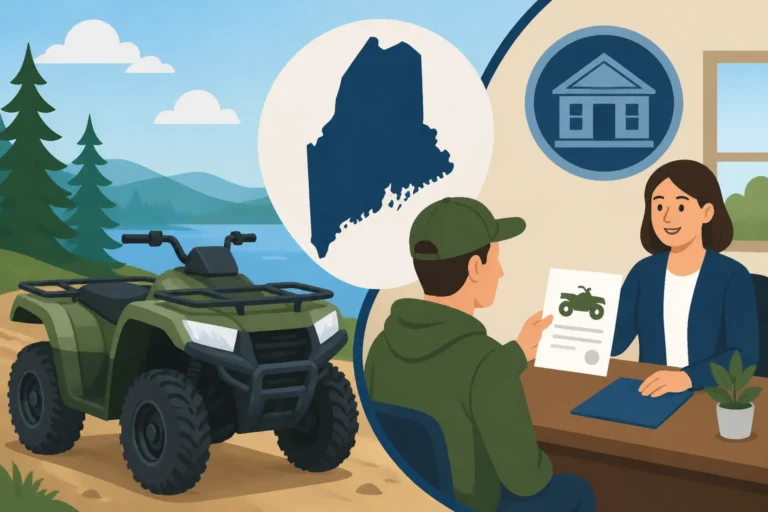
This tax is what helps fund various state services, and while it might feel like an extra burden, it’s a necessary part of the transaction. You'll typically pay this sales tax when you go to register your machine at your local town office, unless you've purchased it from a licensed Maine dealer who has already collected it from you. Understanding this base calculation is crucial before we introduce the game-changer: the trade-in. If you want to dive deeper into the basics, you can check out [Maine Sales Tax on an ATV Purchase] for more details.
The Role of a Dealer vs. Private Sale
The way sales tax is collected can differ significantly depending on where you purchase your ATV or UTV. When you buy from a licensed Maine dealer, they are generally required to collect the sales tax directly from you at the time of sale. They handle the remittance of that tax to the state, making your life a bit simpler in that regard. You'll usually see this tax itemized on your purchase agreement or bill of sale from the dealer.
However, if you're buying a used ATV or UTV from a private seller – say, your neighbor down the road, or someone you found online – the responsibility for paying that sales tax usually falls on you, the buyer. In this scenario, you'll typically pay the sales tax when you register the machine at your town office. The town clerk will assess the tax based on the purchase price listed on your bill of sale. It’s important to be prepared for this, as it’s often an unexpected expense for first-time private buyers. For more on the specific percentage, you can read [Maine Sales Tax Rate on an ATV].
How Trade-In Value Reduces Your Taxable Amount
Now, here’s where things get interesting and potentially much more favorable for your wallet. Maine, unlike some other states, offers a significant advantage to buyers who trade in an existing machine when purchasing a new one. This specific rule can translate into real savings, and it's something every ATV or UTV owner in Maine should be aware of.
The Maine Advantage: Explaining the Deduction
Maine law allows you to reduce the taxable amount of your new ATV or UTV purchase by the value of your trade-in. This means you don't pay sales tax on the full price of the new machine; you only pay sales tax on the difference between the new machine's price and your trade-in's value. Let's break that down with an example:
Imagine you're buying a brand new UTV for $18,000. You have an older ATV that a dealer agrees to take as a trade-in for $5,000. Instead of paying sales tax on the full $18,000, you would only pay sales tax on $13,000 ($18,000 – $5,000 = $13,000). This difference can amount to substantial savings, making that upgrade feel a lot less painful on your budget. It's a fantastic incentive to trade up and keep newer, safer machines on the trails. This rule applies whether you're trading in to a dealer or structuring a private sale with a trade component, as long as it's properly documented.
What Qualifies as a Trade-In
For the purpose of reducing sales tax in Maine, the item you're trading in generally needs to be something that would typically be subject to sales tax itself. In the context of our discussion, this most commonly means another ATV or UTV. So, if you're trading your old quad for a new side-by-side, that's a perfectly valid trade-in that will reduce your taxable amount.
While the primary focus for our community is certainly other ATVs or UTVs, it's worth noting that in broader sales tax scenarios, sometimes other types of vehicles might qualify if a dealer is willing to take them in trade against an ATV, such as a motorcycle or even a car. However, for the clearest and most common application of this rule for ATV and UTV enthusiasts, it's almost always another off-road recreational vehicle. The key is that the trade-in value is clearly documented in the transaction.
Documenting Your Trade-In Correctly
This is perhaps the most critical step in ensuring you actually get the sales tax reduction you're entitled to. Proper documentation isn't just a good idea; it's essential. Whether you're dealing with a licensed dealership or arranging a private sale with a trade component, the paperwork needs to clearly state the full purchase price of the new machine, the agreed-upon value of your trade-in, and the resulting net price.
For a dealer transaction, this is usually handled seamlessly. Their sales contracts are designed to capture this information accurately. However, in a private sale, you'll need to be more diligent. A well-written bill of sale is your best friend here. It should explicitly detail both machines involved, their agreed-upon values, and the cash difference exchanged (if any). Using a reliable template from a service like LawDepot can ensure all the necessary fields are included, leaving no ambiguity for the town clerk when you go to register. A thorough [Maine ATV Bill of Sale: What to Include] can help you craft this essential document.
Practical Scenarios and Common Pitfalls
Understanding the theory of trade-ins and sales tax is one thing, but applying it to real-world situations can sometimes feel a bit more complex. Let's explore some common scenarios you might encounter when dealing with a trade-in in Maine, along with potential issues to watch out for.
Trading Up at a Licensed Maine Dealer
This is usually the most straightforward and hassle-free way to handle an ATV or UTV trade-in. When you purchase a new machine from a licensed Maine dealer, they are accustomed to these transactions. They'll appraise your current machine, offer you a trade-in value, and then subtract that amount directly from the price of your new purchase. The sales tax calculation will then be based on that net amount. The dealer will collect this tax from you and remit it to the state.
They handle all the necessary paperwork, from the bill of sale detailing the trade to the transfer of ownership documents for your old machine. You simply pay the agreed-upon net price plus the calculated sales tax, and you're good to go. This convenience is a big reason many Mainers prefer to buy from dealers, especially when trading in. They are also generally up-to-date on all the latest regulations, ensuring a smooth process when it comes to registration. You can learn more about what dealers typically handle by looking at [What a Dealer Files for You].
Private Sale with a Trade-In
This scenario requires a bit more care on your part but can still result in the same sales tax savings. Let's say you find a private seller with a UTV you love, and they're willing to take your current ATV as part of the deal. You agree on a value for your ATV, a price for their UTV, and the cash difference you'll pay. The crucial step here is documentation.
You need a clear, comprehensive bill of sale signed by both parties. This document should explicitly state:
- The full agreed-upon purchase price of the UTV you are acquiring.
- The agreed-upon trade-in value of your ATV.
- The net cash difference, if any, that you are paying.
- A clear statement that the trade-in value is reducing the taxable basis for the new purchase.
When you take this bill of sale to your town office to register the new UTV, the clerk will use these figures to calculate your sales tax. Without a clearly defined trade-in value on the bill of sale, the town office might default to charging sales tax on the full agreed-upon price of the UTV, which would negate your savings. Using a template, perhaps from a service like LawDepot, can help ensure your [Maine ATV Bill of Sale: What to Include] covers all these critical details.
What if the Trade-In Value is Higher than the New Purchase?
Occasionally, you might find yourself in a situation where the value of your trade-in machine is actually higher than the price of the ATV or UTV you're looking to acquire. This often happens if you're "downsizing" or if you have a particularly valuable machine and are buying something less expensive.
In this scenario, you won't pay any sales tax on the transaction, because the net taxable amount is zero or even negative. Maine's sales tax law only applies to the net purchase price. You wouldn't receive a "refund" for the difference in trade-in value against the sales tax on another purchase; it simply means that for this particular transaction, there's no taxable amount remaining after the trade-in is applied. The key takeaway is that you won't be paying sales tax if the value of your trade-in fully covers the cost of your new acquisition.
Avoiding Surprises and Ensuring a Smooth Registration
Navigating the nuances of ATV and UTV transactions, especially when a trade-in is involved, can sometimes feel like a puzzle. But with a bit of foresight and the right information, you can ensure a smooth process and avoid any unwelcome surprises, particularly when it comes to taxes and registration.
Preparing Your Paperwork for the Town Office
After you've completed your purchase, whether it's from a dealer or a private seller, the next crucial step is registering your new ATV or UTV at your local town office. This is where your careful documentation of the trade-in truly pays off. When you approach the town clerk's counter, they will need specific documents to process your registration and calculate the appropriate sales tax.
Typically, you'll need the bill of sale for your new machine. If you've traded in an old machine, that bill of sale must clearly show the purchase price of the new machine, the value of the trade-in, and the resulting net amount. Without this clear breakdown, the clerk might have to assume sales tax is due on the full purchase price of the new machine. It’s also wise to bring proof of ownership for the machine you traded in, just in case there are questions about its value or legitimate transfer. Knowing [What Maine Town Clerks Ask For at the Counter] ahead of time can save you a lot of back and forth.
Understanding Use Tax vs. Sales Tax on an Out-of-State Trade
Things can get a little more complicated if your trade-in or new purchase crosses state lines. Maine has what’s called a "use tax," which is essentially a sales tax for items purchased outside of Maine but brought into the state for use. If you trade in a Maine-registered ATV to an out-of-state dealer for a new machine, and then bring that new machine back to Maine, you'll generally be subject to Maine's use tax on the net purchase price.
The same principles of reducing the taxable amount by the trade-in value usually apply, but you'll need to be very diligent about retaining all purchase and trade-in documentation from the out-of-state transaction. When you register the machine in Maine, you'll present this paperwork, and the town office will assess the use tax. This can sometimes involve additional questions, so having all your ducks in a row is key. For a comprehensive look at this, consult [Use Tax When You Bring an ATV Into Maine].
When in Doubt, Ask the Experts
The world of taxes and vehicle registration can sometimes have very specific rules that might seem counterintuitive or vary slightly depending on your exact circumstances. If you're ever unsure about how a particular trade-in scenario will impact your sales tax liability, or what documentation you'll need, don't hesitate to reach out to the authorities.
Your local town office is an excellent resource for questions about [Registering an ATV at Your Maine Town Office] and how they handle sales tax calculations. They are the ones who process these registrations day in and day out. For more complex questions, especially those involving out-of-state purchases or unique situations, contacting Maine Revenue Services directly can provide you with definitive answers. It's always better to get clarification upfront than to face unexpected costs or delays during registration.
Sales Tax Scenarios with Trade-Ins
Here’s a quick overview of how sales tax might look in different trade-in scenarios when you're buying an ATV or UTV in Maine:
| Scenario | Purchase Price of New ATV/UTV | Trade-In Value | Net Taxable Amount | Sales Tax Applied To | Key Takeaway |
|---|---|---|---|---|---|
| No Trade-In | $10,000 | $0 | $10,000 | Full Purchase Price | You pay sales tax on the entire cost of the new machine. |
| Trade-In (New > Trade-in) | $15,000 | $5,000 | $10,000 ($15k – $5k) | The difference between the purchase price and the trade-in value. | Your trade-in significantly reduces the amount of sales tax you'll pay. This is the most common scenario. |
| Trade-In (New <= Trade-in) | $8,000 | $9,000 | $0 (or negative) | No Sales Tax | If your trade-in's value equals or exceeds the new machine's price, you pay no sales tax on the transaction. You won't get a "refund" on tax, just pay zero. |
Disclaimer
This article is for general informational purposes only and does not constitute professional advice. Laws, prices and regulations vary by location and change over time. Consult a qualified professional for guidance on your specific situation.