How to Check If a Used ATV Is Stolen
Buying a used ATV or UTV in Maine can be an exciting prospect, opening up endless miles of trails and outdoor adventures. However, one of the most unsettling fears for any prospective buyer, especially from a private seller, is unknowingly purchasing a stolen machine. This guide is here to help you navigate the process, offering clear, actionable steps and vital red flags to look out for, ensuring your next trail companion isn't someone else's missing property.
Why It's Crucial to Check for Theft Before You Buy
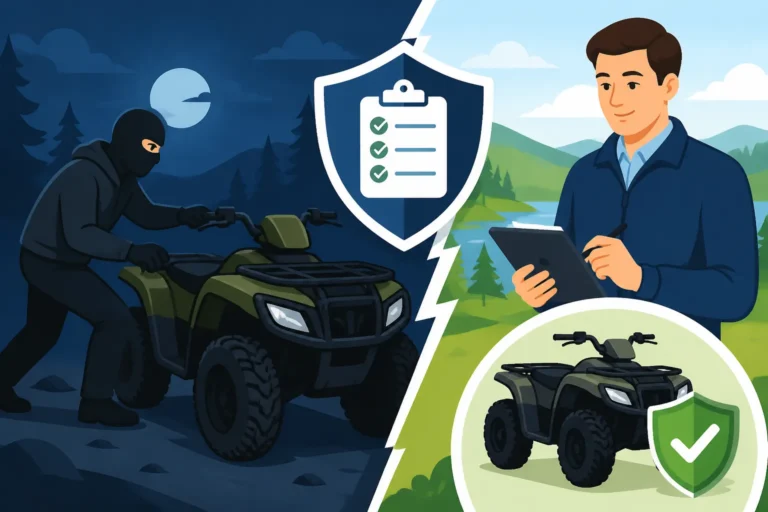
The excitement of finding a great deal on a used ATV can sometimes overshadow the critical due diligence required. But overlooking the possibility of a stolen machine can lead to a world of heartache, legal complications, and significant financial loss that far outweighs any perceived savings. It’s not just about protecting your wallet; it’s about protecting your peace of mind and ensuring you’re contributing to a legitimate, ethical recreational community.
The Nightmare of a Stolen Machine
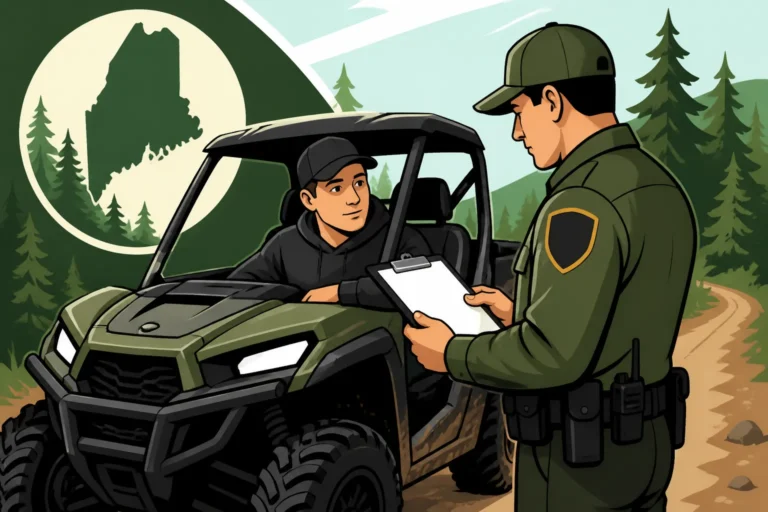
Imagine this scenario: You've found what seems like the perfect quad, paid your hard-earned money, maybe even put some work into it, and then proudly registered it at your local town office. You’re out on the trails, enjoying the crisp Maine air, when suddenly a Maine Warden pulls you over. They run the VIN, and your heart sinks as they inform you the machine you're riding, the one you bought, is reported stolen. This isn't just an inconvenience; it's a gut-wrenching experience. You would likely lose the machine, without any compensation from the person who sold it to you (who may now be impossible to find). You could even face questioning, however brief, about how you came into possession of stolen property, even if you’re entirely innocent. The financial loss is obvious, but the emotional toll and legal entanglement can be far more damaging. It's a nightmare that can quickly turn your dreams of trail riding into a legal and financial quagmire.
Protecting Your Investment and Your Peace of Mind
Beyond avoiding a run-in with law enforcement, thoroughly checking for theft protects your investment. A stolen ATV, even if you bought it in good faith, can never be legitimately registered, insured, or resold. You’ll be perpetually riding "dirty," risking fines and confiscation every time you hit the trails. Furthermore, it impacts your ability to transfer ownership or even get proper service at a dealership. Maine doesn't technically title ATVs in the same way it titles cars, which means a clear history of registration and a solid bill of sale become even more vital in establishing legitimate ownership. A legitimate purchase means you can freely enjoy your machine, register it without issue, and confidently know that it’s truly yours. It’s also about doing the right thing for the community of riders and the landowners who graciously allow trail access; stolen machines often contribute to a negative perception of ATV users.
Essential Steps to Verify an ATV's History
When you're looking to purchase a used ATV or UTV, especially from a private seller, you need to be armed with a clear checklist of actions. These steps are your frontline defense against unknowingly buying a stolen machine and ensure you're making a sound, legitimate purchase that will bring you years of enjoyment on Maine's beautiful trails. Don't rush these steps; they are critical.
The All-Important VIN Check
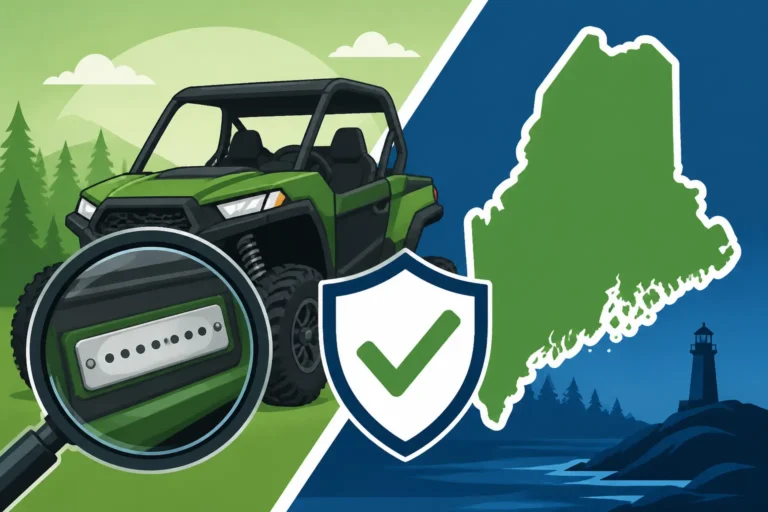
The Vehicle Identification Number (VIN) is like your ATV's unique fingerprint. It's a 17-character code that can tell you a lot about the machine, including its manufacturer, model year, and where it was made. More importantly, it's the primary tool for checking if an ATV has been reported stolen. Before you do anything else, locate the VIN on the machine itself. You'll usually find it stamped into the frame, often near the front suspension, under the seat, or on the left side of the machine, but locations can vary by manufacturer and model. For example, on a Polaris Sportsman, it's commonly found on the front frame rail, just behind the left front wheel. Make sure the VIN is clearly visible, untampered with, and matches any paperwork the seller provides. If it looks scratched, ground off, or has been re-stamped, that's an immediate, major red flag. For more details on locating and verifying this number, check out [Where the VIN Is Stamped on a Quad] and [VIN Verification Before Registering in Maine].
Once you have the VIN, you have several avenues to check its status:
- Local Law Enforcement: Your local police department or the Maine Warden Service can often run a quick check of the VIN against national stolen vehicle databases. They might ask for the seller's information and where you're meeting, so be prepared to share that. This is usually the most reliable way to confirm a clean record.
- National Insurance Crime Bureau (NICB): The NICB offers a free VINCheck tool on their website that allows you to see if a vehicle has been reported stolen or as a total loss by participating insurance companies. It's a great first step, though not every stolen ATV may be in their database immediately.
- Commercial VIN Check Services: There are several commercial services online that, for a fee, provide detailed history reports for vehicles, including ATVs. These reports can sometimes show past registrations, accident history, and lien information, in addition to theft status. Be aware that these services may not always be exhaustive for off-road vehicles like ATVs compared to road vehicles.
Scrutinizing the Seller and Paperwork
Beyond the machine itself, the seller and the documentation they provide (or don't provide) are huge indicators of a legitimate sale. When [Buying an ATV From a Private Seller in Maine], always meet the seller in a safe, public location, or ideally, at their residence. This helps establish their legitimacy and gives you a sense of their willingness to be transparent. Ask for their identification and ensure the name matches any paperwork.
The paperwork is paramount, even though Maine doesn't issue titles for ATVs. You absolutely need a clear and comprehensive [Maine ATV Bill of Sale: What to Include]. This document should include:
- The full names and addresses of both buyer and seller.
- The ATV's make, model, year, and its complete VIN.
- The purchase price.
- The date of the sale.
- A statement that the seller warrants they are the legal owner and the machine is free of liens and encumbrances.
- Both parties' signatures.
Online resources like LawDepot offer templates that can help you draft a professional and legally sound bill of sale, ensuring all the necessary details are covered.
Additionally, ask the seller for previous registration documents. While not always mandatory for a transfer, seeing prior registration cards with their name on them, showing a consistent ownership history, is a strong sign of legitimacy. This is a critical part of [Proof of Ownership for a Maine ATV Registration]. If they claim to have "no paperwork" for an older machine, or a very new machine that has never been registered, that's a significant cause for concern and warrants much deeper investigation. You might be able to find out more by [Checking Whether a Used ATV Is Registered].
Cross-Referencing Maine Registration Records
Since Maine doesn't title ATVs, the state's registration system is your best friend when it comes to verifying ownership. Most ATVs legitimately ridden in Maine will have a history of registration with the Maine Department of Inland Fisheries and Wildlife (IF&W) or through a town office.
While IF&W doesn't provide a public database to look up an ATV's full history, you can often contact them or your local town office with the VIN and ask if the machine has ever been registered in Maine under the seller's name or if any red flags pop up in their system. They may not be able to give you detailed ownership history due to privacy concerns, but they can often confirm if it has a clean record or if a stop has been placed on it. A machine with a long, consistent registration history under the seller's name in Maine is usually a good sign. If the seller claims the machine has never been registered despite being several years old, this should raise an eyebrow, unless they can provide a compelling and verifiable reason, such as it being strictly used on private land. For more information on transferring registration, read [Maine ATV Registration After a Private Sale]. If you find yourself in a situation where the machine truly has no registration history, it might be worth consulting [Buying an ATV With No Registration History] for additional guidance.
Red Flags and Warning Signs of a Shady Sale
Even with a checklist of proper steps, sometimes your gut feeling is the most valuable tool. There are several clear indicators that a deal might be too good to be true, or that the seller isn't being entirely transparent. Paying close attention to these red flags can save you a world of trouble down the line. Trust your instincts; if something feels off, it probably is.
The Price Is Too Good to Be True
This is perhaps the most common and immediate red flag. We all love a bargain, but when an ATV's asking price is drastically lower than the market value for similar makes, models, and conditions, you need to be extremely wary. Thieves aren't usually looking to get top dollar for their ill-gotten gains; they want a quick, hassle-free sale. So, if a clean, late-model utility quad is priced at half of what comparable machines are selling for, pump the brakes. Do your research on recent sales in your area to get a realistic understanding of market values before you even contact a seller. A legitimate seller knows the value of their machine and will price it accordingly, allowing for some negotiation, but not a giveaway. Keep in mind that when you register, you'll also be paying [Maine Sales Tax on an ATV Purchase], so factor legitimate costs into your budget.
Seller's Evasiveness or Lack of Information
A legitimate seller will usually be happy to answer your questions thoroughly and provide details about the ATV's history, maintenance, and why they are selling it. If a seller is vague, changes their story, or avoids direct questions about the machine's past, ownership, or mechanical condition, consider it a warning sign. Look for these behaviors:
- Reluctance to share contact information or identification: They only want to communicate through obscure apps or decline to show a driver's license.
- Insistence on meeting only in strange, remote locations: They avoid meeting at their home or a well-lit, populated area.
- Vague answers about where they got the ATV: "I bought it from a guy" or "It was a gift" without further detail.
- Limited knowledge of the machine: They can't answer basic questions about its year, engine size, or maintenance history, even for a machine they claim to have owned for a while.
Suspicious VIN or Machine Condition
As mentioned earlier, the VIN is crucial. If the VIN plate looks like it's been tampered with, removed, poorly reattached, scratched off, or painted over, do not proceed with the purchase. These are classic signs that someone is trying to conceal the machine's true identity. Pay close attention to the area around the VIN – are there grinding marks, fresh paint, or welds that don't look original?
Beyond the VIN, also inspect the overall condition of the ATV for inconsistencies. While normal wear and tear are expected, look for things that don't add up. For instance, a very new machine with excessive, unexplained damage to ignition areas or security points could be suspicious. Are there fresh paint jobs that seem to be covering something up? Does it appear as though locks were forced or wires tampered with?
Pressure Tactics and Cash-Only Deals
Shady sellers often use pressure tactics to rush a sale, preventing you from doing your due diligence. Phrases like "I have five other buyers lined up," "You have to decide right now," or "I can only meet for a few minutes" should make you pause. They want to get rid of the machine quickly before you have a chance to uncover any issues.
Another common tactic is insisting on an "all cash" deal with no paper trail. While many private ATV sales are indeed cash transactions, a seller who absolutely refuses any other form of payment (like a cashier's check) or is unwilling to provide a detailed bill of sale with their information, is trying to avoid creating a record of the transaction. This makes it incredibly difficult to trace them if problems arise later. Demand a proper bill of sale, even for cash deals, and ensure it's notarized if possible, for added legal weight.
No Prior Registration or Bill of Sale
While Maine doesn't title ATVs, almost any ATV that has been legally ridden in Maine will have a registration history. If a seller claims a machine is several years old but has "never been registered," especially if they can't provide a compelling reason (like it was used exclusively on private, posted land, or just sat in a garage), you should be highly suspicious. This is even more alarming if it's a newer model. Similarly, if they can't produce any form of [Proof of Ownership for a Maine ATV Registration], like an old registration card in their name or a legitimate bill of sale from when they purchased it, you're buying a huge risk. For insights on navigating this, you might find [Proving Ownership Without a Bill of Sale] helpful. The lack of documentation suggests either illegitimate ownership or an attempt to obscure the machine's past.
What to Do If You Suspect an ATV Is Stolen
Discovering or even suspecting that a used ATV might be stolen can be a truly unsettling experience. It's a situation that requires immediate, careful action, whether you're still considering the purchase or, in the worst-case scenario, have already bought the machine. Your responsible actions not only protect you but also help law enforcement recover stolen property and bring criminals to justice.
Before You Buy: Walk Away and Report
If, after all your checks and observations, you have a strong suspicion that the ATV you're looking at is stolen, the absolute best course of action is to walk away. Do not proceed with the purchase, no matter how tempting the deal might be. Buying a stolen machine, even unknowingly, can lead to severe legal and financial repercussions. You could lose the machine and your money, and potentially face legal scrutiny, all because you tried to snatch a "bargain."
Once you've decided to disengage from the sale, it's your civic duty to report your suspicions to the authorities. You should contact:
- Your Local Police Department: They are equipped to handle theft reports and can investigate the seller and the machine.
- Maine Warden Service: As the primary law enforcement agency for recreational vehicles in Maine, they have extensive experience with ATV and UTV theft.
When you make your report, provide as much detail as possible:
- The VIN of the ATV.
- The seller's contact information, if you have it (name, phone number, email).
- Any details about the meeting location, the seller's appearance, and any specific red flags you observed.
- Photographs of the machine or VIN, if you discreetly managed to take any.
By reporting your suspicions, you're doing your part to prevent crime, help a victim recover their property, and keep stolen machines off Maine's trails.
If You've Already Purchased It (Worst-Case Scenario)
This is the nightmare scenario that every buyer dreads. You bought an ATV, thought everything was fine, and then later discovered it was stolen – perhaps through a registration attempt, a routine trail stop by a Warden, or an insurance claim. If this happens, your immediate actions are crucial:
- Contact Law Enforcement Immediately: Do not hesitate. Call your local police department or the Maine Warden Service right away. Explain the situation clearly: you purchased an ATV, and you now have reason to believe it is stolen. Provide them with all the documentation you have, including the bill of sale, any previous registration papers, and the VIN. The faster you report it, the better your chances of navigating the situation with minimal further complications. For more information on what happens next, consult [Stolen ATV Recovery and the Registration Trail].
- Do NOT Attempt to Hide or Alter the Machine: This is critical. Do not try to move the ATV, hide it, change its appearance, or tamper with the VIN. Doing so could be construed as aiding in the concealment of stolen property, which is a serious offense. Leave the machine exactly where it is and follow the instructions of law enforcement.
- Cooperate Fully with Investigators: Be completely honest and cooperative with the police or Wardens. Provide them with all the information you have about the seller and the circumstances of the purchase. Your transparency will demonstrate your innocence and help them build a case against the person who sold you the stolen ATV.
- Understand Your Rights and Potential Losses: Unfortunately, if the ATV is confirmed stolen, it will be returned to its rightful owner. As the buyer, you will likely lose the money you paid for it. While you technically have a civil claim against the seller, recovering funds from someone who likely engaged in criminal activity can be extremely difficult. This underscores the importance of the preventative checks outlined in this guide. Consult with an attorney if you feel you have a viable path to legal recourse against the seller, but be prepared for a potentially uphill battle.
Here’s a summary of key checks to perform before you commit to buying:
| Check Category | What to Look For | Red Flags |
|---|---|---|
| VIN | Clear, legible, intact, stamped directly into the frame, matches any paperwork | Scratched, painted over, missing, altered, looks re-stamped, doesn't match documents |
| Seller | Willing to provide ID, meet at home or public place, answer questions transparently | Evasive, pushy, won't show ID, insists on remote meeting, vague about machine history |
| Paperwork | Comprehensive Bill of Sale, previous registration cards, clear proof of ownership | "No paperwork," vague documents, mismatched names, recent out-of-state "title" for an ATV that shouldn't have one, lack of details |
| Price | Realistic and reasonable for the make, model, condition, and age of the ATV | Significantly below market value (e.g., 50% or more off similar machines) |
| Behavior | Patient, transparent, allows thorough inspection, offers test ride (if safe) | Rushes you, cash-only, no time for checks, no test ride, demands immediate payment |
| Registration History | Clear, consistent history of registration in Maine under the seller's name | Claims "never registered" for an older machine, no history, brand new to state without valid reason |
By following these guidelines, you can significantly reduce your risk and ensure that your next ATV purchase brings you joy, not regret.
Disclaimer
This article is for general informational purposes only and does not constitute professional advice. Laws, prices and regulations vary by location and change over time. Consult a qualified professional for guidance on your specific situation.