Selling an ATV for Parts
It's a frustrating moment for any ATV or UTV owner: you've got a machine that's served you well, but now it's reached the end of its practical life. Maybe the engine seized, a major component failed, or it was involved in an accident that made repairs uneconomical. Faced with a quad that's more paperweight than power-sports vehicle, you're looking for an alternative to simply junking it. This comprehensive guide is here to help you navigate the process of selling an ATV or UTV for parts in Maine, ensuring you understand the legalities, maximize your return, and handle the practical steps involved.
Why Sell an ATV for Parts? Weighing Your Options
When your trusty ATV or UTV breaks down beyond easy repair, it's natural to feel a bit lost. You've invested time, money, and maybe even some sweat equity into that machine. Deciding its fate involves more than just dragging it to the nearest junkyard. Selling it for parts can often be a far more sensible and profitable route, offering a chance to recoup some of your investment and give its still-useful components a second life.
When Repair Costs Outweigh Value
One of the most common reasons to part out an ATV is when the cost to repair it simply makes no financial sense. Imagine a scenario where your ten-year-old Polaris Sportsman develops a catastrophic engine knock. A quick call to a mechanic reveals that a new engine, plus labor for installation, could set you back $3,000 or more. If a fully functional, similar-year Sportsman is only selling for $2,500 on the private market, pouring that kind of money into repairs is throwing good money after bad. The same goes for major transmission failures, bent frames from accidents, or electrical systems that have gone completely haywire.
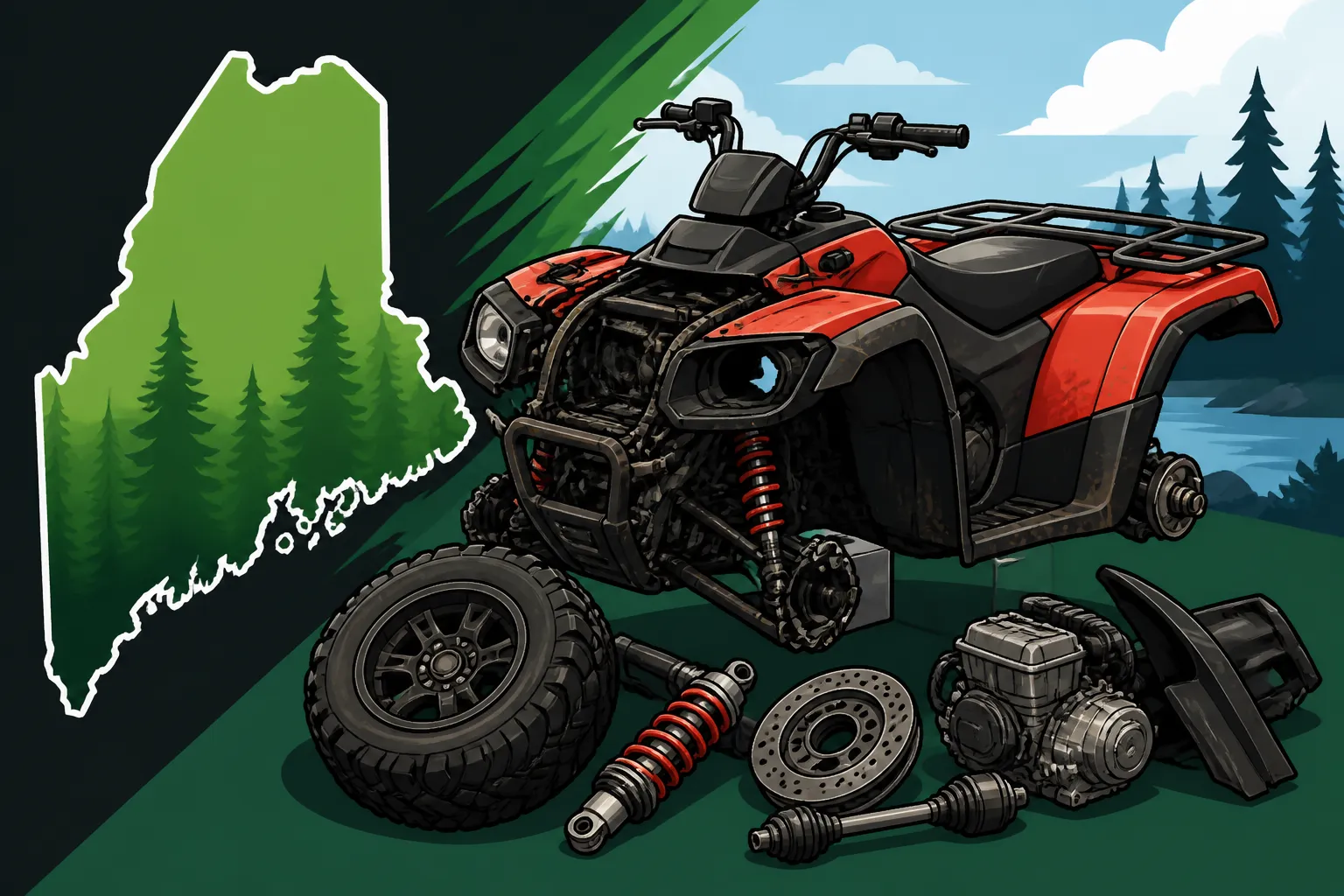
In these situations, the "donor machine" – the one that's otherwise dead – still contains a treasure trove of perfectly good parts. Someone else might be searching for a functioning carburetor for their older Honda Foreman, a front differential for a Yamaha Grizzly, or even just an intact seat or a set of plastics that aren't cracked. By breaking down your machine, you're not just getting rid of junk; you're providing vital components to other riders who want to keep their own machines running without buying brand new, expensive OEM parts.
Avoiding the Scrapyard Route
The default option for many broken-down vehicles is the scrapyard. While it's certainly convenient to have a tow truck haul your defunct ATV away, it's almost always the least financially rewarding path. Scrapyards pay by weight, and an ATV, even a large one, doesn't weigh enough to fetch much more than a few hundred dollars, if that. Furthermore, the environmental impact of simply scrapping a machine without salvaging its usable components is something to consider.
By taking the time to dismantle your ATV and sell its parts, you can often earn significantly more money than a scrap dealer would offer. Even if it takes a bit more effort on your end, the financial upside is usually worth it. Plus, there's a certain satisfaction in knowing that the functional pieces of your machine will continue to serve another rider, rather than simply ending up as melted-down raw material. It's a sustainable approach that benefits both your wallet and the wider ATV community.
Dealing with Unregistered or Salvage Machines
Sometimes, an ATV or UTV isn't just broken; it might be difficult to register due to missing paperwork, or it may have a salvage title after a significant incident. In Maine, while ATVs typically don't receive titles like cars do, major damage can still complicate their future use. For some UTVs, the titling process might be more involved. You might be wondering [Does Maine Title ATVs?] and if your machine's paperwork situation impacts selling it.
If your machine has never been registered in Maine, or if its history makes it difficult to get current paperwork, selling it for parts bypasses many of these hurdles. A buyer looking for an engine doesn't typically care about the registration status of the donor machine, as long as you can prove you legally own it. This can be a huge relief if you're stuck with a machine that's technically sound but legally complicated. Even if you're dealing with a machine that would otherwise be difficult to register again, such as one involved in a significant collision, its individual components might be perfectly fine and highly sought after. This scenario is particularly relevant if you're considering something like [Buying a Salvage ATV and Registering It], which can be a complex path. Selling for parts simplifies things immensely by breaking the machine down into components that don't carry the same registration burden.
Understanding the Legalities: Paperwork and Ownership
Selling an ATV for parts isn't quite as simple as just tearing it down and posting parts online. Even when dealing with individual components, proving you have the legal right to sell them is crucial. This step protects both you and the buyer from potential complications down the road, especially regarding theft or disputed ownership.
Proof of Ownership for Parts Sales
The golden rule here is clear: you must be able to prove you legally own the ATV or UTV you are parting out. While the individual parts you sell won't come with their own separate registration cards, the machine they came from needs to have a verifiable ownership history. For major components, like a frame that includes the VIN, or an entire engine, this becomes even more critical.
What counts as proof of ownership? Ideally, it would be the original bill of sale when you purchased the machine, whether new or used. Old Maine ATV registration cards, even expired ones, can also serve as strong evidence that you were the owner. In rare cases where an ATV might have been titled (more common for UTVs, or ATVs from states that issue titles), that title would be the ultimate proof. If you're selling an engine from a machine you inherited, for example, you might need an affidavit of ownership or estate documents to demonstrate your legal right to dispose of the property. For a situation where you might not have a perfect paper trail, understanding [Proving Ownership Without a Bill of Sale] can offer some insights into alternative ways to establish your claim. Always keep copies of these documents for your own records, even after you've sold the parts.
The VIN and Major Component Sales
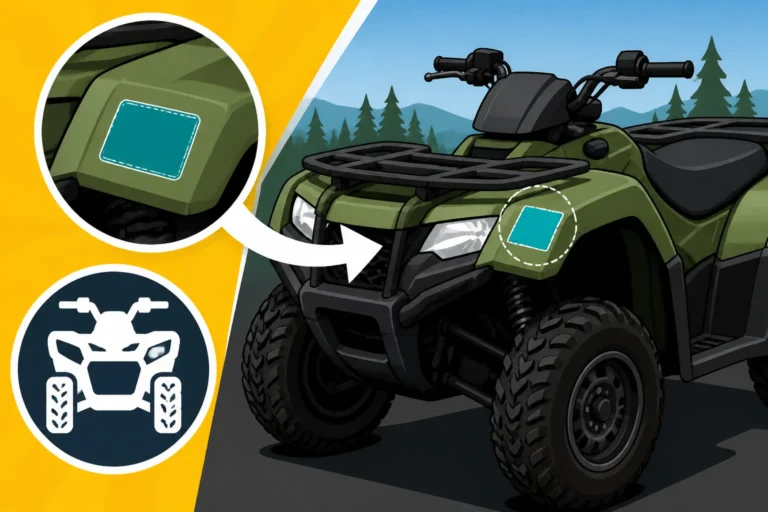
The Vehicle Identification Number (VIN) is the unique identifier for your ATV or UTV, much like a social security number for a person. It's usually stamped into the frame, often on the lower front left side or near the engine mount. Knowing [Where the VIN Is Stamped on a Quad] is important for verification. When you part out a machine, the VIN remains with the frame. This is the most sensitive component to sell, as it represents the machine's core identity.
If you sell the frame with the VIN still intact, you are essentially selling the potential for someone to "rebuild" the machine, or to use that VIN for other purposes. The buyer of a frame with a VIN needs to be fully aware of what they are purchasing and the implications for future registration or use. It’s important to document this sale carefully. For other major components, like the engine, transmission, or differential, while they don't carry the VIN themselves, it's still good practice to record the VIN of the donor machine in the bill of sale for these parts. This helps to create a clear lineage and can prevent future questions about the origin of the components, particularly if they are ever used in a machine that is later involved in an incident or reported stolen. Clear documentation protects you as the seller.
Bill of Sale for Individual Parts (When Needed)
While you likely won't create a bill of sale for every single nut and bolt you sell, it's a wise practice for any significant component. Think about items that have substantial value or could potentially be associated with the identity of a machine. This includes engines, transmissions, frames (especially with the VIN), full suspension assemblies, or even complete wheel sets. A formal bill of sale for these items adds a layer of protection and clarity for both you and the buyer.
What should a good bill of sale for a major part include? It should clearly state:
- Description of the part: Be specific (e.g., "Used 2008 Yamaha Grizzly 700 Engine Assembly").
- VIN of the donor machine: This links the part to its original machine for verification.
- Condition of the part: "As-is, used condition," or "Good working order," etc.
- Sale price.
- Date of sale.
- Full names and addresses of both the buyer and seller.
- Signatures of both parties.
Having a well-documented sale for these major components helps to establish a clear chain of custody. You can find generic templates for bills of sale online. A resource like LawDepot, for instance, offers customizable bill of sale templates that can be adapted for the sale of specific ATV components. While they might be geared towards whole vehicle sales, you can easily modify them to describe an engine or a frame. This simple step can prevent disputes or questions about ownership down the line, much like how you would document [Maine ATV Bill of Sale: What to Include] for a complete machine. For a more generic transaction, having a LawDepot generated document on hand can make the process quick and professional.
The Practicalities of Parting Out Your ATV
Once you've decided to part out your ATV and understand the necessary paperwork, it's time to get down to the actual work. This involves a systematic approach, from assessing which parts are worth selling to safely disassembling the machine and effectively marketing its components. It's a hands-on process that requires patience and a bit of organization.
Assessment and Pricing Strategy
Before you grab your wrench, take a moment to assess the entire machine. What parts are likely to be valuable and in demand? Generally, engines (even if needing minor work), transmissions, differentials, wheels and tires, seats (if undamaged), plastics (if free of major cracks), electronic components (CDI boxes, stators, voltage regulators), and suspension parts (shocks, A-arms) tend to fetch good prices. Even smaller items like control levers, brake calipers, or specific relays can be surprisingly valuable to someone in need.
Your next step is research. Head to online marketplaces like eBay, Facebook Marketplace, or specialized ATV forums. Search for similar parts from your make, model, and year of ATV. What are they selling for? Look at both "buy it now" prices and completed auction results to get a realistic idea. Pay close attention to the condition of the parts being sold – a pristine headlight assembly will command more than one with a cracked lens. Be honest with yourself about the condition of your own parts; a clean, fully functional part will always be more attractive than one covered in rust and grime.
Here's a rough guide to typical parts demand and value:
| ATV Part Category | Demand Level | Typical Value Range (Used) | Notes |
|---|---|---|---|
| Engine Components | High | $200 – $1,500+ | Crankshafts, cylinder heads, cases. Value depends heavily on condition and specific part. |
| Transmission/Drivetrain | High | $150 – $800 | Differentials, drive shafts, clutches. |
| Suspension | Medium-High | $50 – $300 per component | Shocks, A-arms, tie rods. Inspect for bends or leaks. |
| Wheels & Tires | Medium | $100 – $500 per set | Good tread on tires, no bent rims. |
| Electrical Components | Medium | $30 – $200 | CDI boxes, stators, voltage regulators, wiring harnesses. Test if possible. |
| Plastics/Bodywork | Medium | $50 – $400 | Fenders, hood, side panels. Value drops significantly with cracks/damage. |
| Seating | Medium | $50 – $150 | No rips or tears. |
| Brakes | Medium | $20 – $100 per caliper | Calipers, master cylinders. |
| Fuel System | Medium | $30 – $250 | Carburetors, fuel pumps, gas tanks. |
| Steering Components | Low-Medium | $20 – $100 | Handlebars, steering stems. |
| Exhaust | Low | $30 – $150 | Mufflers, head pipes. |
Note: These are very rough estimates and can vary wildly based on ATV model, year, condition, and market demand.
Disassembly and Storage
Disassembling an ATV might seem daunting, but it's a manageable task with the right tools and approach. You'll need a good basic mechanic's toolkit, including socket sets, wrenches, screwdrivers, pliers, and perhaps an impact wrench for stubborn bolts. Penetrating oil is your friend for rusted fasteners. Always work on a stable, level surface, and consider using jack stands to elevate the machine safely. Before starting, disconnect the battery and drain all fluids (oil, coolant, fuel, brake fluid) into appropriate containers for proper disposal.
The key to successful disassembly is organization. As you remove parts, label everything. Use zip-lock bags for small fasteners and label them clearly with where they came from (e.g., "Front Fender Bolts," "Carburetor Mount Bolts"). Take photos or even video as you go; these visual aids will be invaluable if you need to remember how something went together, or if a potential buyer asks detailed questions about a specific component. Store your parts cleanly and dry. A shelf in a garage or basement is ideal. Avoid simply tossing them into a pile in a damp shed, where valuable components could rust or degrade. Group similar parts together, and use containers to keep small pieces from getting lost.
Marketing Your ATV Parts
With your parts neatly organized and ready, it's time to find buyers. There are several effective avenues for marketing your ATV components:
-
Online Marketplaces:
- eBay: Excellent for reaching a wide audience, especially for niche or harder-to-find parts. Be prepared for shipping logistics.
- Facebook Marketplace/Groups: Great for local sales, which avoids shipping. Look for specific ATV owner groups or "buy/sell/trade" groups in Maine.
- Craigslist: Another solid option for local pickup, though it requires a bit more caution regarding scams.
- Specialized ATV Forums: Many forums have dedicated "for sale" sections where you can connect with enthusiasts looking for specific parts.
-
Local Mechanics and Dealers: Sometimes, local repair shops might be interested in purchasing certain used parts, especially if they work on older machines and need to source affordable components for their customers.
-
Word-of-Mouth: Let your riding buddies, friends, and family know what you're doing. Someone in their network might be looking for exactly what you have.
When listing your parts, good photos are absolutely crucial. Take clear, well-lit pictures from multiple angles. Highlight any imperfections honestly – it builds trust with potential buyers. Provide detailed descriptions that include:
- Make, model, and year of the donor ATV/UTV.
- The specific name of the part (e.g., "Front Left A-Arm").
- Any manufacturer part numbers, if visible.
- The condition of the part (e.g., "Good used condition, minor cosmetic scratches," or "Tested and working").
- Any known issues or damage.
- Price (firm or OBO).
- Your preferred method of transaction (shipping or local pickup).
For larger items like frames or engines, local pickup is often the most practical option. For smaller components, shipping opens up your buyer pool considerably, but be sure to factor in packaging costs and shipping fees when setting your price. Many resources, like LawDepot's general bill of sale templates, can be adapted to create a formal transaction record even for smaller items, protecting both parties.
What to Do with the Remnants
After you've successfully sold off all the valuable components from your ATV, you'll inevitably be left with a collection of unusable pieces – the bare frame, cracked plastics, worn-out tires, and various other bits and bobs. Handling these remnants responsibly is the final, crucial step in the process, ensuring proper disposal and completing your documentation.
The Remaining Frame and Body
If you've managed to sell the engine, drivetrain, suspension, and other prime components, what you're often left with is a bare frame, perhaps with some severely damaged plastics still attached. This is where the machine truly reaches its end of life as a usable vehicle.
The frame, being mostly metal, can typically be sold to a local scrap metal yard. Check with yards in your area for current pricing on ferrous metals. It won't fetch a huge sum, but it's often more than nothing and ensures proper recycling. If the frame still contains the VIN and you haven't sold it separately, it's wise to ensure the VIN is visibly destroyed before scrapping to prevent any potential future misuse of the vehicle's identity. As for the damaged plastics, worn-out tires, and other non-metallic or non-recyclable components, these will usually need to be disposed of at your local transfer station or landfill, following their specific guidelines for such materials. Taking photos of the final, stripped-down frame before disposal can be a good idea for your records.
Responsible Fluid Disposal
One critical aspect of disassembling an ATV for parts is the proper handling of fluids. You'll likely have drained engine oil, transmission fluid, coolant, and potentially brake fluid. These substances cannot simply be poured down a drain, into a septic system, or onto the ground. They are hazardous waste and must be disposed of correctly to protect the environment.
Many auto parts stores, municipal transfer stations, or dedicated recycling centers offer collection points for used automotive fluids. Call ahead to confirm their policies and accepted materials. Store the drained fluids in clearly labeled, sealed containers until you can transport them for proper disposal. Taking this step demonstrates environmental responsibility and adheres to local waste disposal regulations, preventing contamination and harm to Maine's beautiful natural landscapes.
Documenting the Process (Final Steps)
Even though you're selling parts, good record-keeping remains important until the very end. Keep a detailed log of every part you sold, including the date, the buyer's information (if a significant part), the price, and a copy of any bill of sale. This creates a paper trail for all transactions and can be helpful if any questions arise later.
Once the machine is fully dismantled and the remaining shell disposed of, it's a good idea to create a final, overarching document for your records. This can be a simple affidavit or a modified bill of sale (again, a customizable template from LawDepot could work here) stating that the ATV, identified by its VIN, has been dismantled for parts and the remaining frame has been scrapped or disposed of. This acts as a formal "closure" for the vehicle in your ownership records. This final documentation step is especially important if you're dealing with a machine that previously had registration. While Maine doesn't typically title ATVs, if you were to sell a complete machine, you'd follow specific steps like those outlined in [Selling an ATV in Maine: What You Sign]. For a parted-out machine, this final record replaces that process by confirming its end. It clarifies that you no longer possess the complete vehicle and prevents any lingering liability or ownership questions, much like the process for [Scrapping a Dead ATV] would provide finality for a whole, unusable machine.
Disclaimer
This article is for general informational purposes only and does not constitute professional advice. Laws, prices and regulations vary by location and change over time. Consult a qualified professional for guidance on your specific situation.