Maine Helmet Rules for Riders Under 18
Few things are more thrilling than sharing the joys of Maine's vast ATV and UTV trails with younger generations. Yet, the sheer excitement can sometimes overshadow critical safety measures, leading to genuine anxiety for parents and guardians. Navigating the specific legal requirements for youth riders can feel like untangling a fishing net, especially when it comes to head protection. This guide aims to cut through the confusion, clearly outlining Maine's helmet rules for anyone under the age of 18, ensuring peace of mind and safe adventures for your family.
Why Maine Takes Helmet Rules for Young Riders So Seriously
Let's be honest, nobody wants to think about accidents, especially when it involves kids having fun. But the reality of operating an ATV or UTV, even on seemingly gentle trails, means there's always a risk. Maine's Department of Inland Fisheries and Wildlife (IF&W) isn't just making rules to be difficult; these regulations are born from years of experience and, sadly, from tragic incidents that could have been prevented. Protecting our youngest riders isn't just a legal obligation; it's a moral one.
The Realities of ATV & UTV Accidents Involving Youth
It's a sobering fact, but young riders are statistically more prone to ATV and UTV accidents. Their enthusiasm often outpaces their judgment and skill, leading to scenarios that can quickly turn dangerous. We've all seen it: a moment of overconfidence, a misjudgment of terrain, or simply an unexpected obstacle can lead to a spill. When a machine that weighs hundreds of pounds rolls over, or a rider is ejected, the forces involved are immense. A child's developing body, particularly their head, is incredibly vulnerable to these impacts.
Many youth accidents occur when riders lose control on turns, encounter uneven ground, or collide with stationary objects like trees. Even seemingly minor incidents, like a low-speed tip-over, can result in serious head injuries if a helmet isn't worn or isn't properly secured. The consequences of these impacts can range from concussions to severe traumatic brain injuries, forever altering a young person's life. Understanding these harsh realities isn't about scaring anyone; it's about empowering parents and guardians to make informed decisions that prioritize safety above all else.
How Brain Injuries Impact Young Riders
The human brain is a marvel, but it's also incredibly delicate, especially in children and adolescents. A traumatic brain injury (TBI) can have devastating short-term effects, like memory loss, dizziness, and difficulty concentrating. In the long run, the impact can be even more profound, affecting a child's cognitive development, academic performance, and even their personality. We're talking about potential lifelong struggles with learning, mood regulation, and physical coordination.
What's particularly insidious about brain injuries is that they're not always immediately apparent. A child might seem shaken but otherwise okay after a fall, only for symptoms to emerge hours or even days later. This delayed onset makes it even more critical to prevent head injuries in the first place, rather than relying on a "wait and see" approach. The simple act of wearing a helmet, particularly one that meets rigorous safety standards, significantly reduces the risk of these life-altering outcomes. It's a small precaution with monumental implications for a child's future.
Beyond the Law: Parental Responsibility
While the law clearly dictates helmet use for young riders, true safety extends far beyond simply avoiding a ticket. As parents, guardians, or even just responsible adults on the trail, we carry a profound moral responsibility for the well-being of the children in our care. This means fostering a culture of safety, not just enforcing rules. It's about teaching respect for the machine, the trails, and the potential dangers, rather than just demanding compliance.
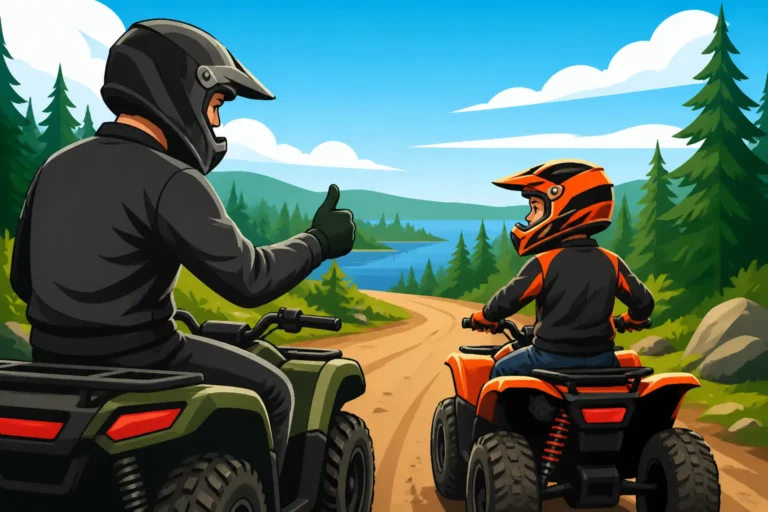
This responsibility also means being the first line of defense. It's making sure the helmet fits correctly, that it's buckled every single time, and that the child understands why it's important. It's about leading by example, wearing your own helmet even if you're over 18 and technically not required to by law. When kids see adults taking safety seriously, they're far more likely to internalize those lessons. After all, when an accident happens, the emotional toll on the supervising adult is immeasurable, often fueled by the agonizing thought of "what if I had done more?"
Decoding Maine's Official Helmet Law for Riders Under 18
Maine is very clear about its stance on youth helmet use. There's no ambiguity, no wiggle room when it comes to riders under the age of 18. This isn't just a recommendation; it's a legal mandate designed to protect the most vulnerable members of our riding community. Understanding the specifics of this law is the first step toward ensuring compliance and, more importantly, genuine safety for everyone on the trails.
Who Exactly Needs to Wear a Helmet?
Maine law is explicit: any person operating or riding as a passenger on an ATV or UTV who is under 18 years of age must wear protective headgear. This means if your child is 17 years, 11 months, and 29 days old, they need a helmet. The rule applies whether they are driving their own youth machine, riding shotgun in a side-by-side, or sitting on the back of a larger quad if it's designed for a passenger. It's not limited to public trails; this rule applies on private land, club trails, and designated access routes alike.
There's no distinction made for experience levels, the speed of travel, or the type of terrain. If a person is under 18 and on an ATV or UTV, a helmet is required. This universal application is critical because accidents can happen anywhere, at any time, often in the most unexpected situations. The law casts a wide net to ensure comprehensive protection for all our younger riders.
The Specific Age Cutoff and What It Means
The age of 18 is a significant legal threshold, marking the point at which an individual is generally considered an adult, with all the accompanying rights and responsibilities. Maine's helmet law aligns with this standard. Until a rider blows out 18 candles on their birthday cake, they are subject to this mandatory helmet rule. This means that even a mature 17-year-old, who might feel perfectly capable and experienced, still falls under the legal requirement.
For parents, this means setting clear expectations long before a child even swings a leg over an ATV. It's not about debating the rule; it's about accepting and enforcing it. Just like there are specific rules about [Maine ATV Age Rules for Riders Under 16] or requirements for [Helmet Rules for a 17-Year-Old Rider in Maine], this blanket rule simplifies compliance: if they're not 18, the helmet goes on. This clear cutoff removes any ambiguity and helps wardens and other enforcement officials ensure consistency in applying the law across the state.
Exceptions to the Rule: Are There Any?
In short, when it comes to a person under 18 operating or riding an ATV or UTV, there are generally no exceptions to Maine's helmet rule. You might hear whispers about riding on your own land, or specific farm uses, but these often apply to registration or other specific operational aspects, not fundamental safety gear for youth. If an individual is under 18, the helmet is mandatory. Period.
It's crucial not to confuse this with other types of exemptions that might exist for different vehicles or adult riders. For example, some states have exemptions for agricultural use of ATVs, but these typically don't negate fundamental safety requirements for minors. The intent of Maine's law is clear: prioritize head protection for young riders universally. Trying to find a loophole isn't just risky legally; it's incredibly dangerous for the child involved. Always err on the side of caution and ensure that protective headgear is worn, regardless of the situation.
What Kind of Helmet Actually Meets Maine's Standards?
It’s not enough to just wear any helmet; it needs to be the right kind of helmet. A flimsy plastic helmet designed for cycling or skateboarding, while providing some protection, simply isn't built to withstand the types of impacts that can occur during an ATV or UTV incident. Maine's law specifies that the helmet must meet recognized safety standards, and understanding these is key to making a wise purchase.
Understanding DOT and ANSI Certifications
When you're shopping for an ATV helmet, you'll often see stickers or labels indicating "DOT" or "ANSI" certification. These aren't just fancy acronyms; they represent rigorous testing standards that ensure the helmet can actually protect its wearer. DOT certification means the helmet meets the U.S. Department of Transportation's Federal Motor Vehicle Safety Standard (FMVSS) 218. This standard includes tests for impact absorption, penetration resistance, and retention system effectiveness.
ANSI (American National Standards Institute) is another recognized body that sets safety standards. Helmets meeting ANSI standards (often Z90.1) have also undergone specific testing to ensure they offer adequate protection. While DOT is the most commonly cited and legally recognized standard for motor vehicle helmets, both indicate a level of protection far superior to non-certified headgear. If you want to dive deeper into the specifics, understanding [DOT vs ANSI Helmet Standards for Riders] can really help clarify why these certifications are so important for powersports.
Why a Bicycle Helmet Just Won't Cut It
This is a critical point that often gets overlooked, and it can have dire consequences. A bicycle helmet is designed to protect against impacts at much lower speeds and from different angles than those experienced on an ATV or UTV. Think about it: a bicycle fall usually involves speeds under 20 mph, often with a single impact. An ATV accident, even at moderate speeds, involves significantly higher kinetic energy, potential for multiple impacts (e.g., hitting the ground, then the machine rolling over), and greater forces.
The construction of an ATV helmet reflects these differences. They typically feature a much thicker, multi-density EPS (expanded polystyrene) foam liner, a more robust outer shell, and often a full chin bar for facial protection. Bicycle helmets lack this crucial chin bar and are engineered for lighter, less forceful impacts. Using a bicycle helmet on an ATV is akin to bringing a knife to a gunfight – it's simply inadequate for the task at hand and will not provide the level of protection required by Maine law or common sense.
The Importance of a Proper Fit
Even the most expensive, top-rated, DOT-certified helmet is useless if it doesn't fit correctly. A helmet that's too loose can shift during an impact, exposing critical areas of the head, or even fly off entirely. One that's too tight can be incredibly uncomfortable, leading a child to try and subtly remove it, or worse, distract them while riding. Achieving a proper fit is paramount, and it's a process that requires patience and careful attention to detail.
When you're trying on helmets, ensure it feels snug all around the head, with no pressure points. The helmet shouldn't move side-to-side or up-and-down independently of the head. When the chin strap is fastened, it should be tight enough that you can't pull the helmet off by rolling it forward or backward. Remember, a child's head size can change rapidly, so what fit last year might not fit this year. Always re-check the fit before every ride. For more specific guidance, resources on [Buying a Helmet That Meets the Standard] can walk you through the measurement and fitting process to ensure maximum protection.
Special Considerations for Passengers Under 18
While much of the focus naturally falls on the operator, it's vital to remember that passengers, especially young ones, are equally vulnerable in an ATV or UTV incident. Maine's helmet law isn't just for the person with their hands on the handlebars; it extends fully to anyone riding along for the adventure. This means understanding specific rules for carrying youth, and the equipment needed to keep them safe.
Helmet Requirements for Young Passengers
Just as with the operator, any passenger under the age of 18 on an ATV or UTV in Maine is legally required to wear a protective helmet. This is not a suggestion; it's a non-negotiable part of the law. Imagine the forces involved if a machine suddenly stops, swerves, or rolls over. A passenger, particularly a child, can be thrown from the vehicle or strike interior components with significant force. A helmet provides crucial protection against these impacts, minimizing the risk of head injury.
This rule emphasizes that safety is a shared responsibility on the trail. If you're allowing a minor to ride as a passenger, you are just as responsible for their head protection as you would be if they were operating the machine themselves. Before embarking on any ride, ensure the young passenger's helmet is properly fitted, DOT or ANSI certified, and securely fastened. It's a fundamental step that ensures their safety throughout the journey.
Carrying a Passenger on a Single-Rider Quad
This is a critical area where legal requirements often intersect with fundamental safety practices. Many ATVs (quads) are designed and rated for a single rider only. Attempting to carry a passenger, especially a child, on a single-rider ATV creates an unstable situation that can be incredibly dangerous, regardless of whether a helmet is worn. These machines are engineered for precise weight distribution and rider control, which are severely compromised by a second person.
If an ATV is specifically designed by the manufacturer to carry a passenger, it will typically have a longer, more ergonomic seat, passenger footrests, and often handholds. If your ATV doesn't have these features, it's a single-rider machine, and carrying a passenger is not only unsafe but often prohibited by manufacturer warnings and specific state laws. For situations involving more than one person, especially with youth, a side-by-side UTV is a far safer and legally compliant option, as they are specifically designed with multiple seats and occupant safety features.
Seat Belt and Roll Cage Rules for Youth in UTVs
UTVs, with their car-like seating and roll cages, often provide an enhanced sense of security compared to traditional ATVs. However, it's crucial to remember that a roll cage and seat belts are additional layers of protection, not replacements for helmets for riders under 18. Maine law still mandates that any youth passenger in a UTV must wear a helmet, even if they are securely belted in. The forces of a rollover or sudden impact can still cause head injuries, especially if limbs or the head extend beyond the protective cage.
Always ensure that all occupants, especially children, are properly secured with the UTV's seat belts or harnesses before moving. If you've upgraded your UTV with aftermarket safety harnesses from a company like SuperATV, make sure they are installed correctly and that children are adequately strapped in. These harnesses often provide a more secure fit than standard seat belts, which can be particularly beneficial for smaller occupants. The combination of a properly worn helmet, snug seat belts, and the UTV's roll cage creates the safest environment for your young passengers.
Eye Protection and Other Safety Gear for Young Riders
While the helmet is undeniably the star of the show when it comes to youth safety, it's part of a larger ensemble of protective gear that significantly reduces the risk of injury. Maine's laws and best practices encourage a comprehensive approach, ensuring that young riders are shielded from more than just head impacts. Protecting their vision and overall body is just as vital for a truly safe and enjoyable experience.
Why Goggles or a Face Shield Are Non-Negotiable
Riding an ATV or UTV, even on a clear day, exposes riders to a barrage of potential hazards. Dust, dirt, flying debris (twigs, rocks, insects), and even unexpected splashes of mud are commonplace. All these can seriously impair a rider's vision or cause painful injuries to the eyes. For a young rider, whose reaction times might not be as sharp as an adult's, impaired vision can quickly lead to a loss of control and an accident.
This is why proper eye protection, whether through goggles or a helmet with an integrated face shield, is non-negotiable. It's not just about comfort; it's about maintaining clear, unobstructed vision to navigate the trail safely. Even if a helmet is worn, if it doesn't have a full face shield, dedicated goggles are essential. For more detailed insights on this crucial gear, take a look at information regarding [Goggles or Face Shield on an Open Quad].
Helmets with Integrated Visors vs. Separate Goggles
When choosing eye protection, you generally have two main options: a helmet with a built-in visor (often found on full-face street helmets or some specialized ATV helmets) or an open-face helmet combined with separate goggles. Both can provide effective eye protection, but they each have their pros and cons, particularly for youth riders.
Integrated visors offer convenience, often providing a wide field of vision and good protection from wind and debris. However, they can sometimes fog up, especially in humid conditions or when riding slowly. Separate goggles, on the other hand, are often designed for better ventilation and can be easily swapped out for different tints depending on lighting conditions. They also tend to sit closer to the face, providing a better seal against dust. For youth, separate goggles paired with a motocross-style helmet are often preferred due to better ventilation and the ability to find a snug fit over a range of faces, ensuring consistent protection.
Beyond the Helmet: The Full Gear Checklist
While the helmet and eye protection are paramount, a responsible approach to youth ATV and UTV riding involves outfitting them in a full range of protective gear. This isn't just about looking the part; it's about minimizing scrapes, bruises, cuts, and even broken bones from falls or impacts with trailside elements.
A comprehensive gear checklist should include:
- Long-sleeved shirts and long pants: Durable fabrics like denim or specialized riding gear provide essential abrasion protection against branches, brush, and road rash in a fall.
- Gloves: Protect hands from blisters, cuts, and provide a better grip on the handlebars.
- Over-the-ankle boots: Crucial for protecting feet and ankles from impacts, crushing injuries, and preventing them from slipping off footpegs.
- Chest protector (optional but recommended): Especially for more aggressive riding, a chest protector can shield against impacts from handlebars or flying debris.
Investing in quality gear, much like selecting durable accessories from a brand like SuperATV, is a small price to pay for the significant reduction in injury risk it provides, making every ride safer and more enjoyable for your young adventurer.
What Happens if a Young Rider is Caught Without a Helmet?
Maine's wardens and law enforcement take ATV and UTV safety very seriously, and that includes strict enforcement of youth helmet laws. Ignorance of the law is never an excuse, and non-compliance can lead to more than just a stern talking-to. There are tangible penalties and serious implications, not only for the rider but also for the adults responsible for their supervision.
The Fines and Penalties for Non-Compliance
If a Maine Warden Service officer or other law enforcement personnel observes a rider under 18 operating or riding as a passenger without a proper helmet, they will likely issue a citation. While specific fine amounts can change and are best checked with official sources, you can expect a monetary penalty. This isn't just a slap on the wrist; it's designed to be a deterrent and a clear signal that the state prioritizes youth safety.
The fine is typically issued to the adult who owns the ATV or UTV, or the adult who was supervising the minor at the time of the violation. It's a direct consequence that reinforces the adult's responsibility. Beyond the immediate financial cost, repeated offenses could lead to more significant penalties, including suspension of ATV registration privileges. For more insight into what kind of fines are typically issued, you might find information on [Fines Maine Wardens Write Most Often] helpful.
Impact on the Adult Supervising the Rider
The legal and ethical responsibility for a minor's safety on an ATV or UTV largely falls on the shoulders of the supervising adult. If a young rider is caught without a helmet, it's the adult who will face the legal repercussions. This could be the parent, guardian, or any other adult who allowed the minor to ride or was present during the violation. This often includes monetary fines, as mentioned, but the impact can be broader.
Consider the potential for your own riding privileges to be affected. Law enforcement has the authority to issue warnings, fines, and in severe or repeated cases, could even impact future registrations or permits. More importantly, there's the moral weight of knowing you failed to provide adequate protection for a child, especially if an injury were to occur. It underscores the importance of actively engaging in [Supervising a Young Rider on the Road] and on the trails.
Potential Liability in an Accident Scenario
Beyond the immediate fines, the most severe consequences of not complying with helmet laws can arise in the event of an accident. If a minor sustains a head injury while riding without a legally required helmet, the implications can be devastating. From a legal standpoint, the adult responsible could face significant civil liability. Insurance companies might deny or reduce coverage for medical expenses or other damages if a safety law was violated.
Imagine a scenario where a child is injured, and it's found they weren't wearing a helmet. This lack of compliance could be used as evidence of negligence, potentially leading to substantial lawsuits against the supervising adult or the ATV owner. The financial burden of long-term medical care for a brain injury can be astronomical, not to mention the emotional anguish. This is why wardens don't just ask about registration; they pay close attention to safety gear. Learning [What Wardens Ask at a Trail Stop] often includes questions about protective equipment. Protecting a child's head is not just about avoiding a ticket; it's about protecting their future and safeguarding yourself from unimaginable liability.
Educating Young Riders on Helmet Importance
Getting a child to wear a helmet isn't always easy. Kids, by nature, often resist rules and can feel invincible. But simply barking orders isn't an effective long-term strategy. True safety comes from education and fostering an understanding of why these rules exist. It's about empowering young riders to make safe choices for themselves, not just because an adult told them to.
Making Helmet Wearing a Non-Negotiable Habit
The key to consistent helmet use is to establish it as an absolute, non-negotiable part of riding, from the very first time a child sits on an ATV or in a UTV. There's no "sometimes," no "just for a minute," and no "only when we're going fast." The rule is simple: no helmet, no ride. This consistency removes any room for negotiation or argument and helps children internalize the habit quickly.
Start young, when they're first introduced to the machine, and make it part of the ritual. Just like putting on shoes before leaving the house, the helmet goes on before the engine starts. Explaining the "why" in age-appropriate terms – "this helmet keeps your brain safe" rather than just "it's the law" – can help them understand the importance. For older kids, connecting it to the [Maine ATV Safety Course Requirements] can add another layer of seriousness and personal responsibility to the process.
Leading by Example: Adults Setting the Standard
Children are incredibly observant, and they learn far more from what you do than from what you say. If an adult supervising a young rider doesn't wear a helmet themselves (even if they're over 18 and technically exempt), it sends a mixed message. It implies that helmets are only for kids or for when you're forced to wear them, undermining the very safety lesson you're trying to instill.
Adults should always wear a helmet when operating an ATV or UTV, regardless of their age or the legal requirements. This not only demonstrates a commitment to safety but also helps to normalize helmet use. When it's just what "everyone" does before riding, it becomes less of a chore and more of a natural part of the adventure. Be the role model you want your children to follow on the trails.
Connecting Helmet Use to Continued Trail Access
For many young riders, the greatest motivation is simply the ability to get out and ride. This offers a powerful lever for emphasizing safety rules. Explain to them that responsible riding behavior, including consistent helmet use, is crucial for maintaining and expanding access to Maine's extensive trail network. ATV clubs work tirelessly to secure landowner permissions and maintain trails, and irresponsible behavior, particularly safety violations, can jeopardize these efforts.
When children understand that their actions have broader consequences – that wearing a helmet isn't just about their personal safety but also about preserving the sport they love – it can be a significant motivator. Emphasize that wardens and landowners are watching, and compliance with rules, like the [Maine Safety Course Minimum Age] and helmet mandates, is essential for keeping trails open for everyone. It helps them see themselves as part of a larger community of responsible riders.
Finding the Right Helmet: Tips for Parents
Choosing the right helmet for a young rider can feel overwhelming with all the options out there. It’s not just about picking one that looks cool; it’s about ensuring maximum protection, comfort, and compliance with Maine’s safety standards. Taking the time to research and properly fit a helmet is one of the most important investments you'll make in your child's ATV or UTV experience.
Where to Shop for Youth-Specific ATV Helmets
When it comes to purchasing an ATV helmet for a child, avoid general sporting goods stores that might only carry bicycle helmets. You need to seek out retailers that specialize in powersports gear. This typically means visiting:
- Dedicated ATV/UTV dealerships: They often have a good selection of youth-specific helmets from reputable brands.
- Powersports accessory stores: Stores that sell helmets, gear, and parts for dirt bikes, ATVs, and snowmobiles are excellent resources.
- Online specialty retailers: Websites like SuperATV and others offer a vast selection, often at competitive prices, but require careful measurement and understanding of return policies.
Shopping in person allows the child to try on various helmets, which is crucial for fit. If buying online, be meticulous with measurements and check sizing charts carefully. Remember, a helmet is a safety device; prioritize quality and fit over saving a few dollars.
Sizing for Growth vs. Immediate Fit
This is a common dilemma for parents: should you buy a helmet that's a little big so your child can "grow into it"? The emphatic answer is no. A helmet that is too large offers significantly reduced protection. As mentioned earlier, if a helmet can shift or wobble on the head, it can fail to protect the critical areas during an impact, or even come off entirely. A helmet must fit snugly, right now, to be effective.
Children's head sizes can change surprisingly quickly, so it's essential to measure their head circumference accurately before purchasing and to re-check the fit periodically. If they've had a growth spurt, their helmet from last season might no longer be appropriate. It might feel like an added expense, but ensuring a proper fit year after year is a non-negotiable safety measure. Their safety in the present moment far outweighs the desire to save money by anticipating future growth.
Considering Comfort, Ventilation, and Weight
Beyond safety certification and proper fit, a helmet's comfort, ventilation, and weight are crucial, especially for young riders. An uncomfortable helmet is one that a child will dread wearing, increasing the likelihood of complaints or even attempts to remove it.
- Comfort: Look for helmets with soft, moisture-wicking liners that can often be removed and washed. Padding should feel snug without creating painful pressure points.
- Ventilation: ATV riding, even in Maine, can be physically demanding and generate a lot of heat. Good ventilation, with multiple intake and exhaust vents, helps keep the rider cool and reduces fogging of goggles or visors. This is particularly important on long summer rides.
- Weight: A heavy helmet can cause neck strain and fatigue, especially for a child whose neck muscles are still developing. Lighter helmets, often made with advanced composite materials, can significantly improve comfort and reduce fatigue, allowing your child to enjoy their ride more.
Finding the right balance of these factors ensures that your child not only wears their helmet but wears it willingly and comfortably throughout their adventures on Maine's vast trails. And don't forget that different youth machines have specific limitations, so knowing your [Youth Machine Size Limits for Maine Riders] can also inform your gear choices.
Disclaimer
This article is for general informational purposes only and does not constitute professional advice. Laws, prices and regulations vary by location and change over time. Consult a qualified professional for guidance on your specific situation.