What to Do After an ATV Crash on a Road
Navigating the beautiful roads of Maine on your ATV or UTV is often a fantastic experience, offering a unique way to explore our stunning landscapes. However, when the unexpected happens – a crash on a public way – the immediate aftermath can feel incredibly disorienting and stressful. This guide is here to walk you through the crucial steps to take if you ever find yourself in this unfortunate situation, helping you understand your responsibilities, protect yourself, and begin the recovery process.
Immediate Actions at the Scene of an ATV or UTV Road Crash
When an ATV or UTV crash occurs on a road, the first few minutes are critical for ensuring safety and gathering essential information. It’s easy to feel overwhelmed, but taking a moment to breathe and focus on these initial steps can make a huge difference in the long run.
Safety First: Securing the Scene
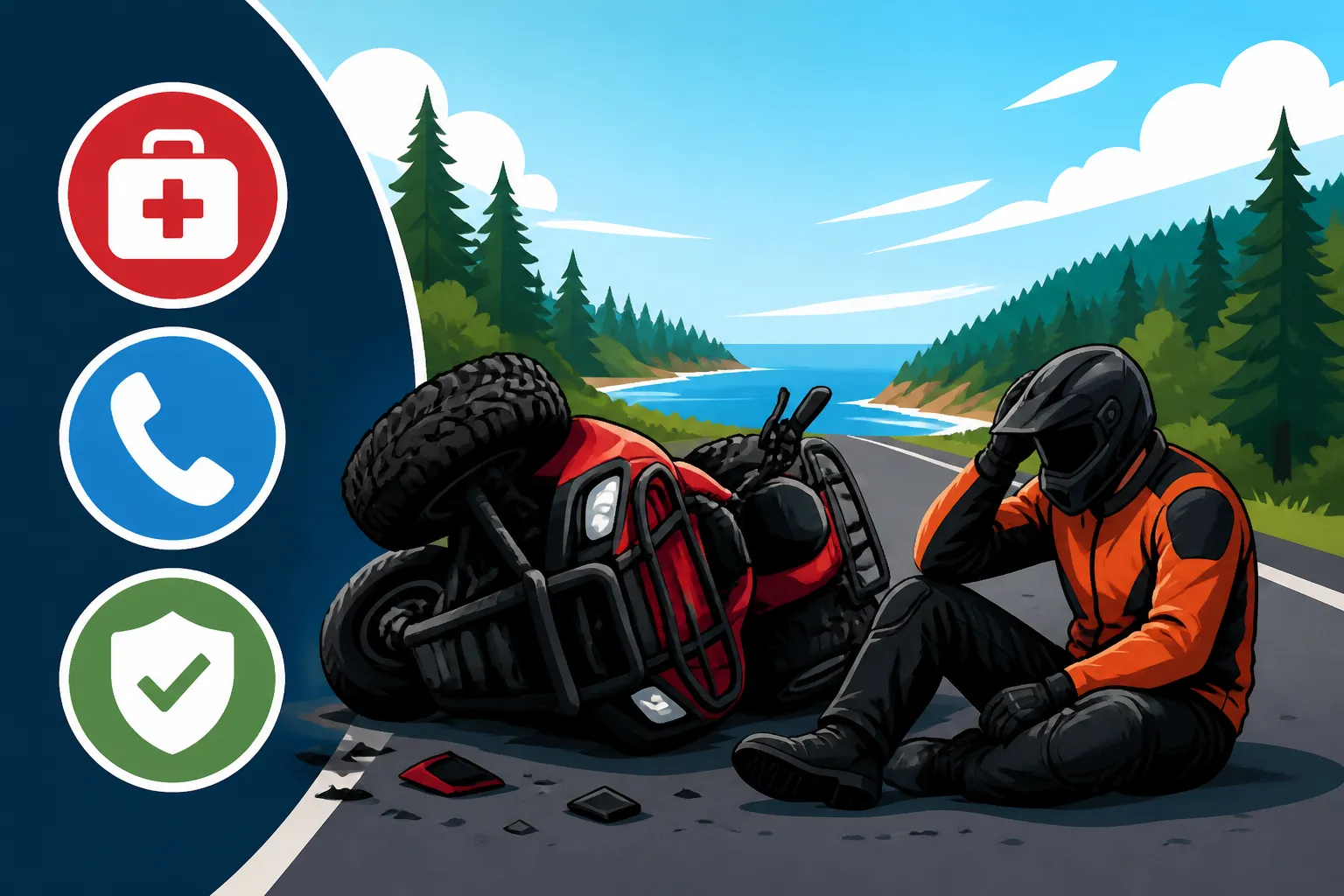
Your immediate priority must be the safety of everyone involved and any bystanders. Roadways, even quiet rural ones, present inherent dangers, and a disabled ATV or UTV can quickly become a hazard. If your machine is still operational and can be safely moved, try to get it off the main traveled portion of the road to a shoulder or nearby safe area. If it’s not safe to move, or if doing so could cause further injury or damage, leave it where it is and focus on making the area around it visible. Turn on any hazard lights your ATV or UTV might have. If you carry flares or reflective triangles, now is the time to deploy them to warn oncoming traffic. Many riders carry basic emergency kits, sometimes including a reflective vest, which can be invaluable in these situations. Remember, the goal is to prevent a secondary incident.
Beyond your machine, consider your own safety. Are you in a safe spot away from traffic? If you were thrown from your ATV, can you move to the side of the road without risking further injury? It’s common for adrenaline to mask pain, so try to assess your physical state while prioritizing getting out of harm's way. This initial step of securing the scene is about mitigating immediate dangers before anything else.
Assessing Injuries and Assisting Others
Once the immediate area is as safe as possible, turn your attention to injuries. Even if you feel fine, it's vital to check yourself thoroughly. Are you experiencing any pain, dizziness, or confusion? Check for cuts, bruises, or any signs of more serious injury. If you were wearing a helmet, inspect it for damage – even minor cracks can compromise its integrity for future impacts. Remember, head injuries can sometimes have delayed symptoms, so even if you feel okay, keep a close watch on yourself and seek medical attention if anything feels off.
Next, extend that same assessment to anyone else involved in the crash – passengers, occupants of other vehicles, or pedestrians. Ask if they are hurt and if they need assistance. If someone is visibly injured, do not try to move them unless they are in immediate danger (like from an approaching vehicle or fire). Instead, make them comfortable and keep them still. If you or anyone else has serious injuries, or even suspected serious injuries, call 911 immediately. Clearly state your location and the nature of the emergency. While waiting for emergency services, stay with the injured person, keep them warm, and reassure them. Your calm presence can be incredibly helpful in a traumatic situation.
Documenting the Scene
With safety and immediate medical needs addressed, the next critical step is to document everything at the scene. This information will be invaluable for police reports, insurance claims, and any potential legal proceedings. Your smartphone is your best friend here. Start by taking a wide array of photographs and videos. Capture the overall scene, showing the position of your ATV/UTV, any other vehicles involved, and relevant landmarks. Then, get close-up shots of all damage to your machine, other vehicles, and any property damage (like guardrails, signs, or fences). Don't forget to photograph skid marks, debris on the road, and any environmental factors such as road conditions, lighting, or weather.
Beyond the visuals, make mental or written notes of the time, date, and exact location of the crash. Note any witnesses, their contact information, and what they observed. Pay attention to the weather conditions, road surface (wet, dry, gravel, paved), and visibility at the time of the incident. This detailed documentation, including photos of your registration and insurance cards, can be crucial later. For instance, if you're dealing with a company like SuperATV for aftermarket parts, detailed damage photos can help them understand what components might need replacement, even if that's a later step. The more thorough you are now, the better equipped you'll be to navigate the aftermath.
Gathering Information from Others Involved
If other vehicles or individuals were involved in the crash, it is absolutely essential to exchange information with them. While adrenaline might be high and emotions frayed, try to remain calm and factual. Collect the following details:
- Driver's Information: Full name, address, phone number, and driver's license number.
- Vehicle Information: Make, model, year, license plate number, and Vehicle Identification Number (VIN) of all vehicles involved.
- Insurance Information: Company name, policy number, and policyholder's name for all vehicles.
- Witness Information: Names and contact details of anyone who saw the crash. Even if they didn't see the impact, they might have observed critical pre-crash events.
- Law Enforcement: The names and badge numbers of any police officers or Maine Warden Service personnel who respond to the scene. Ask for a case number or report number, if available.
It's tempting to apologize or admit fault in the heat of the moment, but it's best to avoid making any statements about who was to blame. Stick to factual exchanges of information. Your primary goal is to collect data, not to assign responsibility. This information will be vital when you file a claim or if there are legal implications.
Dealing with Injuries and Medical Attention
Even if you walked away from the crash feeling okay, injuries can sometimes manifest hours or even days later. Prioritizing your health is paramount.
Prioritizing Medical Care
After a road crash, your health and the health of anyone else involved should be your absolute top priority. If paramedics were called to the scene, allow them to examine you thoroughly, even if you feel fine. They are trained to spot subtle signs of injury that you might overlook, especially with adrenaline masking pain. If emergency services weren't called, but you experienced any kind of impact, soreness, or even just a jarring sensation, it's highly advisable to see a doctor as soon as possible. Go to an urgent care clinic or your primary care physician. Explain that you were involved in an ATV or UTV crash and describe any symptoms, no matter how minor they seem.
Documenting your medical visits and any diagnosis is incredibly important. Keep records of all doctor visits, emergency room visits, physical therapy, medications, and any other treatments you receive. These records will be crucial for insurance claims related to personal injury. Remember, conditions like whiplash, concussions, or internal injuries can have delayed onset, and seeking prompt medical attention not only benefits your health but also strengthens your claim that your injuries were directly caused by the crash. This is a critical step, especially if you anticipate [ATV Crash Injury Claims].
Long-Term Recovery and Documentation
The path to recovery after a crash can be a long one, especially if injuries are significant. It's not just about immediate medical attention; it's about diligently managing your recovery and meticulously documenting every step. Continue all prescribed treatments, attend all follow-up appointments, and faithfully complete any physical therapy. Any deviation from medical advice can potentially weaken a personal injury claim.
Keep a detailed log of your pain levels, limitations, and how the injuries impact your daily life, work, and recreational activities. If you missed work, document your lost wages. Keep receipts for all medical expenses, prescriptions, and any out-of-pocket costs related to your injuries. This comprehensive documentation forms the backbone of any personal injury claim and helps demonstrate the full extent of the crash's impact on your life. Your focus during this time needs to be on healing, but that healing process is always intertwined with the practical necessity of record-keeping.
Reporting the Crash and Legal Steps
Beyond immediate safety and medical care, there are formal reporting and potential legal implications that arise from an ATV or UTV crash on a public road. Understanding these steps is crucial for navigating the aftermath effectively.
When to Call Law Enforcement
In Maine, if an ATV or UTV crash on a public way results in personal injury, death, or property damage exceeding a certain threshold, you are legally required to report it to law enforcement. This typically means contacting the local police department, county sheriff’s office, or the Maine Warden Service. Even if the damage seems minor, if there's any question about injuries or significant property damage, it’s always best to err on the side of caution and call. They will respond to the scene, investigate, and create an official crash report. This report is a vital piece of documentation for insurance purposes and any subsequent legal actions.
When the police arrive, cooperate fully. Provide them with the factual information you've gathered, but again, avoid speculating about fault or making admissions. If you've collected photos and witness information, share it with the investigating officer. Be prepared to show your ATV registration, proof of insurance, and driver's license (if applicable for the road you were on). The officer will document the scene, interview those involved, and potentially issue citations if any laws were violated, such as [Maine ATV Operating Under the Influence] or speeding. Understanding [Maine ATV Accident Reporting Rules] is key to ensuring you fulfill your legal obligations.
Understanding Maine's Reporting Requirements
Maine has specific regulations regarding accident reporting for all motor vehicles, including ATVs and UTVs, especially when they are operating on public roads or designated access routes. If a crash meets the criteria for reporting (injury, death, or significant property damage), law enforcement will file an official report. You should obtain a copy of this report as soon as it's available. This report will contain objective details about the crash, often including diagrams, witness statements, and the officer's determination of contributing factors.
In some cases, if law enforcement does not respond, or if the damage falls below the reporting threshold but you still want to document it for insurance purposes, you may need to file your own report with the Maine Bureau of Highway Safety. It's always a good idea to clarify these requirements with the responding officer or your insurance company. Remember, operating an ATV or UTV on a public way comes with certain responsibilities, and part of that is adhering to accident reporting protocols. Proper documentation from the outset can save you a lot of headaches later.
Potential Legal Ramifications
A road crash involving an ATV or UTV can lead to various legal consequences, depending on the circumstances. If you were operating your ATV or UTV on a public way where such operation is restricted or prohibited, or if you were violating any [Maine ATV Road Rules for Young Riders] or other traffic laws, you could face fines, penalties, or even criminal charges. Examples include operating under the influence, reckless operation, or operating an unregistered machine, which can result in a [Fine for an Unregistered ATV in Maine]. If you caused significant damage or injury, you could also be held civilly liable.
If property damage was involved, you might face claims for repairs to other vehicles, road signs, guardrails, or private property. If personal injury occurred, there could be lawsuits seeking compensation for medical expenses, lost wages, and pain and suffering. This is why thorough documentation and immediate action are so important. The specifics of the crash will determine the exact legal path forward, but being prepared for potential consequences is always wise.
Consulting with Legal Counsel
Given the complexities of insurance claims, injury compensation, and potential liability, it’s often a wise decision to consult with an attorney specializing in personal injury or accident law, especially if injuries are significant or fault is disputed. A lawyer can help you understand your rights, navigate the legal process, and ensure you receive fair compensation for damages and injuries. They can also handle communication with insurance companies, gather evidence, and represent you in court if necessary.
An attorney can provide invaluable guidance on Maine's specific laws regarding ATV and UTV operation on public roads, which can be quite nuanced. They can advise you on the statute of limitations for filing claims and help you understand potential long-term impacts of your injuries. While it might seem like an added expense, the peace of mind and potential financial benefits of having experienced legal representation can far outweigh the costs, especially in complex cases where significant damages are involved or when trying to determine [Who Pays After an ATV Road Collision].
Insurance and Financial Considerations
Once the immediate aftermath is handled, the financial implications of an ATV or UTV road crash quickly come to the forefront. Understanding your insurance policy and the claims process is critical for managing repair costs, medical bills, and potential liability.
Notifying Your Insurer
After ensuring everyone’s safety and addressing any immediate medical needs, one of your next crucial steps is to notify your insurance company about the crash. Do this as soon as reasonably possible. Most policies require prompt notification, and delays could potentially jeopardize your claim. Provide them with all the information you gathered at the scene, including the date, time, location, details of other vehicles/drivers involved, and any police report numbers. Be factual and honest, but again, avoid admitting fault or speculating about the cause of the accident. Stick to the observable facts.
Your insurance agent or claims representative will guide you through the next steps, which typically involve filing a formal claim. They will explain what documentation they need from you, such as photos of the damage, medical records, and the official crash report. The sooner you initiate this process, the sooner your claim can be processed, potentially leading to faster repairs for your ATV or UTV, or coverage for medical expenses. Keep a detailed log of all communications with your insurance company, including dates, times, and the names of the people you spoke with. This meticulous record-keeping helps ensure a smooth process.
Understanding Coverage for ATVs
Understanding what your ATV or UTV insurance policy actually covers is vital before and especially after a crash. Many riders in Maine assume their auto insurance or homeowner's policy will cover their ATV, but often, this isn't the case. Specialized ATV insurance policies typically offer several types of coverage, including:
- Collision Coverage: This pays for damage to your ATV or UTV resulting from a collision with another vehicle, object, or rollover.
- Comprehensive Coverage: This covers damage to your ATV or UTV from non-collision incidents like theft, vandalism, fire, or natural disasters.
- Liability Coverage: This is perhaps the most critical. It covers bodily injury and property damage that you might cause to others while operating your ATV or UTV. If you caused the crash, this coverage would pay for the other party's medical bills and vehicle repairs, up to your policy limits.
- Uninsured/Underinsured Motorist Coverage: This protects you if you are hit by a driver who doesn't have insurance or doesn't have enough insurance to cover your damages.
- Medical Payments (MedPay) or Personal Injury Protection (PIP): These cover medical expenses for you and your passengers, regardless of fault.
It's important to review your specific policy to understand your limits, deductibles, and exclusions. For example, some policies might have limitations on road use. Knowing your [Maine ATV Insurance and When You Need It] can save you from significant out-of-pocket expenses.
Damage Assessment and Repairs
After reporting the crash to your insurer, they will typically arrange for an adjuster to assess the damage to your ATV or UTV. The adjuster will inspect your machine, review your documentation (including your detailed photos!), and estimate the cost of repairs. It's helpful if you have your own photos and notes from the scene to compare with their assessment. If your machine is severely damaged, it might be declared a total loss, and your insurer will offer you a settlement based on its actual cash value.
If the machine is repairable, you'll likely need to choose a reputable repair shop. Ask your insurer for recommendations, or choose one you trust. Be sure to get a detailed estimate of the repairs. Sometimes, parts can be difficult to source, or you might find that aftermarket components offer better durability or performance. For example, some riders might look to companies like SuperATV for heavy-duty replacement parts that could potentially stand up better to future knocks. Ensure all repairs are properly documented, and keep all invoices and receipts. This process can take time, especially if parts are on backorder, so patience is key.
Liability and Property Damage Claims
If you were found to be at fault for the crash, your liability coverage will come into play to cover the damages to other vehicles and any injuries sustained by other parties. Your insurance company will handle negotiations with the other party's insurer or legal representative. This is where having an attorney can be particularly beneficial, as they can help protect your interests and ensure fair settlement negotiations.
If another party was at fault, their liability insurance would be responsible for covering your ATV's damage, your medical expenses, and any other losses you incurred. You would then file a claim against their insurance policy. Again, accurate and thorough documentation from the scene and your medical providers is crucial for substantiating your claim for property damage and personal injury. Remember that [Maine Sales Tax on an ATV Purchase] and [Maine Use Tax After an Out-of-State ATV Purchase] might factor into the value assessment if your machine is totaled or if repairs include new components subject to tax. Navigating these claims can be complex, but by staying organized and informed, you can work towards a positive resolution.
| Step | Description | Key Action | Documentation Needed |
|---|---|---|---|
| 1. Secure the Scene | Prevent further accidents, move vehicles if safe. | Turn on hazards, deploy warnings. | Photos of scene, vehicle positions. |
| 2. Assess Injuries | Check yourself and others for any injuries. | Call 911 for serious injuries. | Medical records, doctor's notes. |
| 3. Document Scene | Photograph damage, skid marks, road conditions, landmarks. | Use smartphone for photos/videos. | Photos, videos, written notes of time/location. |
| 4. Gather Information | Exchange details with other drivers, get witness contacts. | Collect names, numbers, insurance, VINs. | Driver info, vehicle info, insurance, witness contacts. |
| 5. Notify Law Enforcement | Report to police/wardens if required by law (injury, death, significant damage). | Obtain incident/report number. | Police report number, officer names. |
| 6. Seek Medical Attention | Get checked by a doctor, even if you feel fine. | Follow all medical advice. | All medical bills, diagnoses, treatment plans. |
| 7. Contact Insurer | Inform your insurance company promptly about the crash. | File a formal claim. | Policy number, claim number, communications log. |
| 8. Assess Damage & Repair | Get estimates for ATV repair; negotiate with insurer. | Choose a reputable repair shop. | Repair estimates, invoices, receipts. |
| 9. Consult Legal Counsel (Optional) | Seek advice for complex claims, injuries, or liability disputes. | Interview personal injury lawyers. | All crash-related documentation. |
Disclaimer
This article is for general informational purposes only and does not constitute professional advice. Laws, prices and regulations vary by location and change over time. Consult a qualified professional for guidance on your specific situation.