Maine ATV Route Signs and What They Look Like
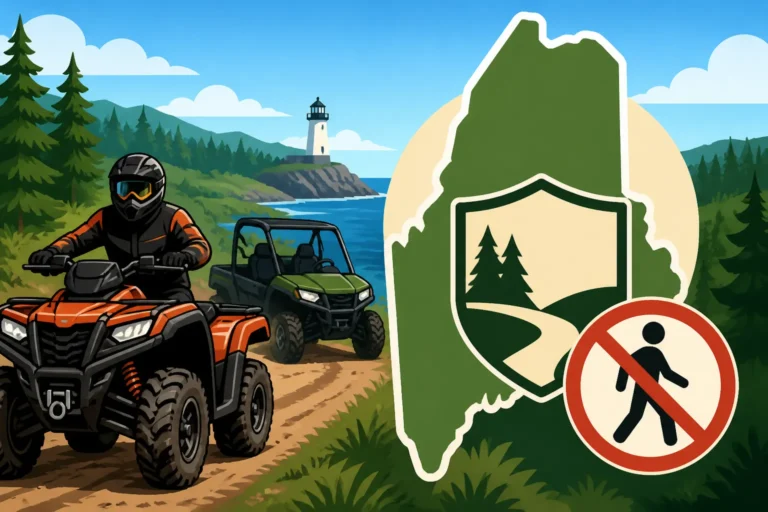
Navigating Maine's vast network of ATV and UTV trails can be an incredible experience, but when those trails inevitably lead you onto or across public roads, things can get a little confusing. Many riders feel a knot of anxiety wondering if they're in the right place, if they're following the law, or what exactly that sign ahead means. This guide is here to demystify those crucial Maine ATV route signs, helping you understand what they look like, what they mean, and how to ride confidently and legally on designated access routes.
Understanding Maine's ATV Access Route System
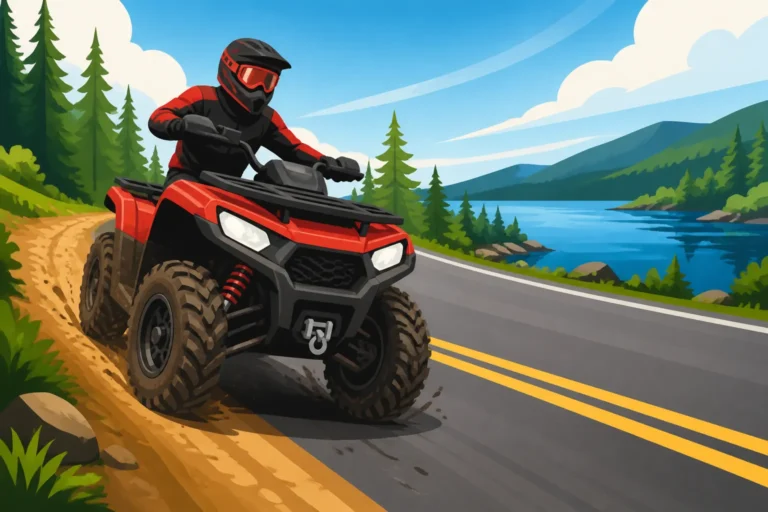
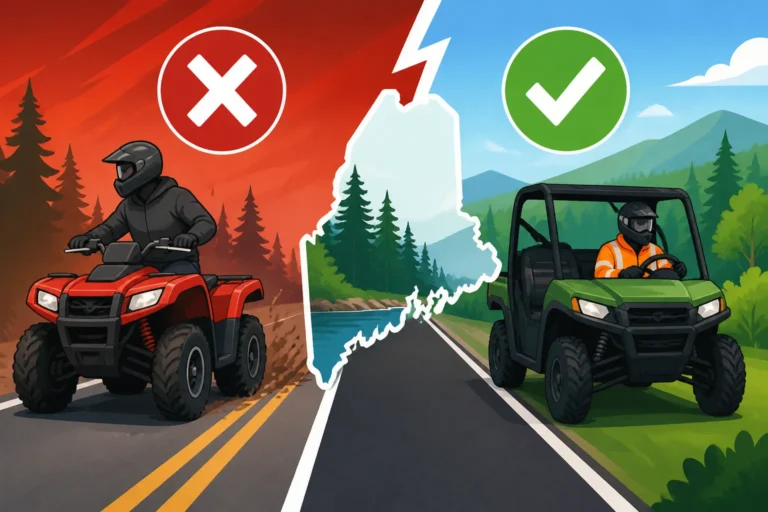
Before we dive into the specifics of the signs themselves, it’s really helpful to grasp the bigger picture of how Maine handles ATV and UTV access on public ways. Unlike some states where ATVs might have broader road privileges, Maine operates under a system that's designed to connect trails, allow access to services, and facilitate crossing. It’s not about making your machine street-legal in the traditional sense, but rather providing specific, carefully marked corridors where ATV and UTV use is permitted under certain conditions.
The Role of Town Ordinances
The vast majority of ATV and UTV access onto public ways in Maine happens because individual towns and municipalities have taken the initiative to pass specific ordinances. This isn't a blanket state law that applies everywhere; it's a local decision. A town's select board or town council will review proposals, often brought forward by local ATV clubs, and then designate certain roads or sections of roads as "ATV access routes." This is a crucial distinction, because what's legal in one town might not be in the next, even if the roads look similar. These local ordinances spell out the specifics: which roads are open, what the hours of operation might be, and any other local rules. It's a huge responsibility that towns take on, and it’s why clear signage is absolutely paramount for everyone's safety and legal compliance. [Maine Towns That Restrict ATVs on Public Ways] is a good read if you're curious about the process.
Why Signs Are So Important
Imagine riding along, deep in the woods, enjoying the solitude, when suddenly you emerge onto a paved road. Without clear indicators, how would you know if you could turn left, cross straight, or if you needed to turn around? That's where route signs come in. They are the official communication from the town, telling you exactly where you can and cannot ride your ATV or UTV. These signs aren't just suggestions; they are legal directives. Ignoring them could lead to fines, citations, or even accidents. They ensure that riders, motorists, and local law enforcement all have a shared understanding of where ATVs and UTVs are permitted to operate on public ways. Think of them as your navigational beacons in the often-complex world of shared road use. They help prevent trespass and keep everyone safe on the limited sections of roads where ATVs are allowed.
Decoding the Common Maine ATV Route Signs
Maine's ATV route signs are fairly standardized, which helps a lot when you’re riding through different towns. While specific designs might have minor variations depending on who made the sign, the core messages and visual elements remain consistent. Knowing what to look for will save you a lot of guesswork and help you navigate confidently.
The Official "ATV Access Route" Sign
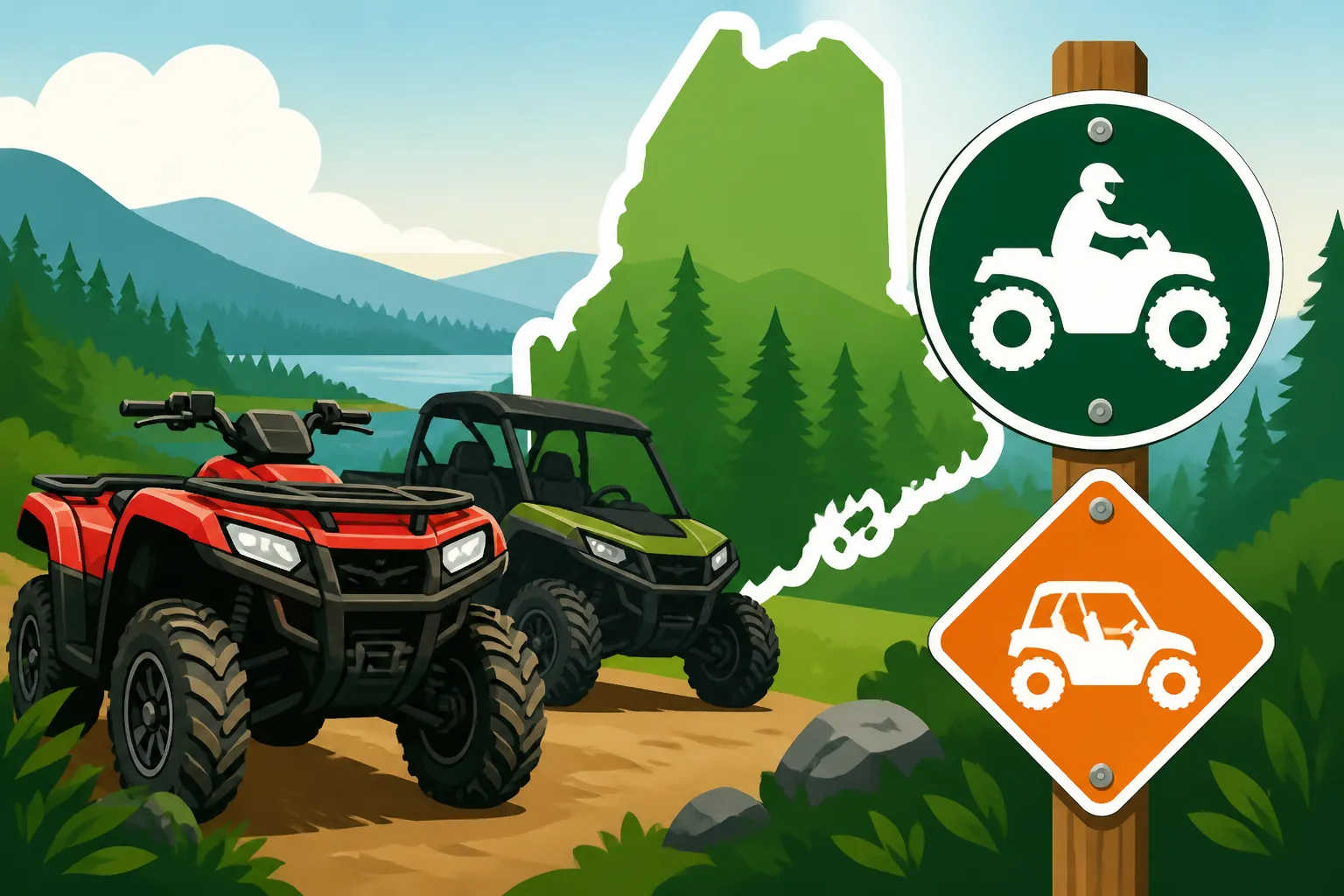
This is the most common and important sign you’ll encounter. It typically features a white background with black lettering and often includes a black ATV silhouette. The text will clearly state "ATV ACCESS ROUTE" or something similar. This sign marks the beginning of a designated route where ATVs and UTVs are permitted to travel. When you see this sign, it means the town has officially opened that section of road to ATV traffic. However, it's not a free-for-all. Even on an ATV access route, you're still a vehicle on a public way, meaning you need to adhere to speed limits, traffic laws, and specific ATV-related regulations such as [Maine's 500-Yard Limit on a Public Way] (though access routes can extend beyond this limit if designated). These signs are usually placed prominently at the entry points of these routes.
Directional Arrows and "End" Signs
Once you're on an ATV access route, you might see additional signs with arrows, guiding you where to turn to stay on the designated path. These are incredibly helpful, especially in areas with multiple intersections. For instance, a sign might point left with an arrow and "ATV Route" to indicate a turn. Equally important are the "END ATV ACCESS ROUTE" signs. These signs clearly mark where ATV or UTV access on a public way ceases. When you see one of these, you must either exit the public way onto a trail, park your machine, or turn around. Continuing beyond an "End" sign on a public way, unless it’s to cross immediately to another designated route, means you are operating illegally and could face serious penalties. Pay close attention to these "End" signs to avoid inadvertently trespassing or violating traffic laws.
Caution and Advisory Signage
Beyond the direct "access route" indicators, you'll often encounter a variety of caution and advisory signs. These are designed to enhance safety for both ATV riders and other motorists. You might see signs like "SHARE THE ROAD," "WATCH FOR ATVs," or "ATV CROSSING AHEAD." These are particularly common in areas where ATV routes frequently intersect with or run parallel to busy roads. While they don't necessarily grant access, they serve as crucial warnings to all road users about the presence of ATVs. It's a two-way street: these signs protect riders by alerting drivers, and riders have a responsibility to operate predictably and courteously in response to these warnings. You'll also see general traffic signs like "STOP," "YIELD," and speed limit signs, all of which apply to ATV and UTV operators just as they would to cars.
| Sign Type | Appearance | Meaning for Riders |
|---|---|---|
| ATV Access Route | White background, black text "ATV Access Route", ATV silhouette | Legal to operate ATV/UTV on this section of public way. |
| Directional Arrow | White background, black arrow, "ATV Route" | Follow arrow to stay on the designated ATV access route. |
| End ATV Access Route | White background, black text "End ATV Access Route" | ATV/UTV access on this public way ends here; exit or turn back. |
| ATV Crossing Ahead | Yellow diamond, black ATV silhouette, "Crossing" | Be prepared for ATVs to cross the road; caution advised for all. |
| Share The Road | White background, black text "Share The Road" | Alertness for ATVs and other vehicles; mutual respect. |
| Speed Limit | White square, black numbers (e.g., "25 MPH") | Maximum speed allowed for all vehicles, including ATVs/UTVs. |
| Stop Sign | Red octagon, white text "STOP" | Full and complete stop required before proceeding. |
Essential Rules to Follow on ATV Access Routes
Just seeing an "ATV Access Route" sign isn't an invitation to operate your machine carelessly. These routes are shared spaces, and with the privilege of using them comes a significant responsibility. Following the rules isn't just about avoiding a ticket; it's about ensuring safety for yourself, other riders, and the general public.
Respecting Traffic Laws and Speed Limits
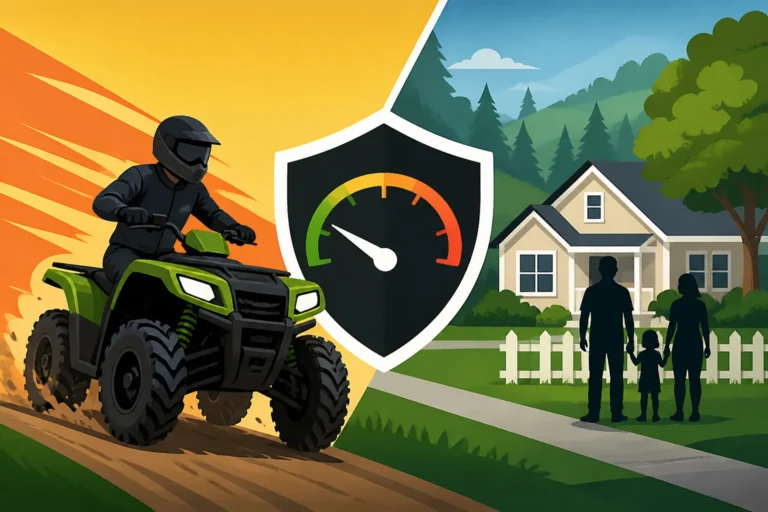
When you are on an ATV access route, you are operating on a public way, which means you must obey all applicable motor vehicle laws. This includes obeying traffic lights, stop signs, yield signs, and posted speed limits. It's not uncommon for towns to designate routes with a lower speed limit for ATVs, often 20-25 MPH, even if the posted limit for cars is higher. Always look for these specific ATV speed limit signs. If there isn't an ATV-specific limit, defer to the general speed limit for the road. [Riding With Traffic on a Maine Access Route] means being predictable and cautious. Remember, your ATV or UTV might not accelerate or brake like a car, and other motorists might not expect to see you. Maintain a safe distance from other vehicles and operate on the extreme right of the traveled way. Components from companies like SuperATV, such as aftermarket mirrors or turn signal kits, can certainly help improve your machine's visibility and your ability to comply with road rules, even if they aren't strictly required for every access route.
Operating Requirements for Riders and Machines
Beyond the general traffic laws, there are specific requirements that apply to ATV and UTV riders on access routes. For instance, any rider under the age of 16 must wear a helmet. While adults are not universally required to wear helmets on trails, it's always a good idea, and some specific routes might have local ordinances that mandate them. You also need to ensure your machine is properly registered for Maine and that you have proof of ownership and registration with you. Headlights, taillights, and brake lights are essential, especially if you're riding near dusk or dawn. [Maine Lighting Requirements for Night Riding] are no joke – wardens want to see you. For younger riders, completing an approved ATV safety course is a must, and there are age restrictions on who can operate certain machine sizes and where they can operate them. [Maine ATV Safety Course Requirements] is an important resource for families.
Avoiding Trespass and Staying on Designated Paths
The "ATV Access Route" designation is very specific. It means you can use that particular section of that particular road. It does not grant you permission to venture off the designated route onto private property, adjacent trails that aren't marked for ATV use, or other roads that haven't been designated. Always assume that any land or road not explicitly marked as an ATV access route or trail is off-limits unless you have explicit permission from the landowner. Trespassing can quickly lead to trail closures, fines, and give the entire ATV community a bad name. Pay close attention to where the signs direct you and respect any "No Trespassing" or "End Route" signs you encounter. The continued success of Maine's trail system relies heavily on maintaining good relationships with landowners, and that starts with respectful riding.
Beyond the Signs: What Every Rider Needs to Know
While the signs are your primary visual cues, being a responsible ATV or UTV operator in Maine involves a bit more preparation and awareness. Maine's trail system is a dynamic thing, and staying informed will ensure you have the best and safest riding experience.
How Towns Designate an ATV Access Route
Have you ever wondered how these routes come to be? It's typically a collaborative effort. Often, local ATV clubs will identify areas where an access route is desperately needed – perhaps to connect two major trail systems, provide access to a gas station or restaurant, or allow riders to cross a critical roadway. The club will then work with the town’s select board or council, presenting a proposal that outlines the specific roads, the safety considerations, and the benefits to the community. Public hearings are usually held, allowing residents to weigh in. If approved, the town will then be responsible for installing and maintaining the official signage. This process highlights the incredible work done by local clubs, and it’s why supporting them, perhaps by joining and paying [Maine ATV Club Membership and Dues], is so vital. [Maine Select Board ATV Route Votes] delves into this process in more detail.
Finding Posted ATV Routes and Local Ordinances
The best way to know where you can legally ride on public ways is to consult local resources before you head out. Don't rely solely on what you think you remember or what another rider might have told you. Local ATV clubs often maintain maps that clearly show designated ATV access routes in their areas. Websites like ATV Maine also provide valuable resources and links to club maps. Many towns will post their ATV ordinances on their official town websites. Taking a few minutes to review these resources can save you a lot of trouble. Always check for updates, as routes can sometimes be temporarily or permanently closed due to road construction, logging operations, or landowner issues. Online maps, like those available from SuperATV's various accessories or third-party apps, can also be helpful for navigation, but always cross-reference with official town or club maps for current route status.
The Consequences of Violating Route Rules
Operating an ATV or UTV illegally on a public way, whether it's on an undesignated road or by ignoring route signs, carries real consequences. Maine's Warden Service patrols aggressively to ensure compliance with ATV and UTV laws. Fines can be substantial, and repeated violations can lead to suspension of your registration privileges. Beyond the legal ramifications, illegal operation can severely damage the reputation of ATV riders and lead to land closures. Every time a rider ignores a sign or trespasses, it jeopardizes access for everyone else. We all share the responsibility to be good stewards of the trails and roads we're allowed to use. Being familiar with [Penalties for Riding an Unregistered ATV in Maine] and other violations is a good incentive to always follow the rules.
Disclaimer
This article is for general informational purposes only and does not constitute professional advice. Laws, prices and regulations vary by location and change over time. Consult a qualified professional for guidance on your specific situation.