Ice Riding Safety on a Frozen Pond
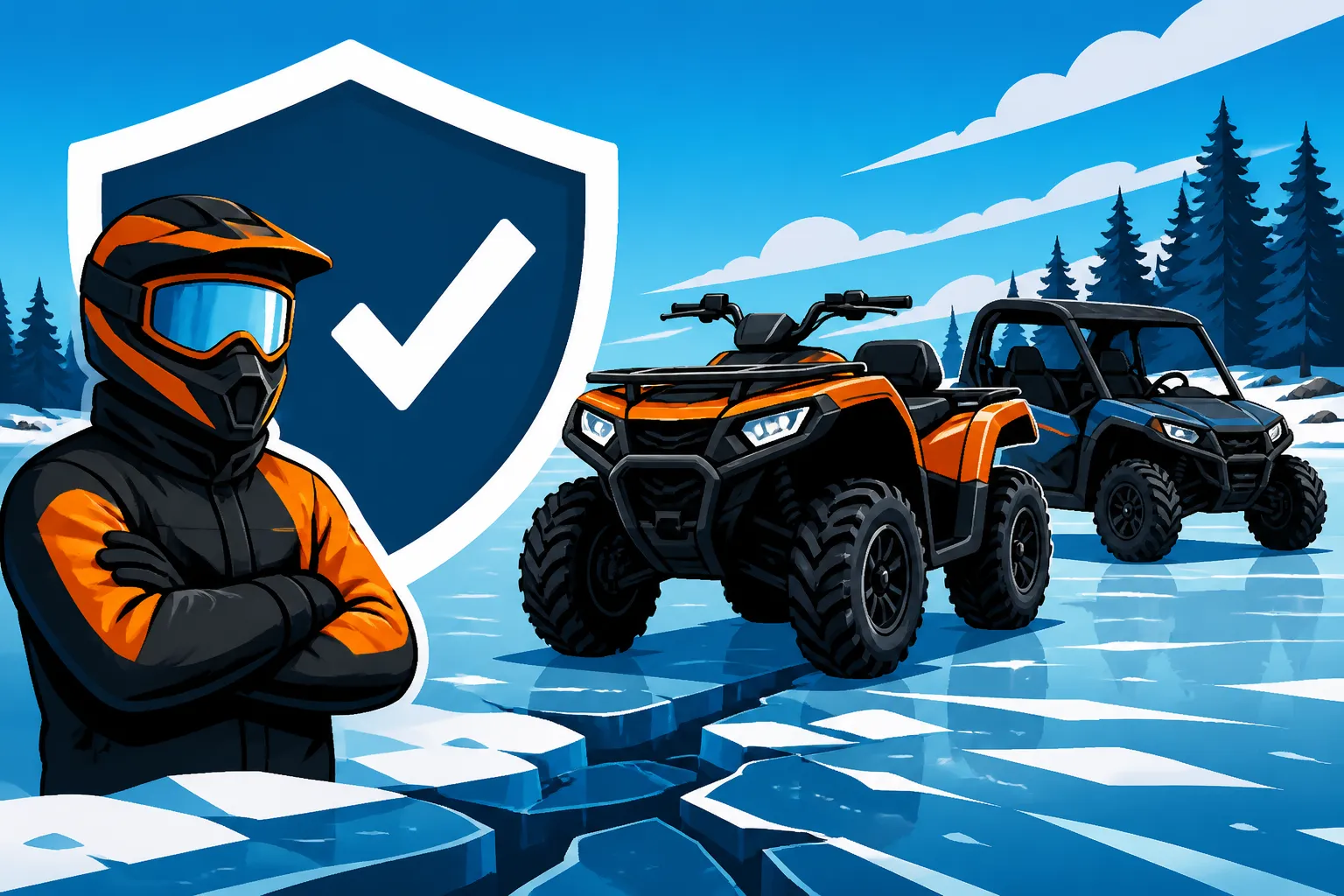
The thought of riding your ATV or UTV across a vast, frozen pond or lake in Maine can conjure up images of serene beauty and exhilarating freedom. The crisp winter air, the wide-open expanse, the pure quiet – it's an experience unlike any other. But let's be brutally honest: that beautiful sheet of ice also holds hidden dangers that can turn an incredible day into an absolute nightmare if you're not prepared. This guide is all about equipping you with the knowledge and confidence to make your ice riding adventures safe, smart, and truly enjoyable, focusing on what you absolutely need to know before venturing onto Maine's frozen waters.
The Hidden Dangers of Ice Riding in Maine: What Every Rider Needs to Know
Venturing onto a frozen pond or lake with your ATV or UTV is tempting, especially when the snow cover might be thin on traditional trails. However, the surface of these frozen waterways is far from uniform, and understanding the nuances of ice formation and weakness is your first line of defense. It's not just about how cold it's been; there are so many factors at play that can create hidden hazards.
Why Maine's Frozen Waters Are So Unpredictable
You might look at a vast, white expanse of ice and think it's all the same, but that couldn't be further from the truth. Maine's lakes and ponds are dynamic environments, even under a layer of ice. For starters, currents from inflowing streams or rivers, or even underwater springs, can create areas of significantly thinner ice, even when the rest of the pond seems solid. These spots might not be visible from the surface, lurking just beneath that pristine snow or ice. You could be riding along confidently, and suddenly hit a patch that's only half the thickness you assumed. It's a terrifying thought, and it's why assuming uniformity across an entire body of water is a critical mistake.
Then there's the issue of snow cover. While a blanket of snow might make the ice look inviting and untouched, it actually acts as an insulator, slowing down the freezing process and preventing the ice from thickening evenly. What's more, heavy snow can push down on the ice, causing water to seep up through cracks and create a slushy layer between the snow and the solid ice. This "slush sandwich" can hide treacherous conditions, making it incredibly difficult to gauge the true integrity of the ice beneath. It also contributes to the formation of pressure ridges, which are areas where ice sheets collide and buckle, creating unstable humps and cracks that can easily trip up a moving ATV or UTV. These ridges are often weakest at their edges and can sometimes conceal open water. The reality is, what looks like a simple, frozen surface is often a complex, ever-changing environment.
Understanding Ice Thickness and Your Machine's Weight
This is where the rubber meets the road, or rather, the tire meets the ice. Many riders have a general idea of "safe" ice thickness, but this isn't a one-size-fits-all number. Your machine's weight, along with any passengers or gear, plays a crucial role. A solo rider on a lightweight ATV needs less ice than a two-up UTV loaded down with fishing shacks and equipment. The old adage of "four inches for ice fishing" is typically for foot travel, not heavy machinery. To be truly safe, you need significantly more ice for an ATV or UTV.
Consider the distribution of weight, too. Tracks, like those available from SuperATV, can help distribute your machine's weight over a larger surface area, potentially allowing you to traverse slightly thinner ice than tires might. However, this isn't a license to ignore ice thickness guidelines altogether. The general recommendation for ATVs is usually at least 5-7 inches of clear, solid ice, and for UTVs, you're often looking at 8-12 inches or more. These are minimums, and they assume ideal conditions—clear, blue ice, not white, slushy, or fractured ice. The clearer the ice, the stronger it typically is. White or opaque ice, often formed from frozen slush or snow, can have as little as half the strength of clear ice. Never forget that breaking through isn't just an inconvenience; it can be life-threatening due to the immediate shock of cold water and the difficulty of extrication. You can find more specific guidance on this by checking resources like [Maine ATV Rules on Frozen Lakes].
| Ice Thickness (Clear, Solid Ice) | Activity Level |
|---|---|
| Under 4 inches | STAY OFF! |
| 4 inches | Ice fishing, cross-country skiing, foot travel |
| 5-7 inches | Single ATV or snowmobile (with caution) |
| 8-12 inches | ATV/UTV with light loads |
| 12-15 inches | Medium-sized UTVs, small trucks |
| 15 inches + | Heavier UTVs, larger vehicles |
Note: These are general guidelines for clear, solid ice. Always double or triple these thicknesses for white or opaque ice, and use extreme caution.
Preparing for a Safe Ice Adventure: Gear, Checks, and Common Sense
Before you even think about putting a wheel on the ice, preparation is paramount. This isn't just about packing a snack; it's about making sure your machine is ready, you're equipped for emergencies, and you've done your homework on the specific conditions of the ice you plan to ride. Rushing into an ice ride without proper preparation is simply inviting disaster.
Before You Go: Assessing Ice Conditions and Seeking Local Intel
The absolute first step before heading out is to gather intelligence on the ice conditions. This isn't a task to be taken lightly. The best source of information is always local knowledge. Talk to bait shops, local sporting goods stores, ice fishing clubs, or even the town office if it's a popular spot. These folks are often on the ice daily and know its quirks. Don't rely solely on what you saw last week, or what a buddy rode on a different pond. Every body of water, and every day, is different. A warm spell, even for a day, can significantly degrade ice integrity. A good rule of thumb is, if you don't know for sure, assume the worst.
Beyond local chatter, you need to be prepared to physically check the ice. Never be the first person to venture out onto unknown ice, especially with a machine. If you're going to a new area, start by walking out and drilling test holes every 50-100 feet, particularly near shorelines, inlets, outlets, and any suspicious dark spots. Use an auger or an ice chisel and measure the clear ice thickness, not just the total depth of ice and slush. Look for consistent thickness. If you find varying depths or slush pockets, it's a clear warning sign. Always go with a buddy, and both of you should be wearing flotation devices and carrying ice picks around your neck. Remember, prevention is far better than rescue. This diligence is crucial, as [Maine ATV Safety Course Requirements] emphasize overall rider safety, and ice riding is no exception.
Your Essential Safety Kit and Vehicle Prep for Ice Riding
Your safety gear isn't just a recommendation when ice riding; it's non-negotiable. For personal safety, both you and any passengers should wear a flotation suit or a personal flotation device (PFD) over your winter gear. This is your life preserver if you go through. Next, ice picks—two handles with sharp spikes, tethered together—should be worn around your neck, easily accessible. If you fall in, these are your primary tools to pull yourself back onto the ice. A whistle to signal for help, a sturdy rope (at least 50 feet, brightly colored) that can be thrown to someone, and a dry bag containing a change of clothes, matches/lighter, and emergency food are also critical.
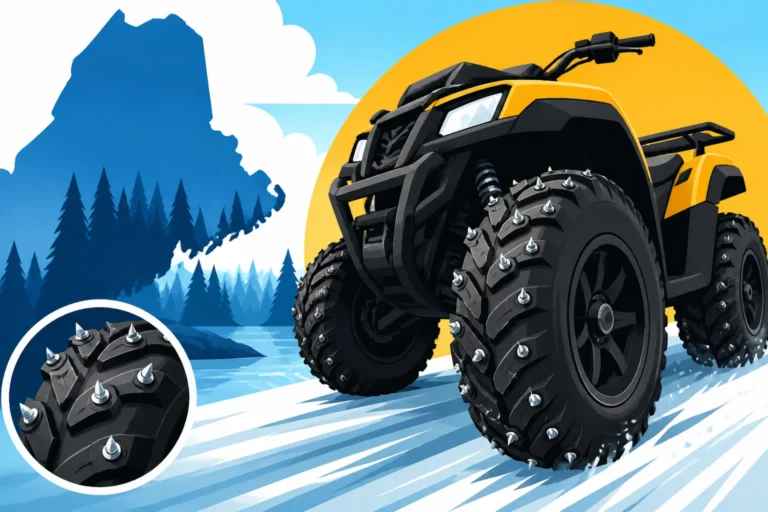
When it comes to your ATV or UTV, think recovery. A properly functioning winch is incredibly valuable, not just for getting unstuck from mud but for pulling a machine out of water or helping to retrieve another rider. Make sure it's in good working order and you have a sturdy tow strap. Studded tires or, even better, a track system from a company like SuperATV can provide superior traction on slick ice, helping prevent uncontrolled slides. However, even with tracks, extreme caution is still needed, as they won't save you if the ice is too thin. Consider carrying a small, powerful flashlight or headlamp, even during the day, for inspecting ice conditions or if you get caught out after dark. And never forget that while insurance might cover some losses, preventing the incident is always the best policy. Ensure you understand [Maine ATV Insurance and When You Need It] before you hit the trails or frozen lakes.
Riding Smart on the Ice: Techniques to Minimize Risk
So, you've done your homework, checked the ice, and geared up properly. Now it's time to ride. But riding on ice isn't like riding on a trail. It requires a whole different mindset, a heightened sense of awareness, and specific techniques to keep yourself and your group safe. The smallest error can have huge consequences, so every decision you make out there counts.
Navigating a Frozen Pond: Speed, Spacing, and Situational Awareness
When you're out on the ice, your approach to riding needs to shift dramatically. First and foremost, maintain a moderate and consistent speed. Avoid sudden acceleration or braking, which can cause your machine to lose traction and slide uncontrollably. Rapid changes in speed also generate pressure waves in the ice, which can weaken it or even cause it to crack. Think smooth and steady. If you're riding with a group, maintain significant spacing between machines—at least 50-100 feet. This prevents too much weight from being concentrated in one area and gives riders more time to react if the machine in front encounters a problem. You never want to all pile up on a weak spot.
Constant situational awareness is your best friend. Keep your eyes peeled not just directly in front of you, but scanning far ahead for any changes in ice color, texture, or snow depth. Darker patches could indicate open water or very thin ice. Look for pressure ridges or cracks, and approach them with extreme caution, ideally crossing them perpendicular to their direction after a thorough inspection. If you see water seeping up through the ice, or hear any cracking sounds, stop immediately, turn around, and backtrack along your tracks, or find a safer route. While there aren't specific "speed limits" for ice riding, the general principle of [Maine ATV Speed Limits Near Buildings] and other areas applies: ride at a speed that allows you to maintain control and react safely to conditions. The ice is inherently less forgiving than solid ground.
When the Worst Happens: Emergency Response and Self-Rescue
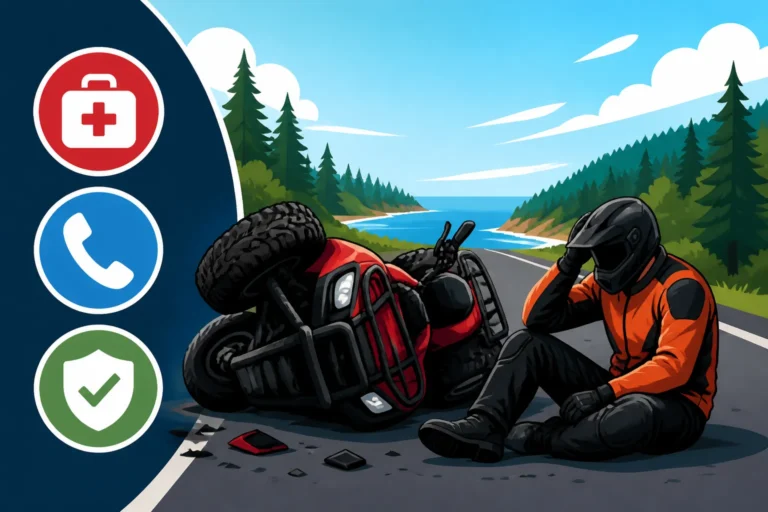
Despite all precautions, accidents can happen. Knowing what to do if someone (or you) breaks through the ice is critical. The most important thing is to stay calm. Panic is your biggest enemy. If you're the one in the water, resist the urge to climb straight out, as the ice might just break again. Instead, try to orient yourself back towards the direction you came from, as that ice was strong enough to support you moments ago. Use your ice picks to get a grip on the solid ice edge. Kick your feet to create buoyancy, and use a strong "kick and pull" motion to pull yourself onto the ice, spreading your weight as much as possible. Roll away from the hole rather than trying to stand up immediately, as this helps distribute your weight.
If a companion goes through, do not rush directly to the hole. You risk breaking through yourself. Instead, stay low to the ground to distribute your weight and approach cautiously. Extend a rope, a branch, or a tow strap (perhaps one from your SuperATV recovery kit) to the person in the water, staying far enough back that you're on solid ice. Once they are out, get them to warmth immediately. Hypothermia sets in quickly. Remove wet clothing, replace with dry layers, and seek medical attention. Always notify authorities about an incident. You can find guidance on [Maine ATV Accident Reporting Rules] for any incidents that occur. This isn't just about legal compliance; it's about helping emergency services understand what happened and prevent future tragedies.
Avoiding Common Pitfalls and Misconceptions
Ice riding can be exhilarating, but it's also fraught with specific risks that many riders underestimate. Beyond the obvious dangers of thin ice, there are subtle psychological and practical pitfalls that can lead to trouble. Understanding these can make a huge difference in keeping you safe.
The Myth of "Safe Ice" and Group Dynamics
One of the most dangerous misconceptions about ice riding is the idea of "safe ice." There's no such thing as universally "safe" ice; there's only ice that is currently strong enough to support your weight, under current conditions, in that specific spot. The ice you rode safely yesterday could be perilous today due to fluctuating temperatures, new snow, or unseen currents. Never assume that because one area of a pond is safe, the entire pond is, or that because it was safe last year, it's safe this year. Every trip to the ice requires a fresh assessment.
Group dynamics can also be a hidden danger. There's often a "herd mentality" or peer pressure to follow others, even if you feel uneasy. Or, conversely, a group might take unnecessary risks, assuming that if one person makes it, everyone will. It's crucial to empower yourself and your group members to speak up if something doesn't feel right. If you're leading a group, set a tone of caution and safety first. Always establish a rendezvous point, a communication plan, and clear hand signals before venturing out. Remember that while [Maine ATV Rules on Public Reserved Land] might dictate where you can ride, they don't supersede the laws of nature when it comes to ice safety. You must remain vigilant regardless of location.
Legal and Ethical Considerations on Maine's Frozen Waters
Riding ATVs and UTVs on Maine's frozen ponds and lakes also comes with a set of legal and ethical responsibilities. First, while the ice might look like a vast public expanse, accessing it often requires crossing private property. Always ensure you have permission from landowners if you're crossing their land to reach the ice. Ignoring this can lead to fines and, more importantly, can jeopardize future access for all riders. Understanding [Maine Trespass Law for ATV Riders] is essential, as respectful access is vital for maintaining good landowner relations.
Beyond access, consider the environmental impact. While ATVs and UTVs are designed for rugged terrain, care must be taken on ice to prevent unnecessary disturbance or pollution. If you're using portable shelters or doing any ice fishing, ensure all trash is packed out, and leave no trace. Be mindful of noise levels, especially if riding near residential areas or sensitive wildlife habitats. For non-residents, remember that you'll need to register your ATV or UTV in Maine to ride here, even on frozen waterways. Details for this can be found in [Maine ATV Registration for Non-Residents]. Adhering to these principles ensures that the privilege of enjoying Maine's beautiful frozen landscapes remains open and positive for everyone for years to come. Ultimately, a combination of preparedness, careful riding, and respect for both the environment and property owners will ensure your ice riding adventures are memorable for all the right reasons.
Disclaimer
This article is for general informational purposes only and does not constitute professional advice. Laws, prices and regulations vary by location and change over time. Consult a qualified professional for guidance on your specific situation.