Carrying a Passenger on a Single-Rider Quad
Picture this: you're out on a beautiful Maine trail, the sun's shining, and you want to share the experience with a friend or family member. But you only have one ATV, and it's clearly built for a single rider. That little voice in your head might say, "Oh, it'll be fine, just for a short bit!" But the truth is, squeezing an extra person onto a quad not designed for it is a recipe for serious trouble, both legally and, more importantly, for your safety. This guide is here to walk you through exactly why that seemingly harmless idea is so risky and what the proper, safer alternatives are for riding with company in the great state of Maine.
The Core Rule: Is Your Quad Designed for a Passenger?
It's tempting to think that if there's enough room, or if you're just going slowly, you can make it work. But when it comes to ATVs, the design isn't just about comfort; it's about engineering for safety. Maine law, and common sense, relies heavily on how the manufacturer intended the machine to be used.
Understanding Single-Rider vs. Tandem ATVs
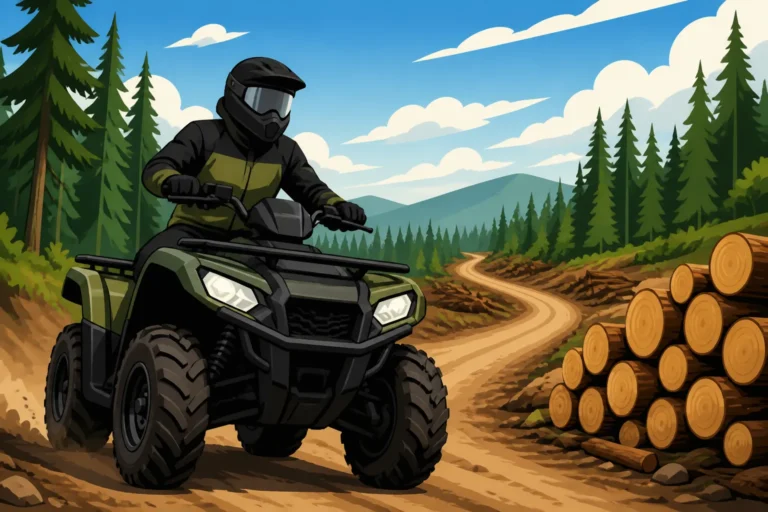
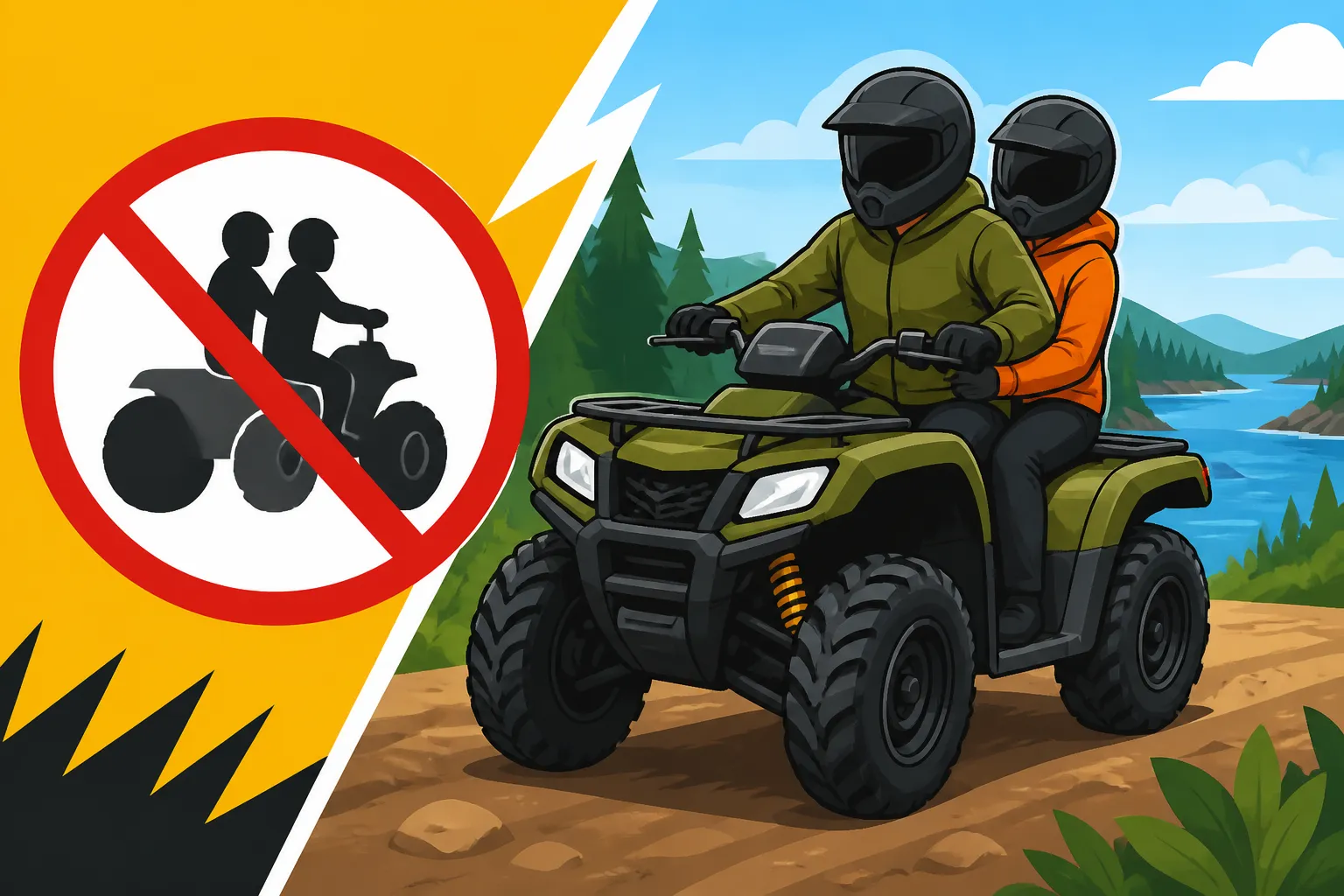
The most fundamental distinction in the ATV world is between a single-rider machine and one specifically designed for two-up riding, often called a "tandem" ATV. A single-rider quad, as the name implies, is built for one person. Think about the seat: it's typically short, firm, and ends right behind the operator. There are no dedicated handholds for a passenger, and often no separate footrests beyond the rider's own. Trying to fit two adults, or even an adult and a larger child, onto such a seat compromises the riding position for both individuals, making it unstable and uncomfortable.
In contrast, a tandem ATV will have a visibly longer, often stepped or contoured seat that provides distinct space for two people. You'll also find sturdy, integrated handholds, often part of the rear rack or frame, and separate, secure footrests or floorboards for the passenger. These aren't just cosmetic additions; they are crucial safety features that allow a passenger to maintain balance and secure footing, especially when the terrain gets bumpy or the machine leans into a turn. Without these, a passenger is merely clinging on, dramatically increasing the risk of being thrown off.
Beyond the obvious seating arrangements, there are more subtle design differences. A two-up ATV's frame, suspension, and braking system are all engineered to handle the increased weight and different weight distribution that comes with carrying a second person. A single-rider machine simply isn't built for that kind of load, and trying to force it into that role can lead to dangerous performance issues and even structural damage over time.
Maine Law and Manufacturer Specifications
Maine law is pretty clear on this point: you're generally only permitted to carry as many passengers on an ATV as it was designed by the manufacturer to carry. This isn't just a suggestion; it's a critical safety regulation. If your ATV's owner's manual or the warning decals on the machine state "Operator Only" or specify a single seating capacity, then that's the legal and safe limit. There's usually a sticker or plate on the ATV, often near the VIN, that will indicate the maximum weight capacity and sometimes the seating capacity. Ignoring these specifications isn't just a risk; it's a direct violation of how the vehicle is meant to be operated.
Wardens and law enforcement officers in Maine are well-versed in these distinctions. When they see two people on a single-rider quad, it immediately signals a potential safety hazard and a legal infraction. They aren't looking to ruin anyone's fun, but rather to prevent accidents and serious injuries. The manufacturer has spent countless hours designing and testing these machines, and their recommendations are based on extensive safety data. Deviating from those recommendations is a gamble with very high stakes.
It’s worth noting that if you're ever unsure about your machine's capacity, the best place to check is your ATV's owner's manual. It contains all the vital information regarding passenger limits, weight capacities, and safe operating procedures. Don't rely on assumptions or what you've seen others do. A quick check of the manual can save you a lot of grief and keep you safe on the trails.
Why Carrying an Extra Passenger on a Single-Rider Quad is Dangerous
The thrill of ATV riding is undeniably exhilarating, but it comes with inherent risks, especially when you start bending the rules of how the machine is designed to be operated. Carrying a passenger on a single-rider quad isn't just against the law in Maine; it fundamentally alters the dynamics of the machine in ways that can quickly become catastrophic.
Stability, Handling, and Weight Distribution
An ATV is designed with a specific center of gravity in mind, optimized for a single rider who actively shifts their weight to control the machine through turns, over bumps, and on inclines. When you add a passenger to a single-rider quad, you completely throw that weight distribution off balance. Suddenly, you have a much higher center of gravity, and the weight is often concentrated further back than the machine was engineered for. This makes the ATV incredibly unstable. Imagine trying to make a sharp turn on a rocky trail with an extra person perched precariously behind you; the machine will feel "tippy" and much harder to control.
The operator's ability to lean and shift their weight becomes severely hampered or even impossible with a passenger. On a proper two-up ATV, the passenger also has secure handholds and footrests, allowing them to participate in the leaning process, albeit passively. On a single-rider quad, the passenger is often just holding on to the operator, restricting their movement and making it impossible for the driver to react effectively to changes in terrain. This can lead to rollovers, especially on sidehills or during quick evasive maneuvers. The machine simply won't respond as expected, and you'll find yourself fighting against its natural balance, not working with it.
Even on seemingly flat and easy trails, the added weight and awkward positioning can lead to loss of steering control. The front wheels might not have enough pressure for effective steering, or the rear could become too heavy, causing a "plowing" effect. This unpredictability is a major safety concern, as even a small bump or an unexpected dip in the trail could send the machine—and its occupants—tumbling.
Braking Distance and Suspension Issues
Adding significant weight to an ATV that isn't designed for it has a dramatic impact on braking performance. The braking system, including the calipers, rotors, and even the tire tread, is calibrated for the weight of a single rider plus some cargo. When you put a second person on board, the total weight can easily exceed the design limits. This means it will take much longer to stop the ATV, especially if you're going at any decent speed. A sudden need to stop—perhaps an animal crossing the trail or another rider ahead—could easily result in a collision that would have been avoidable with proper braking.
Beyond braking, the suspension system takes a severe beating. Springs and shocks on a single-rider quad are designed for a specific load range. Overloading them with an additional passenger causes them to compress excessively, reducing their ability to absorb bumps and maintain tire contact with the ground. This leads to a harsh, bouncy ride and, crucially, a significant loss of control. The ATV might bottom out over even minor obstacles, putting strain on the frame and other components. Over time, this kind of stress can lead to premature wear and tear, or even catastrophic failure of suspension components, which could happen suddenly and without warning.
Imagine hitting a series of bumps with a compromised suspension and an overloaded machine. The ride quality will be terrible, but more importantly, the tires could lose traction, making the ATV unpredictable and dangerous. The last thing you want is to be flying through the woods, unable to steer or stop effectively, simply because you squeezed an extra person onto a machine not built for them.
Lack of Proper Footrests and Handholds
This is one of the most glaring and immediate dangers of carrying a passenger on a single-rider quad. As mentioned earlier, single-rider ATVs lack dedicated footrests and handholds for a passenger. Where is the passenger supposed to put their feet? Often, they'll either try to squeeze onto the operator's footrests, which is extremely cramped and unsafe for both, or their feet will dangle precariously close to the spinning wheels, hot exhaust, or passing obstacles. A foot dragging on the ground, or getting caught on a tree root, could lead to severe injury, pulling the passenger off the machine.
Equally perilous is the absence of proper handholds. A passenger on a single-rider quad typically has to hold onto the operator, the seat, or maybe the rear rack if there is one. Holding onto the operator restricts the driver's movements and can throw them off balance. Holding onto a seat that isn't designed for gripping won't provide adequate stability, especially on rough terrain or during sudden acceleration or braking. Imagine going over a large bump; without proper handholds, the passenger is likely to be jolted and potentially thrown off the machine, landing hard.
These seemingly small details are fundamental to passenger safety. Without secure points of contact for both feet and hands, a passenger is merely a precarious load, unable to brace themselves against the movements of the ATV. This drastically increases their risk of falling off, striking parts of the machine, or sustaining injuries from impact with the ground or other objects. A brand like SuperATV offers many accessories for UTVs, like grab handles and foot protection, precisely because these features are critical for passenger safety on multi-rider machines. The absence of such basic safety features on a single-rider quad for an unauthorized passenger is a huge red flag.
Legal Ramifications and Insurance Concerns in Maine
Beyond the obvious safety hazards, choosing to carry a passenger on a single-rider ATV in Maine comes with a stack of legal and financial risks that most riders would rather avoid. Ignorance of the law is rarely an excuse, and the consequences can be much more severe than just a slap on the wrist.
Penalties for Violating Maine's ATV Passenger Laws
Maine law, specifically under Title 12, Part 13, Chapter 935, Section 13112, addresses the operation of ATVs. While it doesn't explicitly state "no passengers on single-rider ATVs" in every sentence, it strongly implies it by mandating safe operation and adherence to manufacturer specifications. Operating an ATV in an unsafe manner, or with more passengers than the machine is designed for, can result in citations and fines. When a Maine Game Warden or other law enforcement officer observes two people on a single-rider quad, they have every right to stop you.
The penalties can vary depending on the specific circumstances and whether other infractions are noted. However, a typical fine for an ATV violation in Maine can range from a reasonable amount for a first offense to significantly higher amounts for repeat offenders or in cases where unsafe operation leads to an accident. Beyond the monetary fine, you could also face court appearances, which means lost time and additional legal fees. It's not just about the cost of the ticket; it's about the hassle and the black mark on your record. Moreover, continued violations could even lead to your [Maine ATV Registration Refunds] being revoked, or restrictions on your riding privileges.
Think about it from the warden's perspective: they are there to enforce safety. Seeing an overloaded ATV is a clear sign of danger waiting to happen, and they will act accordingly. It's far better to adhere to the rules and avoid the headache entirely than to try and explain why you thought it was okay.
Insurance Coverage and Liability After an Incident
This is where the financial consequences can become truly devastating. While Maine does not generally require ATV insurance to ride on trails, many riders wisely choose to carry it for liability and damage protection. However, carrying a passenger on a single-rider quad can easily void your insurance coverage in the event of an accident. Insurance policies are written with specific terms and conditions, and operating your ATV outside of its intended design or in violation of state law is often a clear exclusion.
If you have an accident while carrying an unauthorized passenger, your insurance company could deny any claims for injuries to your passenger, damage to your ATV, or damage/injuries to third parties. This means you would be personally liable for all medical bills, property repairs, and potential lawsuits. Imagine a scenario where your passenger falls off and sustains a serious injury, like a broken bone or a head injury. Without insurance coverage, you could be facing hundreds of thousands of dollars in medical expenses, not to mention pain and suffering damages if they decide to sue you. This level of personal financial risk is simply not worth the momentary convenience of carrying an extra person.
It's a stark reminder that while the trails feel free and open, responsible ownership means understanding the legal and financial protections you have—or might lose—when you deviate from safe operating practices. Always review your insurance policy or talk to your agent if you have questions about specific coverages, especially if you also carry [Maine ATV Insurance and When You Need It].
Safety Certificates and Age Restrictions for Passengers
Maine has specific requirements regarding age and safety education for ATV operators. For instance, riders between 10 and 16 years of age must complete a certified [Maine ATV Safety Course Requirements] and be supervised by an adult. While these rules primarily apply to operators, the presence of a passenger, especially a younger one, complicates matters.
Even if you were somehow riding a tandem ATV legally with a passenger, you'd still need to be mindful of [Maine ATV Rules for Riders Under 16]. While there isn't a strict "passenger age rule" like there is for operators, any passenger, regardless of age, must be able to reach the designated footrests and securely hold onto the handgrips. On a single-rider quad, neither of these criteria can be met for any passenger, let alone a child.
The lack of proper restraint and the increased risk of falling mean that even if a child is old enough to ride as a passenger on a legal two-up machine, they absolutely should not be on a single-rider ATV. The safety certificates exist to ensure operators understand the risks and responsibilities. Carrying an unauthorized passenger demonstrates a disregard for those very principles, putting everyone involved at severe risk.
Safe Alternatives for Riding with Others
It's completely understandable to want to share the incredible experience of Maine's ATV trails with friends and family. The good news is there are plenty of safe, legal, and truly enjoyable ways to do it without risking anyone's well-being or breaking the law.
Choosing a Two-Up or Multi-Passenger ATV (UTV)
If sharing the ride is a priority for you, the best solution is to invest in a machine specifically designed for more than one person. A "two-up" ATV, sometimes called a tandem ATV, is built from the ground up to accommodate a driver and one passenger safely. These machines feature an extended, often stepped seat, dedicated passenger handholds, and separate footrests, ensuring both individuals are secure and comfortable. The chassis, suspension, and braking systems are all beefed up to handle the additional weight and altered weight distribution, providing a stable and predictable ride. Many major ATV manufacturers offer two-up models, so you have a wide range of choices.
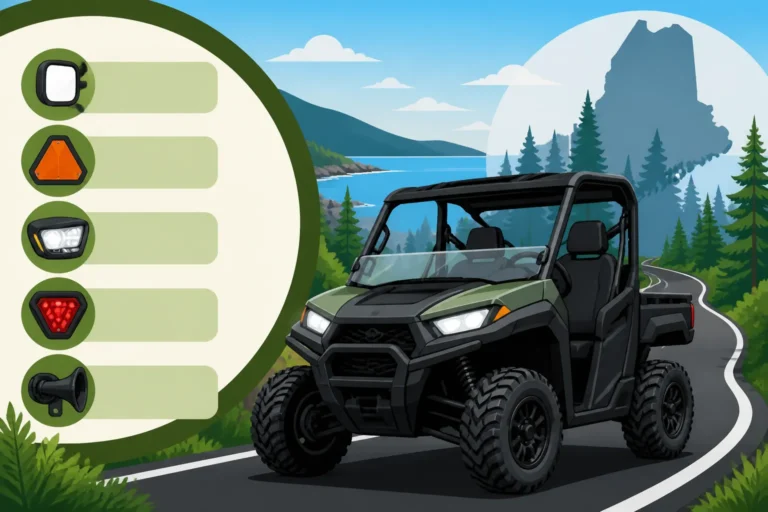
However, if you're looking to bring along more than one passenger, or simply prefer a different kind of riding experience, a UTV (Utility Task Vehicle), often called a side-by-side (SxS), is an excellent choice. UTVs are designed to carry multiple passengers, typically two, four, or even six, in a car-like seating arrangement with seatbelts, roll cages, and often doors or safety nets. They offer a much higher level of comfort and perceived safety, especially for those less experienced with powersports. UTVs are fantastic for exploring the vast Maine trail networks with family or a group of friends, allowing everyone to enjoy the scenery and the ride together. Brands like SuperATV offer a huge array of accessories for UTVs, from windshields and roofs to lighting and storage, making them even more versatile for group adventures.
When considering a multi-passenger machine, always check the manufacturer's specifications for seating capacity and weight limits. Just like with ATVs, overloading a UTV is also dangerous and illegal. But with proper selection, a two-up ATV or a UTV can open up a whole new world of shared trail experiences without compromising safety. If you're looking at different options, consider reviewing [Choosing Between a Two-Seat and Four-Seat Rental] to get an idea of what features you might want in a purchase.
Riding with Multiple Machines
Sometimes the simplest solution is the best one: if you want to ride with others, everyone who wants to operate a machine should have their own. This might mean owning multiple ATVs or UTVs, or perhaps having friends join you with their own machines. This approach ensures that every rider is on a vehicle suited for their individual weight and skill level, and that no machine is overloaded or operated unsafely. It also allows for greater freedom and control for each individual rider.
Group rides with multiple machines are incredibly popular on Maine's extensive trail system. They foster a sense of camaraderie and allow riders to share the experience while maintaining individual control and safety. When riding in a group, it's always important to practice good trail etiquette: maintain safe distances, communicate turns and stops, and ride within your abilities. [Group Ride Etiquette on Town Roads] is a great resource to ensure everyone has a safe and enjoyable time.
If purchasing multiple machines isn't feasible, consider renting! Many outfitters across Maine offer ATV and UTV rentals, including multi-passenger side-by-sides. This is a fantastic way to experience group riding without the significant upfront investment. Places like Northern Outdoors in The Forks or Northwoods Outfitters in Greenville often have a fleet of [Renting a Polaris RZR in Maine] or similar machines available for guided or unguided tours, providing a safe and memorable way to explore the backcountry with companions. This way, everyone gets to ride responsibly and enjoy the beauty of Maine's wilderness.
ATV/UTV Passenger Comparison
| Feature | Single-Rider ATV | Two-Up ATV (Tandem) | UTV (Side-by-Side) |
|---|---|---|---|
| Passenger Capacity | 1 (Operator Only) | 2 (Operator + 1 Passenger) | 2-6+ (Operator + Multiple Passengers) |
| Seat Design | Short, narrow, single-person | Extended, stepped, contoured | Bench or bucket seats |
| Passenger Footrests | None dedicated | Dedicated, secure footpegs | Floorboards |
| Passenger Handholds | None dedicated | Integrated, sturdy grab handles | Integrated, sturdy grab handles |
| Stability/Handling | Optimized for one rider | Engineered for two riders | High stability, car-like handling |
| Safety Features | None for passenger | Dedicated passenger safety | Seatbelts, roll cage, often doors |
| Legal in Maine | Only for operator | Yes, for two riders | Yes, for specified number of seats |
| Best Use Case | Solo trail riding | Riding with one companion | Group rides, utility, family outings |
Disclaimer
This article is for general informational purposes only and does not constitute professional advice. Laws, prices and regulations vary by location and change over time. Consult a qualified professional for guidance on your specific situation.