Seat Belt Rules in a Side-by-Side
It's easy to get a little turned around when you're thinking about the rules for riding off-road vehicles in Maine. So many different types of machines, from traditional ATVs to the increasingly popular side-by-sides, and each comes with its own set of guidelines, especially when it comes to safety gear. One of the biggest questions that often pops up, particularly for those new to side-by-sides or used to riding an ATV, is about seat belts: are they truly mandatory in a side-by-side here in Maine? This guide is here to clear up that confusion, diving deep into the specific seat belt rules that apply to UTVs (Utility Terrain Vehicles), also affectionately known as side-by-sides, on our beautiful trails and roads.
The Maine Law: Seat Belts and Side-by-Sides
When we talk about off-road machines, it's important to understand that Maine law often distinguishes between an ATV and a UTV, and these distinctions directly impact safety requirements like seat belts. You might think, "Well, they're both off-road vehicles," and you'd be right in spirit, but the state sees them through different lenses because of their design and how people typically operate them.
What the Statutes Say About UTVs
Maine's statutes generally define an ATV as a three-wheel or four-wheel all-terrain vehicle, while a UTV, or side-by-side, is typically defined as a motor vehicle that is not an ATV, golf cart, or motorcycle, and is designed for off-road use with a side-by-side seating arrangement. This might seem like splitting hairs, but it's a critical legal distinction. Because UTVs feature automotive-style controls – a steering wheel, foot pedals, and bucket or bench seating – the law tends to treat them with certain safety expectations similar to conventional automobiles. This isn't just an arbitrary ruling; it's rooted in the design of the vehicle and the way occupants are situated within its protective roll-over structure. The expectation is that if a vehicle has seat belt anchor points and belts, they are there for a reason and must be used.
Why Seat Belts Are Mandatory in Side-by-Sides
The fundamental reason seat belts are mandatory in side-by-sides is occupant safety. While a traditional ATV rider relies on active physical input, standing, leaning, and shifting their weight to control the machine and avoid obstacles, a side-by-side driver and passengers are seated within a cage-like structure. This structure, often referred to as a Roll-Over Protective Structure (ROPS), is designed to protect occupants in the event of a rollover or impact. However, the ROPS can only do its job if the occupants remain inside it.
Without a seat belt, a sudden bump, a sharp turn, or, heaven forbid, a rollover can easily eject a driver or passenger from the vehicle. Ejection is one of the leading causes of serious injury and fatalities in UTV accidents. The seat belt is your primary retention system, keeping you securely within the protective envelope of the UTV's frame. Modern UTVs are engineered with these safety systems in mind, often featuring three-point harnesses similar to what you'd find in a car, or even more robust four or five-point harnesses for specific models or more aggressive riding. This isn't just a suggestion; it's a vital component of the vehicle's inherent safety design, intended to keep you protected when things go sideways.
Distinguishing UTVs from ATVs Regarding Belts
This is where a lot of the confusion stems from. You might notice that many traditional ATVs don't have seat belts, and that's by design. As mentioned, ATVs require a rider to be dynamic, to move with the machine, and to shift their center of gravity constantly for safe operation. A seat belt on a traditional ATV would actually impede this crucial rider input, making the machine less safe in many situations.
Side-by-sides, on the other hand, are designed for a more passive seated experience. You operate them much like a car, and your body movements aren't typically integral to the machine's handling in the same way an ATV requires. Because of this fundamental difference in operation and design, the safety equipment requirements diverge. A side-by-side's stability and handling characteristics, combined with the presence of a ROPS, make seat belts not just beneficial, but essential for safety and legally required. It’s a distinction rooted in engineering and rider mechanics, not just bureaucratic whim.
Who Needs to Buckle Up: Drivers and Passengers
Maine's approach to seat belts in side-by-sides is fairly straightforward: if there's a belt, it needs to be worn. However, understanding the nuances for different occupants, especially younger riders, is absolutely critical for staying safe and compliant with the law.
All Occupants, All the Time
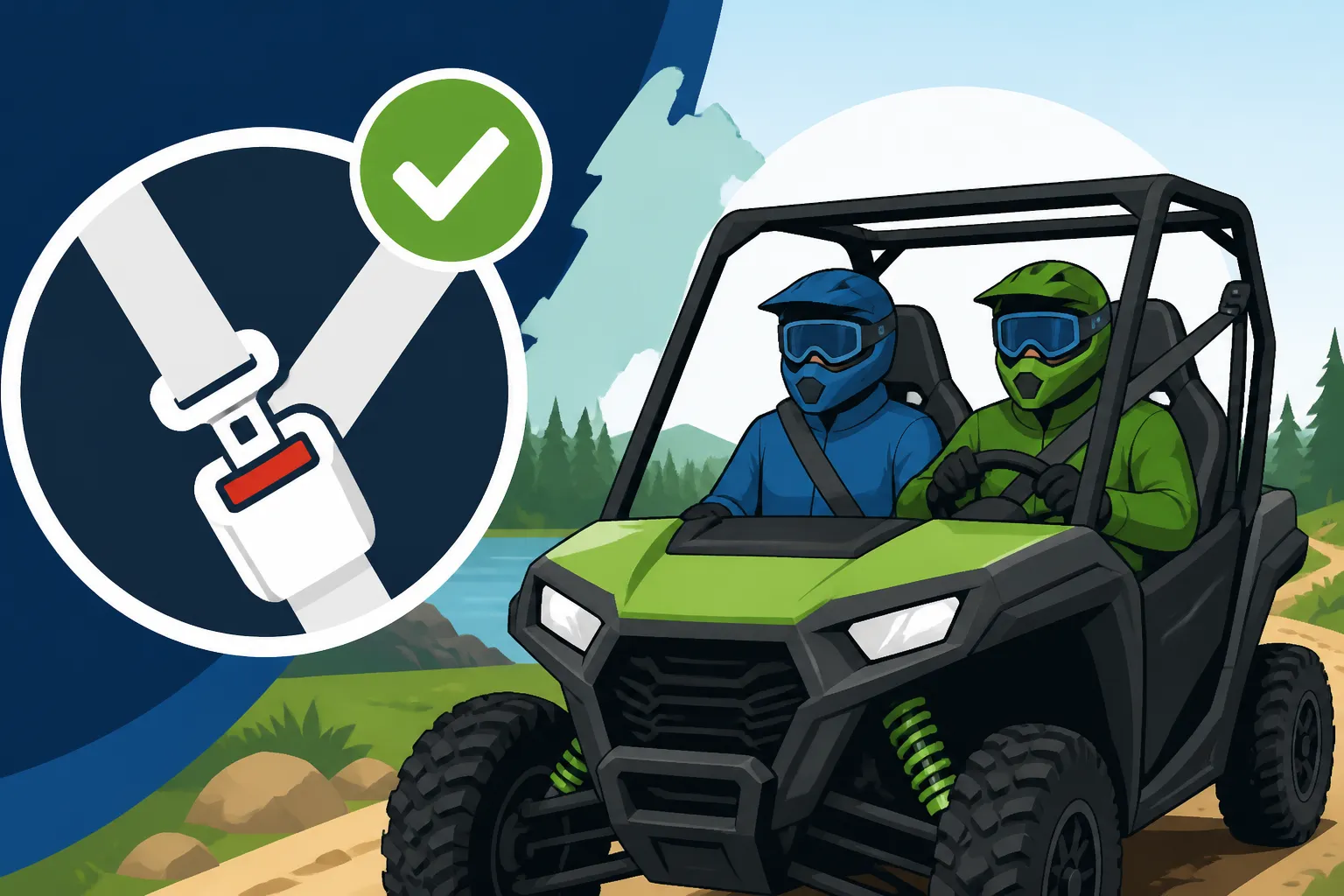
The general rule of thumb in Maine is simple: if your side-by-side is equipped with seat belts, every person occupying a designated seating position must wear their seat belt whenever the vehicle is in motion. This isn't just limited to paved public roads; it applies across the board, whether you're navigating designated ATV/UTV trails, crossing a public way within [Maine's 500-Yard Limit on a Public Way], or even just puttering around a field that's open to the public. There's no magical "short distance" or "just on private property" exemption when you're legally operating the machine in areas where state laws apply.
Many riders, used to the more relaxed feel of an ATV, sometimes forget this crucial detail when they transition to a side-by-side. But the law is clear, and for good reason. Even a low-speed tip-over can cause serious injury if you're not properly secured. Make it a habit: if the engine is on and the wheels are turning, everyone buckles up.
Age Requirements and Youth Riders
This area requires particular attention, especially for families enjoying the trails with kids. While the primary requirement is that if a seat belt is present, it must be worn by anyone occupying that seat, Maine also has specific [Maine ATV Age Rules for Riders Under 16]. For youth riders operating a UTV, they must not only wear their seat belt but also be capable of safely reaching and operating all the vehicle's controls. If they are passengers, they must be properly secured in a designated seat.
It's important to consider that standard UTV seat belts might not fit very small children properly. Just as in a car, if a child is too small for the UTV's seat belt system to provide effective restraint, they may need an appropriate car seat or booster seat to ensure the belt crosses their body at the correct points (shoulder and lap). This is about ensuring maximum safety for the most vulnerable occupants. The law is designed to protect all riders, but children often require extra consideration to ensure the safety equipment functions as intended.
Designated Seating Positions
Side-by-sides come in various configurations, from compact two-seaters to larger four-seat and even six-seat models. The law specifies that each designated seating position must be occupied by one person, and that person must use the functional seat belt provided for that position. This means you cannot legally or safely carry more passengers than there are designated seats with working seat belts.
Trying to squeeze an extra child onto a lap, or having someone stand in the bed of the UTV, even for what seems like a short, slow ride, is extremely dangerous and illegal. In the event of an accident, these unsecured passengers have zero protection and are at severe risk of injury or ejection. Remember, the entire safety system of a UTV, including the [UTV Roll Cage and Net Requirements], works as a cohesive unit to protect occupants who are properly secured in their designated seats. Respecting the vehicle's intended capacity and ensuring every occupant has their own seat and seat belt is non-negotiable for safety and legal compliance.
Practicalities and Enforcement on Maine's Trails and Roads
Navigating Maine's vast trail network and occasional public road crossings with your side-by-side means understanding not only the letter of the law but also how it's enforced and what practical considerations you should keep in mind.
What Wardens Look For
Maine's Inland Fisheries and Wildlife (IF&W) Wardens are frequently out on the trails and access routes, ensuring everyone is riding safely and legally. They are highly trained and observant, and visible seat belt non-compliance in a side-by-side is one of the easiest violations to spot. When wardens conduct a trailside check, they're typically looking for a range of things, from proper [Maine UTV Registration and How It Differs] to valid [Maine ATV Safety Course Requirements] for younger operators, and, yes, whether everyone in a side-by-side is properly buckled up.
The consequences of not wearing a seat belt in a UTV can vary, from a friendly reminder to a formal warning or even a fine. It's simply not worth the risk to your safety or your wallet. A warden check isn't meant to spoil your fun; it's about ensuring everyone gets home safely. So, when you encounter a warden, be polite, have your paperwork ready, and ensure everyone in your side-by-side is properly restrained. You can expect [Maine Warden Checks and What They Ask] to include verification of these crucial safety elements.
Aftermarket Seat Belts and Harnesses
Many side-by-side owners, especially those who enjoy more aggressive off-road adventures or racing, eventually look into upgrading their factory seat belts. While factory three-point belts are designed for general safety, some riders prefer the added security and containment offered by multi-point harnesses (4-point, 5-point, or even 6-point systems). Brands like SuperATV offer a wide array of these aftermarket harness systems, designed to keep you even more firmly planted in your seat during extreme maneuvers or rough terrain.
If you decide to go this route, it's paramount that any aftermarket seat belt or harness system is properly installed according to the manufacturer's instructions and securely anchored to the UTV's frame. A poorly installed harness, no matter how robust it looks, can be just as ineffective as not wearing a belt at all, or even create new hazards. It’s not just about personal preference; for legal purposes, the installed system must function effectively as a safety restraint. Always ensure your upgraded harnesses are worn correctly, with all straps snug and secure, every time you ride.
Riding on Private Land vs. Public Access
This is a recurring question across all off-road vehicle types. While Maine's formal laws and potential enforcement regarding UTV seat belts primarily apply to designated public trails, public ways, and areas where state law dictates vehicle operation, common sense and personal safety should always be your guiding principle.
Even if you're operating your side-by-side exclusively on your own private property, perhaps on your [Maine Registration Exemption on Your Own Land] or a friend's woodlot, the risks of a rollover, collision, or sudden impact are still present. Therefore, it is always strongly recommended to wear your seat belt. Many private landowners who graciously open their property for recreational riding often expect responsible and safe operating practices, which absolutely includes the use of seat belts in UTVs. Setting a good example for younger riders and promoting a culture of safety, regardless of whether a warden might be around, is always the best approach. After all, [Landowner Permission on Maine ATV Trails] often comes with an unspoken expectation of respectful and safe riding.
Remember, safety should always be your top priority when enjoying Maine's trails. Understanding and adhering to these seat belt rules for side-by-sides is a crucial part of that commitment.
Maine Side-by-Side (UTV) vs. ATV Safety Features Comparison
| Feature / Requirement | Side-by-Side (UTV) | ATV (All-Terrain Vehicle) |
|---|---|---|
| Seat Belts | Mandatory for all designated seating positions while in operation. | Not typically required or installed due to active rider input. |
| Roll Cage / ROPS | Standard equipment, forms a protective safety cell. | Not present; rider's primary protection is personal gear and riding skill. |
| Steering Control | Automotive-style steering wheel. | Motorcycle-style handlebars. |
| Occupant Position | Seated, side-by-side, within a frame. | Straddled, active rider input, exposed. |
| Passenger Rules | Must be in designated seat with a functional belt. | Usually limited to rider; specific models may allow one designated passenger with proper handholds/seating. |
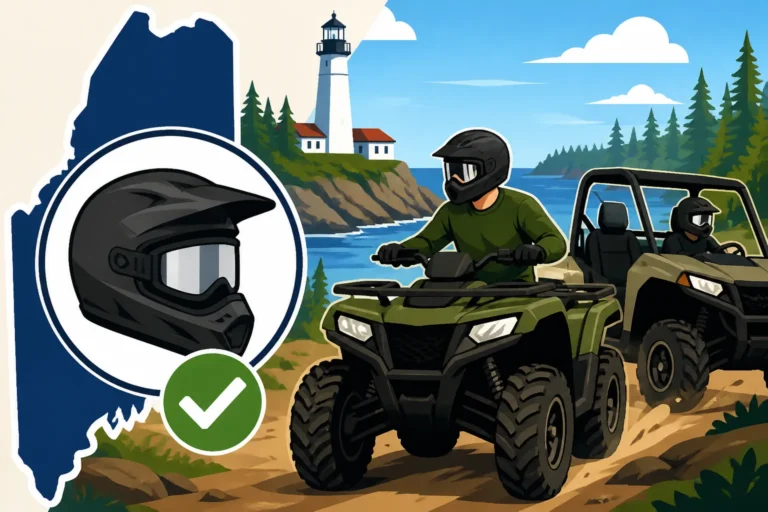
| Helmet Requirement | Mandatory for riders and passengers under 18 years old. (See [Maine Helmet Rules for Riders Under 18]) | Mandatory for all riders and passengers under 18 years old. |
| Insurance | Recommended; may be required for road access (see [Maine ATV Insurance and When You Need It]). | Recommended; may be required for road access. |
Disclaimer
This article is for general informational purposes only and does not constitute professional advice. Laws, prices and regulations vary by location and change over time. Consult a qualified professional for guidance on your specific situation.