Taillight and Brake Light Rules on a Quad
There's nothing quite like the freedom of exploring Maine's vast trail network or crossing a quiet country road on your ATV or UTV. But as riders, we all know that freedom comes with responsibility, especially when it comes to safety and following the rules. One of the most common oversights, and frankly, one that can put you and others at risk, involves your machine's rear lighting. It's not always obvious what's required, especially when you're just focused on hitting the dirt. This guide is here to shed some light (pun intended!) on Maine's specific requirements for ATV and UTV taillights and brake lights, helping you stay visible, safe, and legal on every ride.
Understanding Maine's Basic Taillight and Brake Light Requirements for ATVs
Navigating the rules and regulations for ATVs and UTVs in Maine can feel like trying to untangle a fishing line after a long day – a bit messy and full of knots. But when it comes to something as fundamental as your machine's lights, it’s critical to get it right. It’s not just about avoiding a ticket; it’s about making sure everyone on the trails and roads knows where you are and what you’re doing.
The Fundamental Need for Rear Visibility
Let’s be honest, out on the trails, especially in dusty conditions or at dusk, seeing other riders can be a real challenge. Your taillight isn't just a decoration; it's a beacon. It tells the rider behind you that you're there, preventing potential collisions. Think about those moments when you're riding through a dense section of woods and suddenly, the lighting changes. If your taillight isn't doing its job, the rider following you might only see a cloud of dust or a vague shape, which is a recipe for an accident.
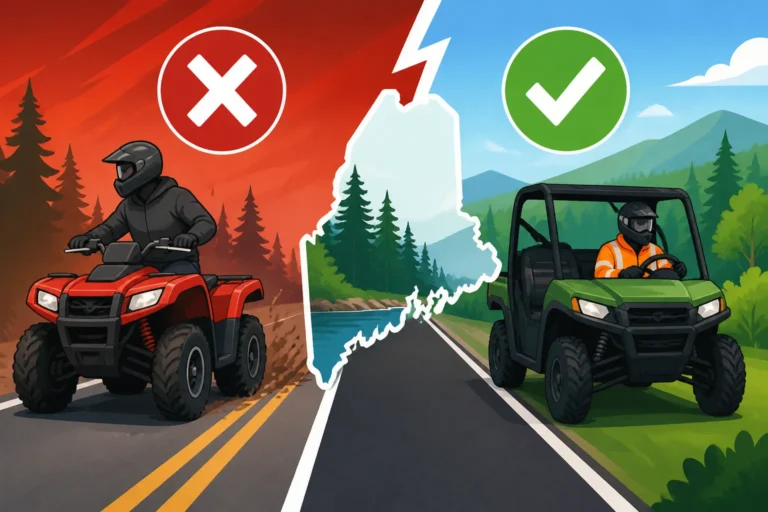
This need for visibility becomes even more pronounced when you’re nearing any public way. Whether you’re simply crossing a road or riding a designated ATV access route, you’re sharing space with cars, trucks, and even pedestrians. They expect to see clear signals of your presence and intentions. Maine's regulations are designed to minimize risk for everyone, ensuring that your machine communicates effectively with others on the trail and beyond. It’s a collective effort for safety, and your working lights are a big part of that.
Specifics of Maine's Taillight Law
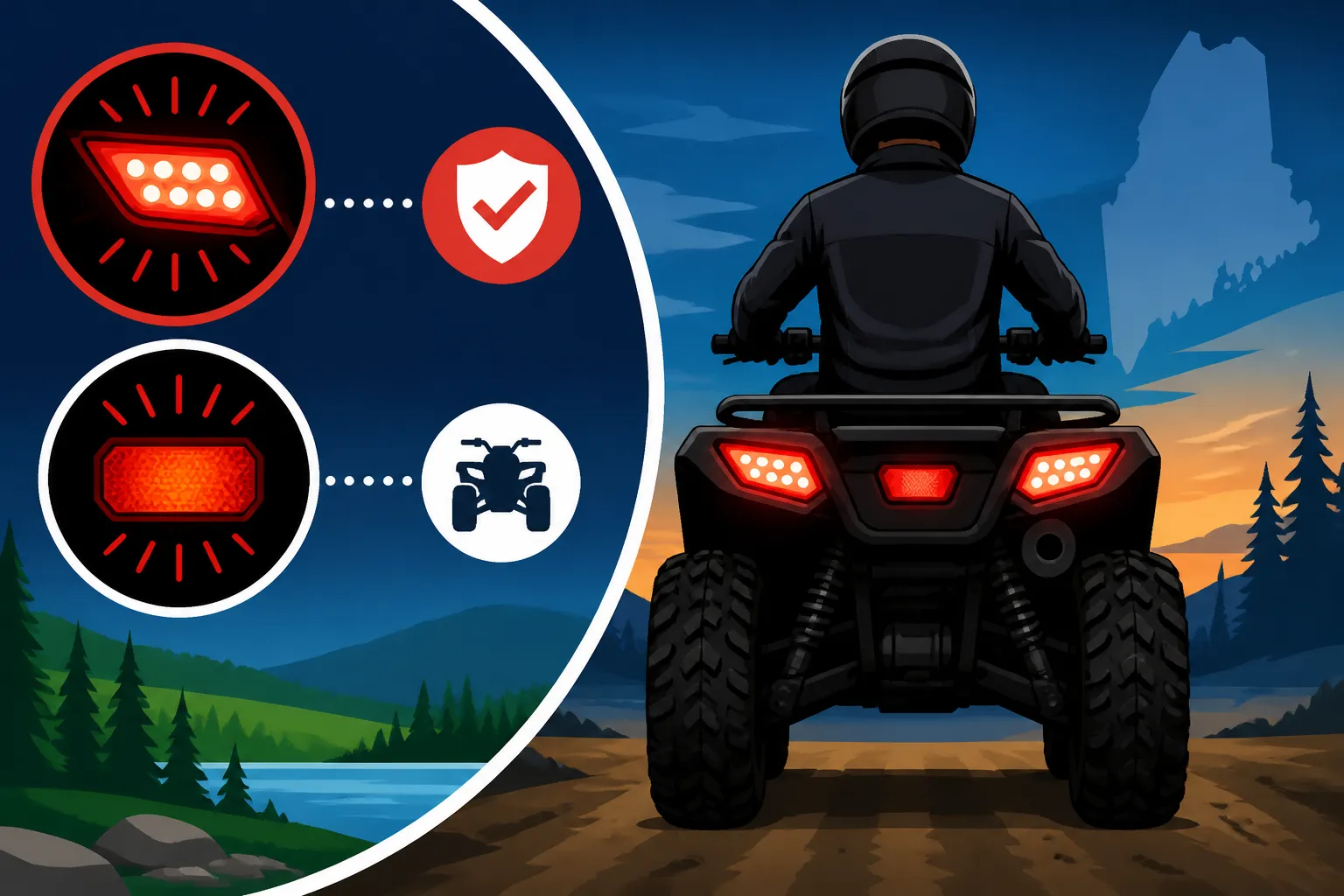
Maine law is pretty clear: if you’re operating an ATV or UTV at night, or under conditions of reduced visibility (think heavy fog, rain, or snow), you absolutely need a functional taillight. This isn't just good practice; it's a legal requirement. The taillight must emit a red light visible from a reasonable distance to the rear. We’re talking about a steady, consistent light, not something flickering or barely noticeable.
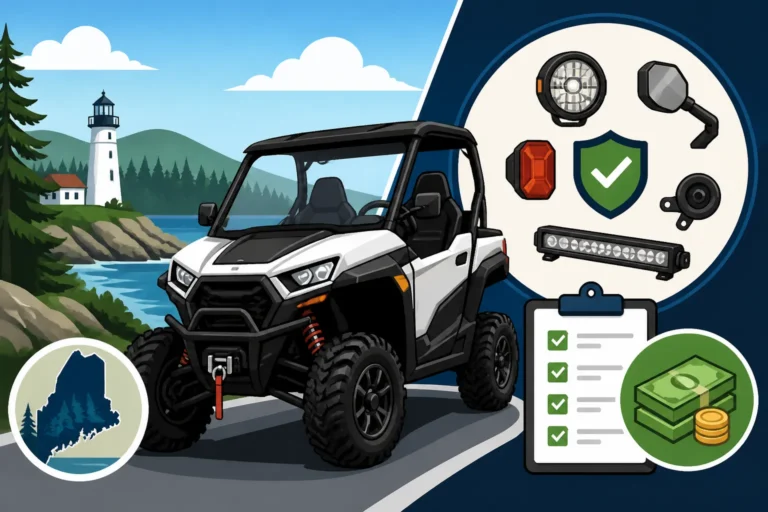
For many stock ATVs and UTVs, the taillight assembly is built right in. However, if you’ve picked up an older machine, or maybe one that’s seen a lot of hard miles, the taillight might be dim, cracked, or even missing. This is where you need to be proactive. If your taillight isn't up to snuff, you're not just risking a fine, you’re compromising safety. You can find robust aftermarket taillight kits from companies like SuperATV that are designed to withstand the rigors of off-road riding, often offering brighter LEDs and more durable housings than original equipment. Remember, the goal is to be seen, clearly and consistently, by anyone approaching from behind.
Brake Light Mandates for Maine Quads
Beyond just being seen, others need to know when you're slowing down or stopping. That's where brake lights come in. Maine law stipulates that ATVs and UTVs, when operated in conditions requiring a taillight, must also be equipped with at least one brake light. This light must be activated when you apply the brakes, showing a red or amber light to the rear, and it needs to be visible from a certain distance. This is absolutely crucial for preventing rear-end collisions, especially in group rides or on shared trails where sudden stops can happen without warning.
Imagine a scenario where you're riding with a group, approaching a tricky stream crossing, and you need to slow down quickly. If your brake lights aren't working, the rider directly behind you has no immediate visual cue that you're hitting the brakes. They might only realize you're stopping when they're too close to react safely, leading to a pile-up. This is a real concern, and a working brake light is your primary line of defense. Always do a quick check before you head out. Tap the brakes and make sure that red glow pops on. This simple action can be a lifesaver, not just for you, but for your fellow riders.
Navigating Different Riding Conditions with Proper Lighting
The type of terrain you're on, the time of day, and even the weather can drastically change how important your ATV's lighting becomes. What might be adequate for a sunny afternoon ride on a wide-open trail could be woefully insufficient when darkness falls or you encounter challenging visibility. Understanding these nuances is key to responsible and safe ATV operation in Maine.
Night Riding and Enhanced Visibility
If you plan on riding after dark, your lighting system moves from a "nice-to-have" to an absolute necessity. Maine's [Maine Lighting Requirements for Night Riding] are designed to ensure you're not only seen by others but that you also have enough illumination to safely navigate the trails yourself. Your taillight and brake light, as discussed, are paramount for rear visibility. But it's worth considering how bright they actually are. Stock lights can sometimes be a bit dim, especially on older machines or models not specifically designed for heavy night use.
When you're out there under the stars, even on trails you know well, shadows play tricks, and obstacles become harder to spot. For the riders behind you, a faint glow is simply not enough. This is where many riders choose to upgrade. Brighter LED taillights not only consume less power but offer significantly better visibility. Some riders even add auxiliary rear lights for extra safety, particularly if they frequently ride in dusty conditions where a single taillight might be obscured. Think of it as an investment in your safety and the safety of those you ride with. A simple check of your brake light operation becomes even more critical when you're riding through pitch black woods, as it's the only signal that you're decelerating.
Road Crossings and Public Way Access
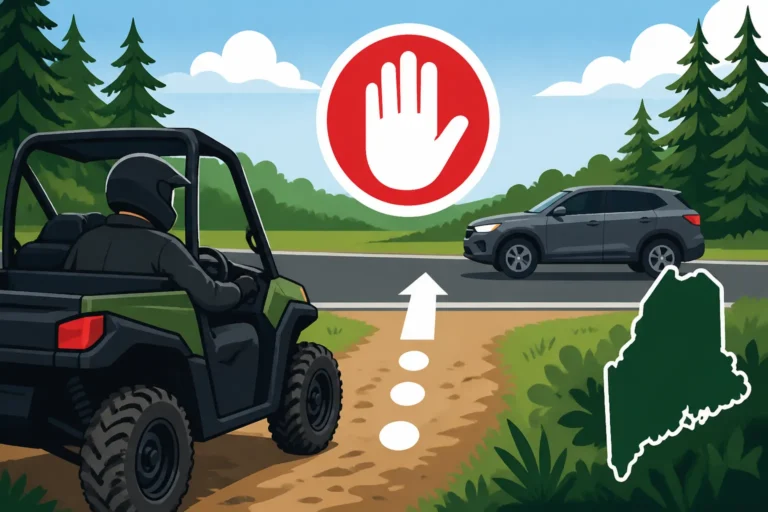
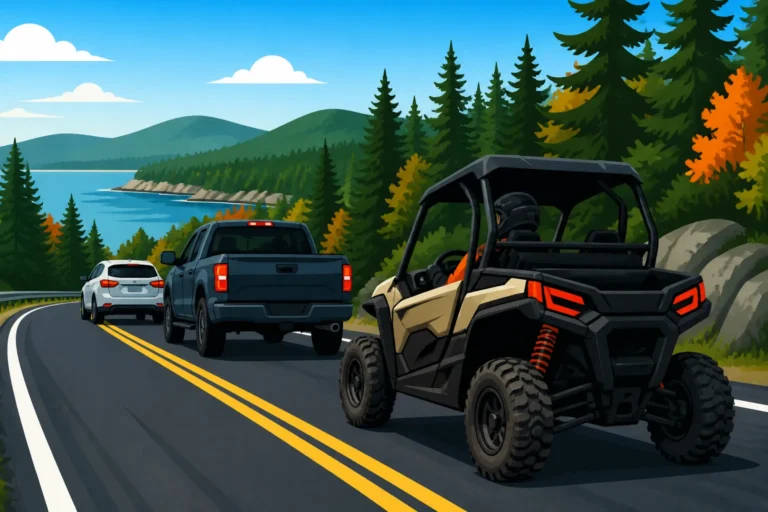
Even if your ride is primarily off-road, chances are you'll encounter a public way at some point. Maine's vast trail network often includes road crossings or even designated ATV access routes where you temporarily share the road with vehicular traffic. This is perhaps where your taillights and brake lights are most vital. Cars and trucks are traveling at higher speeds, and they expect clear, immediate signals from any vehicle on the road.
When you approach a road crossing, you’re often slowing down, looking for traffic, and preparing to cross. Your brake light must function flawlessly to communicate this deceleration to any vehicle or ATV behind you, whether they're on the trail or approaching on the road. Similarly, your taillight provides continuous visibility as you wait to cross or ride along an access route. A dim or non-functional taillight on a public way is not just an inconvenience; it's an extreme hazard. Maine has specific [Riding an ATV on the Road in Maine] rules you need to follow, and proper lighting is a cornerstone of those regulations. Always assume that drivers might not expect to see an ATV, and do everything you can to make yourself visible.
The Importance of Functional Lights on Trails
While trails might seem less regulated than roads, functional taillights and brake lights are still incredibly important for safety. Picture a dense section of trail, maybe a blind turn or a steep downhill. If you're riding in a group, especially if there's dust or heavy foliage, the rider behind you is relying on your taillight to track your position and your brake light to anticipate your movements. A sudden stop on a blind curve without a working brake light could lead to a serious pile-up.
Beyond group rides, functional lights protect you even when riding solo. If you become stranded or break down on a trail, especially as daylight fades, your taillight can be a crucial signal for searchers or other riders passing by. While Maine law provides some [Maine ATV Registration Exemptions] for riding on your own land, general safety practices for lighting should still apply. It's about being a responsible rider, respecting the shared nature of the trails, and mitigating risks for everyone enjoying the outdoors. Regular checks of your lights should be part of your pre-ride ritual, regardless of where you plan to ride.
Maintaining and Upgrading Your ATV's Rear Lighting System
Let's face it, ATVs and UTVs are subjected to some pretty harsh conditions. Mud, water, vibrations, impacts from branches – it all takes a toll. Your taillights and brake lights, while often robustly designed, are not immune to this abuse. Being proactive with maintenance and knowing when to upgrade can save you a headache, and potentially prevent an accident, down the trail.
Common Issues and Troubleshooting
It's a common story: you're getting ready for a ride, and during your [Pre-Purchase Inspection Before You Buy a Quad] or your regular check, you notice a taillight isn't working. Don't fret; many common issues can be diagnosed and fixed with a little know-how.
- Blown Bulbs/LEDs: This is probably the most frequent culprit. Whether it's a traditional filament bulb or an LED array, they can fail. Replacing them is often straightforward, but make sure to get the correct type and voltage for your machine.
- Wiring Problems: ATV wiring harnesses lead a tough life. Wires can fray, corrode, or become disconnected due to vibration, water intrusion, or rubbing against the frame. Check all connections leading to your taillight and brake light. A simple multimeter can help trace power.
- Fuse Issues: A blown fuse can knock out an entire circuit. Locate your ATV’s fuse box (it’s usually near the battery or under the seat) and check the fuse dedicated to your lights. Always replace a blown fuse with one of the same amperage.
- Switch Malfunctions: Your brake light is activated by a switch, often located near the brake pedal or lever. These switches can get gummed up with dirt or corrode, preventing the light from activating. Cleaning or replacing the switch might be necessary.
- Grounding Problems: Poor grounding is a notorious cause of electrical gremlins. Ensure that all ground wires are securely connected to a clean, unpainted metal surface on the frame. Corrosion on a ground point can cause intermittent light operation or no light at all.
When troubleshooting, start with the simplest solutions first and work your way to more complex ones. Sometimes, it’s just a loose connection that needs to be tightened, or a bulb that’s vibrated loose from its socket. Don't forget that a [Maine ATV Bill of Sale: What to Include] should also list any known issues, so you can address these upfront if buying a used machine.
Aftermarket Options for Improved Safety
If your stock lights are consistently failing or simply aren't bright enough for your riding style, the aftermarket is your friend. There's a huge variety of options designed to enhance safety and durability.
- LED Upgrades: Converting to LED taillights and brake lights is perhaps the most popular upgrade. LEDs are brighter, last significantly longer, draw less power from your battery, and are far more resistant to vibration than traditional filament bulbs. Companies like SuperATV offer direct-fit LED taillight assemblies that bolt right on, often with plug-and-play wiring, making the upgrade process painless.
- Integrated Light Bars: For UTVs, some riders opt for rear light bars that incorporate running lights, brake lights, and even turn signals into one sleek unit. These can dramatically increase your rear visibility, especially for wider side-by-sides.
- Auxiliary Brake Lights: If you want an extra layer of safety, consider adding an auxiliary brake light, perhaps mounted higher on the machine or on a cargo rack. This provides another visual cue for riders behind you, particularly in hilly terrain where your primary brake light might be obscured.
- Weatherproof Housings: Look for aftermarket lights with robust, weatherproof housings. The last thing you want is water or mud getting into your new lights and causing electrical shorts or corrosion. Marine-grade lights or those designed specifically for off-road use are a good bet.
Upgrading your lighting isn't just about looking cool; it's about practical safety. Brighter lights mean you're seen sooner, and durable lights mean they're less likely to fail when you need them most.
Pre-Ride Checks and Seasonal Maintenance
Consistency is key. Making a quick check of your lights part of your pre-ride routine takes mere seconds but can save you a lot of trouble. Before you even pull out of the driveway, take a moment to:
- Turn on your ignition and check your taillight. Is it shining steadily and brightly?
- Squeeze your brake lever(s) or push your brake pedal. Does the brake light illuminate immediately and brightly?
- Walk around the back of your machine to get a good look at the brightness and coverage.
Beyond these quick checks, consider seasonal maintenance. Before the busy riding season begins, or after a particularly wet and muddy spell, take some time to:
- Clean your light lenses. Mud and dirt can drastically reduce light output. Use a gentle cleaner to avoid scratching the plastic.
- Inspect wiring and connections. Look for any signs of fraying, corrosion, or loose terminals. Apply dielectric grease to connections to help prevent moisture intrusion.
- Check mounting hardware. Vibrations can loosen bolts and screws, causing lights to sag or even fall off. Tighten anything that feels wobbly.
- Consider a preventative bulb replacement if you have traditional filament bulbs and they're nearing the end of their lifespan. It's easier to change one in your garage than out on a dark trail.
Keeping your taillights and brake lights in tip-top shape isn't just a recommendation; it's a fundamental part of responsible ATV ownership in Maine. It's about being visible, communicating your intentions, and ultimately, making every ride safer for yourself and everyone else. Don't let a simple lighting issue turn a great day on the trails into a preventable accident or a costly [Fine for an Unregistered ATV in Maine] or other violation.
Disclaimer
This article is for general informational purposes only and does not constitute professional advice. Laws, prices and regulations vary by location and change over time. Consult a qualified professional for guidance on your specific situation.