Riding With Traffic on a Maine Access Route
Riding your ATV or UTV in Maine offers incredible freedom, but there’s a distinct moment when that freedom bumps up against the realities of shared roadways. It’s when you transition from a winding, remote trail onto a designated ATV access route that shares space with cars and trucks, and suddenly, you're faced with a whole new set of rules and anxieties. This guide is here to walk you through exactly what it means to ride with traffic on a Maine ATV access route, explaining the legalities, the best practices, and the unspoken etiquette that keeps everyone safe and keeps those precious routes open for us all.
Understanding Maine's ATV Access Routes
Maine's trail system is truly something special, but it's not always a continuous ribbon of dirt and woods. Often, to connect one section of trail to another, or to reach a gas station or a local restaurant, ATV and UTV riders need to utilize sections of public road. This isn't just a free-for-all; these are very specific, designated corridors known as ATV access routes, and they come with their own set of rules that are critical to understand.
What Exactly is an ATV Access Route?
Think of an ATV access route as a specific, limited-access segment of a public road that a town has formally opened to ATV and UTV traffic. It's not every road, everywhere. These routes are a lifeline, connecting disjointed trail systems, allowing riders to reach services, or providing passage through areas where no off-road trail exists. Without these routes, many of our beloved multi-day rides or simple trips for a burger wouldn't be possible. They are a testament to cooperation between local municipalities, trail clubs, and the Bureau of Parks and Lands. The designation means that while you're on these specific sections, your ATV or UTV is legally permitted to share the road with cars, trucks, and other vehicles, but with strict conditions. It’s a privilege, not a right, and understanding the nuances is key to responsible riding. You'll often find these routes clearly marked, but it's always smart to have a good map or GPS with you, like those found on the onX Offroad Maps for Maine Trails, to ensure you're on a legal route.
How Towns Designate and Mark These Routes
The process for a town to designate an ATV access route is quite involved. It typically starts with a request from an ATV club or local riders, followed by discussions at town meetings or with the select board. There's usually a formal vote to pass an ordinance that specifically allows ATVs and UTVs on certain sections of town ways. This isn't a quick decision; it often involves public hearings, input from residents, and careful consideration of safety and potential impacts on traffic flow and noise. Once approved, these routes are supposed to be clearly marked. You'll typically see distinct signs with an ATV symbol, sometimes indicating "ATV ACCESS ROUTE" or an arrow directing traffic. These signs are absolutely crucial – they tell you where you can and cannot legally ride on a public way. A common mistake is assuming that if one road in a town is an access route, all roads are. That’s rarely the case. Keep your eyes peeled for those signs, and if in doubt, always assume the road is not an access route unless explicitly stated. The specific placement and type of signs are often outlined in the town's ordinance, ensuring clear communication for both riders and motorists. [How a Maine Town Designates an ATV-Access Route] can give you more insight into this process.
The Difference Between Access Routes and Public Ways
This is where many riders get confused, and it’s a critical distinction. A "public way" in Maine generally refers to any road maintained by the state, county, or municipality that is open to vehicular traffic. This includes everything from bustling Route 1 to quiet dirt town roads. For the most part, ATVs and UTVs are not allowed on public ways, except under very specific circumstances, such as crossing at a 90-degree angle or utilizing the extreme right for a very short distance (the famous 500-yard limit). An "ATV access route," on the other hand, is a subset of a public way – a specific section that has been formally opened to ATVs and UTVs by local ordinance. The key is that formal designation. If a road doesn't have those specific signs, it's just a regular public way, and your ATV or UTV is restricted to the established rules for crossings or very limited travel. Failing to understand this difference can lead to fines, trespassing issues, and even the loss of these valuable routes for the entire riding community. It's a fundamental concept for responsible riding in Maine. [Maine ATV Road Rules for Young Riders] might also touch on this if it details permitted riding areas.
Navigating Shared Roadways: Rules and Best Practices
Once you're on a designated ATV access route, you're no longer just on the trail. You're sharing space with cars, trucks, bicycles, and pedestrians. This demands a shift in mindset and adherence to specific rules designed to keep everyone safe and maintain positive relations between riders and other road users.
Yielding to Oncoming Traffic and Road Users
When you’re on an ATV access route, you are considered a legitimate road user, but you’re still operating a machine that is generally smaller and less visible than a car. The fundamental rule of the road, always, is to yield appropriately. This means if you're turning, entering a roadway, or encountering a situation where there's any ambiguity, assume you need to yield to motor vehicle traffic. Cars and trucks often travel at higher speeds, and their drivers may not be expecting an ATV to suddenly appear or make a maneuver. Be predictable. Use hand signals or turn signals if your machine is equipped. When approaching intersections, even if you technically have the right-of-way, it's always safer to slow down and ensure that other drivers see you and acknowledge your presence before proceeding. A common scenario is when an ATV trail crosses a road; [Maine's Stop-and-Yield Rule Before a Public Way] emphasizes the need for a complete stop and yielding to traffic. Being overly cautious is far better than a collision, and it contributes to the overall perception of ATV riders as responsible members of the community.
Staying to the Extreme Right and Single File Riding
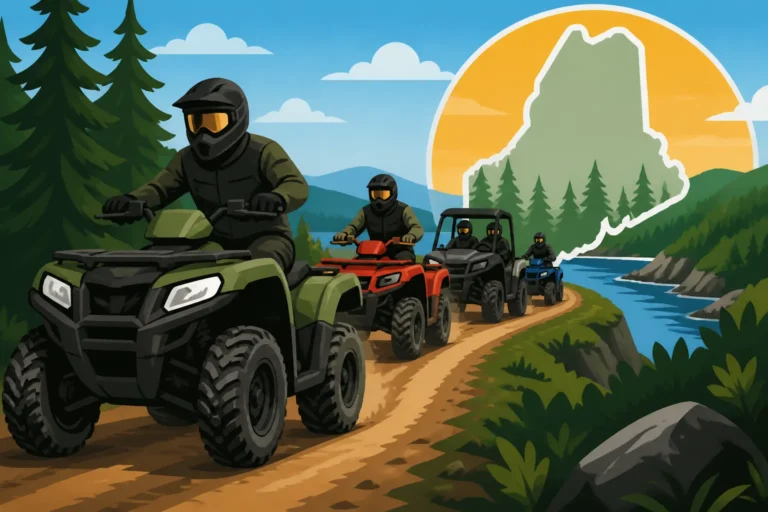
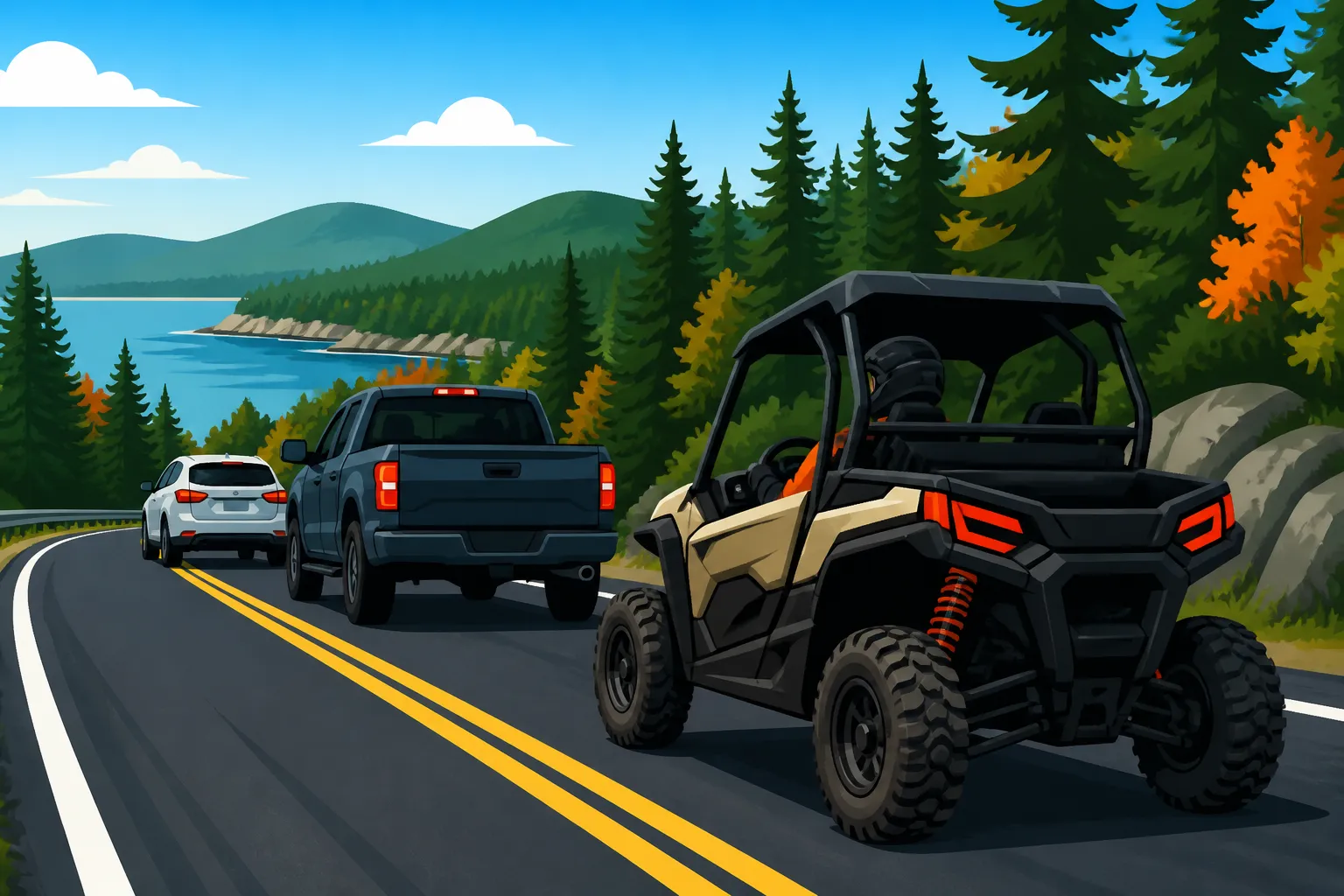
Maine law is very clear on this: when operating an ATV or UTV on a public way (including designated access routes), you must operate on the extreme right of the traveled way. This isn't just a suggestion; it's a legal requirement. This means hugging the shoulder as much as safely possible, giving ample space to passing vehicles. Never ride in the middle of a lane, even if the road is quiet. For group rides, the rule is also explicit: you must ride in single file. No side-by-side riding on the road, no matter how wide the shoulder seems. This is for everyone's safety. It makes it easier for motorists to pass you safely, reduces your footprint on the road, and helps maintain a clear line of sight for both riders and drivers. Imagine a car coming around a blind corner and encountering three ATVs spread across the lane; it’s a recipe for disaster. Adhering to the "extreme right" and "single file" rules demonstrates respect for other road users and helps prevent accidents. It's also worth noting that the [Maine ATV Rules for Riders Under 16 on Roads] might have additional supervision requirements in these scenarios.
Speed Limits and Situational Awareness
While on an ATV access route, you are subject to the same posted speed limits as other vehicles. Just because your machine can go faster doesn't mean it should. Speed limits are there for a reason, especially on roads that might have blind curves, driveways, or residential areas. Beyond posted limits, always exercise situational awareness and adjust your speed to conditions. If the road is narrow, heavily trafficked, or has poor visibility, slow down. Dust is another major concern; kicking up excessive dust can blind motorists behind you or oncoming traffic. Slow down when passing homes or other vehicles to minimize dust impact. Pay attention to driveways, pedestrians, and children playing near the road. A moment of inattention can have serious consequences. Riding responsibly on access routes is about anticipating potential hazards and reacting proactively, not just adhering to the letter of the law. Your awareness helps ensure the routes stay open and reinforces the image of responsible ATV use.
Safety Considerations When Riding with Traffic
Sharing the road introduces a whole new layer of safety considerations. It’s not just about following the rules; it's about being proactive and intelligent about your presence in mixed traffic.
Visibility is Key: Making Yourself Seen
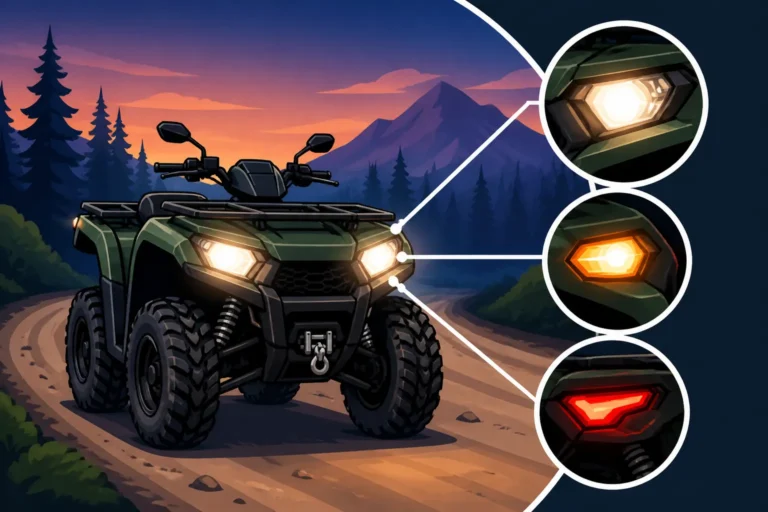
One of the biggest challenges when riding an ATV or UTV on a public road is visibility. Cars and trucks are larger and often blend into the background. Your smaller machine can be easily overlooked, especially by distracted drivers or in changing light conditions. This is where you need to take proactive steps to make yourself seen. Always ride with your headlights and taillights on, even during the day. Consider adding reflective tape to your machine and helmet, especially if you anticipate riding near dusk or dawn. Brightly colored riding gear, like a neon green or orange helmet and jacket, can significantly improve your visibility. Some riders even add aftermarket flags or reflective whips, especially for UTVs, to increase their profile. Products from companies like SuperATV offer a range of lighting and safety accessories that can enhance your visibility. Remember, just because you see them doesn't mean they see you. Do everything in your power to stand out, making it easier for other drivers to spot you and react safely. [Maine Lighting Requirements for Night Riding] details the legal necessities, but going beyond the minimum can be a lifesaver.
Anticipating Driver Behavior and Road Hazards
Operating on public roads means interacting with human drivers, and unfortunately, not all of them are attentive or even courteous. Assume that some drivers might be distracted, impatient, or simply unaware of ATV laws. Drive defensively. Maintain a safe following distance from vehicles in front of you, giving yourself ample time to react if they brake suddenly. Be wary of vehicles approaching from behind, especially those that appear to be following too closely. If a driver seems aggressive or confused by your presence, give them space. Don't engage in road rage. Also, be on the lookout for common road hazards that you might not encounter on a dedicated trail, such as potholes, gravel, sand, discarded debris, or even oil slicks. These can be particularly dangerous for ATVs and UTVs, which have different handling characteristics than cars. Your machine is smaller, lighter, and can be more susceptible to losing control over unexpected road imperfections. Always scan the road ahead and keep an escape route in mind, whether it's the shoulder or simply reducing your speed.
Riding Etiquette for Group Rides on Roads
Riding in a group is one of the joys of ATVing, but on public roads, group etiquette becomes even more important. As mentioned, single file is the law. Beyond that, maintain adequate spacing between machines. This allows each rider to react independently to road conditions or traffic, and it also prevents a long, continuous line of ATVs from frustrating motorists who might be looking for an opportunity to pass. Use hand signals or helmet communicators to alert riders behind you to upcoming turns, hazards, or changes in speed. When making turns or crossing intersections, communicate clearly with your group. The lead rider should ensure the intersection is clear, and subsequent riders should follow only when safe to do so. Never assume the car that stopped for the first rider will stop for everyone. Be mindful of noise, especially when passing through residential areas; keep revving to a minimum. A courteous wave to passing motorists or pedestrians goes a long way in fostering good relationships. Remember, the actions of one rider can reflect on the entire ATV community, especially when sharing public ways. [Group Ride Etiquette on Town Roads] provides more great advice on this.
Equipment and Legal Requirements for Road Sections
Riding on designated ATV access routes isn’t like hitting the backcountry with minimal gear. The moment you enter a shared roadway, your machine and your person become subject to a stricter set of equipment and personal safety laws.
Required Lighting, Mirrors, and Horns
When you're sharing the road with cars, your ATV or UTV needs to be equipped to highway standards in certain key areas. This means you absolutely must have a working headlight, taillight, and brake light. These aren't just for night riding; they should be on during the day for visibility, as we discussed. Beyond lighting, Maine law requires that your ATV or UTV have at least one mirror, mounted on the left side, that provides a clear view of at least 200 feet to the rear. This is crucial for checking traffic before changing position or making turns. Many machines come with these as standard, but if yours doesn’t, or if the mirror is damaged, you'll need to install one. A functional horn is also mandatory. It’s your primary way to alert other road users to your presence if they don't see you. While many ATVs have a small horn, some UTVs might have a more robust car-style horn. Make sure all these components are in good working order before you head out on any access route. Investing in quality accessories, perhaps even from a brand like SuperATV, ensures you meet these requirements and enhance your safety.
Muffler Regulations and Noise Limits
Noise pollution is a significant concern for residents living along ATV access routes, and it's a primary reason why some towns hesitate to open more routes. Maine law has specific regulations regarding mufflers and noise levels for ATVs and UTVs. Your machine must be equipped with a muffler that is in good working order and effectively prevents excessive or unusual noise. It is illegal to operate an ATV or UTV with a modified exhaust system that increases noise output above the manufacturer's specifications. Aftermarket pipes that are "for competition use only" are generally not legal for trail or road use in Maine. The intent is to keep machine noise to a reasonable level, especially when passing through residential areas or near businesses. Repeated complaints about excessive noise can lead to routes being closed, so it's in every rider's interest to ensure their machine complies. Before a ride, give your exhaust system a quick check for any damage or modifications that might make it too loud. Respecting noise limits is a fundamental aspect of maintaining positive community relations and ensuring the long-term viability of ATV access routes.
Helmet Laws and Eye Protection on Public Ways
Maine has clear helmet laws for ATV and UTV riders, and these become even more critical when operating on public ways. Specifically, all ATV and UTV operators and passengers under 18 years of age are required to wear a protective helmet. This helmet must meet certain safety standards, such as those set by ANSI or DOT. For riders 18 and over, helmets are generally not required on private land or designated trails, but when you are on an ATV access route that is a public way, the rules can sometimes be interpreted differently, or specific town ordinances might mandate them for all riders. It's always a good idea to check local ordinances if you're an adult rider. Regardless of the legal requirement for adults, wearing a helmet is simply smart safety practice, especially when mixing with faster, heavier traffic. Furthermore, eye protection is crucial for all riders. Whether it's goggles or a face shield on your helmet, protecting your eyes from dust, debris, and insects is vital for maintaining clear vision and preventing serious injury. Always wear appropriate eye protection; it's a minor inconvenience that offers major protection. [Maine Helmet Rules for Riders Under 18] provides specific age-related details.
Addressing Common Concerns and Misconceptions
Despite the clear rules, riding ATVs and UTVs on shared roadways often generates questions and sometimes leads to misunderstandings. Let’s clear up some of the most common points of confusion.
The "500-Yard Limit" and Access Routes
One of the most persistent misconceptions revolves around the "500-yard limit" on public ways. For ATVs and UTVs, Maine law generally allows operation on the extreme right of a public way for no more than 500 yards to connect trails, avoid an obstruction, or reach services. This 500-yard rule is often misinterpreted as applying to designated ATV access routes. It's important to understand that a designated ATV access route has been specifically approved by a town ordinance for ATV/UTV use, and the 500-yard limit does not apply within the boundaries of that designated route. On an access route, you are legally allowed to travel its full length as designated. The 500-yard rule is for undesignated public ways where no other legal option exists. Confusing the two can lead to either riding illegally on undesignated roads (thinking the 500-yard rule gives you carte blanche) or unnecessarily restricting your travel on fully legal access routes. Always refer to the specific signage and ordinances for clarity. [Measuring 500 Yards on a Maine Road] details the specifics of that particular rule.
Reporting Issues and Promoting Responsible Riding
We all want to keep Maine's ATV trails and access routes open and enjoyable. This means taking an active role in reporting problems and promoting responsible riding. If you witness illegal ATV activity, such as riding on closed roads, trespassing, or reckless operation, it's important to report it. You can contact the Maine Warden Service or the local law enforcement agency. Providing details like machine descriptions, license plate numbers (if visible), and locations can be very helpful. Similarly, if you notice issues with an access route itself – perhaps signs are down, or there's a safety hazard – you should contact the local ATV club responsible for that area or the town office. These clubs work tirelessly to maintain trails and good relations, and they rely on rider feedback. Promoting responsible riding also means being a good example yourself. When you follow the rules, slow down around residences, minimize dust and noise, and wave to other road users, you're building goodwill for the entire ATV community. That goodwill is essential for convincing towns to open and maintain more access routes. [Reporting an ATV Trespass to the Warden Service] gives details on how to act.
Advocating for More ATV-Friendly Routes
Many towns in Maine recognize the economic benefits that ATV tourism brings to their communities, leading them to be more open to designating ATV access routes. If you're passionate about expanding the network of ATV-friendly routes in your area, consider getting involved. This could mean joining a local ATV club, attending town meetings where ATV ordinances are discussed, or even directly petitioning your local select board. When advocating, focus on the positive impacts: increased tourism, support for local businesses (like gas stations, restaurants, and convenience stores that cater to riders), and safe connectivity for riders. Present well-researched proposals, and be prepared to address concerns about noise, dust, and safety with thoughtful solutions. For instance, some accessory options from SuperATV might help address noise or visibility concerns, making an argument for new routes even stronger. The more organized and respectful the ATV community is in its advocacy, the more likely towns are to consider opening new sections of road to our machines. It's a continuous effort that benefits from sustained, positive engagement.
Comparative Table: ATV Access Route vs. General Public Way Rules
To help clarify the differences, here's a quick comparison of general rules for ATVs on public ways versus designated ATV access routes.
| Feature | General Public Way (Undesignated) | Designated ATV Access Route (Town Ordinance) |
|---|---|---|
| Permitted Use | Limited to crossing, short distances (max 500 yards) | Allowed for full length of designated section |
| Speed Limit | Subject to posted road speed limits | Subject to posted road speed limits |
| Passing Traffic | Must yield, only cross when safe | Must yield, share road courteously |
| Riding Formation | Single file on extreme right, if allowed | Single file on extreme right |
| Signage | No ATV-specific signs (may have "No ATV" signs) | Clearly marked with "ATV Access Route" signs |
| Helmet (Adults) | Not required (but recommended) | Not required (but recommended, check local rules) |
| Lights On | Required day and night for visibility | Required day and night for visibility |
| Mirrors | Required (left side, 200 ft view) | Required (left side, 200 ft view) |
| Horn | Required | Required |
| Muffler | Must meet noise regulations | Must meet noise regulations |
| Penalties | Fines for illegal operation, trespass | Fines for violating route-specific rules |
Disclaimer
This article is for general informational purposes only and does not constitute professional advice. Laws, prices and regulations vary by location and change over time. Consult a qualified professional for guidance on your specific situation.