Riding Single File in a Group
There’s nothing quite like gathering your crew, loading up the ATVs and UTVs, and heading out for a day of adventure on Maine’s incredible trail system. But as much fun as group rides are, they come with their own set of responsibilities and rules, especially when it comes to how you ride together. Many riders forget that just because you're with friends doesn't mean the rules go out the window, and riding single file is more than just a suggestion – it’s often a safety imperative and, in some cases, a legal requirement. This guide is all about helping you understand why riding single file is so important, what Maine's rules are, and how to make sure your group rides are safe and respectful for everyone.
Why Riding Single File is Crucial on Maine Trails and Roads
When you hit the trails or utilize those designated ATV access routes on public ways in Maine, the way your group rides makes a huge difference, not just for your safety but for the experience of others and the preservation of the trails themselves. It’s easy to get caught up in the camaraderie and spread out, but there are some really solid reasons why staying in single file is the smartest approach.
Safety First: Reducing Collision Risks
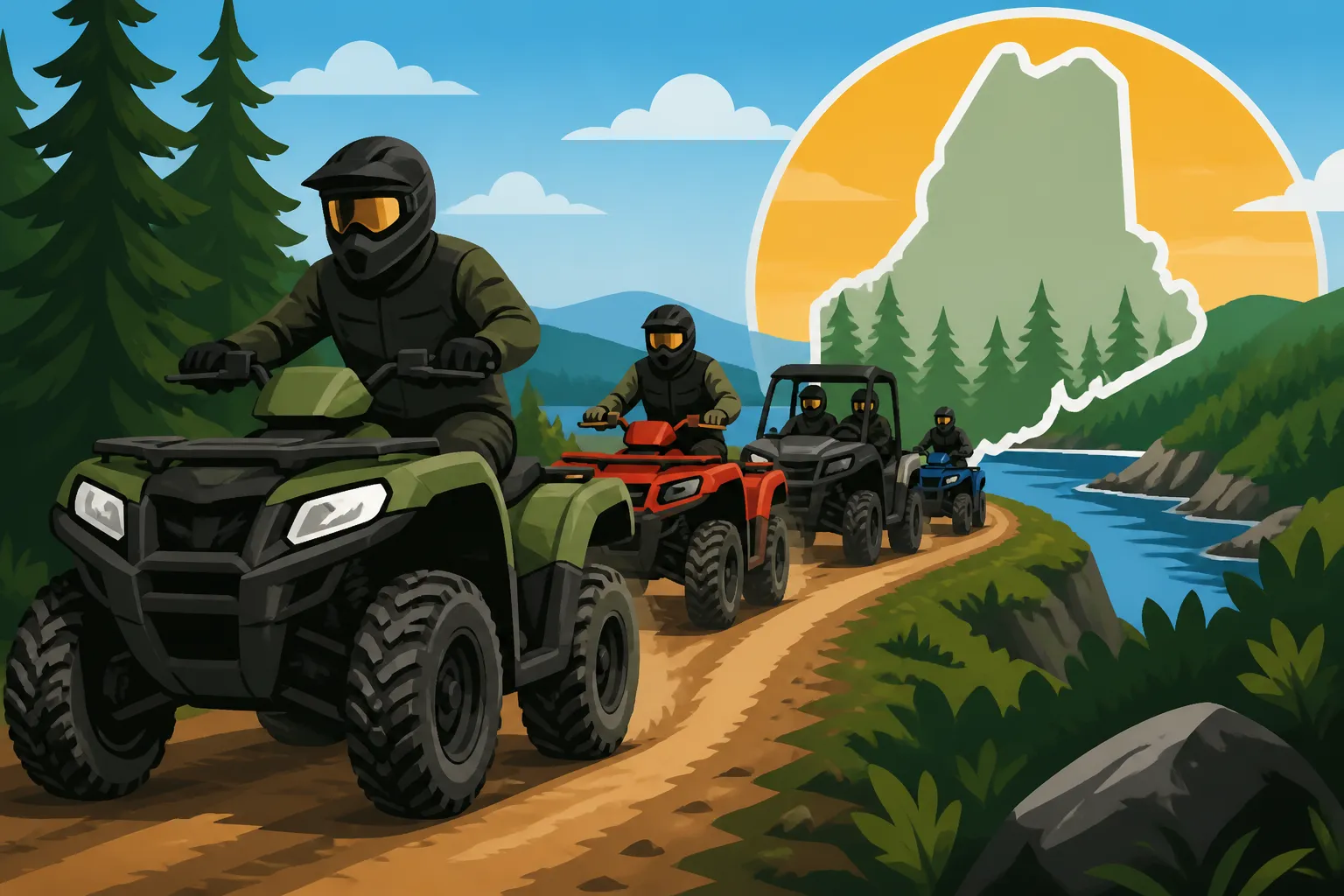
Imagine a blind corner on a winding woods trail, or cresting a small hill. If your group is spread out across the trail, two or three machines wide, you dramatically increase the risk of a head-on collision with oncoming traffic – whether that’s another ATV, a hiker, a cyclist, or even a logging truck on a private woods road. When you ride single file, you keep to one side of the trail or road, leaving space for others. It’s about predictability; other trail users expect you to stay in your lane, so to speak. This isn't just about preventing crashes with other vehicles; it also minimizes the chances of your own group members colliding with each other if someone has to stop suddenly or swerve to avoid an obstacle. A tighter formation also makes it easier for everyone to see the rider in front of them, reacting more quickly to changes in speed or direction. You want to enjoy the ride, not spend it worrying about a pile-up.
Respecting Trail Integrity and Width
Maine's ATV trails are a treasure, but they require constant maintenance and respect from riders. Many trails are designed for single-width passage, especially through tighter wooded sections or over bog bridges. If your group spreads out, you’re often inadvertently widening the trail, pushing into vegetation, or creating new ruts where they shouldn’t be. This causes erosion, damages the natural habitat, and increases the workload for the dedicated ATV clubs that maintain these paths. [Maine ATV Club Membership and Dues] go directly to supporting this kind of trail work, and a big part of that is repairing damage caused by improper riding. By sticking to single file, you help preserve the designated trail corridor, ensuring the trails remain sustainable and enjoyable for years to come. It’s a sign of respect for the land and for all the volunteers who pour their time and effort into keeping our trails open.
Minimizing Environmental Impact
Beyond just the physical trail, riding single file also plays a role in minimizing your overall environmental footprint. When machines spread out, they can compact soil over a wider area, damage sensitive plants, and disrupt wildlife more broadly. This is particularly important in wetland areas, near stream crossings, or when traversing delicate ecosystems. Think of it this way: a narrow, well-defined path has less impact than a wide, disturbed swath. Maine is renowned for its natural beauty, and as ATV enthusiasts, we have a responsibility to protect it. By riding single file, especially in ecologically sensitive areas, we help ensure that the unique flora and fauna of Maine can thrive alongside our recreational pursuits. It’s about being a good steward of the land, something every responsible rider takes seriously.
Maine's Specific Rules on Group Riding Formations
While much of riding single file comes down to common sense and good etiquette, Maine does have specific regulations, especially when ATV trails intersect with or utilize public roads. Knowing these rules is absolutely essential to avoid fines and ensure your safety and the safety of others.
The "Extreme Right" Rule on Public Ways
This is one of the most critical rules for ATV riders in Maine, and it directly relates to riding single file. When you're operating an ATV or UTV on a public way that's been designated as an ATV access route – perhaps a dirt road connecting two trail sections or a paved stretch to get to a gas station – you are legally required to operate "as far to the extreme right of the traveled way as conditions permit." This isn't just a suggestion; it’s the law. This means your entire group must remain in single file, hugging the right edge of the road. You cannot ride side-by-side, even if the road seems wide enough. The intent is clear: to minimize your footprint on the road, leave ample space for other vehicles (cars, trucks, bicycles), and make your presence predictable and safe. Ignoring this rule can lead to significant fines and dangerous situations, not just for your group but for everyone else on the road. You can find more details in [Maine ATV Road Rules for Young Riders] if you have youth in your group, as the supervision rules are also crucial here.
Understanding Trail Etiquette vs. Legal Mandates
It’s important to distinguish between what the law requires and what good trail etiquette recommends. On many dedicated, off-road ATV trails that don't cross public ways, there might not be a specific state law mandating single file for every single inch of the trail. However, riding single file is still overwhelmingly the best practice due to safety, trail integrity, and environmental reasons we just discussed. Trail clubs often enforce this through signage and their own rules. When you’re on a private woods road or a multi-use trail, you might encounter other vehicles like logging trucks, hikers, or mountain bikers. In these scenarios, riding single file gives everyone more space and reduces conflict. So, while the "extreme right" rule is a clear legal mandate for public ways, single file is the gold standard for responsible riding on all trails. [Maine Landowner Permission Rules] are critical here, as maintaining good relationships with landowners often means respecting their property by adhering to best practices like single file riding.
Penalties for Violating Formation Rules
Operating an ATV or UTV in Maine comes with responsibilities, and the Maine Warden Service takes violations seriously. If you're caught riding side-by-side on a public way where the "extreme right" rule applies, you could face a citation. Fines can vary, but they are certainly not a pleasant addition to your day of riding. Beyond monetary penalties, repeated or egregious violations can lead to a loss of riding privileges or even stricter regulations being imposed on ATV use in certain areas – something no one wants. [Penalties for Riding an Unregistered ATV in Maine] is a related topic, emphasizing that wardens are on the lookout for all kinds of compliance. The wardens also conduct [Maine Warden Service ATV Checkpoints] regularly, where they’ll be checking for registration, helmets (for youth), and proper operation, including adherence to road rules. It’s always best to err on the side of caution, follow the rules, and demonstrate that ATV riders are responsible and respectful users of Maine's diverse landscapes.
Practical Tips for Maintaining Single File Formations
Riding single file effectively in a group isn't always intuitive, especially with varying skill levels and terrain. It takes communication, discipline, and a little planning. Here are some practical tips to make sure your group stays together and stays safe.
Communication and Hand Signals in Group Rides
Clear communication is the backbone of any successful group ride. Before you even hit the trail, have a quick huddle and agree on a set of hand signals. These can include:
- Stop: Left arm out, bent at the elbow, hand open palm facing forward (like you’re signaling to stop traffic).
- Slow Down: Left arm out, palm down, moving arm up and down.
- Turn Right/Left: Extend the corresponding arm straight out.
- Obstacle Ahead: Left arm out, index finger pointing up, then pointing towards the ground where the obstacle is.
- Single File: Left arm raised, index finger pointing straight up.
The lead rider should always be communicating what’s ahead – upcoming turns, slow sections, hazards, or when it's time to go from a staggered formation (if permitted and safe on wide trails) to strict single file for a road crossing or tight section. It’s also important to "pass back" signals; the rider behind the leader should repeat the signal so it travels down the line, ensuring everyone gets the message. This prevents sudden stops or unexpected maneuvers that can lead to crashes. Consider investing in helmet-to-helmet communicators for at least the lead and sweep riders, especially for larger groups or longer trips where verbal commands are impossible.
Managing Different Skill Levels and Machine Types
Not everyone in your group will be an expert rider, and not every machine will handle the same. This is where strategic planning comes in.
- Lead Rider: This should be your most experienced and responsible rider, someone who knows the trails well and sets a consistent, safe pace. They are the eyes of the group.
- Middle Riders: Place less experienced riders or those with less powerful machines in the middle of the pack, where they can be observed and supported.
- Sweep Rider: Your second most experienced rider should take the rear. Their job is to ensure no one gets left behind, assist with any issues (flats, mechanical problems), and carry a first-aid kit and basic tools. They are the guardian of the group.
If you have a mix of ATVs and UTVs, remember that UTVs are wider and might struggle in very tight sections where ATVs can easily pass. Plan your route accordingly. When riding on public ways, ensure the pace is manageable for the slowest machine and rider, and everyone adheres strictly to the single-file, extreme-right rule. This might mean adjusting your route to avoid overly challenging sections for certain riders, or simply allowing for more time. [Maine ATV Safety Course Requirements] is a great resource for new riders to build their skills before joining group rides.
Dealing with Obstacles and Challenging Terrain
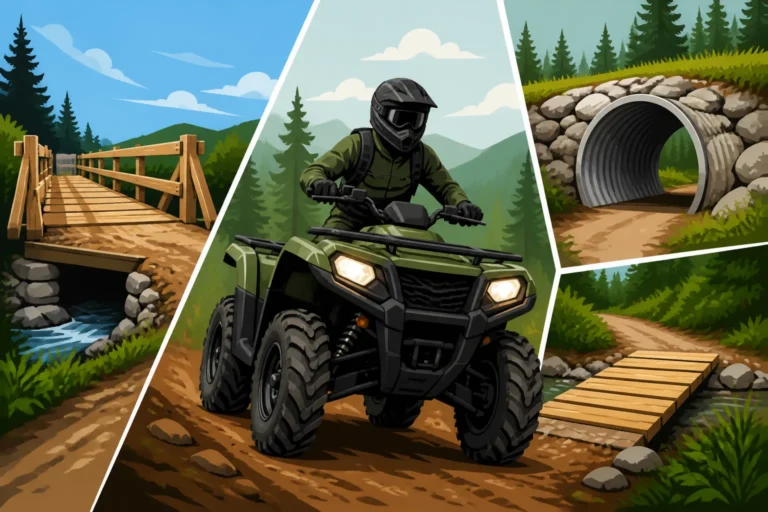
Even on well-maintained trails, you'll encounter obstacles: fallen trees, muddy sections, rocky climbs, or stream crossings. When these arise, maintaining single file becomes even more important.
- Assess and Communicate: The lead rider should stop, assess the obstacle, and clearly communicate the best line or strategy to the rest of the group.
- One at a Time: Have each rider tackle the obstacle one at a time, allowing enough space for the person in front to clear it safely before the next rider proceeds. This prevents bottlenecks and ensures help can be rendered if someone gets stuck.
- Spotting: For particularly tricky sections, the lead or sweep rider might dismount and spot other riders through, guiding them over or around the obstacle.
- Mud Pits: Never enter a mud pit without knowing its depth or having a clear exit strategy. And always go through one at a time. Trying to ride side-by-side through a mud pit is a recipe for getting stuck or causing damage.
By being methodical and communicating effectively, you can navigate even the toughest sections while keeping your group in a safe, single-file formation.
Equipping Your Machine and Yourself for Group Safety
Preparation is key for any ATV or UTV adventure, and group rides demand a little extra thought when it comes to gear. Having the right equipment for both you and your machine can significantly enhance safety, especially when riding in a formation.
Visibility: Lights, Flags, and Reflective Gear
When riding in a group, especially on public ways or in low-light conditions, being seen is paramount.
- Headlights and Taillights: Ensure all machines have functional headlights and taillights, even during the day. This is a legal requirement on public ways and good practice everywhere else. [Maine Lighting Requirements for Night Riding] covers specifics, but it's wise to have them on at all times in a group.
- Whips and Flags: While not always legally mandated in Maine (though some states require them for dune riding, for example), a tall whip flag can greatly increase your visibility, especially for the last rider in a long group, or when riding over rolling terrain where riders might dip out of sight. It tells oncoming traffic there's another machine behind the one they just saw.
- Reflective Gear: Riders should consider wearing reflective elements on their helmets, jackets, or vests. This is crucial if your ride extends into dusk or night, helping your group members and other users spot you.
Essential Gear for Every Rider
Beyond the machine, every individual rider should be equipped.
- Helmets: Maine law requires all riders under 18 to wear a helmet, and while adults aren't mandated to, it's highly recommended for everyone. Choose a DOT-approved helmet for maximum protection. [Maine Helmet Rules for Riders Under 18] provides specific details for youth.
- Eye Protection: Goggles or a face shield are a must to protect against dust, branches, and debris.
- Appropriate Clothing: Long pants, long sleeves, sturdy boots, and gloves offer protection against scrapes, sun, and cold. Layering is always a good idea in Maine’s unpredictable weather.
- Basic Repair Kit: Each machine, or at least one in the group, should carry a basic toolkit: tire repair kit, air pump, small shovel, zip ties, duct tape.
- First Aid Kit: A well-stocked first aid kit is non-negotiable for any group ride.
- Navigation: A GPS device, paper maps (even if you have GPS), and a compass are essential, especially in Maine's vast backcountry where cell service is spotty. [Navigating Trails Without Cell Service] is a topic every Maine rider should consider.
Enhancing Your ATV or UTV for Group Rides
Certain aftermarket accessories can make group riding safer and more efficient.
- Winches: Having a winch on at least one machine in the group (preferably the lead or sweep) is invaluable for self-recovery or helping a fellow rider out of a sticky situation. You never know when someone might get stuck in a muddy section or need to move a large fallen branch.
- Storage: Extra storage solutions like cargo boxes or racks are great for carrying group gear – extra fuel, water, first aid, tools, and personal belongings.
- Protection: Skid plates, A-arm guards, and brush guards from companies like SuperATV can protect your machine from rocks and stumps, reducing the chance of a mechanical breakdown that could delay or jeopardize the entire group. When you're riding in a line, you're not always picking your own exact path, so having that extra protection is a smart move. SuperATV also offers things like heavy-duty axles and lift kits that can improve ground clearance, making it easier to navigate obstacles without bottoming out, which is a common issue when following a leader through rough terrain. Having reliable parts means fewer delays and a smoother, safer group experience.
- Spare Parts: Depending on the length and remoteness of your trip, consider carrying a spare belt, extra spark plugs, or other common failure items.
By taking the time to properly equip both yourselves and your machines, your group will be better prepared for whatever the Maine trails throw your way, allowing you to focus on the enjoyment of the ride rather than potential hazards or breakdowns.
| Aspect of Single File Riding | Why It Matters | Key Action Items |
|---|---|---|
| Safety | Reduces risk of head-on collisions with oncoming traffic or group members. Ensures predictability for other trail users. | Maintain adequate following distance. Use clear hand signals. Designate a responsible lead and sweep rider. Slow down around blind corners and crests. |
| Trail Integrity | Prevents trail widening, excessive erosion, and damage to vegetation. Preserves the designated trail corridor. | Stick to the existing trail path. Avoid riding off-trail. Be mindful of fragile ecosystems, especially wetlands and stream crossings. |
| Environmental Impact | Minimizes disturbance to wildlife and delicate habitats. Reduces overall footprint on natural landscapes. | Stay on marked trails. Avoid unnecessary maneuvers that damage surrounding areas. Practice Leave No Trace principles. |
| Legal Compliance | Adherence to Maine's "extreme right" rule on designated public ways. Avoids fines and potential loss of trail access. | Always ride single file on the far right of public roads. Understand the difference between legal mandates and trail etiquette. Be prepared for warden checks. |
| Group Dynamics | Facilitates communication, accommodates varying skill levels, and manages obstacles effectively. | Establish a communication plan. Position riders based on skill. Tackle obstacles one at a time with clear instructions from the lead. |
Disclaimer
This article is for general informational purposes only and does not constitute professional advice. Laws, prices and regulations vary by location and change over time. Consult a qualified professional for guidance on your specific situation.