Maine ATV Rules on Snowmobile Trails
It can be incredibly frustrating to roll into a new area of Maine, excited to explore on your ATV, only to discover that the gorgeous, winding trail you've been eyeing is strictly for snowmobiles. Many riders make the understandable assumption that if a trail is open for one type of off-road vehicle, it should be open for another, leading to confusion, disappointment, and sometimes even costly fines. This comprehensive guide will unravel the specific rules and regulations governing ATV use on Maine's vast snowmobile trail network, helping you understand where you can legally ride, what the potential pitfalls are, and how to enjoy our beautiful state responsibly without risking a citation or damaging vital trail infrastructure.
The Core Rule: Segregation of Trails
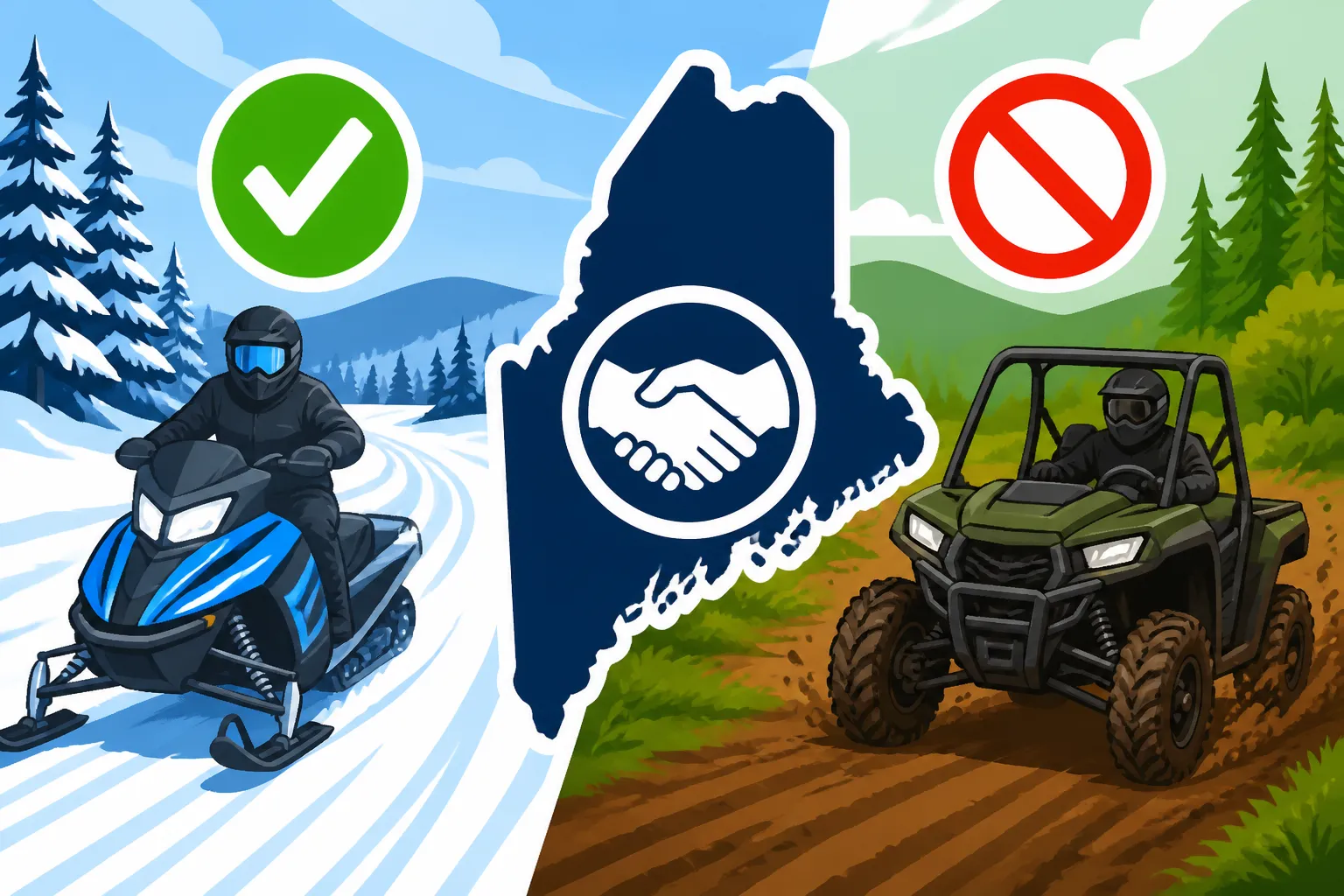
Maine's extensive network of recreational trails is a point of pride, but it's also a complex system with specific rules designed to ensure safety, minimize environmental impact, and maintain positive relationships with landowners. One of the most critical distinctions for ATV riders to understand is the general separation between designated ATV trails and designated snowmobile trails. It's not just a suggestion; it's a fundamental operating principle for trail systems across the state.
Why Snowmobile Trails Are Primarily for Snowmobiles
The reason behind this segregation isn't arbitrary; it's deeply rooted in the practicalities of trail maintenance, funding, and the unique physics of each machine. Snowmobile trails are meticulously groomed during the winter months, often by dedicated volunteers from local snowmobile clubs. These clubs pour countless hours and significant financial resources into maintaining a smooth, consistent snow base, clearing fallen trees, and repairing culverts and bridges specifically for snowmobile traffic. An ATV, with its heavy, knobby tires, can quickly chew through a carefully packed snowmobile trail, especially when the snow is softer or the base is still developing. Imagine someone driving a bulldozer over your freshly mown lawn; that's the kind of impact an ATV can have on a groomed snowmobile trail. This damage not only ruins the riding experience for snowmobilers but also forces volunteers to re-groom sections, wasting precious time and fuel.
Furthermore, the funding mechanisms for these trails are often distinct. Snowmobile registrations and club dues primarily support snowmobile trail maintenance, while ATV registrations, like those discussed in [Where Maine ATV Registration Money Goes], contribute to the ATV trail fund. Mixing these uses without proper oversight can strain resources and create conflicts among user groups. While there are a few exceptions, like [Maine Snowmobile and ATV Shared Road Corridors] which are typically roads, the vast majority of trails built and maintained for snowmobiles are simply not designed to withstand ATV use during the winter months.
The Legal Framework Behind the Prohibition
Maine state law is quite clear on the matter: operating an ATV on a designated snowmobile trail, unless specifically authorized and marked as a multi-use trail, is generally prohibited. The Maine Department of Inland Fisheries & Wildlife (IF&W) and the Bureau of Parks and Lands (BPL) oversee these regulations, working in conjunction with local trail clubs and landowners. These laws are in place to protect the trails, prevent property damage, and ensure the safety of all recreational users. The legal framework isn't just about fines; it's also about respecting the private property agreements that underpin most of Maine's trail system. Many trails cross private land, and landowners grant permission specifically for snowmobile use, not ATVs. Violating these agreements, even unintentionally, can lead to landowners withdrawing their permission, resulting in the permanent closure of cherished trail sections for everyone. This is a very real and constant threat to Maine's extensive trail network, highlighting why adherence to trail designations is so crucial for long-term access.
Exceptions and Designated Shared Use Areas
While the general rule is clear, it's important to understand that Maine's trail system isn't entirely black and white. There are specific instances and designated areas where ATVs and snowmobiles do share paths, but these are always clearly marked and specifically authorized. This distinction is vital for riders to grasp, as confusion often arises from observing others on what appears to be a snowmobile trail.
Roads That Serve as Connectors for Both
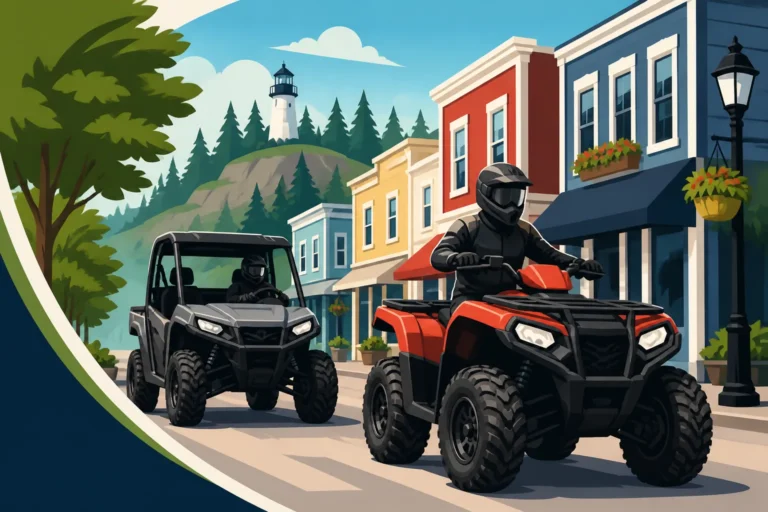
One of the most common scenarios where ATVs and snowmobiles share pathways is on public roads, private camp roads, and certain logging roads. These are not typically the narrow, winding trails groomed specifically for snowmobiles but rather existing roadways that serve as crucial connectors between trail systems. Maine municipalities have the authority to designate these roads, or sections of them, as shared-use corridors, often to allow riders to access trailheads, fuel stops, or local businesses. You'll recognize these areas by specific signage indicating that both ATVs and snowmobiles are permitted. These signs are critical, as they transform a general road into an official part of the recreational trail network for both types of machines. Without such signage, standard road rules and ATV operating laws apply, which might include speed limits and restrictions on operation near dwellings.
These shared road corridors are distinct from the dedicated, groomed snowmobile trails. They are built for heavier vehicle traffic and are typically maintained by municipal road crews or private landowners rather than snowmobile clubs. Riders should always be on the lookout for [Maine ATV-Access Routes and How Towns Post Them] to ensure they are legally operating their machine on a shared path. It's a fundamental difference: you're riding on a road that also allows trail vehicles, not a purpose-built snowmobile trail.
Specific Trails Permitting ATV Use (The Exceptions)
While rare, there are instances where a section of what might otherwise be considered a "snowmobile trail" is explicitly opened for ATV use. This typically occurs in shoulder seasons, often in the spring or fall, and nearly always involves specific sections of trail that are not heavily groomed for snowmobiles or where the underlying surface can withstand ATV traffic. These are not common occurrences, and they are always designated with clear, unambiguous signage or explicit announcements from the local snowmobile and ATV clubs. It's never safe to assume that because a trail looks like it could handle an ATV, it's open for one.
The absolute best way to determine if one of these rare exceptions applies is to consult local ATV club maps, websites, and official announcements from the Maine Bureau of Parks and Lands. For instance, some segments of former rail beds, which are wider and have a more robust base, might be designated as multi-use. You might find some of these specific opportunities highlighted in resources like [Snowmobile Trails That Allow ATVs in Maine], but it's crucial to verify the current status. These designated shared-use trails are usually maintained by ATV clubs or through collaborative efforts, and the rules about what machines can use them and when are strictly enforced. Remember, even if a trail might be open to ATVs at certain times, those rules can change rapidly due to weather, landowner concerns, or maintenance schedules, so always check before you ride.
Consequences of Illegal Use and Responsible Riding
Riding an ATV on a designated snowmobile-only trail isn't just a minor infraction; it carries significant consequences that can impact individual riders, the wider ATV community, and the very future of trail access in Maine. Understanding these repercussions is key to promoting responsible riding habits and preserving the recreational opportunities we all cherish.
Penalties for Riding an ATV on a Snowmobile-Only Trail
The Maine Warden Service is tasked with enforcing recreational vehicle laws, and they take violations seriously. If you're caught operating an ATV on a trail clearly marked or designated for snowmobiles only, you could face fines. These penalties can add up quickly, especially if multiple infractions are noted. Beyond financial costs, repeated or egregious violations can lead to more severe consequences, potentially including the suspension or revocation of your ATV registration, as outlined in the spirit of regulations like [Penalties for Riding an Unregistered ATV in Maine]. Imagine having your machine impounded or being barred from riding for a season—that's a serious impact on your recreational enjoyment.
However, the legal penalties are only part of the story. There's also the severe impact on landowner relations. A vast majority of Maine's trail system, for both ATVs and snowmobiles, exists because generous private landowners grant permission for public use. When riders disregard trail designations, they erode trust and give landowners reason to reconsider their agreements. This can lead to the closure of entire sections of trail, sometimes permanently, for everyone. The long-term damage to [Landowner Relations on Maine ATV Trails] is perhaps the most significant consequence, as once permission is lost, it's incredibly difficult, if not impossible, to regain. It only takes a few irresponsible riders to spoil access for thousands.
Supporting Trail Systems and Maintaining Access
Responsible riding is about more than just avoiding fines; it's about actively contributing to the health and longevity of Maine's trail systems. The best way to ensure continued access is to respect all trail designations, whether they are for ATVs, snowmobiles, or multi-use. This means adhering to posted signs, staying on marked trails, and understanding that each trail type has its own funding, maintenance, and community.
A crucial way to support the trail network is by joining local ATV clubs. These clubs are the backbone of Maine's trail system, volunteering countless hours to build, maintain, and advocate for ATV trails. Your membership dues and volunteer efforts directly contribute to new trail development, bridge repairs, and brush clearing. By focusing your riding on designated ATV trails and supporting the clubs that maintain them, you're helping to ensure that the sport continues to thrive. Moreover, being an informed rider who utilizes resources like [Maine ATV Trail Maps and Club Boundaries] and adheres to the rules set forth by the Bureau of Parks and Lands (BPL) and IF&W helps foster a positive image for the ATV community. When you respect the system, everyone benefits. If you're looking to maintain your machine for rigorous trail use, investing in durable parts and accessories from reputable brands can help ensure your ride is always ready for legal trails.
Practical Guidance for ATV Riders
Navigating Maine's vast and interconnected trail systems requires more than just a sense of adventure; it demands a commitment to being an informed and prepared rider. Understanding the practical steps you can take will not only keep you safe and legal but will also contribute to the overall health and sustainability of our cherished trails.
How to Determine if a Trail is Open to ATVs
The most crucial step before heading out is to definitively determine if the trail you intend to ride is actually open and legal for ATVs. Never assume, and never simply follow tracks that might lead you onto a prohibited trail. Here's how to be sure:
- Check Official Sources: Always consult the Maine Bureau of Parks and Lands (BPL) website, which often provides general trail status updates.
- Contact Local ATV Clubs: This is arguably the best source of real-time, hyper-local information. Local clubs are responsible for maintaining and knowing the conditions of their trails. Many clubs maintain websites or Facebook pages with current trail statuses, specific closure notices, and maps. They can confirm whether a trail is shared-use or strictly for one type of machine.
- Consult Current Trail Maps: Always use the most up-to-date trail maps. These maps clearly designate ATV-only trails, snowmobile-only trails, and any multi-use corridors. Often, these maps are available from local clubs or tourism offices. Be wary of old maps, as trail designations can change.
- Look for Signage: When you're on the trail, pay close attention to all posted signs. Explicit signage indicating "ATV Trail," "Snowmobile Trail," or "Multi-Use" is your final confirmation. Absence of an ATV sign on what looks like a snowmobile trail usually means it's off-limits to ATVs. This is especially important during transitional seasons; always check for [Maine Trail Openings and Mud Season] announcements, as trails can open and close based on conditions.
By taking these steps, you're not only protecting yourself from potential fines under [Maine Trespass Law for ATV Riders] but also showing respect for the hard work of trail volunteers and the generosity of landowners.
Essential Gear and Preparedness for Maine Trails
Once you've confirmed your route, preparing yourself and your machine for the ride is paramount. Maine's backcountry can be rugged and remote, and being ill-prepared can quickly turn an enjoyable outing into a difficult situation.
- Safety Gear: A DOT-approved helmet is legally required for riders under 18 in Maine, as highlighted by [Maine Helmet Rules for Riders Under 18], but it’s a smart choice for all riders, regardless of age. Eye protection, gloves, and sturdy footwear are also essential.
- Machine Maintenance: Ensure your ATV or UTV is in top working order. Check tires, brakes, oil, and fuel levels. A breakdown deep in the woods is no fun. Many riders choose to upgrade their machines with robust aftermarket components from brands like SuperATV to enhance durability and performance, especially for challenging Maine trails. From suspension upgrades to reinforced winches, having reliable parts can make a huge difference in handling diverse terrain and avoiding trailside mechanical issues.
- Navigation Tools: Carry a physical map, a compass, and a GPS device (like a dedicated trail GPS or a smartphone with downloaded maps, as cell service can be spotty). Relying solely on your phone is risky. Check [Checking Maine Trail Status Before You Drive] to grab the latest trail data for your GPS.
- Emergency Kit: Pack a small first-aid kit, basic tools for minor repairs, a tire repair kit, a small air pump, a tow rope, and a headlamp. A fully charged cell phone (for emergencies in areas with service) and a satellite messenger for truly remote areas are also excellent ideas.
- Water and Snacks: Stay hydrated and energized, especially on longer rides.
- Proof of Registration: Always carry your ATV registration. It's not just required by law; it's essential if you encounter a warden. Ensure your registration is current and visible, as explained in articles about [What It Takes to Register an ATV in Maine].
- ATV Safety Course Certificate: If you're between 10 and 16 years old, you'll need a valid ATV safety course certificate. Even if you're over 16, taking a [Maine ATV Safety Course Requirements] can significantly enhance your riding skills and safety awareness.
Being well-prepared allows you to focus on the beauty of Maine's wilderness and enjoy your ride, knowing you're ready for whatever the trail throws your way, all while respecting the rules that keep these incredible resources open for everyone.
| Trail Type | ATV Use Allowed? | Primary User Group | Typical Funding Source | Key Identifying Features | Potential Consequences of Misuse (for ATVs) |
|---|---|---|---|---|---|
| Snowmobile-Only Trail | No (Generally) | Snowmobilers | Snowmobile registrations/clubs | Groomed snow base (winter), narrow, winding | Fines, impoundment, loss of registration, landowner closures |
| Designated ATV Trail | Yes | ATV Riders | ATV registrations/clubs | Wider, maintained for ATV traffic, clearly marked | Fines if unregistered, landowner issues if abused |
| Shared-Use Road Corridor | Yes (If Designated) | ATVs, Snowmobiles, Vehicles | Municipal/Private road funding | Public roads, private camp roads, logging roads, signage | Standard traffic laws apply, fines if unregistered |
| Specific Multi-Use Trail | Yes (If Explicitly Marked) | ATVs, Snowmobiles | Collaborative/Specific grants | Varies, but always clear, explicit signage | Fines, landowner closures if rules ignored |
Disclaimer
This article is for general informational purposes only and does not constitute professional advice. Laws, prices and regulations vary by location and change over time. Consult a qualified professional for guidance on your specific situation.