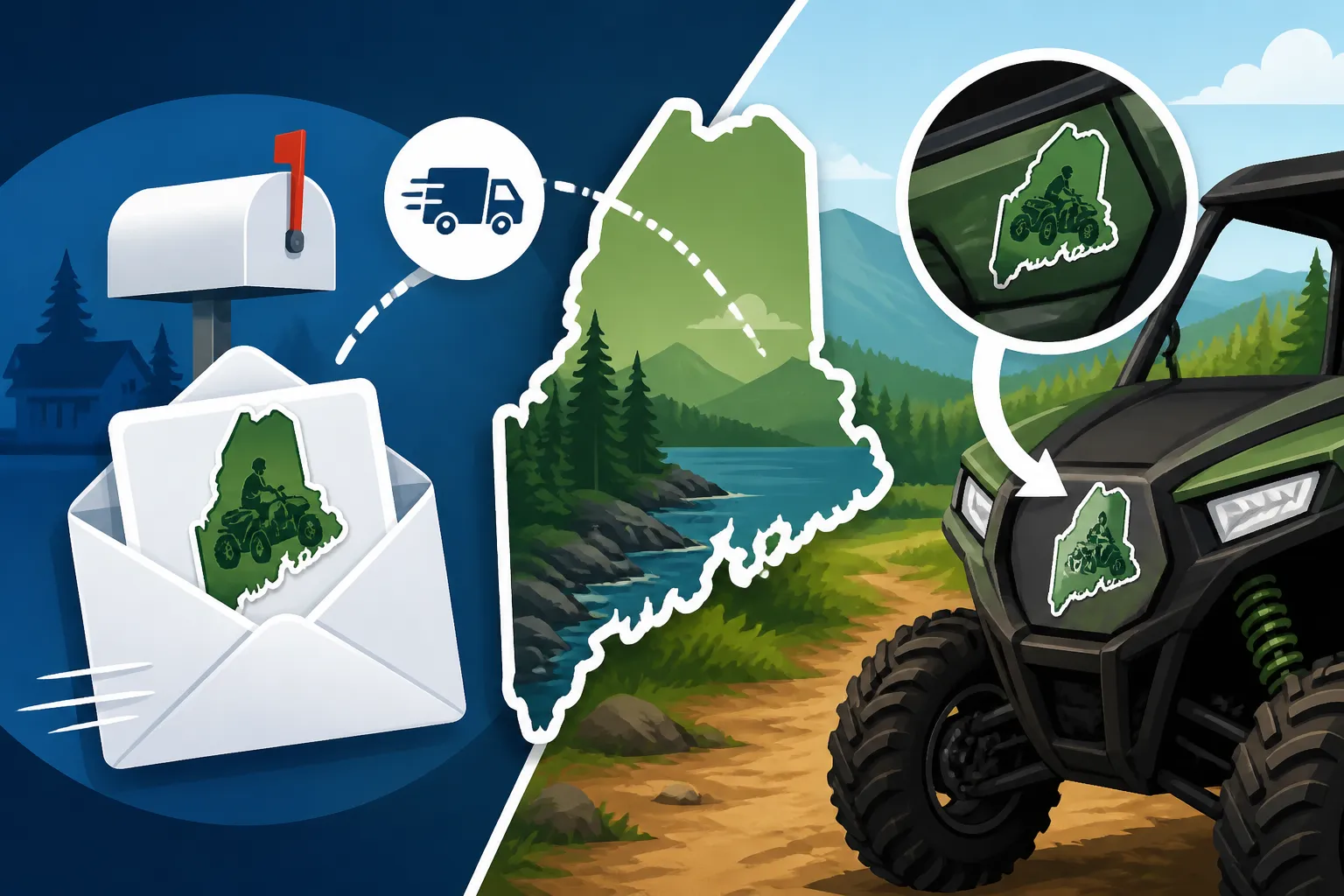
Where Maine ATV Stickers Go and When They Arrive
We've all been there: you've finally registered your ATV, the excitement is building to hit the trails, but then you're stuck in that limbo, wondering, "When will those stickers actually show up, and where on earth do they even go?" It's a common frustration, especially when you just want to get out and ride. This comprehensive guide is here to demystify the entire process, walking you through everything from the moment you click 'submit' on your registration to the satisfying placement of your new Maine ATV decals, ensuring you're ready and legal for adventure.
Understanding the Maine ATV Registration Sticker System
Getting your ATV or UTV registered in Maine is more than just paying a fee; it's about becoming a part of the vast network of trails and the community that maintains them. The physical registration stickers are a critical component of this system, serving multiple purposes for both the rider and the state. Understanding why they exist and how they function is the first step toward hassle-free riding.
What Exactly Are These Stickers For?
Beyond just a pretty graphic, these stickers are your official badge of legality on Maine's vast trail network. They're a visual testament that your ATV or UTV has been properly registered with the Maine Department of Inland Fisheries & Wildlife (IF&W), contributing to the upkeep of the very trails you love to ride. Think of it like a vehicle inspection sticker, but for the woods – a quick glance tells a game warden that you've done your part.
Without these current, valid decals properly displayed, you could face fines for operating an unregistered machine, even if you’ve paid all the fees. The sticker is the public-facing proof that your registration is active and that your machine is permitted on designated ATV trails and access routes across the state. It's not just a suggestion; it's a critical legal requirement for anyone venturing off private property, whether you're heading out for a day trip or simply crossing a public way.
These unique stickers display your machine's registration number and the expiration year, making it easy for officials to identify your ATV and verify its status. This system helps maintain accountability, safety, and funding for the extensive trail system that makes Maine such a premier destination for off-road enthusiasts. It’s all part of the larger framework designed to keep our wild spaces accessible and well-managed for everyone, ensuring that every rider contributes to the health of the trails.
Distinguishing Between Annual and Temporary Decals
When you register your ATV or UTV in Maine, you'll primarily be dealing with annual registration stickers. These are typically brightly colored, with the current year prominently displayed, and are valid from July 1st through June 30th of the following year. They're designed for the long haul, meant to withstand the elements, and serve as your year-round permission slip for hitting the trails. These are the main decals you'll be waiting for in the mail after a successful registration, symbolizing a full year of trail access.
However, Maine also has provisions for temporary proof of registration. While not a "sticker" in the physical sense, the confirmation page you receive immediately after an online registration acts as your temporary permit to ride. This is crucial for those spur-of-the-moment weekend trips or if you register mid-season and don't want to wait for the physical decals. It serves the same legal function as the sticker for a limited time, usually until your permanent decals arrive, giving you peace of mind that you can legally ride from the moment you register.
For non-residents, there are specific registration options like the [Maine Non-Resident Seven-Day ATV Registration] or the [Maine Non-Resident Annual ATV Registration]. While the seven-day option doesn't typically involve a physical sticker mailed to you (you rely on your printed confirmation), the annual non-resident registration will still result in a physical decal arriving in the mail, just like a resident's annual registration. Always make sure you understand which type of proof you need based on your registration choice, and keep it accessible when you're out on the trails.
Why Maine Uses Stickers Instead of Plates
Unlike cars, which sport large, reflective license plates for easy identification on public roads, ATVs and UTVs in Maine utilize a sticker system. This isn't just a random choice; it's a practical decision based on the environments these machines operate in. ATVs are constantly exposed to mud, water, branches, and rough terrain, which can quickly damage or obscure a traditional metal plate. A durable, adhesive sticker, designed to cling tightly to the machine's body, proves much more resilient to the abuse of off-road riding.
The placement of a small decal also provides greater flexibility on the machine itself. ATVs often have limited flat surfaces that aren't already covered by fenders, lights, or other components. A sticker can be placed on a fender or cowl where it's visible but less prone to being ripped off or bent. This design choice optimizes visibility while minimizing the risk of damage, ensuring the registration is always legible for wardens and other trail users, even after a particularly gnarly section of trail.
Furthermore, the sticker system is streamlined for the annual renewal process. It's much simpler and more cost-effective to mail out new adhesive decals each year than to issue and track metal plates, especially given the sheer volume of ATV registrations in Maine. This efficiency benefits both the state's administrative operations and the riders themselves, making the process of staying legal as straightforward as possible and ensuring that resources are focused on trail maintenance rather than administrative overhead.
The Journey of Your ATV Stickers: From Application to Arrival
The anticipation of receiving your ATV stickers in the mail can be agonizing, especially when the trails are calling your name. Knowing the typical process, from the moment you hit 'submit' on your online registration to the day the envelope lands in your mailbox, can help manage expectations. While the system is designed for efficiency, certain factors can influence how quickly those coveted decals arrive.
The Online Application Process: What Triggers the Mail
When you choose to register your ATV or UTV online through the Maine Department of Inland Fisheries & Wildlife (IF&W) website, you’re setting in motion a specific sequence of events that leads to your stickers arriving in your mailbox. After you've successfully navigated the [Maine IF&W Online Registration Walkthrough], filled out all the necessary information, and processed your payment, the system generates an immediate confirmation. This digital receipt is your first crucial piece of documentation, proving your registration is complete.
This confirmation serves as your temporary authorization to ride. It usually contains your registration number and other vital details that can be presented to a warden if needed. Simultaneously, your completed registration information is sent to a processing center where the physical stickers are printed and prepared for mailing. This isn’t an instantaneous process; there’s a small lag between your digital submission and the physical decals being dispatched, as it needs to go through printing and packaging.
What happens behind the scenes is that your data enters a queue. Once printed, the stickers are packaged, often with an accompanying official registration card, and then handed over to the postal service. The efficiency of this process can vary, but generally, the state aims to get these out to riders as quickly as possible so you can stop relying on that temporary printout and proudly display your permanent decals.
[Maine ATV Registration Sticker Delivery Time]
Ah, the age-old question that plagues every excited ATV owner: "How long will it actually take?" In Maine, the typical turnaround time for your physical ATV registration stickers to arrive in the mail after an online registration is usually 7 to 10 business days. This is a general guideline, of course, and can sometimes be a bit faster or, frustratingly, a bit slower, depending on various factors.
During peak seasons, such as right before the trails open in spring (usually around May 1st) or during popular summer months, the processing centers can get swamped with a high volume of registrations. This surge in applications can naturally extend the delivery window, as they work through a backlog. It's much like waiting for any other official document; patience is often a virtue during these busy periods.
It's always a good idea to factor in a little extra time, especially if you have a specific riding trip planned. Don't assume that if you register on a Monday, your stickers will be there by Friday of the same week. Planning ahead by registering a couple of weeks before you absolutely need those physical decals can save you a lot of anxiety and ensure you're fully compliant when you head out, preventing any last-minute scrambles.
Factors That Can Delay Sticker Arrival
While the 7-10 business day window is standard, several factors can throw a wrench into the works and cause unexpected delays. One of the most common culprits is mail service issues. Once the IF&W hands off your stickers to the postal service, it's out of their direct control. Local postal delays, severe weather disruptions, or even misrouted mail can add days or even weeks to the delivery time, which is certainly frustrating when you're just waiting to ride.
Another significant factor is the volume of registrations. As mentioned, peak season registrations (late spring and early summer) mean that the processing queues are longer. If you're registering at the same time as thousands of other eager riders, it naturally takes more time for each individual package to be prepared and mailed out. Registering earlier in the season, or even renewing in the off-season if your current registration is expiring soon, can help you bypass some of these busiest periods and potentially get your stickers faster.
Finally, incorrect or incomplete address information provided during registration can cause significant delays or even lead to your stickers being returned to the sender. Double-check every field when you're filling out your online form, especially your mailing address. An overlooked typo can mean a frustrating wait, followed by the hassle of contacting IF&W to arrange a reshipment, pushing your trail time back even further. It's a small detail that can have a big impact on your delivery time.
Proper Placement: Where to Affix Your Maine ATV Decals
Once those precious stickers finally arrive, the next crucial step is applying them correctly. This isn't just about aesthetics; Maine law dictates specific requirements for decal placement to ensure visibility and compliance. A properly affixed sticker is a clear signal to law enforcement that you're a responsible rider, while an incorrectly placed one could lead to unnecessary scrutiny.
The Official Requirement: Specific Placement Guidelines
It might seem straightforward, but there's a right way and a wrong way to apply your Maine ATV registration stickers. Maine law is quite specific about where these decals need to go to be considered valid and easily verifiable by a game warden. The primary rule is that the sticker must be visibly displayed on the forward half of each side of the machine. This means one sticker on the left side, and one on the right side, both towards the front of the ATV or UTV.
The goal here is unambiguous visibility. Wardens need to be able to quickly see and read your registration number without having to search for it. Placing them on the front fenders, the cowling, or the side panels near the handlebars is generally the accepted practice, as these areas are typically flat and exposed. Avoid placing them underneath seats, on the back fenders, or anywhere they might be obscured by rider gear, mud, or aftermarket accessories that could make them difficult to spot.
While you might be tempted to put them somewhere aesthetically pleasing, remember that functionality and compliance are paramount. Always choose a flat, clean surface that is easily visible from the side. You don't want to get pulled over simply because your sticker is hidden from view, even if it's technically on the machine. Proper placement ensures smooth sailing on the trails and helps avoid unnecessary interactions with law enforcement, allowing you to focus on the ride.
Tips for a Secure and Lasting Application
Getting your stickers to stick and stay stuck, especially through Maine's diverse riding conditions, requires a little preparation. Before you even think about peeling off the backing, make sure the surface where you intend to place the decal is immaculately clean and dry. Any dirt, grease, wax, or moisture will compromise the adhesive and lead to premature peeling, which is a frustration you don't need after all that waiting. Use an automotive-grade degreaser or rubbing alcohol, and then wipe it completely dry with a clean, lint-free cloth.
Temperature also plays a role in proper adhesion. Applying stickers in freezing temperatures or scorching heat isn't ideal, as it can affect the glue's bonding properties. Aim for a moderate temperature – ideally above 50°F (10°C) – so the adhesive can properly bond to the machine's surface. Once the surface is prepped, carefully peel back a small section of the sticker backing, align the decal perfectly, and then slowly smooth it down from one end to the other, using your fingers or a squeegee to push out any air bubbles.
After application, apply firm, even pressure over the entire sticker to ensure maximum adhesion, paying close attention to the edges. You might even want to let the ATV sit for a few hours, or even overnight, before its first ride, especially if it's going to be exposed to water or mud. A little extra care during application can significantly extend the life of your decals and prevent them from peeling off prematurely, saving you the hassle of a replacement. For more ideas on ideal spots, refer to [Where to Stick a Maine ATV Registration Decal].
[Maine ATV Registration Numbers and Where They Go]
Beyond the general placement of the sticker itself, it's worth understanding the role of the registration number. The state-issued registration number is prominently displayed on the sticker, allowing wardens to quickly verify your machine's information. This number is unique to your ATV and is directly linked to your registration record with IF&W, acting as its specific identifier in the system.
The "Where Maine ATV Stickers Go" part often refers to these numbers being clearly visible. Imagine a warden pulling up alongside your machine on a trail or during a routine check. They need to be able to read that number without difficulty. This reinforces why obscured placement or damaged stickers can be problematic; if the number is unreadable, the sticker loses its primary purpose of identification and verification.
Sometimes, riders ask about displaying the actual registration number in a larger format, perhaps like a boat number on the bow. For ATVs and UTVs in Maine, this isn't required. The number on the official decal is sufficient, provided the decal is correctly placed and in good condition. Focusing on keeping those stickers clean, visible, and intact is the best approach to ensure compliance and avoid any confusion with law enforcement.
Common Sticker Woes: Peeling, Fading, and Replacement
Even with the most careful application, ATV registration stickers face a tough life on the trails. Exposure to the elements, rough handling, and even improper storage can lead to premature wear and tear. Dealing with peeling or faded decals is a common frustration for riders, but thankfully, there are processes in place to address these issues and keep you legal.
[Decals That Peel Off in Winter Storage]
It’s a scenario many Maine riders know all too well: you pull your ATV out of storage in the spring, eager for the trails to open, only to find your registration stickers curling at the edges, bubbling, or even completely detached. This common frustration often stems from the environmental conditions during winter storage, particularly the lack of climate control in unheated garages or sheds, which can wreak havoc on adhesives.
When an ATV sits idle for months, especially in an environment with wide temperature swings, the material of the decal and the adhesive expand and contract at different rates from the plastic or metal surface of the machine. This differential movement stresses the bond, leading to peeling and loss of adhesion. Moisture, even subtle condensation, can also seep under weakened edges, further compromising the adhesive and causing the sticker to lift.
To prevent this, ensure your storage area is as stable as possible in terms of temperature and humidity. Before storing, give your ATV a thorough cleaning, especially where the decals are affixed, and perhaps give the stickers a firm rub to re-adhere any edges that might be loosening. If you notice early signs of peeling, sometimes a bit of clear, strong adhesive specifically designed for plastics can help, but often, once it starts, replacement is the best long-term solution to ensure continued compliance.
Dealing with Faded or Damaged Stickers
Maine’s sun, snow, mud, and abrasive trail conditions are tough on everything, including your ATV registration stickers. Over time, exposure to UV rays, harsh cleaning chemicals, and impacts from branches or debris can cause your decals to fade, crack, or become otherwise unreadable. A faded sticker might technically still be attached, but if the registration number or year is illegible, it's essentially as good as missing in the eyes of a game warden, which can lead to complications.
Operating with a damaged or illegible sticker can lead to the same penalties as having an unregistered machine. Wardens need to confirm your registration status quickly and efficiently, and if they can't clearly read the information on your decal, they’ll treat it as a potential violation. This is why it’s critical to regularly inspect your decals as part of your pre-ride checks and general maintenance, not just for damage but for legibility.
If you spot significant fading, tearing, or any damage that compromises readability, it's time to act. Don't wait until you're stopped on the trail. Proactively seeking a replacement will save you potential fines and the hassle of explaining a barely-there sticker to a warden. Your best bet is to replace any sticker that can no longer clearly display its required information, ensuring you always present clear proof of your legal registration.
[Replacing a Damaged Registration Decal]
So, your sticker is beyond saving – perhaps it peeled off, faded into oblivion, or got torn during a particularly enthusiastic mud puddle adventure. Don't fret; replacing a damaged registration decal in Maine is a fairly straightforward process. You'll typically need to contact the Maine IF&W directly. They have procedures in place for issuing duplicate decals, understanding that normal wear and tear happens.
Often, this involves submitting a request, which might include filling out a specific form and paying a small replacement fee. You'll need to provide your existing registration information, such as your current registration number and possibly proof of ownership, to verify your identity as the registered owner. This ensures that replacements are only issued to the legitimate owner of the registered machine, helping to prevent fraud and maintain the integrity of the registration system.
Once your request is processed and any applicable fees are paid, new decals will be mailed to you, following a similar delivery timeline to your initial registration stickers. While you wait for these new decals, remember to carry any proof of your replacement request or your previous registration confirmation. This helps demonstrate to law enforcement that you are actively working to rectify the situation, even if the new stickers haven't physically arrived yet, providing a temporary shield against potential issues.
Riding While You Wait: Navigating the Interim Period
The waiting game for physical stickers can feel like an eternity, especially when the weather is perfect for a ride. Many riders wonder if they can legally hit the trails before their decals arrive. Fortunately, Maine has provisions in place to prevent you from being sidelined, but understanding the nuances of temporary proof is essential to avoid any unwelcome encounters with law enforcement.
[Riding Before Your Stickers Arrive]
This is perhaps one of the most common anxieties for new ATV owners or those who've just renewed: can I legally hit the trails before my physical stickers show up in the mail? The good news for eager riders in Maine is yes, you often can, but with a crucial caveat. Maine law understands that the postal service isn't instantaneous, and they don't want to unnecessarily delay your enjoyment of the trails.
When you register your ATV or UTV online through the IF&W, you immediately receive a confirmation page. This page, whether printed out or displayed digitally on a smartphone or tablet, serves as your temporary proof of registration. This document is legally recognized as valid for immediate operation until your physical decals arrive, which is a huge relief for those who register right before a planned trip.
However, it's vital to ensure this temporary proof is readily accessible while you're riding. Tucking a printout into a waterproof bag or ensuring your phone is charged and protected is essential. Don't rely on simply "knowing" you're registered; you need to be able to show proof if requested by a Maine game warden. Failing to produce proof can quickly turn a pleasant ride into an inconvenient stop.
What to Carry for Proof of Registration
Given the permissibility of riding before your stickers arrive, knowing exactly what counts as valid proof is paramount. Your primary form of temporary proof will be the confirmation page generated by the Maine IF&W online registration system. This page typically includes your machine's details, your name, the registration number, and the expiration date. Print this out and keep it in a secure, waterproof location on your person or on the machine, where it won't get lost or damaged.
Beyond the printout, some riders opt to keep a digital copy on their smartphone or tablet. While generally accepted, remember that cell service can be spotty on remote Maine trails, and battery life can be a concern. A physical copy is always a safer bet, as electronics can fail. In addition to this, always carry a valid form of personal identification, such as your driver's license. This helps wardens verify your identity as the registered owner.
Once your physical registration card and stickers arrive, the printed confirmation becomes less critical, but you should always carry the official registration card that accompanies your stickers. This card is the definitive proof of your active registration. Think of it like your vehicle's registration card – always keep it with you when operating the machine, as it contains all the necessary legal details in a compact format.
Potential Warden Interactions Without Physical Stickers
Encountering a Maine game warden on the trails is a common occurrence; they are out there ensuring everyone is riding safely and legally. If you are operating your ATV or UTV without the physical registration stickers displayed, but with valid temporary proof, a friendly interaction is generally what you can expect, provided you are courteous and cooperative.
The warden will likely approach you and ask to see your registration. This is when you calmly present your printed confirmation page or digital equivalent. They will verify the information against their system or records, making sure the registration number and machine details match. As long as everything checks out and your temporary proof is clearly legible and matches your machine, you should be good to go, perhaps with a friendly reminder to apply your stickers when they arrive.
However, trying to bluff your way through without any proof of current registration is a recipe for trouble. You could face fines for operating an unregistered ATV, which can put a significant damper on your day and your wallet. Always prioritize having valid, accessible proof, whether temporary or permanent, to ensure a smooth and enjoyable experience on Maine's beautiful trails. [Maine ATV Registration Confirmation for Immediate Riding] offers more insights into this specific situation and how to prepare.
Beyond the Sticker: Other Essential ATV Paperwork
While the registration stickers are the most visible component of being legally compliant, they are just one piece of the puzzle. There are other crucial documents every ATV or UTV owner in Maine should be aware of, some to carry on every ride, and others to safeguard at home. Understanding what paperwork you need and when can prevent headaches down the line.
Carrying Your Official Registration Certificate
While the adhesive decals are the visible sign of your ATV's legality, the physical registration certificate is the foundational document. When your stickers arrive in the mail, they are typically accompanied by a small card or paper certificate that mirrors the information on the decals: your name, address, machine description (make, model, VIN), registration number, and expiration date. This is your official proof of registration, and it's essential.
It's important to keep this certificate with you whenever you're operating your ATV. Just like your car's registration, it should be readily available for inspection by law enforcement. Many riders keep it in a waterproof document holder secured to the machine itself, perhaps in a glove box, under a seat, or in a handlebar bag, ensuring it stays dry and isn't easily lost or damaged by trail conditions.
This certificate serves a crucial role if your decals ever get damaged or peel off. It’s the ultimate backup proof that your machine is properly registered. Think of the stickers as the quick visual check and the certificate as the detailed verification that provides all the granular information. Both are vital components of responsible ATV ownership in Maine, providing comprehensive proof of your compliance.
Proof of Ownership: Bill of Sale and Title Considerations
Beyond current registration, being able to prove ownership of your ATV or UTV is also important, particularly during the initial registration process or if there's ever a question of theft or transfer. Maine does not title ATVs in the same way it titles cars, which can sometimes confuse new owners. Therefore, your primary proof of ownership typically comes in the form of a bill of sale.
A well-drafted [Maine ATV Bill of Sale: What to Include] is critical, especially when buying from a private seller. It should clearly state the buyer and seller's names and addresses, the date of sale, the purchase price, and a detailed description of the ATV, including the Vehicle Identification Number (VIN). Using a reliable template, perhaps from a service like LawDepot, can ensure all necessary details are covered and make the process smoother for both parties. When navigating private sales, having solid legal documentation can make all the difference. Websites like LawDepot offer customizable bill of sale templates that can be tailored to Maine's requirements, ensuring you're legally protected. This attention to detail protects both buyer and seller, preventing future disputes.
Keep this bill of sale in a safe place at home, not necessarily on the machine, but accessible should you need it for future registrations, insurance claims, or proving legitimate ownership. While you won't need to carry it daily on the trails, it's perhaps the most important document you possess for your ATV, especially when dealing with [Maine ATV Registration After a Private Sale]. Remember, a comprehensive bill of sale, perhaps drafted using resources from LawDepot, isn't just a formality; it’s your definitive record of ownership, crucial for future registration renewals or if you ever decide to sell the machine yourself.
[Do You Carry Registration Papers While Riding?]
This is a question that often sparks debate among riders: how much paperwork should you actually carry while on the trail? The short answer for Maine is: yes, you should carry your current registration certificate. While wardens primarily look for the stickers, having the official card on hand provides irrefutable proof of your registration status, especially if there's any ambiguity with your physical decals.
The best practice is to keep the registration card in a waterproof pouch that is secured to your ATV, perhaps in a glove box, under a seat, or in a handlebar bag. Some riders prefer to carry it on their person, in a wallet or jacket pocket, to prevent loss if the ATV is damaged or recovered after theft. The key is that it must be immediately accessible if a warden requests it, so they don't have to wait while you dig through your gear.
As for the bill of sale or other ownership documents, those generally aren't necessary to carry on every ride. They're important for your records at home but not typically required for routine trail stops, unless there's a specific reason for a deeper inquiry. Focus on having your current registration certificate and personal identification, and you’ll be well-prepared for any official checks without being bogged down by unnecessary papers.
Maine's Commitment to Trails: Where Your Fees Go
It's easy to view registration fees as simply another cost of enjoying your ATV, but in Maine, these fees are directly tied to the health and accessibility of the trail system. Understanding how your registration money is utilized can provide a greater appreciation for the system and the extensive network of trails that make Maine a premier destination for off-road enthusiasts.
Supporting the Maine ATV Trail Fund
It's easy to see your registration fee as just another cost, but in Maine, every dollar you spend on registering your ATV or UTV is reinvested directly back into the very trail system you enjoy. A significant portion of these fees goes into the Maine ATV Trail Fund, managed by the Maine Bureau of Parks and Lands. This fund is the lifeblood of our extensive trail network, ensuring its continued operation and improvement.
This money isn't just sitting in a government account; it's actively distributed through grants to the many local ATV clubs across the state. These grants are crucial for funding the actual work that keeps trails open, safe, and enjoyable. From purchasing materials for bog bridges and culverts to renting heavy equipment for trail grading, your registration fee directly fuels these essential maintenance and improvement projects that many volunteers cannot cover on their own.
Without this steady stream of revenue from registrations, Maine's 6,000+ miles of ATV trails simply wouldn't exist in their current form. It's a direct user-pays, user-benefits model, ensuring that the enthusiasts who use the trails are also the ones supporting their ongoing viability. When you receive those stickers in the mail, remember they represent your tangible contribution to the future of ATV riding in Maine, ensuring that the trails remain open for everyone.
The Role of ATV Clubs in Trail Maintenance
While your registration fees provide the financial backbone, it's the dedicated volunteers of Maine's numerous ATV clubs that truly build and maintain the trails. These clubs are the boots on the ground, logging countless hours clearing brush, repairing washouts, signing trails, and negotiating with private landowners for access. They are the unsung heroes of the Maine ATV experience, whose tireless work often goes unnoticed by casual riders.
The grants from the Maine ATV Trail Fund allow these clubs to purchase tools, materials, and sometimes even contract for specialized work that volunteers can't perform, such as large-scale excavation or bridge construction. For instance, a club might receive a grant to replace a deteriorating wooden bridge with a more robust structure, or to buy gravel to harden a chronically muddy section of trail. These projects are critical for ensuring trail safety and sustainability, protecting both riders and the environment.
If you're an avid rider in Maine, consider joining one of these local clubs. Your membership not only supports their efforts financially but often provides opportunities to [Volunteering With a Maine ATV Club] and contribute directly to the trails you love. It's a fantastic way to give back to the sport and connect with fellow riders who share your passion, fostering a stronger community around ATV riding.
The Bigger Picture: Sustainable Riding in Maine
The entire system of ATV registration, sticker placement, and fee allocation is designed to promote sustainable and responsible riding in Maine. By requiring registration, the state can track machine usage, enforce safety regulations, and, most importantly, generate the necessary funds to maintain the extensive network of trails. This ensures that Maine's natural beauty remains accessible for generations of riders to come, balancing recreation with conservation.
This holistic approach helps address concerns about environmental impact, landowner relations, and rider safety. When riders are registered, they are more easily educated on trail etiquette and rules, fostering a culture of respect for both the land and other users. The funds help mitigate environmental damage through proper trail construction and maintenance, and the visible stickers foster a sense of compliance and accountability among the riding community.
So, as you eagerly await those stickers or diligently affix them to your machine, take a moment to appreciate the larger system at play. It's a testament to Maine's commitment to outdoor recreation, made possible by the collective efforts of riders, clubs, and state agencies working together to preserve and enhance our world-class ATV trail experience. Every sticker represents a contribution to this enduring legacy.
Essential ATV Document Checklist
To help you keep track of all the important paperwork and where it should be, here's a handy table outlining the key documents for Maine ATV and UTV owners.
| Document Type | Purpose | When to Carry | Notes |
|---|---|---|---|
| Physical Registration Sticker (Decal) | Visible proof of current registration | Always (once received) | Must be prominently displayed on the forward half of each side of the machine. |
| Official Registration Certificate | Detailed proof of registration and ownership | Always (once received) | Keep in a waterproof holder on machine or on your person. |
| Online Confirmation Page (Print/Digital) | Temporary proof of registration | While waiting for physical stickers to arrive | Valid for immediate riding; print a copy if possible, ensure phone is charged and protected. |
| Bill of Sale / Proof of Ownership | Establishes legal ownership | Keep at home | Essential for initial registration or transfer; use a reliable template like those from LawDepot. |
| Photo Identification (Driver's Lic.) | Verifies operator identity | Always | Required for all operators on public land/trails. |
Disclaimer
This article is for general informational purposes only and does not constitute professional advice. Laws, prices and regulations vary by location and change over time. Consult a qualified professional for guidance on your specific situation.