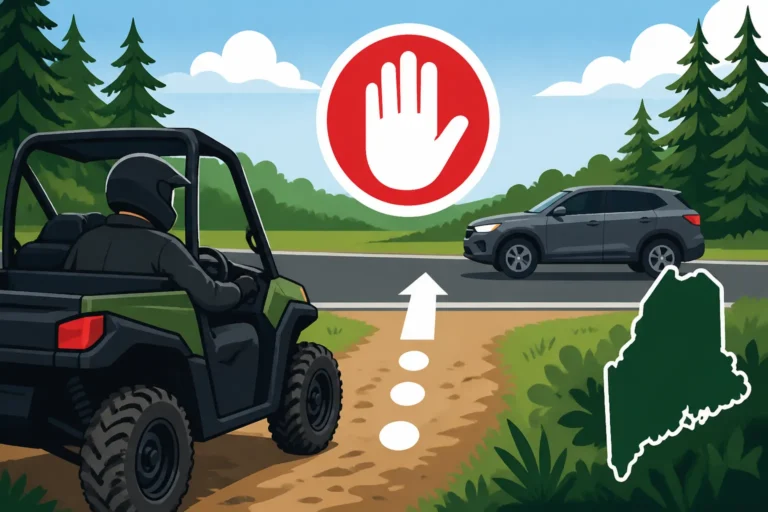
Maine ATV Rules on Private Camp Roads
One of the trickiest parts about enjoying your ATV or UTV in Maine isn't always navigating the wilderness, but rather understanding where you're legally allowed to ride, especially when it comes to those often-idyllic private camp roads. Many riders get frustrated when they encounter gates, "No Trespassing" signs, or even confrontation, simply because the rules surrounding these seemingly public-access routes can feel like a confusing grey area. This guide is here to clear up that confusion, diving deep into the specific regulations and best practices for riding your ATV on Maine's private camp roads, ensuring you stay on the right side of the law and maintain access for everyone.
Understanding Private Camp Roads in Maine
Maine is a land of vast forests, remote lakes, and countless private camps, all connected by a sprawling network of roads that, at first glance, might look like any other dirt road. However, these "camp roads" operate under a very different set of rules than public ways, and understanding that distinction is the absolute first step to riding responsibly.
What Defines a "Private Camp Road"?
A private camp road is exactly what it sounds like: a road that is privately owned and maintained, primarily serving to provide access to private properties such as hunting camps, seasonal cottages, woodlots, or even just secluded homes. These aren't roads maintained by the town, county, or state. You won't see town plow trucks on them in the winter (unless a private contract is in place), and they typically don't show up on official municipal road maps as public thoroughfares.
Often, these roads are gravel or dirt, winding through the woods, sometimes well-maintained, sometimes barely more than a two-track. They might be gated at the entrance, feature prominent "Private Road" or "No Trespassing" signs, or be marked with specific postings from a camp owners' association. The key takeaway here is that despite how wide, well-traveled, or open they appear, they are still private property. This means that the owners — whether an individual, a group of camp owners, or a large logging company — have the ultimate say over who can use them and under what conditions. Failing to recognize this crucial distinction is where many riders inadvertently run into trouble.
The Legal Line Between Public and Private
The legal distinction between a private camp road and a public way in Maine isn't always obvious just by looking at the road itself, and this can be a huge source of confusion for ATV riders. A public way is established and maintained by a municipality or the state for public travel, and it's generally open to anyone following traffic laws. Private roads, on the other hand, are privately owned and maintained, and the public has no inherent right to use them.
One strong indicator of a private road is the lack of municipal maintenance. If a road isn't plowed by the town in winter, graded by town crews in summer, or if you don't see town signs designating speed limits or intersections, there's a good chance it's private. Some private roads might be maintained by a camp road association, where property owners chip in for upkeep, or by timber companies that use them for logging operations. These roads might look like main arteries, especially in rural areas, leading riders to mistakenly believe they are public. This misperception is a common pitfall. Always assume a road is private unless you have clear confirmation that it's a publicly maintained way. Knowing this difference is paramount, as the rules for ATV use vary drastically depending on the road's legal status.
Navigating ATV Use on Private Camp Roads: Permission is Key
When it comes to riding your ATV on private camp roads in Maine, there is one non-negotiable principle: permission. Unlike public roads where specific rules govern ATV operation, or designated trails where a statewide system provides access, private roads require explicit or implied consent from the landowner. Ignoring this can quickly turn a scenic ride into a legal headache.
The Fundamental Rule: Landowner Permission
Maine law is abundantly clear: you cannot operate an ATV or any recreational vehicle on private land without the express permission of the landowner. This isn't just a suggestion; it's a legal requirement designed to protect property rights and prevent trespass. A private camp road, by its very definition, is private land. Therefore, simply being on that road with your ATV without permission constitutes trespassing.
This permission can take various forms. Ideally, it's written permission, outlining where and when you can ride. More often, it's verbal permission, perhaps from a camp owner allowing you to access their property or a specific section of a logging road. Sometimes, permission is "implied" through organized trail systems where ATV clubs have secured agreements with landowners for access across their private roads or lands. These agreements are often what allow major trail networks to exist, connecting towns and remote areas.
A key visual cue for private land in Maine is the [Purple Paint Marks Along a Maine Road]. If you see purple paint on trees or posts, it's a clear signal that the land is private and you need permission to enter. These marks are legally recognized as "No Trespassing" signs. Even if a private road appears unposted, that doesn't automatically grant permission. You, as the rider, bear the responsibility to confirm you have legal access. Without it, you could face fines and other penalties for illegal operation, which can be found in discussions on [Maine ATV Trespass Law for ATV Riders].
Common Scenarios and How to Handle Them
The diverse nature of Maine's private camp roads leads to many unique riding scenarios, each requiring a thoughtful approach to ensure you have proper permission.
- Camp Owners and Their Guests: If you own a camp or are a guest at one, you typically have implicit permission to use the private camp road leading directly to that property. However, this permission usually only extends to accessing that specific property, not necessarily using the entire road network for recreational riding. If you want to explore beyond the direct route to your camp, you still need to seek broader permission. Similarly, if you're riding with friends who own a camp, make sure you understand the scope of their permission.
- Riding a Private Road to Access a Trail System: This is a very common situation. Many official ATV trail systems utilize sections of private camp roads or logging roads as connectors. In these cases, the local ATV club has typically worked out an agreement with the landowner to allow ATV traffic. These sections should be clearly marked with trail signs and directional arrows. If you're on an unmarked private road that might lead to a trail, do not assume it's part of the network without clear signage or checking a current trail map. Riding on routes that are not explicitly designated as ATV trails, even if they connect to one, requires individual landowner permission. Discussions like [Asking a Landowner for Permission to Ride] can provide guidance on how to approach this.
- Logging Roads vs. Dedicated Camp Roads: Maine has thousands of miles of logging roads, many of which are private. While some logging companies are generous in allowing recreational access (especially through ATV club agreements), others strictly prohibit it for safety and liability reasons. Always look for signage. A "No Trespassing" sign from a timber company means exactly that. Even if it's a large, well-maintained gravel road, it's still private.
- How to Approach Landowners Politely: If you want to ride a private camp road and you're unsure about permission, the best approach is always to ask. [Getting Written Permission to Ride Private Land] is the gold standard. Try to identify the landowner (sometimes signs will list a contact, or local tax maps can help). Be polite, explain your intentions, and be prepared for them to say no. Respect their decision either way. A little courtesy goes a long way in fostering good landowner relations, which are vital for the continued existence of Maine's extensive trail network. Remember that even if you're just riding on [Riding on a Friend's Land Without Registering], your ATV still needs to be registered with the state.
When Local Rules Override General Guidelines
Even when you've secured general landowner permission to ride on a private camp road, it's crucial to understand that specific rules set by the landowner, a camp owners' association, or even a local timber company might apply. These localized rules often override the general assumption of "anything goes once you have permission."
Imagine a private camp road that serves a small community of seasonal cottages. While the landowners might grant access, they could impose specific rules to maintain peace and quiet, such as:
- Speed Limits: Many camp roads will have posted speed limits, often much lower than what might be safe on a public way, to minimize dust, reduce noise, and ensure safety for pedestrians, children, and pets. Respecting these limits is paramount.
- Time of Day Restrictions: Some associations might restrict ATV use to certain hours, preventing early morning or late-night rides that could disturb residents.
- Dust Control Measures: If the road is prone to dust, you might be asked to ride at extremely slow speeds, especially near camps, or even avoid riding during dry periods. This is a common point of contention, and [Dust Complaints That Close Maine Trails] are a real and serious issue that can lead to permanent trail closures.
- Noise Restrictions: Aftermarket exhausts, even those from reputable brands like SuperATV, if they are louder than stock, might be a point of friction. Camp residents value their tranquility, and excessive noise can quickly lead to revoked permissions.
These rules are typically put in place to preserve the quality of life for those who live on or use the road regularly. As a rider, you are a guest on private land, and respecting these nuances is not just polite, it's essential for maintaining access for yourself and other riders in the future. Always inquire about any specific covenants or rules when seeking permission, and be prepared to abide by them fully.
Distinguishing Private Camp Roads from Other ATV Access Points
One of the main sources of confusion for ATV riders in Maine is the difference between private camp roads and other types of ATV access, such as public ways and designated trail systems. Each has its own set of rules, and mistaking one for the other can lead to legal issues or, at the very least, disgruntled residents and landowners.
How Camp Roads Differ from Public Ways
The distinction between a private camp road and a public way (like a town-maintained gravel road or a paved state route) is critical for ATV riders.
- Legal Standing: Public ways are legally established for public travel, meaning anyone can generally use them following traffic laws. Private camp roads, however, are privately owned, and use is by permission only.
- Rules and Regulations: On public ways, specific state laws govern ATV operation, including age restrictions, helmet requirements for certain ages, and limits on how far you can ride on the shoulder (Maine's 500-yard rule, for example). You can find more details on these in resources like [Maine ATV Road Rules for Young Riders]. On private camp roads, while some general state laws (like registration) still apply, the primary rules are set by the landowner. There's typically no 500-yard limit if you have full permission to ride the entire private road.
- Enforcement: On public ways, game wardens and local law enforcement actively patrol and enforce ATV laws. On private camp roads, wardens can still enforce state laws (like registration), but trespassing is primarily enforced by the property owner, who might call law enforcement. The landowner effectively acts as the gatekeeper.
- Purpose: Public ways are for general transportation. Private camp roads are primarily for accessing private property. While recreational riding might occur on private roads with permission, it's usually a secondary purpose, whereas on an ATV-access route designated on a public way, recreation is explicitly permitted.
Understanding these differences helps you know which set of rules to follow and who to contact (or avoid) when riding.
Camp Roads vs. Designated ATV Trails
While some designated ATV trails might utilize sections of private camp roads, it's vital not to conflate the two entirely.
- Purpose: Designated ATV trails are created and maintained specifically for recreational ATV use, often through agreements between landowners and ATV clubs. Private camp roads, as mentioned, are primarily for property access.
- Permission Structure: For designated trails, the permission is typically secured by an ATV club or the state Bureau of Parks and Lands for public use. Riders generally gain permission to use the trail network by simply being registered. For private camp roads not part of a formal trail system, individual landowner permission is almost always required.
- Markings and Maintenance: Designated trails are usually clearly marked with signs, mileage markers, and directional arrows. They are often maintained by local ATV clubs, with efforts supported by programs funded through ATV registrations and [Maine ATV Club Membership and Dues]. Private camp roads might have very little official signage and maintenance specific to ATV use, unless it's a shared section of a formal trail.
- Experience: Riding a designated trail usually offers a continuous, recreational experience designed for ATVs. Riding a private camp road often means navigating rougher terrain, potentially encountering other vehicles (logging trucks, private cars), and being mindful of the residences it serves.
It's common for ATV riders to use private camp roads as access points to reach designated trail systems. The critical point is to always ensure that the specific section of private road you're on is either part of an official, marked trail network or that you have direct landowner permission. Never assume.
The Role of Property Owners and Associations
On private camp roads, the property owners, or in many cases, camp road associations, are the ultimate authority. Their role is central to whether you can ride there at all.
- Landowners Set the Rules: An individual landowner has the right to completely prohibit ATV use on their private road, even if it leads to other properties or public lands. They can post "No Trespassing" signs, erect gates, or take other measures to restrict access. If they grant permission, they can also dictate specific terms, such as speed limits, times of use, or areas off-limits.
- Camp Road Associations: Many private camp roads are managed by associations where multiple property owners contribute to maintenance and governance. These associations often have formal bylaws that govern road use, including ATV traffic. These bylaws might cover everything from snowplowing arrangements to specific noise ordinances or restrictions on certain types of vehicles. Riders need to be aware of and respect these rules, as violating them can lead to an entire road being closed to ATV access.
- Maintaining Good Relations: The continued availability of private camp roads for ATV access, whether it's for direct property access or as part of a larger trail system, hinges entirely on positive landowner relations. Abuses of privilege – speeding, excessive noise (especially from aftermarket parts like some SuperATV exhaust systems that might exceed stock decibel levels if not compliant), littering, or riding off-designated paths – can quickly lead to landowners withdrawing permission. This withdrawal can affect not just the offending rider but potentially an entire club or even all recreational ATV users. The power of landowners to close access at any time is a stark reminder of the privilege, not a right, of riding on private land.
| Feature | Private Camp Road | Public Way (e.g., town road) | Designated ATV Trail |
|---|---|---|---|
| Ownership | Private (individual, association, company) | Public (town, county, state) | Private or Public |
| Maintenance | Private expense (landowner, association) | Public expense (taxes) | ATV clubs, state (grant funding) |
| Permission | Always required from landowner | Not required (general public access) | Implied via registration/club agreements |
| Primary Purpose | Access to private property | General transportation | Recreational ATV riding |
| Signage | "Private Road," "No Trespassing," purple paint | Public road signs, speed limits | ATV trail signs, markers, club info |
| Enforcement | Landowner (trespass), Wardens (state law) | Law enforcement (traffic laws) | Wardens (state law, club rules) |
| 500-Yard Rule | Not applicable unless designated public way | Applicable (limits road shoulder use) | Not applicable |
Practical Considerations for Riding on Private Camp Roads
Even with permission in hand, riding on private camp roads comes with its own set of responsibilities and practical considerations. It's not just about what's legal, but what's respectful and safe.
Maintaining Respectful Riding Etiquette
When you're riding on a private camp road, you are a guest. Your actions directly reflect on all ATV riders and can impact future access. Good etiquette is paramount:
- Slow Speeds: This cannot be stressed enough. Private camp roads often wind through residential areas, even if sparsely populated. Kids play, people walk dogs, and wildlife might cross unexpectedly. Excessive speed near camps or homes creates dust, noise, and a sense of danger. Slow down to a crawl when passing any occupied dwelling or other users.
- Dust Control: Dust is one of the biggest complaints landowners have about ATVs on dry, gravel roads. If the road is dusty, riding slowly is your best defense. Consider riding in single file to minimize the spread of dust. [Dust Complaints That Close Maine Trails] are a very real concern, and often lead to landowners revoking permission.
- Noise Considerations: While the roar of a powerful engine might be exciting, it can be extremely irritating to residents seeking peace and quiet. Ensure your ATV's exhaust system is compliant with state noise limits. Aftermarket exhaust systems, even from companies like SuperATV, should ideally be designed to meet or exceed stock noise levels to avoid problems. Be particularly mindful of early morning or late evening rides.
- Yielding to Other Vehicles: These roads are primarily for vehicle access to private property. This means you'll encounter cars, trucks, and potentially heavy equipment like logging trucks. Always yield to larger vehicles and pull over safely to let them pass. Logging trucks, in particular, often move at high speeds and can't stop quickly; give them plenty of space.
- Stay on the Road: Unless you have explicit permission to ride off the main road, stay on the established track. Do not create new bypasses around puddles or mud holes, and certainly do not ride into people's yards or driveways.
Equipment and Safety on Camp Roads
Safety isn't just for the trails; it's crucial on camp roads too, which can present unique hazards.
- Helmets: While Maine law might not require helmets for adults over 18 on private land, wearing one is always a smart choice. These roads can be unpredictable, with loose gravel, potholes, and blind corners. Safety is paramount, and a helmet protects you from unforeseen accidents. [Maine Helmet Rules for Riders Under 18] still apply, regardless of where they are riding.
- Lights: If you're riding at dusk, dawn, or night, ensure your ATV's headlights and taillights are fully functional. These roads are often dark, and you need to see and be seen by other traffic.
- Beware of Hazards: Private camp roads are not always meticulously maintained. Expect potholes, washouts, fallen trees, large rocks, and other obstacles. They might not be regularly inspected for safety hazards like public roads are. Ride at a speed that allows you to react safely to unexpected conditions.
- Carry Basic Tools and First Aid: Being prepared for a flat tire, a minor mechanical issue, or a small injury is always wise when in remote areas. Cell service can be spotty on many Maine camp roads, making self-reliance important.
Potential Pitfalls and Penalties
Ignoring the rules on private camp roads can lead to serious consequences, impacting not only you but potentially the entire riding community.
- Trespassing Fines: Operating an ATV on private land without permission is considered criminal trespass in Maine. Penalties can include significant fines and, in some cases, confiscation of your machine. Details on these penalties can be found by researching [Maine ATV Trespass Law for ATV Riders].
- Damage Liability: If you cause damage to private property (e.g., tearing up a lawn, damaging a gate, hitting a mailbox), you can be held civilly liable for the cost of repairs in addition to any trespass charges.
- Loss of Access: Perhaps the most significant consequence is the collective loss of access. If riders abuse the privilege of using private roads, landowners are perfectly within their rights to withdraw all permission, closing off vast sections of land. This can sever critical links in the trail network and reduce riding opportunities for everyone. [Landowner Permission on Maine ATV Trails] is a fragile gift, not a right.
- Registration and Other State Laws: Remember, even on private land, your ATV still needs to be properly registered with the state of Maine. [Penalties for Riding an Unregistered ATV in Maine] apply universally. Similarly, laws regarding operating under the influence or reckless operation are enforced everywhere, public or private. There are very few [Maine ATV Registration Exemptions], and private land use isn't typically one of them.
Ultimately, navigating Maine's private camp roads safely and legally comes down to respect: respect for property rights, respect for local residents, and respect for the rules that keep access open. By understanding these nuances and riding responsibly, you contribute to a positive future for ATVing in the Pine Tree State.
Disclaimer
This article is for general informational purposes only and does not constitute professional advice. Laws, prices and regulations vary by location and change over time. Consult a qualified professional for guidance on your specific situation.