Maine ATV Rules on Posted Land
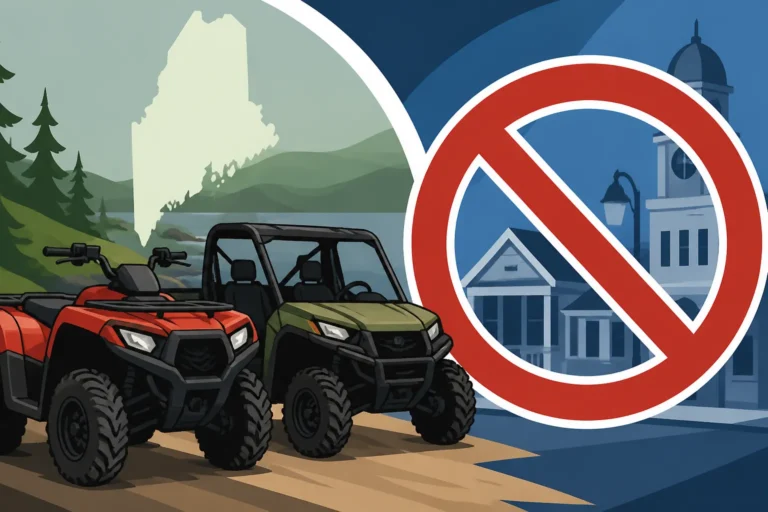
There's nothing quite like hitting the trails on your ATV or UTV in Maine, feeling the crisp air, and seeing the stunning landscapes unfold. But let's be honest, that sense of freedom can quickly turn into anxiety when you start seeing those "No Trespassing" signs or, even more subtly, those purple paint marks along a tree line. It's a real frustration for riders, trying to figure out where you can and cannot go, and nobody wants to inadvertently break the law. This guide is here to clear up the confusion, explain Maine's rules on posted land, and help you navigate the trails responsibly so you can enjoy your ride without worry.
Understanding "Posted Land" in Maine's Outdoors
The Maine woods are a mosaic of public and private ownership, and for generations, there's been a long-standing tradition of allowing recreational access to private land. However, this access isn't a given; it's a privilege, and landowners have every right to restrict it. When they do, they "post" their land, and understanding what that means is crucial for any ATV or UTV enthusiast.
What "Posting" Actually Means for Landowners
In Maine, "posting" isn't just a suggestion; it's a legal declaration by a landowner that unauthorized entry is prohibited. It's their way of formally revoking the implied permission that often exists for unposted private land. There are a few ways landowners typically post their property, and it's important to recognize them:
- Signs: This is the most common and recognizable method. You'll see "No Trespassing," "Posted," "Private Property," or similar signs. These signs need to be placed conspicuously, usually at all entrances to the property and at intervals around the perimeter, so that a reasonable person would know they are entering private land. They're often made of metal, plastic, or even just painted wood.
- Purple Paint: This is a less obvious but equally legally binding method. Maine law allows landowners to mark their property lines with purple paint instead of, or in addition to, traditional signs. The law specifies that these marks must be horizontal stripes at least one inch wide and eight inches long, placed vertically on trees or posts between three and five feet from the ground. They need to be visible from any approach to the property and no more than 100 feet apart in areas that are open to the view or 20 feet apart in wooded areas. It's easy to miss if you're not looking for it, but a single purple stripe carries the same weight as a "No Trespassing" sign.
The intent behind posting is clear: to inform you that you do not have permission to be there. And as riders, our responsibility is to recognize and respect those boundaries.
The Legal Basis of Maine's Trespass Laws
Maine law is quite clear when it comes to trespassing on private property. While many states operate on a "trespass by default" system where all private land is assumed off-limits unless explicitly permitted, Maine has historically leaned towards a "permission is presumed" approach for recreational activities on unposted land. However, this presumption is immediately overridden the moment a landowner posts their property.
Maine's Title 17-A, Chapter 17, outlines the criminal trespass statutes. Essentially, if a property is posted and you enter or remain on it without permission, you are trespassing. This isn't just about riding an ATV; it applies to any form of entry. The law protects a landowner's right to control who accesses their property, whether for hunting, fishing, snowmobiling, or ATV riding. It's designed to give landowners peace of mind and the ability to manage their land as they see fit. This legal framework is vital because it means that even if a trail looks open, if it's posted, you cannot legally ride there.
Why Landowners Post Their Property
It's easy for riders to feel frustrated when a favorite trail gets posted, but it helps to understand why landowners take this step. Most landowners aren't trying to be difficult; they often have very legitimate reasons for posting their land:
- Liability Concerns: This is a big one. Even though Maine has a recreational use statute that limits a landowner's liability when they allow free recreational access, some landowners still worry about being sued if someone gets hurt on their property. Posting is seen as a way to mitigate this perceived risk.
- Privacy and Enjoyment: Many people own land for their own private enjoyment, peace, and quiet. Constant ATV traffic, even if respectful, can disrupt that. They might want to protect their family's privacy, especially if their home is near a trail.
- Resource Protection: Landowners might be managing timber, protecting wildlife habitats, or cultivating crops. Unregulated access can lead to damage to young trees, erosion, or disturbance of sensitive areas. They might be protecting a delicate ecosystem or a valuable woodlot.
- Nuisance Behavior: Sadly, the actions of a few irresponsible riders can spoil it for everyone. Littering, excessive noise, riding off marked trails, damaging property (like gates or fences), or disrespectful behavior towards the landowner can quickly lead to property being posted. Once a landowner has a negative experience, it's hard to win back their trust.
- Safety: There might be active logging operations, construction, or other hazards on the land that make public access unsafe. Posting is a way to prevent accidents.
Understanding these motivations can help foster empathy and encourage riders to be even more diligent about respecting private property, whether it's posted or not.
Navigating Posted Land as an ATV Rider
Being a responsible ATV rider in Maine means more than just having a registered machine and wearing a helmet; it means actively knowing and respecting property boundaries. The key is vigilance and having a clear plan for when you encounter posted land.
Identifying Posted Property While Riding
It might sound obvious, but actually spotting posted signs or purple paint while you're focused on riding can be challenging. Here's how to increase your chances:
- Slow Down and Look Around: Especially when approaching what might be a property line, a road crossing, or an area where trails connect, reduce your speed. Take your eyes off the immediate trail in front of you for a moment and scan the trees and fences on either side.
- Know the Signs: Look for traditional "No Trespassing" or "Posted" signs. They come in various colors and sizes, but the message is always clear.
- Spot the Purple: Train your eyes to look for those distinctive purple stripes on trees or fence posts. Remember, they are legally binding markers. They might be faded or partially obscured by branches, so look closely.
- Use Mapping Technology: Modern GPS apps, like [onX Offroad Maps for Maine Trails], can be invaluable. Many show property lines and ownership information, giving you a heads-up before you even get close to a posted area. While not a substitute for physical signs, they are a powerful tool for prevention.
- Pay Attention to Trail Markers: Often, official club trails will have specific markers, arrows, or signs to indicate you're on an approved route. A sudden absence of these markers, or a shift to less maintained terrain, could indicate you're nearing a boundary.
The Maine terrain can be dense, and signs can sometimes be hard to see until you're right on top of them. Developing a habit of regularly scanning your surroundings, particularly when the trail character changes, is a good practice.
The Presumption of Permission vs. Posted Restrictions
This is a critical distinction in Maine. For many outdoor activities, if private land is not posted, recreational users are generally presumed to have permission to be there. This is a unique aspect of Maine's land access traditions that allows for vast networks of trails across private property.
However, the moment a landowner posts their property, that presumption of permission is immediately and unequivocally revoked. It's like a formal "no entry" sign. Even if you've ridden through that area for years without issue, if it gets posted, your access is legally denied. There's no gray area here. Relying on past practices when current posting is evident is a recipe for trouble. This is why staying updated on [Maine Trail Closures Mid-Season] is vital.
What to Do If You Encounter Posted Land
So, you're riding along, enjoying the day, and suddenly you see that tell-tale "No Trespassing" sign or a series of purple stripes. What do you do?
- Stop Immediately and Turn Around: Do not continue past the posting. The safest and most respectful action is to stop your machine and turn back the way you came. Do not try to find a "quick shortcut" around it, or assume it's just a small section you can duck through.
- Do Not Argue or Challenge: If by chance you encounter the landowner, do not argue with them. Their decision to post their land is their right. A polite apology and an immediate departure are the best responses.
- Consult Your Maps: If you're using a GPS or paper map, immediately consult it to find an alternative route. This is where pre-planning your ride truly pays off.
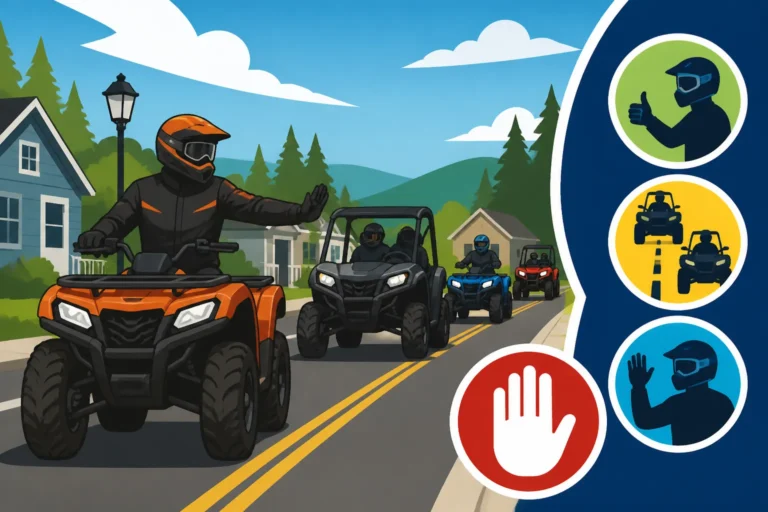
- Inform Your Riding Buddies: If you're in a group, ensure everyone understands that the land is posted and that you must turn back.
- Report to Your Local ATV Club: When you get home, it's a good idea to inform the local ATV club about the newly posted land. They often have established relationships with landowners and can update their maps and trail conditions. They might even be able to reach out to the landowner to understand their concerns and possibly work towards reopening access in the future. Respectful communication and dialogue are key to maintaining Maine's trail systems.
It's far better to be safe and respectful than to risk a fine, your machine, or worse, losing more trail access for everyone.
Consequences and Prevention: Staying on the Right Side of the Law
Riding on posted land in Maine isn't just a minor infraction; it can have serious legal and financial consequences. More importantly, it erodes the trust between landowners and the ATV riding community, jeopardizing future trail access for all.
Penalties for Trespassing on Posted Land
The State of Maine takes trespassing seriously, especially when clear posting has been done. The penalties can vary depending on the specific circumstances and whether it's a repeat offense, but they are certainly not trivial:
- Fines: Trespassing can result in significant monetary fines. These aren't just small tickets; they can range from hundreds to potentially thousands of dollars.
- Machine Impoundment: In some cases, your ATV or UTV could be impounded, leading to additional towing and storage fees, not to mention the hassle of retrieving your machine.
- Loss of Registration Privileges: A conviction for trespassing can sometimes lead to the suspension or revocation of your ATV registration, meaning you wouldn't be able to legally ride anywhere in Maine for a period.
- Criminal Record: Depending on the severity and any previous offenses, trespassing can be a criminal offense, leading to a permanent mark on your record. This can impact future employment, travel, and other aspects of your life.
- Civil Liability: Beyond criminal penalties, a landowner could also pursue a civil lawsuit against you for any damages incurred (e.g., property damage, disturbing livestock).
The financial and personal cost of trespassing far outweighs the momentary convenience of riding through a posted area. It's a risk simply not worth taking. Knowing [Fines Maine Wardens Write Most Often] can provide a stark reminder of the repercussions.
The Role of ATV Clubs in Maintaining Access
ATV clubs are the unsung heroes of Maine's vast trail network. They play an absolutely critical role in securing and maintaining access to private land, which makes up a significant portion of our trails.
- Landowner Liaisons: Clubs often have formal agreements and relationships with private landowners. They act as trusted intermediaries, addressing landowner concerns, managing trail maintenance, and ensuring responsible use. Many landowners are more willing to allow access to organized clubs than to individual, unknown riders.
- Trail Maintenance and Management: Clubs are responsible for grooming, signing, and maintaining thousands of miles of trails. This includes building bridges, clearing brush, and ensuring the trails are safe and enjoyable. This work directly benefits landowners by preventing erosion and other issues.
- Education and Advocacy: Clubs promote responsible riding, educate members on rules and etiquette, and advocate for ATV interests at local and state levels. They are often the first point of contact for riders when [Maine ATV Trail Closures Mid-Season] occur or new routes are opened.
- Funding and Resources: Through membership dues, grants, and fundraising, clubs generate essential funds for trail development and maintenance. This support helps keep the trails open and in good condition for everyone.
Becoming a member of a local ATV club is one of the best ways you can support the trail system and ensure continued access to private lands. It's an investment in the future of riding in Maine. You can learn more about [Maine ATV Club Membership and Dues] and how your contribution helps.
Tools and Strategies for Responsible Riding
Being prepared and proactive is your best defense against inadvertently trespassing. Here are some strategies every responsible rider should employ:
- Always Use Up-to-Date Maps: This cannot be stressed enough. Invest in detailed GPS maps for your device, like those offered through apps such as onX Offroad, or carry physical maps provided by local clubs. These maps often highlight property lines, official trails, and areas known to be posted. Remember that trails and property statuses can change, so always seek the most current information. Some riders even mount rugged tablets with GPS software using sturdy mounts, perhaps from brands like SuperATV, to keep their navigational tools easily accessible and protected on the trail.
- Plan Your Route in Advance: Before you head out, especially on unfamiliar trails, plan your route. Look for potential problem areas, check for recent trail closures, and identify alternative paths if you encounter posted land.
- Stay on Marked Trails: This is a golden rule. Don't venture off marked trails. These paths are the ones where permission has been granted, and straying from them is a quick way to find yourself on private, potentially posted land.
- Attend Safety Courses: For younger riders, [Maine ATV Safety Course Requirements] are mandatory, but even experienced adults can benefit from refresher courses on safe and responsible operation, which often include discussions on land access.
- Know Your Local Club Contacts: Have the contact information for the local ATV club handy. They are your best resource for current trail conditions, landowner relations, and reporting issues.
- Respect the "Purple Paint" Rule: Take the time to understand exactly what [The "Purple Paint" Law Explained] means and how to spot it. It's a silent but legally powerful sign of private property.
- Leave No Trace: Always pack out what you pack in. Littering is not only illegal but a surefire way to upset landowners and lead to trail closures.
By taking these steps, you not only protect yourself but you also contribute to the positive image of ATV riders in Maine, helping to preserve access for generations to come.
Special Considerations for Posted Land and Trail Systems
Maine's ATV trail system is complex, often weaving through various types of land ownership. Understanding how posted land interacts with official trail systems and public access points is crucial for informed riding.
ATV Access Routes vs. Posted Private Land
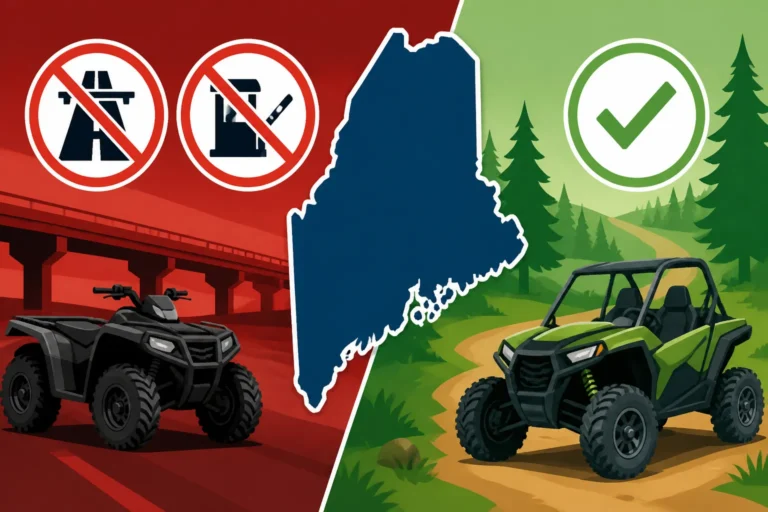
In Maine, an "ATV access route" is a specific designation, usually a town way or a designated section of a public road, that allows ATVs to legally travel on it for a limited distance, typically to connect trails, reach services, or access other approved riding areas. These routes are explicitly authorized by local municipalities and are usually marked with specific signage.
It's vital to distinguish these authorized access routes from private land, even if that private land is adjacent to or appears to be a natural extension of an access route. Just because you can ride on a public road or an official access route doesn't mean you can turn off onto any property you see. Private land, even if unposted, can still restrict access, and if it's posted, access is strictly prohibited. For example, [Maine ATV Road Rules for Young Riders] are often limited to these designated access routes and specific conditions. Always follow the signs for official routes and assume private land beyond those routes is off-limits unless explicitly marked as an ATV trail.
Landowner Withdrawal and Trail Closures
One of the biggest heartbreaks for the Maine ATV community is when a landowner decides to withdraw permission for trail use and posts their property. This often results in the closure of beloved sections of trails. These decisions are rarely made lightly and often stem from the reasons we discussed earlier: liability concerns, privacy infringements, property damage, or nuisance behavior.
When a section of trail closes, it's a significant blow. It can fragment trail systems, limit riding opportunities, and force clubs to scramble to find alternative routes – which isn't always possible. This is why the actions of every single rider matter. One person's irresponsible behavior can lead to a landowner closing their land to everyone, punishing the entire riding community. Understanding [Why 80 Percent of Maine Trails Sit on Private Land] underscores the importance of maintaining good landowner relations.
The "Purple Paint" Law Explained
We've mentioned the purple paint marks, but let's dive a little deeper into their specific legal standing and what they mean. Maine law explicitly states that these purple markings are equivalent to "No Trespassing" signs. There's no ambiguity.
- Placement: The law requires the marks to be vertical stripes on trees or posts. They must be between three and five feet off the ground, at least one inch wide and eight inches long.
- Visibility: They must be visible from a common point of entry or a property line, with marks spaced no more than 100 feet apart in open areas and 20 feet apart in wooded areas. This ensures they are conspicuous enough for someone to reasonably see them.
- Legal Force: A single, properly placed purple stripe means "Do Not Enter." It's a legally recognized method for landowners to prohibit entry. You do not need to see a traditional "No Trespassing" sign if you see the purple paint.
So, when you see those purple stripes, recognize them as a clear, legal signal that you are approaching or are already on posted land. Respect them just as you would any other "No Trespassing" sign.
Here’s a quick overview to help distinguish different land access scenarios:
| Scenario | Visual Cues | Legal Status for ATV Riding | Recommended Action |
|---|---|---|---|
| Unposted Private Land | No signs, no purple paint, no fences. | Permission is generally presumed for recreational use. | Ride respectfully, stay on trails, leave no trace. Be ready to leave if asked. |
| Posted with Signs | "No Trespassing," "Private Property" signs. | Explicitly prohibited. Presumption of permission is revoked. | Stop immediately, turn around, and find an alternative route. |
| Posted with Purple Paint | Purple stripes on trees/posts (1"x8", 3-5 ft high, spaced per law). | Explicitly prohibited. Legally equivalent to "No Trespassing." | Stop immediately, turn around, and find an alternative route. |
| Official ATV Access Route | Specific municipal signs indicating ATV passage allowed on roads. | Allowed only on the designated route, for specified distances/purposes. | Follow all road rules, stay on the designated route, watch for traffic. |
| Designated ATV Trail (on Private Land) | Club signs, arrows, trail markers. May still be "posted" at entry points for liability. | Permission granted by landowner, often through a club agreement. | Stay strictly on the marked trail. Support the club that maintains it. |
Remember, the best way to ensure you're always riding legally and responsibly in Maine is to stay informed, pay attention to your surroundings, and when in doubt, turn around. Happy and safe riding!
Disclaimer
This article is for general informational purposes only and does not constitute professional advice. Laws, prices and regulations vary by location and change over time. Consult a qualified professional for guidance on your specific situation.