Crossing Under a Maine Highway Legally
There's nothing quite like the feeling of cruising Maine's vast ATV and UTV trail networks, the fresh air in your face, and the endless woods stretching out around you. But then, you hit it: a major highway, a concrete river that seems to cut right through your adventure, leaving you wondering how on earth you're supposed to continue your ride safely and legally. This guide is here to walk you through exactly how to navigate these formidable barriers by utilizing legal underpasses, ensuring your journey across Maine's diverse terrain remains unbroken and above board.
The Challenge of Highway Barriers on Maine's ATV Trails
Picture this: you've been riding for hours, maybe exploring the Aroostook County's vast trail network, or perhaps linking up segments near the Moosehead Lake region. The scenery has been incredible, the trails well-maintained by dedicated clubs. Suddenly, your GPS or trail map shows a major state route or even the Maine Turnpike dead ahead. It's a jarring interruption, isn't it? That feeling of being cut off, of an impassable obstacle, is a common frustration for riders across the state.
Why Highways Pose a Problem for Trail Connectivity
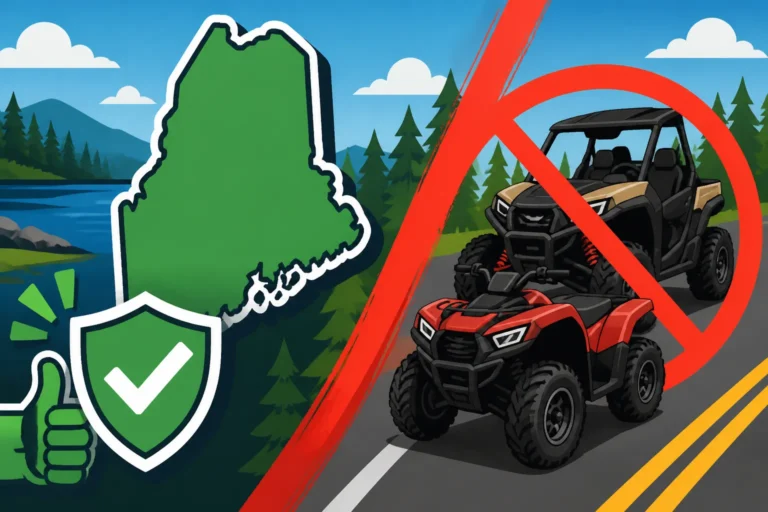
Highways, by their very nature, are designed for high-speed vehicular traffic. They prioritize efficiency and flow for cars, trucks, and other licensed vehicles. ATVs and UTVs, while incredibly capable off-road, are generally not street-legal for prolonged travel on these public ways in Maine. This creates a significant challenge for maintaining continuous trail systems. Imagine a magnificent 6,000-mile trail network, but every few dozen miles, it's chopped into segments by a busy highway. It fragments the riding experience, making it difficult to plan long-distance trips or even simple day rides without encountering these divides. This is especially true when you consider how many of Maine's towns and services are spread out, requiring riders to often connect different trail sections.
Beyond the legal restrictions, highways present inherent physical barriers. They often have limited shoulders, high-speed traffic, and no designated crossing points for off-road vehicles. Trying to simply cross a busy road at grade is not just illegal; it's incredibly dangerous. The speed differential between an ATV trying to accelerate across traffic and cars traveling at 55 or 65 miles per hour is immense, creating a recipe for disaster. This is why official, sanctioned methods for crossing, like underpasses, become absolutely essential to the integrity and safety of Maine's recreational trail system.
The Dangers of Illegal Crossings
Let's be blunt: attempting to cross a major highway where no designated ATV or UTV crossing exists is a recipe for serious trouble, both legally and physically. It's not just a small infraction; it's a direct threat to your safety and the safety of others. Maine's wardens are vigilant about enforcing off-road vehicle laws, and for good reason. The potential for a catastrophic accident involving an ATV and a highway vehicle is extremely high. [Maine Warden Enforcement on Public Ways] is a real and present thing, and they're looking out for unsafe practices.
Beyond the obvious risk of collision, illegal crossings often involve trespassing on private land to get to an unsafe crossing point, or riding on sections of road where ATVs are expressly prohibited. This can lead to hefty fines, confiscation of your machine, and even losing future trail access through club disciplinary actions. It can also sour relationships with landowners who might otherwise be supportive of the trail system. No one wants to be the rider who causes a trail section to be closed because of reckless behavior. The spirit of responsible riding is to protect the trails and the privileges we have, and that means adhering strictly to the law, especially when it comes to something as critical as highway crossings.
Identifying and Understanding Legal Underpasses
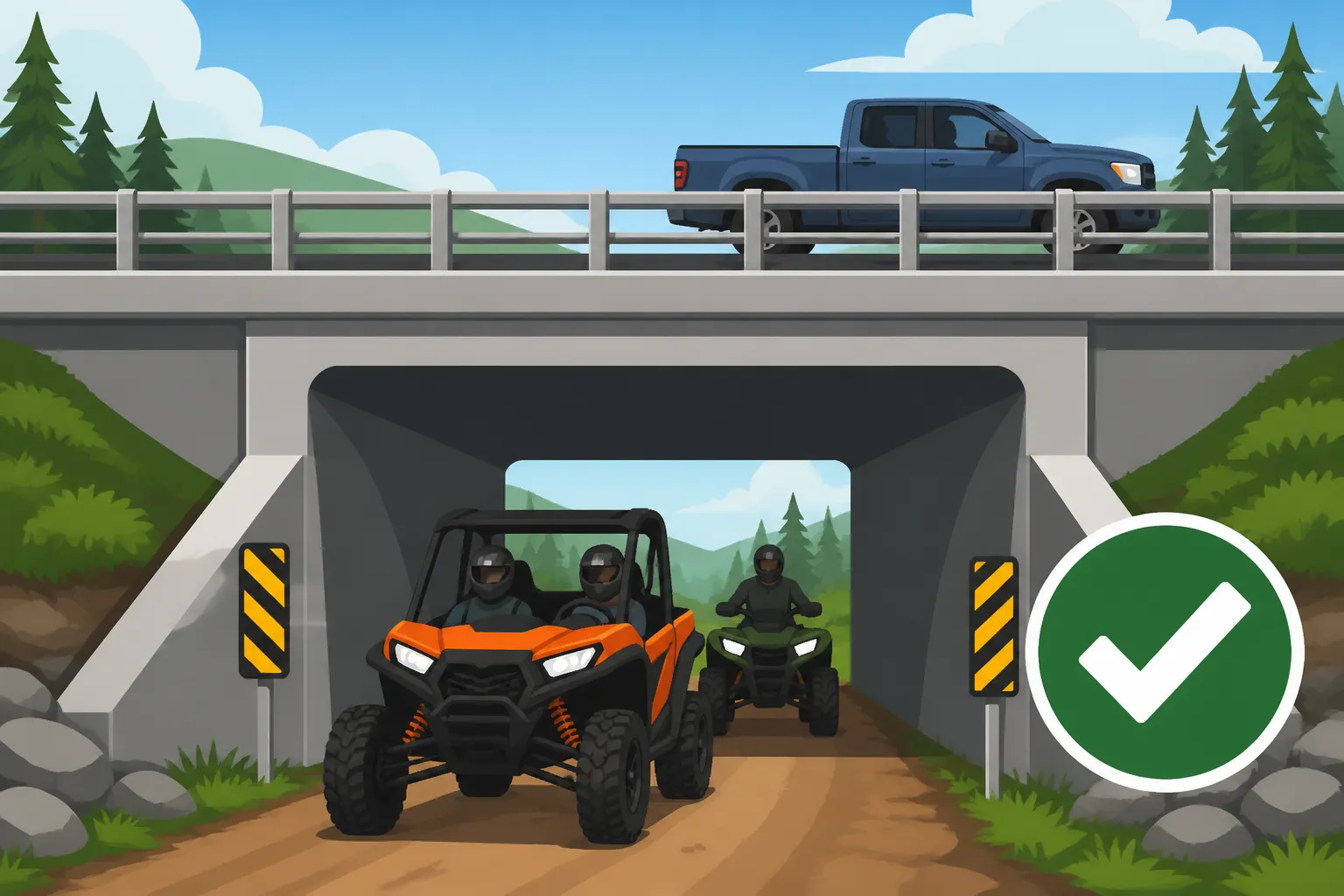
So, if crossing a highway directly is out, what's the solution? Enter the underpass. These structures are the unsung heroes of trail connectivity, allowing riders to pass safely and legally under a major roadway without ever interacting with highway traffic. They are critical links that transform fragmented trail segments into seamless networks, opening up huge areas for exploration.
How Underpasses Maintain Trail Flow
Think of underpasses as tunnels specifically designed or adapted for ATV and UTV traffic. They literally tunnel beneath the highway, allowing the trail to continue uninterrupted on the other side. These aren't always grand, purpose-built structures with fancy lighting; sometimes they are existing culverts, old bridge abutments, or maintenance tunnels that have been officially designated and prepared for recreational use. Their primary function is to eliminate the dangerous interaction between fast-moving highway vehicles and slower, off-road machines.
Without these underpasses, many of Maine's cherished multi-day rides, like those connecting communities from Jackman to Pittston Farm, or linking trails across different counties, would be impossible. They are instrumental in creating the long, continuous loops and point-to-point journeys that define Maine's extensive trail system. It's thanks to the foresight and hard work of local ATV clubs and state agencies that these critical crossing points exist and are maintained.
Finding Designated Underpass Locations
You can't just assume any tunnel under a highway is a legal ATV crossing. Designated underpasses will always be clearly marked as part of the official trail system. Your best resources for finding these are:
- Maine ATV Trail Maps: The Bureau of Parks and Lands, in conjunction with ATV Maine and local clubs, publishes maps that clearly delineate official trails and their crossing points. These maps are your bible for navigating the system. [Maine ATV Trail Maps and Club Boundaries] are invaluable resources.
- Local ATV Club Websites and Information: If you're riding in a specific area, check the website of the local ATV club. They often have the most up-to-date information on trail conditions, specific crossing details, and any temporary closures. Clubs like the Star City ATV Club or the Madawaska Valley ATVenture Club often highlight key access points and crossings in their regions.
- Trail Signs: On the ground, you'll see clear signage indicating an upcoming highway crossing via an underpass. These signs are there for your safety and to guide you correctly. Pay close attention to them as you approach any major road. They usually direct you to slow down, be aware of your surroundings, and indicate the path to the underpass.
- GPS Apps and Devices: Many riders use GPS devices or smartphone apps like onX Offroad, which often include updated trail maps that mark these underpass locations. Just remember that technology can sometimes be fallible, so cross-reference with physical maps and signs when possible.
Never guess or assume. Always verify that a crossing is indeed a designated underpass before attempting to use it. A quick check of your map or local club information can save you a lot of trouble and keep you safe.
Types of Underpasses You Might Encounter
Not all underpasses are created equal, and understanding the different types can help you prepare for what you might encounter. Each can present its own unique considerations for riders.
- Large Box Culverts: These are essentially large concrete tunnels, sometimes big enough for a small truck, that carry water under the highway but have been adapted for trail use during dry periods. They can be wide enough for an ATV or UTV but might have uneven or rocky bottoms. They are often unlit and can feel quite confined.
- Old Bridge Abutments/Tunnels: Sometimes, when a new bridge is built, parts of the old bridge structure remain or a new tunnel is constructed next to it for access. These can be quite robust, offering more space than a culvert, but may still have limited visibility and potentially rough surfaces.
- Purpose-Built ATV/Snowmobile Tunnels: In areas with heavy recreational traffic, you might encounter underpasses specifically designed and built for ATVs and snowmobiles. These are often wider, might have a smoother packed gravel or dirt base, and occasionally even some form of passive lighting (though you should always rely on your machine's lights).
- Farm Underpasses: Less common on main trails, but sometimes an existing underpass for farm equipment or livestock might be utilized if it safely connects two trail segments. These can be very rustic and require extra caution.
Regardless of the type, always expect a change in terrain, light, and sound when entering an underpass. The sudden darkness, the echo of your machine, and the dampness can be disorienting. Good lighting is paramount, and your machine's capabilities might be tested, especially if you're riding a larger UTV with a lift kit from a brand like SuperATV, which means you'll want to be mindful of clearance in some of the smaller culverts.
Navigating an ATV or UTV Through a Highway Underpass
Successfully using an underpass isn't just about finding it; it's about approaching, traversing, and exiting it safely and courteously. There are specific protocols that all riders should follow to ensure everyone's safety and to protect these valuable trail connections.
Safety Protocols Before Entering
Your approach to an underpass should be deliberate and cautious. Don't just barrel in.
- Slow Down: As soon as you see signs indicating a highway crossing or an upcoming underpass, reduce your speed significantly. This gives you time to react, assess the situation, and observe any other trail users.
- Look and Listen: Before committing to the underpass, stop and visually inspect the entrance. Is it clear? Is there standing water or debris? Listen for any approaching machines from the other side. Remember that sound can carry and distort in these enclosed spaces.
- Turn on Headlights and Taillights: This isn't just a good idea; it's often a legal requirement for riding in areas of reduced visibility. Even on a bright day, the interior of an underpass can be surprisingly dark. Your lights make you visible to others and help you see obstacles. This is where an aftermarket LED light bar, perhaps from SuperATV, can really shine, illuminating the path much more effectively than standard factory lights.
- Confirm the Path: Ensure the underpass is clearly marked as an ATV trail and that the path through it looks passable for your machine. Don't attempt to use an underpass that appears to be collapsing, heavily flooded, or blocked by large debris.
- Single File: If you're riding in a group, approach and enter the underpass in single file. This minimizes congestion and ensures everyone has space to maneuver.
Remember, underpasses are often shared by different types of recreational vehicles, including snowmobiles in winter, and sometimes even hikers or cyclists. Exercising caution and common courtesy is key.
Riding Through the Underpass Safely
Once you've entered the underpass, your focus should remain on safe passage.
- Maintain a Slow, Steady Speed: There's no need to rush. A slow, controlled speed allows you to react to changing conditions, such as puddles, mud, or unexpected obstacles. The surface inside an underpass can be slick, uneven, or have loose material.
- Stay to the Right: Just like on a regular trail, assume two-way traffic and keep to the right side of the underpass. This helps prevent head-on encounters, especially in narrower tunnels.
- Watch for Obstacles and Conditions: Be actively looking for standing water, which can hide deep potholes; mud, which can be slippery; or rocks and other debris that might have washed in. Underpasses can sometimes collect trash or be subjected to shifting ground.
- Be Aware of Noise and Echoes: The enclosed nature of an underpass can amplify engine noise and create echoes, which can be disorienting. Be mindful of your throttle to avoid excessive noise, especially if others are present.
- No Stopping or Lingering: Underpasses are transit points, not stopping points. Don't stop to take photos, check your phone, or wait for friends in the middle of an underpass. Keep moving to maintain flow and safety. If you need to stop, do so clearly before entering or after exiting.
The experience of riding through an underpass can be quite unique – the reverberating sound, the sudden coolness, the often damp air. It's a testament to the effort put into making Maine's trails connected and accessible.
Exiting and Rejoining the Trail System
Just as the entrance requires caution, so does the exit. The transition from the enclosed underpass back to the open trail can present its own challenges.
- Prepare for Changing Light: As you near the exit, your eyes will need to adjust from darkness to daylight (or vice-versa if riding at night). This can cause temporary visual impairment. Slow down even further to allow your eyes to adapt.
- Look Ahead and Assess the Trail: Before fully exiting, scan the trail ahead. Are there other riders waiting? Is there a sharp turn immediately after the underpass? Has the trail surface changed significantly?
- Yield if Necessary: Depending on the trail's design, you may need to yield to traffic already on the main trail as you emerge. Follow any signage or established right-of-way rules.
- Maintain Course: Rejoin the trail system smoothly and continue your ride, remembering to look for upcoming trail markers and signs. [Maine ATV Trail Signs and Markers] are crucial for staying on track.
- Leave No Trace: Ensure you don't leave any litter or disturb the area around the underpass. The longevity of these trail connections depends on responsible use and respect for the environment.
By following these steps, you ensure that you not only cross under a Maine highway legally but do so in a manner that contributes to the safety and enjoyment of all trail users.
Equipment and Preparation for Underpass Riding
While underpasses are specific features, preparing for them is part of your overall trail readiness. Some key considerations can make your underpass experience smoother and safer.
Lighting and Visibility Considerations
Proper lighting isn't just for night riding; it's a safety essential for underpasses, even in broad daylight. The sudden drop in light can be severe, turning a bright day into near-darkness in a matter of seconds.
- Reliable Headlights and Taillights: Ensure your machine's factory lights are in perfect working order. Test them before each ride. These are your primary means of seeing and being seen.
- Auxiliary Lighting: For those who frequently ride in varied conditions or simply want enhanced visibility and safety, auxiliary lighting can be a game-changer. An aftermarket LED light bar or spot lamps can cut through the darkness of a long underpass, revealing obstacles that might otherwise be missed. Companies like SuperATV offer a range of lighting solutions that can significantly upgrade your machine's visibility. This can be particularly reassuring when dealing with unexpected water or debris in a dark tunnel.
- Reflective Gear: While your machine's lights are crucial, wearing reflective elements on your helmet or jacket can further enhance your visibility to other riders, especially in low-light conditions.
Remember, good lighting benefits everyone. It helps you see the path, and it ensures that oncoming riders or those behind you can clearly identify your presence, making for a safer shared environment.
Machine Clearance and Capabilities
Underpasses, particularly older culverts or less-trafficked ones, can sometimes have uneven surfaces or lower clearances. This is where knowing your machine's dimensions and capabilities comes into play.
- Ground Clearance: Be aware of your ATV or UTV's ground clearance. Some underpasses might have deeper ruts, exposed rocks, or sudden dips that could challenge lower-slung machines or those with limited suspension travel. If your machine sits lower, you might need to pick your line more carefully.
- Overall Height: For UTVs, especially those with aftermarket roofs, roll cages, or lift kits, it's wise to be aware of your machine's overall height. While most designated underpasses will accommodate standard machines, some older or less-used culverts might have slightly tighter clearances. If you've modified your UTV with significant lifts, checking the entrance for overhead obstructions is a smart move.
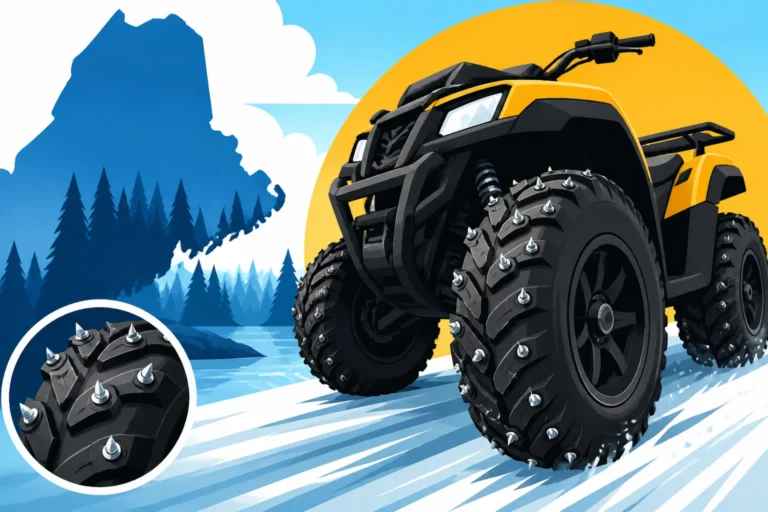
- Tire Traction: The surfaces inside underpasses can range from packed dirt to wet concrete, mud, or loose gravel. Ensure your tires are in good condition and suitable for varying terrain. Knobby tires designed for off-road use will provide better grip on potentially slippery surfaces. If you frequently encounter wet, muddy conditions, you might consider tires that excel in such environments to prevent slips and slides within the underpass.
Being prepared with appropriate lighting and understanding your machine's physical limits ensures you can confidently and safely navigate any underpass on the Maine trail system.
Advocating for More Safe Crossing Solutions
The existence of legal underpasses isn't accidental; it's the result of ongoing effort and collaboration. As riders, we have a role to play in supporting and expanding these vital connections.
The Role of ATV Clubs in Trail Development
Maine's extensive ATV trail network, all 6,000 miles of it, exists largely thanks to the tireless dedication of volunteer ATV clubs. These clubs are the backbone of the system, responsible for maintaining trails, clearing downed trees, building bridges, and crucially, advocating for and helping to establish safe crossing points like underpasses. [Maine ATV Club Membership and Dues] are vital for these efforts.
- Trail Planning and Maintenance: Clubs work with landowners, the Bureau of Parks and Lands, and local municipalities to plan, permit, and maintain trail segments. When a new trail section is proposed, or an existing one needs to cross a highway, it's often the local club that champions the cause for an underpass or other legal crossing.
- Funding and Resources: Dues and fundraising efforts from clubs often go towards purchasing materials for trail maintenance, including the reinforcement or improvement of underpasses. They also apply for state grants, like those from the [Maine ATV Trail Grant Program], which can fund larger projects such as new underpass construction or significant upgrades.
- Landowner Relations: Clubs are the primary point of contact for the private landowners who generously allow trails on their property. Maintaining good relationships is essential, and demonstrating responsible riding practices, including proper use of underpasses, helps foster that trust.
Supporting your local ATV club, whether through membership, volunteering for a trail work day, or simply following their posted rules, directly contributes to the expansion and preservation of safe riding opportunities, including critical underpass connections.
Engaging with Local and State Officials
While clubs do much of the heavy lifting, individual riders can also make a difference by engaging with local and state officials. These larger infrastructure projects, like new underpasses under major highways, often require significant planning, funding, and approval from governmental bodies.
- Express Your Support: When opportunities arise, such as public meetings about trail development or infrastructure projects, voice your support for legal ATV and UTV underpasses. Let your town select board, county commissioners, and state representatives know that these crossings are important for recreational tourism, local economies, and rider safety.
- Report Issues: If you notice a maintenance issue with an existing underpass – a blockage, significant erosion, or a safety concern – report it to the local ATV club and the Bureau of Parks and Lands. Prompt reporting can prevent small problems from becoming major closures. [Reporting a Trail Problem to the State] ensures that issues are addressed by the right authorities.
- Understand the Process: Large infrastructure projects move slowly. Be patient, but persistent. Educate yourself on the planning and funding mechanisms for these types of projects so you can advocate effectively. It's a long game, but every voice counts in demonstrating the public demand for safe and connected trail systems.
By actively participating in the ATV community and engaging with decision-makers, we help ensure that safe, legal crossing options like underpasses continue to be a priority for Maine's trail system. This collaborative effort is what makes riding in Maine so special and accessible for everyone.
| Action Item | Why It's Important |
|---|---|
| Check Trail Maps & Club Info | Confirms underpass is a legal, designated crossing; provides current conditions. |
| Slow Down & Scan Ahead | Allows time to react to obstacles, other riders, and changes in light/terrain. |
| Turn on All Lights | Essential for visibility inside dark underpasses, both for your safety and for others to see you. |
| Listen for Oncoming Traffic | Sound can be distorted in enclosed spaces; helps anticipate other riders. |
| Maintain Single File & Stay Right | Promotes safe traffic flow and reduces risk of collision in confined areas. |
| Watch for Water/Debris | Underpasses can collect water, mud, or rocks; these can hide hazards or cause slips. |
| No Stopping Inside | Underpasses are transit zones; stopping creates bottlenecks and hazards. |
| Adjust Eyes at Exit | Transition from dark to light can impair vision; slow speed allows eyes to adjust. |
| Support Local ATV Clubs | Clubs maintain and advocate for these crucial connections, ensuring they remain open and safe. |
| Report Maintenance Issues | Helps keep underpasses in good repair and prevents closures due to neglect. |
Disclaimer
This article is for general informational purposes only and does not constitute professional advice. Laws, prices and regulations vary by location and change over time. Consult a qualified professional for guidance on your specific situation.