Maine ATV Registration Revenue and Trail Grants
It’s a common feeling, isn't it? You go through the motions of registering your ATV or UTV in Maine, dutifully paying your fee, and then you might wonder, "Where exactly does all that money go?" It can feel like it vanishes into thin air, leaving you with little more than a sticker. But the truth is, every single dollar collected from ATV and UTV registrations in Maine plays a crucial role in maintaining and expanding the vast network of trails we all love to ride. This guide will pull back the curtain and show you how your registration fees translate directly into the miles of adventure you enjoy.
The Maine ATV Registration Fee: More Than Just a Sticker
When you fork over your hard-earned cash for an ATV or UTV registration in Maine, you're not just buying a legal pass to ride. You're actually investing in the future and sustainability of the entire trail system. This money doesn't just sit in a state vault; it's meticulously managed and disbursed to ensure that the trails remain accessible, safe, and enjoyable for everyone. It's the lifeblood that keeps our machines rolling through some of the most beautiful terrain in New England.
What Your Dollars Actually Fund
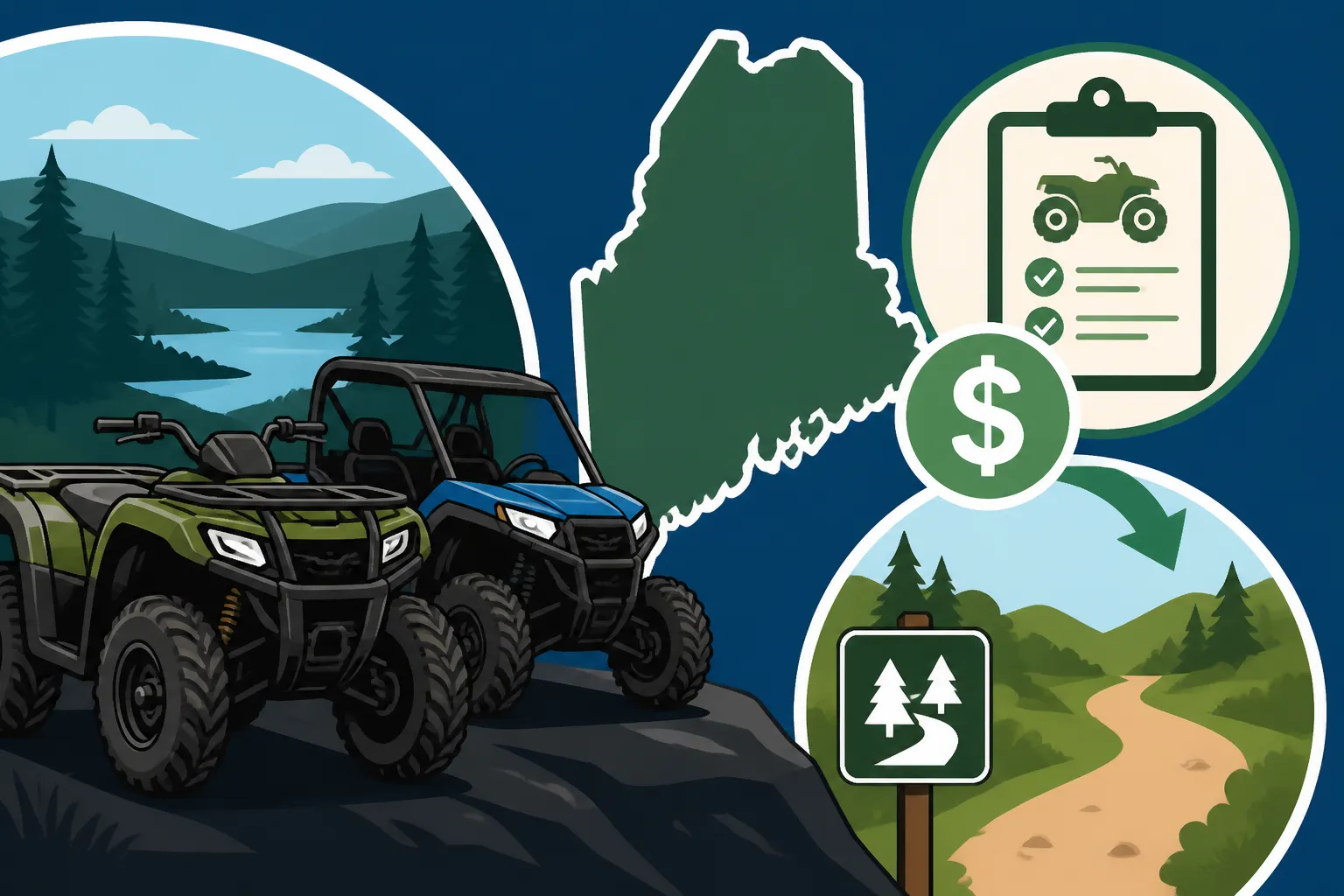
Think about the trails you ride. The smooth sections, the well-marked turns, the sturdy bridges crossing babbling brooks, or the culverts preventing washouts. All of that takes resources. A significant portion of your registration fee goes directly into the Maine ATV Trail Fund, which is specifically earmarked for the maintenance, acquisition, and development of ATV trails. This includes crucial items like brushing back overgrown trails so you don't get smacked in the face by branches, clearing fallen trees after a big storm, repairing and replacing culverts to ensure proper drainage and prevent erosion, and even purchasing new land easements to connect existing trails or create entirely new riding opportunities.
The Bureau of Parks and Lands plays a central role in overseeing these funds and working with local clubs. They manage the grants that enable clubs to perform their vital work. So, while you're focused on getting your sticker and riding, know that [Where Maine ATV Registration Money Goes] is carefully allocated to keep those trails pristine. This funding also supports trail mapping efforts, ensuring that those fantastic maps you pick up at local businesses or download online are accurate and up-to-date, guiding you safely through the wilderness. Without these funds, our beloved trails would quickly become overgrown, impassable, and ultimately, closed.
The Importance of Club Partnerships
Here in Maine, our ATV and UTV trail system thrives on a truly incredible partnership between the state and local ATV clubs. These clubs are the unsung heroes of the trails, often comprised of dedicated volunteers who put in countless hours of their own time, sweat, and sometimes even personal funds, to maintain the routes. Your registration fees are absolutely critical because they provide the financial backbone for these clubs to do their work.
Through the [Maine ATV Trail Fund and Club Grants], these local organizations can apply for grants to cover the costs of materials, equipment, and even some administrative needs. Imagine a club needing to replace a bridge that has fallen into disrepair. That's a huge undertaking! They need lumber, maybe some heavy equipment for a day, and volunteers to do the labor. The grant money derived from your registration helps them purchase that lumber or rent that excavator. It’s what allows them to put gas in their own ATVs or trucks when they’re out doing trail work. It empowers these clubs to build new bypasses around sensitive areas, install new signage, and ensure that the landowner relations that are so vital to our trail access remain strong. When you see a well-maintained trail, you're seeing your registration dollars at work, channeled through the incredible efforts of local club members. If you've ever wondered about getting involved, learning about [Volunteering With a Maine ATV Club] can show you the direct impact of these funds.
How Trail Grant Programs Work in Maine
The process of turning your registration dollars into rideable trails isn't magic; it's a structured and diligent system designed to ensure accountability and maximize the impact of every dollar. The state of Maine, primarily through the Department of Agriculture, Conservation and Forestry's Bureau of Parks and Lands, collaborates closely with local ATV clubs to manage these essential grant programs. It's a testament to how effectively public and private efforts can merge to support our shared passion for off-road riding.
The Application Process for Clubs
Local ATV and UTV clubs are the primary applicants for these trail grants. The process is thorough, and for good reason—it ensures that public funds are used wisely and for projects that truly benefit the wider riding community. Clubs typically identify specific projects on their managed trail systems that require funding, such as rebuilding a deteriorated bog bridge, replacing a washed-out culvert, or clearing a new section of trail that has been approved by landowners. They then submit detailed proposals to the state.
These proposals outline the scope of the project, estimated costs for materials and any contracted labor, and the expected benefits for riders. For example, a club might apply for funds to purchase specific tools, like heavy-duty weed whackers or a small tractor, which will allow their volunteers to be more efficient in trail clearing. They might request money for gravel to resurface a muddy section or for sturdy lumber to construct a new boardwalk over a wet area. The state reviews these applications, often prioritizing projects that address safety concerns, improve trail sustainability, expand the trail network, or enhance the overall rider experience. Clubs need to demonstrate a clear plan, often including maps and photographs, and show how they will manage the project to completion. You can find more details on [How Maine Clubs Apply for Trail Money] directly from the state's resources.
Ensuring Accountability and Transparency
The state doesn't just hand out money and hope for the best. There's a strong emphasis on accountability and transparency throughout the grant program. Once a club receives a grant, they are responsible for adhering to strict reporting requirements. This means keeping meticulous records of all expenditures, often submitting receipts and invoices for materials purchased and services rendered. They also have to document the progress of the project, frequently with before-and-after photos, to demonstrate that the work was completed as proposed.
This level of oversight is crucial for several reasons. Firstly, it ensures that taxpayer and rider funds are used exactly as intended, preventing misuse or waste. Secondly, it helps maintain trust with the private landowners who generously allow trails to cross their property. Landowners need to know that the trails are being responsibly managed and that any work done on their land is professional and beneficial. Finally, it reinforces the integrity of the entire trail system. Clubs themselves often rely on clear, formal documents for everything from internal governance to agreements with private landowners. Resources like LawDepot can be incredibly helpful for clubs when they need to draft legally sound waivers, landowner agreements, or detailed bylaws, ensuring their operations are always above board and transparent. This meticulous attention to detail allows the [Maine ATV Program at the Bureau of Parks and Lands] to continue securing and distributing vital funds for our trails year after year. LawDepot can assist clubs in creating robust official documents that stand up to scrutiny, which is important for grant compliance and maintaining good relationships. Having well-structured agreements, perhaps created using a platform like LawDepot, can make the application process smoother and demonstrate a club's commitment to professionalism. Clubs often use services like LawDepot to formalize their internal policies or volunteer agreements, which are essential when managing grant-funded projects.
The Tangible Impact on Your Riding Experience
So, what does all this behind-the-scenes work, the fees, the grants, and the volunteer hours really mean for you, the rider? It means the difference between a thriving, expansive, and well-maintained trail system and a neglected, inaccessible patchwork of paths. Every time you register your ATV or UTV, you're directly contributing to the quality and availability of your next ride.
From Fees to Fines to Accessible Trails
Let's break down the journey of that registration fee. When you pay your [Maine Resident ATV Registration Fee] or your [Maine Non-Resident Annual ATV Registration], that money is collected and pooled. A significant portion of that pool becomes the grant funding available to local clubs. These clubs then apply for grants to tackle specific projects – maybe it's clearing a section of trail, repairing a bridge, or putting up new directional signs. They purchase materials, mobilize volunteers, and get the work done. The result? You get to ride on trails that are cleared, safe, and clearly marked.
Think about the feeling of cruising down a well-maintained trail, confident in the signage, knowing that bridges are sound and culverts are preventing huge mud bogs. That's your registration at work. Without this system, many of the thousands of miles of trails across Maine simply wouldn't exist or would quickly become impassable. The funds also contribute to enforcement and safety initiatives, ensuring that everyone can enjoy the trails responsibly. And speaking of responsibility, understanding [Penalties for Riding an Unregistered ATV in Maine] really drives home the importance of everyone contributing their fair share to this vital system. Even fines for violations often circle back into programs that benefit overall trail safety and maintenance, demonstrating that the financial cycle is designed to sustain the resource.
Sustaining the Future of Maine ATV Riding
The long-term health and growth of Maine’s ATV and UTV trail system depend entirely on the consistent flow of registration revenue and the diligent efforts of the clubs who utilize those funds. This isn't just about fixing today's problems; it's about building for tomorrow. Grant money helps clubs invest in more durable trail infrastructure, like permanent culverts or robust bridges, which means less repair work needed down the line and more time for expanding the network. It allows them to experiment with new trail-building techniques that minimize environmental impact and maximize rider enjoyment.
Moreover, a well-funded and well-maintained trail system is critical for maintaining positive [Landowner Relations on Maine ATV Trails]. Many of Maine's trails cross private land, and landowners are much more likely to continue granting access if they see that the trails are being cared for and managed responsibly. When clubs can address issues like erosion or trash quickly because they have grant money and volunteer support, it builds trust and goodwill. So, when you choose to register your machine, you're not just buying a sticker; you're casting a vote for the continued vitality and expansion of this incredible resource. You're helping ensure that future generations will also have the opportunity to explore the vastness of Maine's backcountry on their ATVs and UTVs, making memories on well-kept trails with accurate [Maine ATV Trail Maps and Club Boundaries] guiding their way. This commitment to funding through registration is the bedrock upon which our riding future stands.
Disclaimer
This article is for general informational purposes only and does not constitute professional advice. Laws, prices and regulations vary by location and change over time. Consult a qualified professional for guidance on your specific situation.