Riding an ATV Across a Maine Bridge
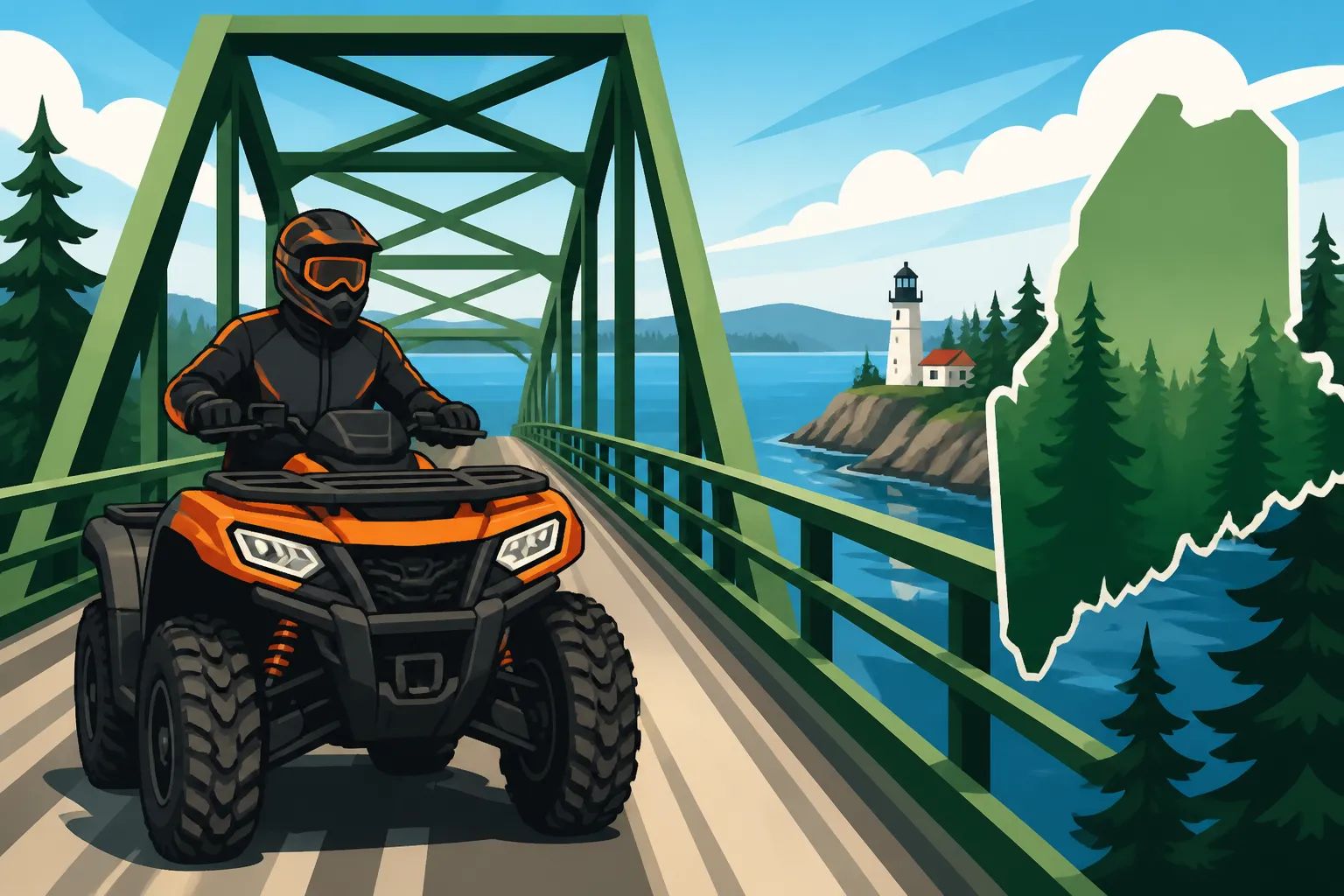
That moment you're cruising along a beautiful Maine ATV trail, soaking in the sights and sounds, and suddenly, you see it: a bridge ahead. It might be a rustic wooden structure spanning a small brook, or it could be a massive steel and concrete span crossing a major river, complete with car traffic. Immediately, your mind starts racing with questions. Is this bridge part of the trail? Can I legally cross it? What are the rules? It's a common point of confusion for many riders, and understanding how to safely and legally navigate these crossings is crucial for a smooth and enjoyable ride. This guide aims to clear up that confusion, offering practical advice and detailing Maine's specific rules for riding your ATV or UTV across bridges.
The Basics of Bridge Crossings in Maine
Navigating bridges on your ATV or UTV in Maine isn't always as simple as just riding straight across. There's a vital distinction to be made, and it boils down to whether that bridge is exclusively for ATV trail use or if it's part of the public road system. Misunderstanding this can lead to uncomfortable encounters with wardens, fines, or even dangerous situations.
Understanding Public Way vs. Trail Bridges
Imagine you're deep in the woods, following a well-marked club trail. You come across a sturdy, well-maintained wooden bridge spanning a stream or a small ravine. This is likely a dedicated ATV trail bridge. These are usually built and maintained by local ATV clubs or the Maine Bureau of Parks and Lands (BPL) specifically for off-road vehicle use. On these bridges, the rules of the trail generally apply, meaning you can typically cross them as part of your ride. They are an integral part of [Maine's 6,000 Miles of ATV Trails].
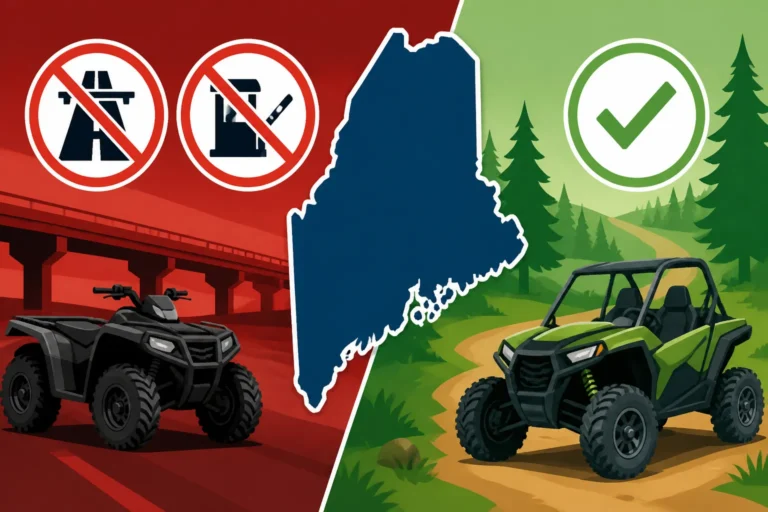
Now, picture a different scenario. You're riding along a section of trail that briefly connects to a gravel town road, and that road crosses a larger river via a bridge that cars, trucks, and even pedestrians regularly use. This is a public way bridge. Even if there's a designated ATV access route on either side leading up to it, the bridge itself is part of the public road infrastructure. This distinction is critical because public way bridges come with a whole different set of regulations that apply to ATVs, regardless of whether there's an ATV trail symbol painted on the railing. It's not just about what the bridge is made of, but who owns and maintains the thoroughfare it's a part of.
Legalities of Crossing Public Road Bridges
This is where many riders get tripped up. Maine law has specific provisions for ATVs on public ways, and bridges that are part of these public ways fall under those same rules. The most well-known rule is Maine's "500-yard limit." Generally, ATVs are prohibited from operating on the paved or gravel surface of a public way, except for very limited circumstances, one of which is to cross.
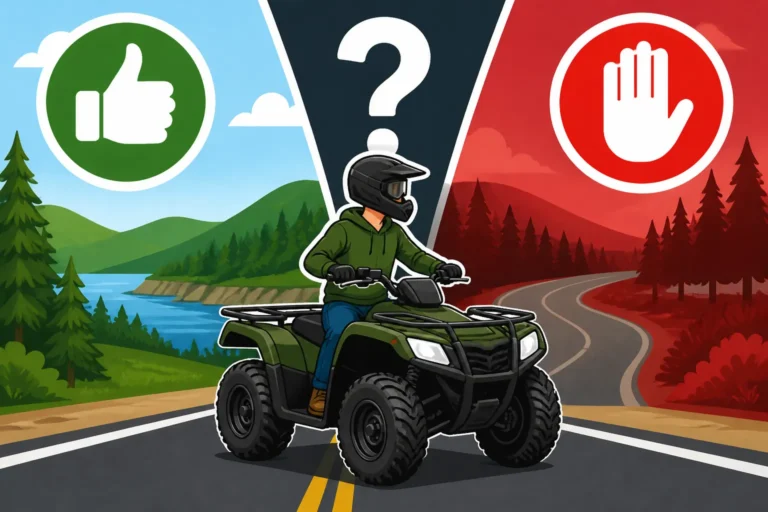
When you encounter a public road bridge, you are almost certainly on a public way for the duration of that crossing. This means you must adhere to all traffic laws as if you were operating a car, even though you're on an ATV. This includes coming to a complete stop before entering the public way, yielding to all vehicular traffic, and riding in a safe and predictable manner. Many towns have specific ordinances governing ATV use on their roads, and these rules often apply doubly when crossing a bridge that is part of their road network. You'll need to be vigilant for signs indicating approved ATV access routes or specific crossing points. If a bridge is not explicitly marked as an ATV crossing or part of a designated access route, you generally cannot use it. Simply being on a trail that leads to a public road bridge doesn't automatically grant you permission to cross it. Always assume you need explicit permission, either by state law, local ordinance, or clear signage.
Bridges as Designated ATV Access Points
Fortunately, many towns and communities across Maine understand the importance of connectivity for the ATV trail network. As a result, they've worked with local clubs and the BPL to designate certain public road bridges as official ATV access points or connectors. These are bridges where local ordinances specifically allow ATVs to cross, bridging the gap between different sections of trails.
How do you identify these? The most reliable way is through official ATV trail maps provided by clubs or the BPL, which will clearly mark these crossing points. You might also see specific signage near the approach to the bridge indicating "ATV Crossing" or "ATV Access Route." When you're on one of these designated routes, you're still sharing the space with cars, trucks, and potentially pedestrians, so extreme caution is paramount. Even though it's a "legal" crossing, it doesn't mean you can just zoom across without a care in the world. You must still yield to motor vehicle traffic and often stay to the far right of the road surface. These designated crossings are a testament to the hard work of local clubs and landowners, and it's up to us as riders to use them responsibly to maintain these vital connections. For instance, in areas around [Aroostook County's 1,300-Mile Trail Network], bridges are often key components for linking trails over rivers.
Safety First: Navigating Bridges Safely
Regardless of whether you're on a dedicated trail bridge or a designated public road crossing, safety should always be your top priority. Bridges present unique challenges that require a different approach than typical trail riding. Ignoring these safety considerations can lead to accidents, damage to your machine, or even legal trouble.
Approaching and Crossing Public Road Bridges
When approaching a public road bridge, especially one that carries vehicular traffic, you need to switch into "road riding" mode, even if it's just for a moment. First, slow down significantly as you near the road or intersection. Before entering the paved or gravel surface, come to a [Complete Stop Before Entering a Maine Public Way]. This isn't a suggestion; it's a legal requirement. Look carefully in both directions—left, then right, then left again—for any oncoming traffic. Remember, you're less visible on an ATV than a car, so assume drivers might not see you.
Once it's clear, proceed directly across the bridge, staying as far to the [Riding the Extreme Right of a Maine Road] as safely possible. Ride single file if you're with a group. Avoid weaving, sudden stops, or quick accelerations. Your goal is to cross the public way as predictably and efficiently as possible. If it's low light, dawn, or dusk, ensure your headlights and taillights are on, and consider wearing reflective clothing. [Maine Lighting Requirements for Night Riding] are not just for night; they apply whenever visibility is reduced.
| Feature | Dedicated ATV Trail Bridge | Public Road Bridge (Designated Access) | Public Road Bridge (Undesignated) |
|---|---|---|---|
| Primary Use | ATV/UTV traffic only | Shared with motor vehicles | Motor vehicles only |
| Maintenance | ATV clubs, BPL | Town, county, state DOT | Town, county, state DOT |
| Speed | Appropriate for trail conditions | Slow, cautious, yield to vehicles | Prohibited for ATV use |
| Stop & Yield | Not usually required unless marked | Mandatory stop and yield to traffic | N/A (prohibited) |
| Visibility | Less critical for other vehicles | Highly critical for other vehicles | N/A (prohibited) |
| Legal Status | Part of legal trail network | Specific local/state permission to cross | ATV operation generally illegal |
| Required Gear | Helmet (youth), registration | Helmet (youth), registration, proper lights | N/A (prohibited) |
Navigating Dedicated ATV Trail Bridges
While generally safer due to the lack of motor vehicle traffic, dedicated ATV trail bridges still require your attention. Before crossing, visually inspect the bridge surface as best you can. Look for missing planks, large gaps, ice, or deep mud that could throw your machine off balance. These bridges, while crucial, can sometimes take a beating from weather and heavy use. If you spot a serious issue, it's wise to report it to the local ATV club or BPL, as they are responsible for [Maine ATV Trail Grooming and Bridges].
Reduce your speed when approaching and crossing these bridges. While you might not need to stop, maintaining a moderate pace gives you better control. If it's a narrow bridge, especially a smaller wooden one, consider crossing one machine at a time to distribute weight and ensure stability. Avoid sudden braking or acceleration while on the bridge itself, as this can cause loss of traction. These bridges are built for safe passage, not for stunts or excessive speed. A steady, controlled approach is always the best policy. Many products from brands like SuperATV, such as their heavy-duty tie rods or control arms, can offer enhanced stability for your machine, which is always a plus when navigating varied terrain, including bridges.
Equipment and Machine Readiness for Bridges
Your machine's condition plays a significant role in safe bridge crossings. First and foremost, ensure your brakes are in excellent working order. You might need to stop suddenly, especially on public road bridges. Check your tire pressure; appropriate pressure provides better traction and stability on varied surfaces like wood, gravel, or pavement.
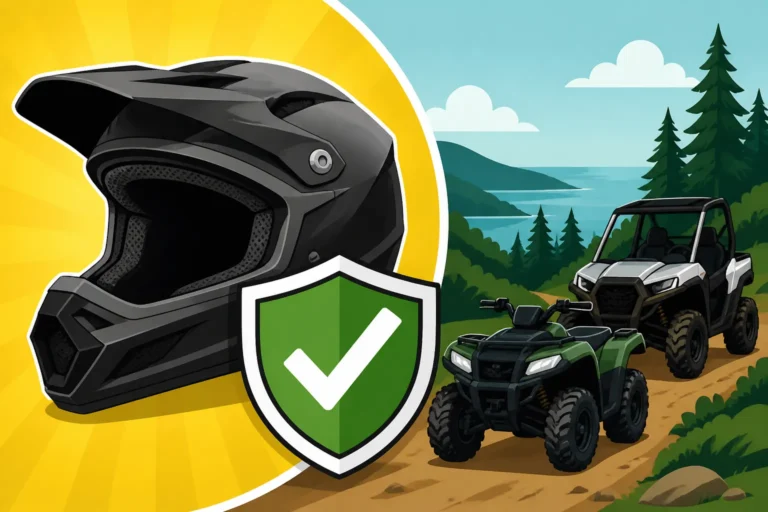
For public road crossings, your lighting system is paramount. Make sure your headlights, taillights, and brake lights are functioning correctly. Reflective tape on your machine or helmet can also significantly increase your visibility to other motorists. Remember, [Maine Helmet Rules for Riders Under 18] are strict, and even adults should consider a helmet for public road crossings, though not legally mandated. Eye protection, such as [Goggles or Face Shield on an Open Quad], is also essential to protect against debris, wind, and glare, ensuring clear vision as you navigate. Finally, make sure any gear you're carrying is securely strapped down. A loose cooler or backpack shifting unexpectedly could throw off your balance at a critical moment.
Common Mistakes and How to Avoid Them
Even experienced riders can sometimes make mistakes when it comes to bridge crossings. A moment of inattention, a lapse in judgment, or simply not knowing the specific rules can turn a simple crossing into a costly error. Being aware of these common pitfalls is the first step to avoiding them.
Assuming All Bridges Are Fair Game
This is arguably the most significant mistake riders make. The sight of a bridge, especially one that looks like it could connect to the trail system, often leads to the assumption that it's okay to cross. However, as we've discussed, not all bridges are created equal in the eyes of Maine law. Many bridges, particularly larger ones carrying state or federal highways, are strictly off-limits to ATVs. There's no exception, no "just this once." Riding on these can result in serious fines and consequences for operating on a prohibited public way.
Always look for clear signage, consult your maps, or check with local ATV clubs. If there's no explicit indication that ATV crossing is permitted, assume it is not. It's better to turn around and find an alternate route than to risk a fine or, worse, an accident. This vigilance is particularly important in regions like [Maine's 500-Yard Limit on a Public Way], where the rules dictate very specific and limited access.
Speed and Recklessness on Bridges
The thrill of riding can sometimes lead to an urge to push the limits, but a bridge is absolutely the wrong place to do it. Speeding across a bridge, especially a wooden one or one with a potentially slick surface, is an invitation for disaster. Losing control on a bridge means you're confined to a narrow space with little room for recovery, often with a steep drop-off or water below. On public road bridges, excessive speed compounds the danger, making it harder to react to vehicular traffic and increasing the risk of a collision.
Maine wardens take reckless operation very seriously. [Maine Fines for Reckless ATV Operation] can be substantial, and the risk to yourself and others is simply not worth the momentary thrill. Always reduce your speed, maintain a steady course, and focus on safe passage.
Ignoring Local Ordinances and Signs
Maine is a diverse state with many towns, each with the ability to set its own specific ordinances regarding ATV use on public ways within its borders. What's allowed in one town might be strictly prohibited in the next, even for a bridge that looks identical. This is why [Maine Town Ordinances That Restrict ATVs] are so important to be aware of. You might be following state law to the letter, but still unknowingly violating a local rule.
Always pay close attention to any "No ATV" signs, "ATV Prohibited" signs, or other local postings near bridges or public ways. These signs are there for a reason and represent the town's legal stance on ATV access. Local ATV club websites and maps are excellent resources for understanding the specific rules in different areas. If you find yourself unsure about the legality of a bridge crossing, the safest course of action is always to assume it's prohibited and seek an alternative route. Riding an [Unregistered ATV] will compound the problem, adding another layer of legal trouble.
Planning Your Route Around Bridges
Thoughtful route planning is a critical skill for any ATV rider in Maine, and knowing how to navigate or avoid bridges is a big part of it. A little foresight before you head out can save you a lot of headaches and keep you on the right side of the law.
Utilizing Maps and Apps
Gone are the days when a crumpled paper map was your only guide. Today, there are fantastic digital tools available that can make route planning, especially around bridges, much easier. Apps like onX Offroad are invaluable, offering detailed topographic maps, private land boundaries, and often, crowdsourced trail information that can highlight tricky bridge crossings or designated ATV routes. [onX Offroad Maps for Maine Trails] are regularly updated and can be downloaded for offline use, which is a lifesaver in areas with spotty cell service.
Local ATV club maps, whether digital or physical, are another goldmine of information. These maps are often the most accurate for depicting designated ATV trails and any public way crossings, including bridges, that are explicitly permitted. Always check the legend for specific symbols indicating bridge types or restrictions. Planning your ride with these resources allows you to identify potential bridge crossings in advance, understand their legal status, and even plot detours if a bridge is closed, unsafe, or off-limits. You might even find designated underpasses, like those detailed in [Using a Highway Underpass on an ATV], that allow you to avoid surface road crossings entirely.
Connecting Trails via Bridges
In many parts of Maine, bridges serve as crucial arteries, connecting what would otherwise be isolated segments of the vast ATV trail network. These can be the difference between a short, fragmented ride and a multi-day adventure that spans towns and counties. For instance, in popular riding destinations like [Riding The Forks ATV Trail Network in Maine] or the [Rangeley Area ATV Trails], bridges often link major sections of trails across rivers and streams.
When you're planning a longer trip, understanding which bridges are part of these approved connectors is essential. They allow riders to travel from one town to the next, access trailside businesses, or link up with other club trails. However, because they are such vital links, respecting the rules on these bridges is doubly important. Losing access to a key connecting bridge due to irresponsible riding can severely impact the entire trail system for everyone.
When in Doubt, Re-Route
This is the golden rule of responsible ATV riding, especially when it comes to bridges: if you are ever in doubt about the safety or legality of crossing a bridge, turn around and find another way. No ride is worth risking an accident, a hefty fine, or alienating landowners and local communities. Sometimes, this might mean backtracking a few miles or taking a longer, less direct route, but it’s always the safest and smartest choice.
Always have a contingency plan. Before you leave, identify alternate routes for key sections of your ride, especially those involving bridge crossings. Talk to local riders, check with ATV clubs, or consult a Maine Warden if you have specific questions. The Maine Bureau of Parks and Lands also offers guidance on trail rules. Remember, the goal is to have a safe, enjoyable, and legal ride. Being prepared to re-route when facing an uncertain bridge crossing is a hallmark of an experienced and responsible rider.
Disclaimer
This article is for general informational purposes only and does not constitute professional advice. Laws, prices and regulations vary by location and change over time. Consult a qualified professional for guidance on your specific situation.