Buying a Helmet That Meets the Standard
Stepping out to hit the trails on your ATV or UTV in Maine is an exhilarating experience, but the sheer number of helmet options available can make your head spin, leaving you wondering if you're truly buying something that will protect you and keep you compliant with state law. It's frustrating to invest in gear only to find it's either not up to snuff or simply uncomfortable for long days out. This comprehensive guide is here to cut through the confusion, helping you understand exactly what Maine requires for ATV and UTV helmets and how to choose one that offers both safety and comfort for your adventures.
Understanding Maine's Helmet Requirements
Maine takes rider safety seriously, especially when it comes to head protection on ATVs and UTVs. While some states have very broad helmet laws, Maine has specific stipulations you need to be aware of. It's not just about wearing any helmet; it's about wearing the right helmet that meets the necessary safety criteria.
Who Needs to Wear a Helmet in Maine?
This is where the age factor comes into play significantly, and it's a critical piece of information for anyone riding in Maine. If you're under a certain age, a helmet isn't optional—it's absolutely required, whether you're driving or just along for the ride.
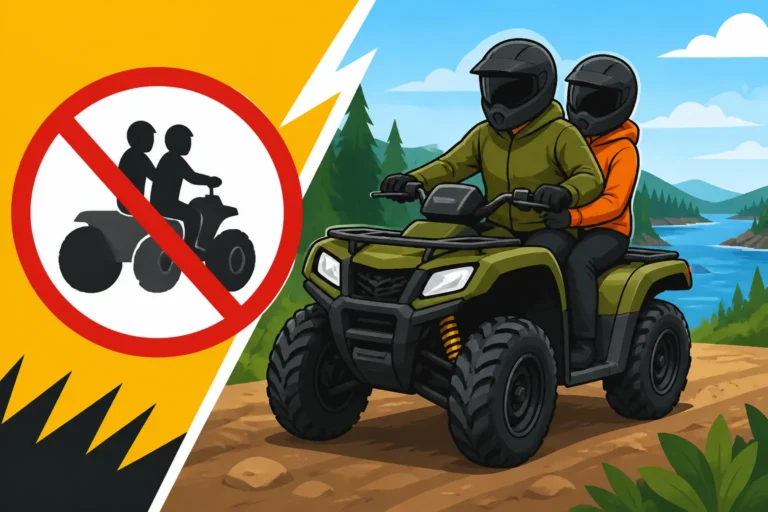
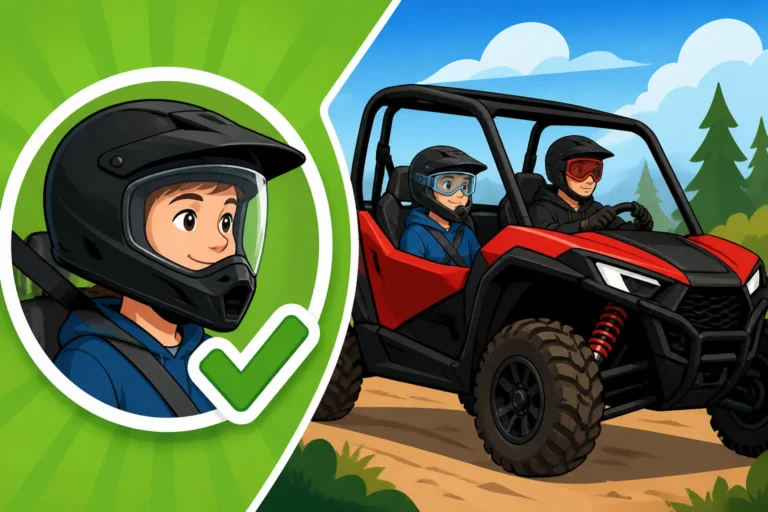
For starters, all riders and passengers under the age of 18 must wear a helmet when operating or riding as a passenger on an ATV or UTV. This rule is non-negotiable and applies across the board, whether you're on a designated trail, a private woodlot, or even crossing a public way. This means if you have a 16-year-old taking the handlebars, or a 10-year-old riding shotgun in your side-by-side, they absolutely need proper head protection. Many folks wonder about the specifics, and it's good to dive into [Maine Helmet Rules for Riders Under 18] for all the details. Even a 17-year-old, who might feel pretty adult, still falls under this mandate, so understanding [Helmet Rules for a 17-Year-Old Rider in Maine] is crucial.
Now, what about adults? This is where many riders get a bit confused. For operators and passengers aged 18 and older, Maine law generally does not require a helmet when riding on designated trails or private land. However, there's a huge caveat: if you're riding a UTV that has been made street-legal and is being operated on a public way where regular motor vehicles travel, then you might fall under different regulations, including potential helmet requirements depending on how the UTV is registered and what specific state or local ordinances apply. Even for adults, riding without a helmet carries inherent risks, and it's always wise to consider wearing one for your safety, regardless of the law. You can read up on [Maine Helmet Law for Riders Over 18] for further clarification on adult requirements.
What Standards Do Helmets Need to Meet?
This is perhaps the most important aspect of purchasing a helmet that's actually legal and effective in Maine. The state doesn't just say "wear a helmet" and leave it at that. It specifies that the helmet must meet recognized safety standards. The primary standard you'll encounter and need to look for is the DOT certification.
DOT stands for the Department of Transportation, and their certification indicates that the helmet meets the minimum safety requirements outlined in the Federal Motor Vehicle Safety Standard (FMVSS) 218. This standard dictates things like impact attenuation (how well the helmet absorbs a crash impact), penetration resistance, and retention system strength (how securely the strap holds the helmet on). When you're shopping for a helmet, look for the DOT sticker on the back of the helmet, typically at the bottom edge. This isn't just a label; it's a testament to the helmet's design and testing.
Beyond DOT, you might also see helmets certified by Snell or ECE (Economic Commission for Europe). Snell is an independent, non-profit organization that conducts even more rigorous testing than DOT, often considered the gold standard for helmet safety. ECE certification is common for helmets sold internationally and is also a very high standard. While Maine law primarily focuses on DOT compliance, a Snell or ECE certified helmet will undoubtedly meet or exceed the DOT requirements. Think of it this way: if a helmet is Snell certified, it's almost certainly DOT compliant, but a DOT helmet isn't necessarily Snell certified. Understanding the nuances between [DOT vs ANSI Helmet Standards for Riders] can help you make a more informed decision. While ANSI (American National Standards Institute) is mentioned in some older regulations, FMVSS 218 (DOT) is the prevalent standard for helmets in Maine today. Always prioritize DOT, and if you can get Snell or ECE, even better for your peace of mind.
Choosing the Right Helmet Type for ATV/UTV Riding
Now that you know the legal requirements, let's talk about the practical side of choosing a helmet. ATVs and UTVs present unique riding conditions compared to motorcycles or even street-legal vehicles, so the type of helmet you choose can significantly impact your comfort, visibility, and overall safety on the trail.
Full-Face vs. Open-Face vs. Modular Helmets
Each helmet style offers a different balance of protection, ventilation, and convenience. Your riding style, the terrain you frequent, and even the weather in Maine will all play a role in your decision.
- Full-Face Helmets: These offer the most comprehensive protection, covering your entire head, including your chin and jaw. They're excellent for protecting against impacts, flying debris (think rocks, branches, mud flung from tires), and even harsh weather conditions. The integrated visor protects your eyes, which is crucial on dusty trails. The downside can sometimes be weight, reduced peripheral vision for some designs, and less ventilation, which can lead to fogging on cooler, humid days or make you feel hot during summer rides. However, many modern full-face ATV helmets are designed with aggressive ventilation and wider eye ports specifically for off-road use, making them a fantastic choice for serious trail riders who want maximum protection.
- Open-Face (3/4) Helmets: These helmets cover the top, back, and sides of your head, but leave your face exposed. They offer superior airflow and a wider field of vision, which some riders prefer, especially in warmer weather or when they want to feel more connected to their surroundings. The trade-off is significantly less protection for your face and chin. If you opt for an open-face helmet, eye protection is absolutely non-negotiable. You'll need to wear goggles or glasses designed for off-road use to shield your eyes from dust, insects, and debris. This is why understanding [Goggles or Face Shield on an Open Quad] is so important if you go this route.
- Modular (Flip-Up) Helmets: These are a hybrid, combining aspects of both full-face and open-face helmets. The chin bar can flip up, allowing you to easily talk, drink, or get some fresh air without removing the entire helmet. When flipped down, they offer protection similar to a full-face helmet. They provide versatility, but often come with a weight penalty compared to a standard full-face helmet and can be more complex structurally. For ATV and UTV use, ensure the chin bar mechanism is robust and secure, especially if you anticipate rough terrain.
Ultimately, for ATV/UTV riding, especially on trails where hazards are common, a full-face helmet or a well-designed modular helmet offers the best balance of safety.
The Importance of Fit and Comfort
A helmet, no matter how highly rated, can't protect you properly if it doesn't fit right. An ill-fitting helmet can shift during an impact, compromising its protective shell and liner. It can also be incredibly uncomfortable, leading to distractions and fatigue, which are dangerous on their own.
How to Measure Your Head: Before you even start shopping, measure the circumference of your head. Use a flexible tape measure and wrap it around the widest part of your head, usually about an inch above your eyebrows, just above your ears, and around the back of your head at the largest point. Compare this measurement to the helmet manufacturer's sizing chart. Don't guess; different brands can have slightly different sizing, so always check their specific guide.
Signs of a Good Fit:
- Snug but Not Painful: The helmet should feel snug all around your head, with even pressure. It shouldn't feel loose or have any significant gaps. It might feel a bit tight on your cheeks at first, but this is often intentional to ensure stability.
- No Rocking: With the strap fastened, try to move the helmet from side to side and up and down. Your scalp and skin should move with the helmet. If the helmet slides around independently, it's too big.
- Clear Vision: Ensure your field of vision isn't obstructed. You should be able to see clearly to the sides and have no major blind spots.
- Comfort Points: Check for any pressure points that cause discomfort, especially on your forehead or temples. While some new helmets can feel a little tight, persistent pressure points mean it's the wrong shape or size for your head.
- Strap Security: The chin strap should be adjustable and fasten securely under your chin without pinching. You should only be able to fit one or two fingers between the strap and your chin.
Remember, trying on helmets in person is always best, even if you plan to buy online. Spend a few minutes wearing it in the store to gauge comfort. An uncomfortable helmet will lead to you wearing it less, which defeats the purpose entirely.
What to Look for When Buying Your Helmet
Beyond the type and fit, there are specific details and features that can elevate a helmet from just "compliant" to truly excellent for ATV/UTV riding.
Checking for Certification Labels
This is the non-negotiable first step. When you pick up a helmet, immediately look for the certification sticker. As we discussed, for riding in Maine, you primarily need to see the DOT sticker. This is usually a circular or rectangular decal on the back of the helmet. If it's missing, or looks like a cheap, generic sticker, walk away. Helmets also often have a sewn-in label inside the helmet that indicates the manufacturing date, model, and certifications.
Why Reputable Sources Matter: Always buy your helmet from a reputable dealer, whether online or in person. Counterfeit helmets are a real problem. These helmets might look identical to certified ones, even having fake DOT stickers, but they offer little to no actual protection. They use substandard materials and haven't undergone any legitimate testing. Buying from established motorsports shops, authorized dealers, or well-known online retailers significantly reduces the risk of purchasing a fake. Companies like SuperATV, for example, are known for carrying a wide range of powersports accessories, and if they sell helmets, you can generally trust they're offering legitimate, certified products.
Key Features Beyond Basic Compliance
Once you've confirmed DOT certification and found a helmet that fits well, consider these additional features that can greatly enhance your riding experience and safety:
- Ventilation: This is huge, especially on warmer Maine days or during strenuous riding. Look for helmets with multiple intake and exhaust vents that allow air to flow through, keeping your head cool and reducing sweat buildup. Good ventilation also helps prevent visor fogging. Some helmets even have adjustable vents, allowing you to control airflow depending on the conditions.
- Weight: A lighter helmet can significantly reduce neck strain and fatigue on long rides. While protection is paramount, modern materials and design allow for strong, safe helmets that are also remarkably light. If you're comparing two similarly certified helmets, the lighter one might be a better choice for extended trail runs.
- Field of Vision: For off-road riding, a wide field of vision is crucial. You need to see obstacles, other riders, and trail markers clearly, especially in challenging terrain or when navigating tight turns. Pay attention to the size and shape of the eye port.
- Chin Strap System: While all helmets have a retention system, some are easier and more secure than others. A double D-ring closure is a classic, highly secure system. Quick-release buckles are convenient but ensure they are robust and won't inadvertently come undone.
- Washable/Removable Liner: You're going to sweat, and your helmet is going to get dirty. Being able to remove and wash the helmet's liner is a fantastic feature for hygiene and comfort. It keeps your helmet smelling fresh and extends its lifespan.
- Helmet Material: Helmets are typically made from thermoplastic, fiberglass composite, or carbon fiber. Thermoplastic (like polycarbonate) helmets are generally more affordable. Fiberglass and carbon fiber helmets are lighter and often stronger, but come at a higher price point. Each material has its own characteristics in terms of impact absorption and weight.
- Compatibility with Accessories: If you plan on using communications systems, action cameras, or specific goggles, ensure the helmet design accommodates them without issues. Some helmets are specifically designed with cutouts for communication systems or larger eye ports for specific goggle brands. For example, if you're looking for specific add-ons or parts, a place like
SuperATVoften has accessories that pair well with various helmet brands.
Maintaining Your Helmet for Long-Term Safety
Buying the right helmet is just the first step. Proper care and knowing when to replace it are just as crucial to ensuring it continues to provide the protection you need out on the Maine trails.
When to Replace Your Helmet
Helmets aren't meant to last forever, even if they look perfectly fine on the outside. Their protective capabilities degrade over time and, critically, after any significant impact.
- After an Impact: This is the golden rule: if your helmet takes a significant hit, replace it immediately. Even if there's no visible damage—no cracks, no dents—the internal foam liner (EPS, or expanded polystyrene) is designed to crush and absorb energy during an impact. Once it has done its job, it's compromised and won't be as effective in a subsequent crash. Think of it like a crumple zone in a car; it's a one-time use feature. Even dropping it from a significant height onto a hard surface can cause micro-fractures in the shell or damage the liner. Don't risk it; a new helmet is far cheaper than a head injury.
- Age of the Helmet: Helmet manufacturers generally recommend replacing helmets every 5 to 7 years from the date of manufacture, regardless of use. Over time, the materials (like the resins in the shell, the glue holding the liner, and the foam itself) can degrade due to exposure to UV light, sweat, chemicals from cleaning products, and general wear and tear. Always check the manufacturing date, usually found on a sticker inside the helmet.
- Signs of Wear and Tear: Beyond impacts and age, visually inspect your helmet regularly. Look for:
- Cracks or delamination in the outer shell.
- Frayed or damaged chin straps, or a malfunctioning buckle.
- Loose or deteriorating interior padding that no longer provides a snug fit.
- Excessive scratching that compromises the integrity of the shell.
- Any other visible damage that suggests the helmet is compromised.
If you notice any of these issues, it's time for a replacement.
Cleaning and Storage Tips
Proper cleaning and storage will help maximize your helmet's lifespan and ensure it's always ready for your next adventure.
- Cleaning the Shell: Use mild soap and water with a soft cloth to clean the exterior of your helmet. Avoid harsh chemical cleaners, solvents, or petroleum-based products, as these can degrade the helmet's materials, especially the shell and adhesives. Wipe gently and rinse thoroughly.
- Cleaning the Liner: If your helmet has a removable liner, take it out and hand wash it with mild soap (like baby shampoo or a gentle laundry detergent) and lukewarm water. Let it air dry completely before reinserting it. For non-removable liners, use a damp cloth with mild soap, being careful not to soak the foam, and allow it to air dry thoroughly.
- Visor/Goggle Care: Clean your visor or goggle lenses with a specific lens cleaner or mild soap and water, using a microfiber cloth to avoid scratching.
- Storage:
- Keep it out of direct sunlight: UV rays can degrade helmet materials over time.
- Store it in a cool, dry place: Avoid extreme temperatures or humidity, which can affect the foam and glues.
- Protect it from drops: When not in use, store your helmet in a helmet bag or on a dedicated helmet shelf or hook to prevent accidental falls. Never leave it dangling from a handlebar or seat, where it's prone to falling.
- Avoid exposure to chemicals: Keep your helmet away from gasoline, cleaning fluids, exhaust fumes, and other chemicals that can damage the shell or liner materials.
By following these guidelines, you'll be well-equipped to choose, wear, and maintain a helmet that meets Maine's standards and provides critical protection for years to come. Knowing [What Maine Riders Need Before They Ride] often starts with having the right helmet. Remember, the investment in a good helmet is an investment in your safety and enjoyment on every ride. Taking an [Maine ATV Safety Course Requirements] is also a great way to deepen your understanding of safe riding practices, including proper gear use.
Helmet Type Comparison for ATV/UTV Riding
| Helmet Type | Key Features | Protection Level | Ventilation | Field of Vision | Typical Use Cases |
|---|---|---|---|---|---|
| Full-Face | Covers entire head, chin bar, integrated visor. | High (Comprehensive) | Moderate to High (Varies by design with specific vents for off-road) | Good (Integrated visor, some can be bulky) | Aggressive trail riding, dusty conditions, colder weather, maximum debris protection. |
| Open-Face (3/4) | Covers top, back, and sides of head; exposed face. Requires separate eye protection. | Moderate (No chin/face protection) | High (Excellent airflow) | Excellent (Unobstructed view) | Warm weather riding, casual trail riding, when feeling connected to surroundings is priority. |
| Modular (Flip-Up) | Combines full-face protection with an articulating chin bar. | High (When chin bar is down) | Moderate to High (Can open face for max airflow) | Good (Similar to full-face with added versatility) | Versatile riders, mixed conditions, convenience for talking/drinking without full removal. |
Disclaimer
This article is for general informational purposes only and does not constitute professional advice. Laws, prices and regulations vary by location and change over time. Consult a qualified professional for guidance on your specific situation.