Goggles or Face Shield on an Open Quad
Navigating the diverse terrain of Maine's ATV trails, from dusty logging roads to muddy stream crossings, demands not only skill and attention but also the right protective gear. One of the most common dilemmas riders face, especially those on open quads without full cabins, is choosing between traditional goggles and a helmet-integrated face shield to keep their vision clear and their eyes safe. It's a choice that impacts everything from comfort on a long ride to how well you can react to sudden trail hazards, and this guide is here to help you sort through the options and make the best decision for your riding style.
The Essential Role of Eye Protection on Maine Trails
It's easy to think of eye protection as just another item on a gear checklist, or perhaps something you only consider when the sun is glaring. But out on the vast network of Maine ATV trails, your eyes are constantly under assault from a variety of elements, making robust protection an absolute necessity. Ignoring this crucial piece of safety equipment can quickly turn a fun day into a frustrating or even dangerous experience, whether you're cruising through Aroostook County or exploring the Moosehead Lake region.
More Than Just a Law: Protecting Your Vision
While Maine does have specific regulations regarding helmet use for younger riders and eye protection in certain situations, the real reason to wear goggles or a face shield goes far beyond simply complying with the law. Your eyesight is irreplaceable, and the trail environment is inherently unpredictable. Imagine a small stone flung up by a riding buddy's tire at speed – that's a direct hit hazard. Or think about the sheer amount of dust that can kick up on a dry summer day, creating a blinding cloud that can easily obscure obstacles. Without proper eye protection, even a minor incident can lead to severe eye injury, forcing you off the trail and potentially causing long-term damage. It's about proactive self-preservation, ensuring you can enjoy many more seasons of riding without a visit to the emergency room.
Common Trail Hazards Your Eyes Face
The list of potential threats to your eyes on a Maine ATV trail is surprisingly extensive. First and foremost, you have airborne debris. This includes everything from small pebbles and sand, especially if you're riding behind another machine, to twigs and leaves from low-hanging branches that might snap back. Then there's the mud and water: hitting a puddle or a muddy section can send a spray directly into your face, and if you're not protected, that's instant blindness, even if only for a second. Consider also the ubiquitous Maine black flies and mosquitoes in warmer months; a direct hit from one of these at speed can be startling and distracting. And let's not forget the sun's glare, which, while not a direct impact, can severely reduce visibility and lead to fatigue over a long day. Even without an accident, sustained exposure to wind and dust can cause dry, irritated eyes, diminishing your comfort and ability to focus on the trail ahead.
Goggles: The Trail Rider's Classic Choice
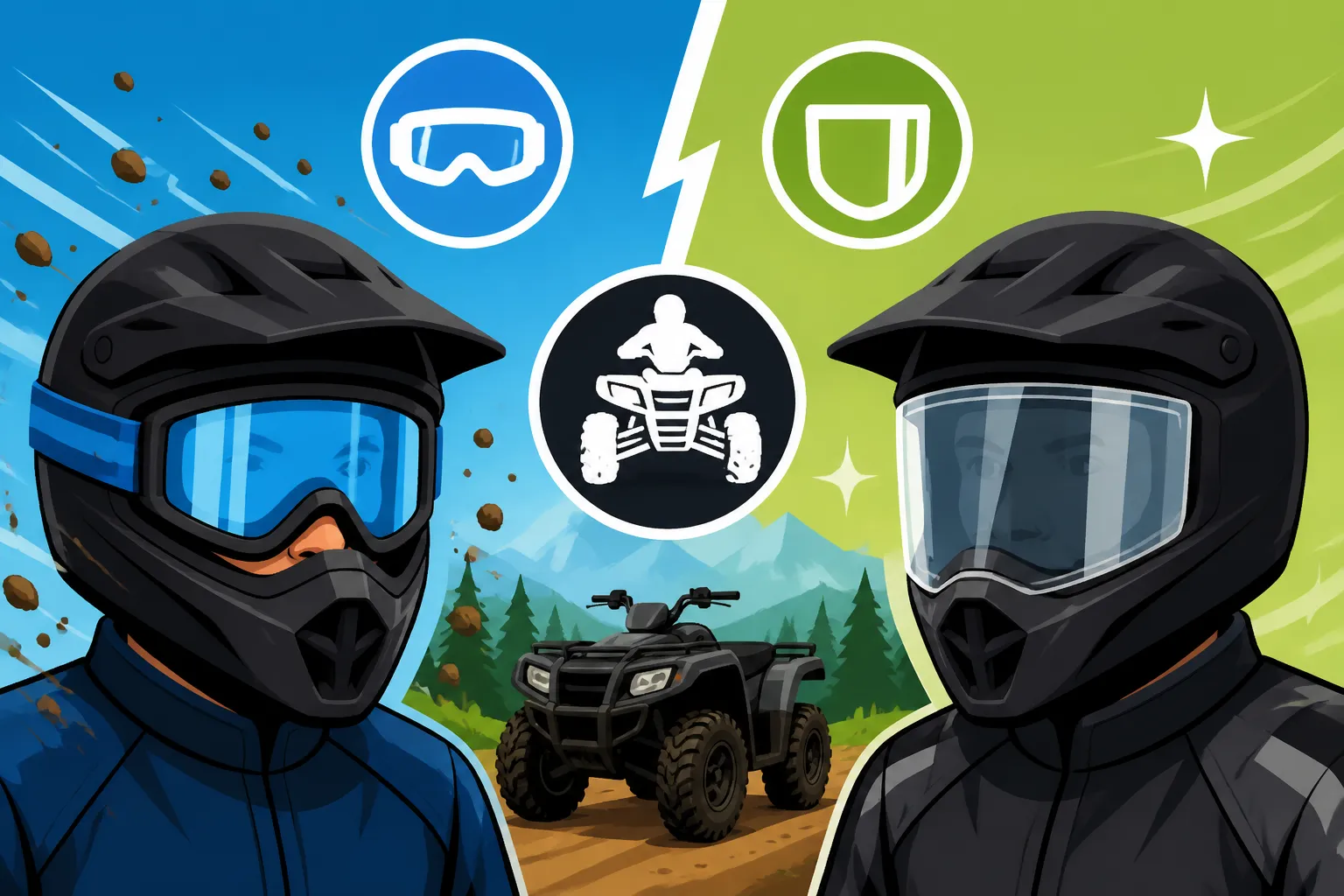
For many seasoned ATV enthusiasts, a good pair of riding goggles is as fundamental as the helmet itself. This dedicated piece of eye protection has been the standard for off-road riders for decades, and for good reason. They offer a unique combination of features specifically tailored to the demands of aggressive trail riding, providing a tight seal and customizable options that can make all the difference when conditions get tough.
Advantages of Dedicated Goggles
One of the biggest advantages of dedicated goggles is their superior seal against dust, dirt, and debris. They are designed to fit snugly against your face, often with multiple layers of foam, preventing even the finest particles from getting into your eyes. This is absolutely critical on those dry, dusty Maine logging roads where a single passing vehicle can create a blinding cloud. Many goggles also boast excellent ventilation systems, which, when combined with anti-fog coatings, can significantly reduce lens fogging, especially when you're working hard on challenging terrain or stopping frequently. Brands like SuperATV offer advanced anti-fog technologies in their lenses, which can be a real lifesaver on a humid day or when transitioning between shaded woods and open clearings. Furthermore, goggles often come with interchangeable lenses, allowing you to swap out clear lenses for low-light conditions, tinted lenses for bright sun, or even amber lenses to enhance contrast on overcast days. This versatility means you can optimize your vision for virtually any lighting scenario you encounter while riding. The ability to quickly replace a scratched lens rather than an entire helmet visor is also a cost-saving benefit.
Drawbacks and Considerations for Goggles
While goggles offer fantastic protection, they aren't without their own set of considerations. One common complaint is that they can sometimes feel restrictive, especially if you wear prescription glasses underneath them. While "over-the-glasses" (OTG) goggles exist, they can still be bulky and less comfortable for some riders. Ventilation, while generally good, isn't always perfect, and on a hot, humid day, or during strenuous riding, some fogging can still occur, especially if you stop frequently. Another potential drawback is the need to carry multiple lenses if you anticipate varying light conditions throughout your ride. Swapping lenses on the trail can be a bit of a fiddle, particularly if you're wearing gloves. Then there's the aesthetic aspect – some riders simply prefer the integrated look of a full-face helmet with a shield. Finally, finding a pair of goggles that fits perfectly with your specific helmet can sometimes be a challenge, as gaps between the goggle frame and helmet port can leave small areas exposed to dust or wind.
Face Shields: The Helmet-Integrated Solution
Moving from dedicated goggles, many riders, particularly those who prefer the convenience and streamlined look of a full-face helmet, opt for a built-in face shield. This option offers a different set of benefits, focusing on ease of use and broad coverage, which can be particularly appealing for certain types of riding or riders.
The Convenience and Coverage of Face Shields
The primary draw of a face shield is its unparalleled convenience. It's simply there, attached to your helmet, ready to be flipped down with a single hand movement. No fumbling with straps or trying to secure a snug fit. This integrated design means a large, unobstructed field of vision, which many riders appreciate. Face shields typically cover your entire face, from forehead to chin, offering comprehensive protection from wind, sun, and debris without any gaps around the edges. This can be especially comfortable on longer rides, as there's less pressure on your face compared to a tight-fitting goggle strap. If you often ride on [Maine's 500-Yard Limit on a Public Way] or access routes, the full coverage can feel more secure. Many face shields are also easily replaceable and available in various tints, though swapping them usually takes a bit more effort than changing goggle lenses. For riders who use modular helmets, the ability to flip up the entire chin bar and shield to talk or grab a quick drink without removing the helmet is a huge bonus.
When a Face Shield Might Fall Short
Despite their convenience, face shields do have their limitations, especially when compared to the specialized design of goggles for off-road conditions. One of the biggest challenges can be fogging. While many helmets and shields come with anti-fog treatments or Pinlock inserts, they generally don't offer the same level of consistent ventilation as dedicated goggles, especially during low-speed, high-exertion riding. This can lead to frustrating moments where your vision is obscured. Another issue can be sealing: while a face shield covers a large area, the seal around the bottom and sides might not be as tight as a goggle's foam seal. This means fine dust and dirt can sometimes work its way behind the shield, causing irritation or requiring you to stop and clean the inside. Furthermore, if you scratch a face shield, the entire unit needs to be replaced, which can sometimes be more costly than just replacing a goggle lens. Some riders also find that the larger surface area of a face shield is more prone to collecting mud and water spray, which can be harder to clear quickly without stopping.
Making the Right Choice for Your Maine Ride
Deciding between goggles and a face shield isn't about one being inherently "better" than the other; it's about matching the equipment to your specific needs, riding style, and the conditions you typically encounter on Maine's diverse trails. What works perfectly for a quick rip around the camp might not be ideal for a multi-day trip exploring [Aroostook County's 1,300-Mile Trail Network].
Factors to Weigh for Your Riding Style
Consider first the type of riding you do most often. If you're frequently tackling tight, technical trails, forging through deep mud, or riding in dusty groups, the superior seal and ventilation of dedicated goggles might be your best bet. Their ability to keep out fine particulate matter and resist fogging in demanding conditions is hard to beat. If you're a young rider, remember the [Maine ATV Safety Course Requirements] will emphasize proper gear, including eye protection, and goggles are often a natural fit with youth helmets.
On the other hand, if your rides tend to be more leisurely, involve more road-access routes where you might be [Riding With Traffic on a Maine Access Route], or if you simply value the convenience of an integrated system, a helmet with a face shield could be ideal. It offers quick access to fresh air by flipping it up, which is great for short stops or when talking to friends. Riders who wear prescription glasses often find face shields more comfortable than trying to fit OTG goggles, as long as fogging isn't a major issue for them. Ultimately, think about the most common hazards you face – is it dust, mud, glare, or a combination? Your answer will point you toward the right solution. Companies like SuperATV also provide various accessories for both goggles and helmets that can enhance performance, such as tear-offs for muddy conditions or specialized cleaning kits.
| Feature | Dedicated Goggles | Helmet Face Shield |
|---|---|---|
| Protection Seal | Excellent, snug fit with foam | Good, wide coverage but potential gaps |
| Fog Resistance | Generally very good with proper ventilation | Can be an issue without anti-fog coatings/inserts |
| Visibility | Wide field of view, less distortion | Excellent, unobstructed field of view |
| Convenience | Requires separate wear, can be bulky with glasses | Integrated, easy to flip up/down |
| Lens Options | Easily interchangeable, wide variety of tints | Replaceable, but less frequent swapping |
| Durability | Lenses more easily replaced if scratched | Entire shield needs replacement if damaged |
| Cleaning | Smaller surface area, often easier to wipe | Large surface area, can get very dirty quickly |
| Comfort | Tight fit, can put pressure on face | More open feel, less facial pressure |
Maintenance and Care for Longevity
No matter which eye protection you choose, proper maintenance is key to ensuring its effectiveness and longevity. Always clean your lenses or shields with a soft cloth specifically designed for optics and a gentle cleaning solution. Abrasive materials or harsh chemicals can scratch coatings and reduce clarity. For goggles, regularly check the foam for signs of wear and tear, and clean the strap to prevent irritation. If your goggles or helmet shield are prone to fogging, explore anti-fog sprays or inserts. Pinlock systems for face shields, for instance, create an insulating air pocket that virtually eliminates fog.
Store your eye protection in a protective bag or case when not in use to prevent scratches. If you're riding with a group, encourage everyone to practice good trail etiquette, such as maintaining a safe distance, which can reduce the amount of dust and debris kicked up, saving everyone's lenses from premature wear. Remember, taking care of your gear not only makes your rides more enjoyable but also extends the life of your investment, allowing you to focus on the adventure, not blurry vision or eye irritation. Staying safe on the trails means thinking ahead, from [What to Carry on a Remote Trail Ride] to making sure your eye protection is always in top shape.
Disclaimer
This article is for general informational purposes only and does not constitute professional advice. Laws, prices and regulations vary by location and change over time. Consult a qualified professional for guidance on your specific situation.