Carrying Passengers on a Road Ride
There's nothing quite like the experience of exploring Maine's vast and beautiful trail system or navigating a scenic ATV-access route. But what if you want to share that experience with someone else? The thought of bringing along a passenger, especially on public roads, can open up a whole can of worms regarding rules, safety, and whether your machine is even designed for it. This guide is going to walk you through everything you need to know about legally and safely carrying passengers on your ATV or UTV when you venture onto Maine's public ways.
The Basics of Maine's Passenger Rules for ATVs and UTVs
It’s easy to assume that if there’s a little space behind you on your quad, you can just squeeze someone on for a short hop. Unfortunately, when it comes to riding on Maine's public roads and designated access routes, that kind of thinking can get you into trouble and, more importantly, put someone you care about at serious risk. Maine has clear regulations about who can ride, where they can ride, and what kind of machine they need to be on when carrying a passenger.
Designated Seating vs. Improvised Solutions
Let's be real: we've all seen, or perhaps even been tempted to try, some creative ways to carry an extra person. Maybe it's a small child perched precariously in front of you, or a friend squeezing onto the back rack for "just five minutes." When you're talking about private land, perhaps some folks take liberties, but the moment you hit a public way, those improvised solutions are not only frowned upon but strictly illegal. Maine law is pretty crystal clear on this front: if you're carrying a passenger on a public way, your machine must be designed by the manufacturer specifically for that purpose.
This isn't just about legality; it's fundamentally about safety. A factory-installed, designated passenger seat comes with crucial features: proper handholds for your passenger to grip firmly, and secure footrests to keep their feet from dragging or getting caught. Without these, a passenger can easily lose their balance during a turn, a bump, or an unexpected stop. Imagine hitting a pothole on a paved road, or having to brake suddenly for a deer – without proper handholds and footrests, your passenger could be ejected from the machine, hit you, or sustain serious injuries from impact with the ATV itself. Many people find themselves in this exact dilemma after buying a single-rider quad, only to later wish they could bring along a child or a partner. While the desire to share the ride is strong, circumventing these safety features simply isn't worth the risk. The law prioritizes the well-being of all riders, especially on shared public infrastructure.
Age and Supervision Requirements for Young Passengers
When you're bringing children along for a ride, whether they're driving or riding as a passenger, Maine law becomes even more specific, and for good reason. Young riders are more vulnerable and less experienced at reacting to unforeseen circumstances. For instance, if you’re carrying a passenger who is under a certain age on a public way, they are almost universally required to wear a helmet, regardless of the driver's age or the specific type of road. This is a critical point that many riders overlook, thinking that "trail rules" apply everywhere. But once you're on an ATV-access route that shares space with cars, the stakes are different.
Beyond just the helmet, there are often rules about adult supervision, especially when a child is operating their own machine. While this article focuses on carrying passengers, the spirit of the law extends to ensuring that children are always in a safe and controlled environment. Who exactly qualifies as an "accompanying adult"? Typically, it's a parent, guardian, or someone over 18 who is directly responsible for the child and is riding with them. They need to be capable of providing instructions and intervening if necessary. It’s not just about meeting the [Maine ATV Age Rules for Riders Under 16]; it's about ensuring they are truly safe and understand how to ride as a passenger. A quick pre-ride conversation about how to hold on, how to lean, and what to do in case of a sudden stop can make all the difference.
Helmet Laws for Passengers on Public Ways
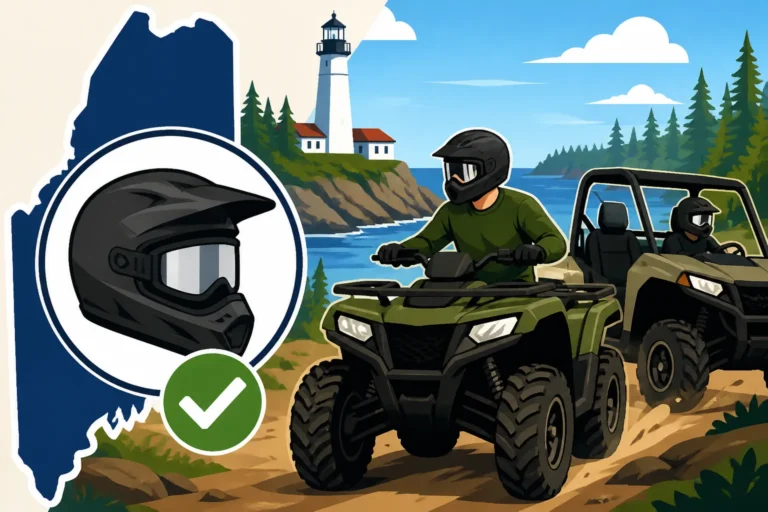
Maine's helmet laws can feel a bit nuanced, as they differentiate between adults, minors, and certain riding environments. However, when it comes to carrying passengers on public ways, the rules tend to err on the side of caution. For any passenger under the age of 18, wearing an approved helmet is generally a strict requirement, no matter if you're on a multi-use rail trail or a town-designated ATV-access road. This isn't a suggestion; it's a mandate designed to protect young heads from serious injury in the event of a fall or collision. Even at seemingly low speeds on a short stretch of road, an accident can happen in an instant, and a helmet provides vital protection.
For adult passengers (18 and over), while a helmet might not be legally required on every type of public way in Maine, it is always, always, always strongly recommended. Wardens and experienced riders will tell you that a helmet is your most important piece of safety gear. Furthermore, if a helmet is required, it must meet specific safety standards, such as those set by the Department of Transportation (DOT) or ANSI. You can't just throw on a bicycle helmet and call it good. These standards ensure the helmet has been tested to withstand impacts specific to ATV riding. Knowing the [Maine Helmet Rules for Riders Under 18] is paramount for any adult planning to transport a minor. Make sure the helmet fits properly, is securely fastened, and is in good condition. An ill-fitting or damaged helmet offers little protection.
Understanding Machine Design for Passenger Safety
The kind of machine you own plays a huge role in whether you can legally and safely carry a passenger on a public way in Maine. Not all ATVs are created equal when it comes to passenger capacity, and UTVs, while designed for multiple riders, still have their own specific rules. Understanding these distinctions is crucial for both compliance and safety.
Single-Rider Quads vs. Two-Up ATVs
This is perhaps the most fundamental distinction you need to grasp. A standard, single-rider ATV, often referred to as a "quad," is engineered, balanced, and designed for precisely one person. It has one seat, no dedicated passenger handholds, and no separate footrests for an additional rider. Attempting to carry a passenger on such a machine on a public way in Maine is not only against the law but is incredibly dangerous. The balance of the machine is drastically thrown off by an extra person, making it harder to steer, brake, and control, especially at speed or over uneven ground. The passenger has nowhere secure to hold on and no safe place for their feet, leaving them vulnerable to falling off or sustaining injuries from the machine itself. This is exactly why you'll see rules against [Carrying a Passenger on a Single-Rider Quad].
On the flip side, "two-up" ATVs are purpose-built machines designed specifically to safely accommodate two riders. You'll recognize them by their visibly extended seats, which provide ample space for both the operator and a passenger, as well as distinct, sturdy handgrips for the passenger to hold onto, and separate, often raised, footpegs. Manufacturers like Polaris, Can-Am, and Arctic Cat all produce excellent two-up models, such as the Polaris Sportsman Touring or the Can-Am Outlander Max. These machines are engineered with a longer wheelbase, heavier-duty suspension, and adjusted weight distribution to maintain stability and handling characteristics even with the added weight of a second person. If you've been riding a single-rider quad and dreaming of sharing the adventure, considering a two-up model might mean you'll need to look into [Maine ATV Registration for a Second Machine] as an addition to your garage.
Side-by-Side (UTV) Seating and Safety Features
Side-by-sides, or UTVs (Utility Terrain Vehicles), are a different beast entirely. They are inherently designed for multiple passengers, typically featuring bucket seats or bench seating, much like a small car. The presence of a sturdy roll cage, seat belts, and sometimes even side nets or doors, provides a significantly different level of passenger protection compared to an open ATV. This makes UTVs an incredibly popular choice for families and groups looking to explore the trails and access routes together.
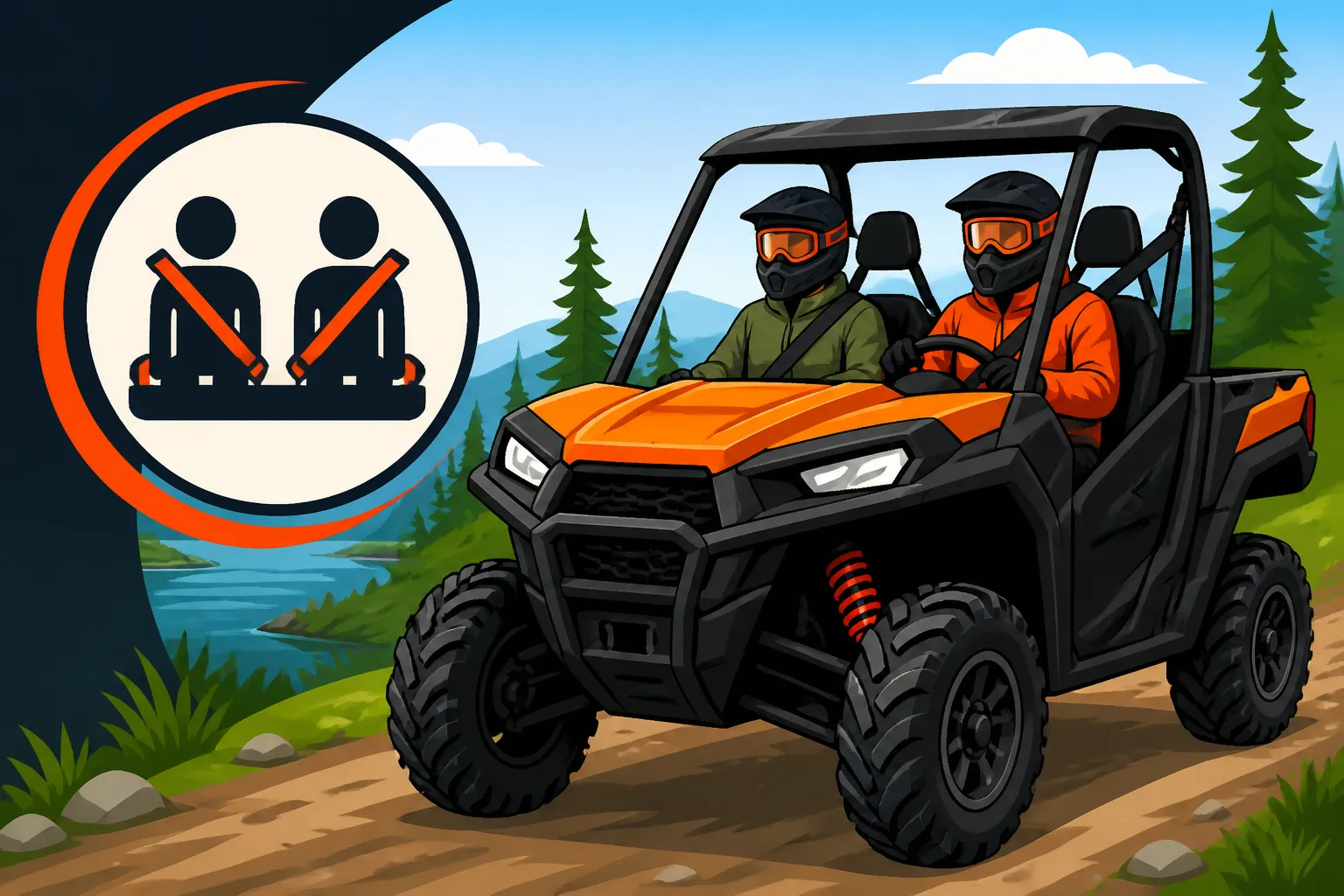
However, even with UTVs, the rules about passenger capacity are strictly tied to the manufacturer's design. If your UTV has two seats, you can carry two people. If it has four seats, you can carry four. You cannot, under any circumstances, squeeze an extra person into a space not designed for them or have someone ride in the cargo bed. Furthermore, seat belts are not optional in a UTV on a public way; they are mandatory for all occupants. Just as you would in a car, every passenger must be securely belted in, and any side nets or doors should be closed and latched. Aftermarket accessories from companies like SuperATV can offer fantastic enhancements for comfort and utility, such as better grab handles or storage solutions, but any additions must not compromise the original safety design of the UTV, particularly its roll cage and seatbelt systems. Always refer to your owner's manual for specific passenger limits and safety guidelines, and be mindful of [Seat Belt Rules in a Side-by-Side] and [UTV Roll Cage and Net Requirements].
Weight Limits and Machine Stability
Beyond just the number of seats, every single ATV and UTV has a maximum weight capacity specified by the manufacturer. This isn't an arbitrary number; it's a crucial engineering limit that dictates how much total weight (riders, passengers, and cargo) the machine can safely carry without compromising its structural integrity, handling, or braking performance. Exceeding this limit, especially when carrying passengers, can have severe consequences.
When you add a passenger, you're not just adding their body weight; you're shifting the center of gravity of the entire machine. This shift dramatically impacts handling, making the ATV or UTV harder to steer, less stable in turns, and more prone to tipping, especially on uneven terrain or when encountering sudden obstacles. Braking distances can also increase significantly, and the suspension components will be under undue stress, leading to a less controlled and less predictable ride. Imagine trying to make an emergency stop on a paved access route with an overloaded machine – the consequences could be disastrous. Even for short rides, always check your owner's manual for the gross vehicle weight rating (GVWR) and ensure that the combined weight of yourself, your passenger(s), and any gear doesn't exceed it. This isn't just about avoiding mechanical stress; it's about maintaining critical stability and control, especially when you're sharing public ways with other vehicles.
Legalities of Passenger Travel on Maine's Public Ways
Navigating Maine's ATV and UTV laws can sometimes feel like trying to untangle a bowl of spaghetti. There are specific rules for trails, for crossing roads, and for riding on roads, and these distinctions are critical when you're considering carrying a passenger. Getting it wrong can lead to serious legal consequences, not to mention putting your passengers at risk.
Designated ATV-Access Routes vs. Crossing Public Ways
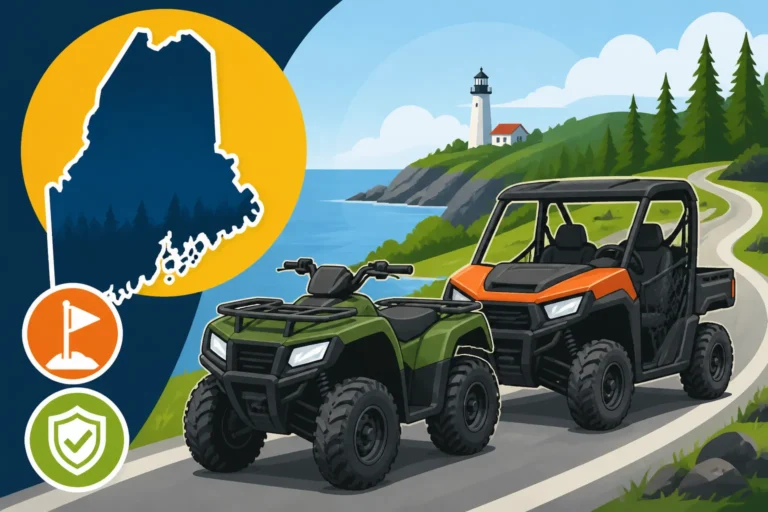
It's really important to understand that Maine law draws a clear line between riding on a designated ATV-access route and merely crossing a public way. A designated ATV-access route is a section of a public road (often a paved or gravel town road) that a municipality has explicitly opened for ATV and UTV travel. You'll typically see signage indicating these routes. When you're on one of these, you might be traveling for a considerable distance, often alongside or in conjunction with vehicular traffic. In these scenarios, adhering to all passenger safety regulations – proper seating, appropriate machine design, and helmet laws for minors – is absolutely paramount. It’s treated much like any other vehicle on the road, with the added considerations for off-highway vehicles.
On the other hand, merely crossing a public way usually refers to those brief moments when a trail intersects a road, and you need to get from one side to the other. Maine has specific rules for these crossings, such as coming to a complete stop and yielding to traffic. While the duration of travel on the public way is minimal, this doesn't create an exemption from passenger safety rules. You still cannot have a passenger on a single-rider ATV, and any passengers on a two-up ATV or UTV must be seated properly with appropriate safety gear. It's a common misunderstanding that "just a quick hop across the road" means you can bend the rules, but the risk of an accident during a crossing is still very real, particularly if you're dealing with traffic. Always be aware of whether you're on a dedicated access route or just making a brief pass, and remember that [Maine's 500-Yard Limit on a Public Way] still applies to these crossings, meaning you generally cannot ride on the public way for more than 500 yards to connect trails.
Carrying Passengers During a Highway Crossing
Let's expand on that crossing scenario for a moment, because it's where many people get tripped up. Imagine you're riding a fantastic trail system, and suddenly you hit a point where the trail vanishes, only to pick up again on the other side of a state highway. Your immediate thought might be, "Okay, quick across the road, nobody will notice the extra person." But that's a dangerous assumption. Even for these fleeting moments of public way interaction, Maine's requirements for proper passenger seating and safety equipment typically remain in full effect.
This means you still need a two-up ATV or a UTV with all passengers correctly seated and belted. And yes, if your passenger is under 18, they absolutely still need to be wearing an approved helmet, even if the crossing takes all of 10 seconds. The logic here is simple: an accident can happen in the blink of an eye. A car could appear suddenly, you could hit a patch of gravel, or you could misjudge your speed. In such a scenario, an improperly seated or unprotected passenger is at a significantly higher risk of severe injury. Maine's wardens are keenly aware of these common risk points and will enforce these rules. So, whether you're looking at [Maine ATV Road Crossing at an Angle] or a straight shot across, your passenger's safety and your adherence to the law should be top priority.
Penalties for Improper Passenger Transport
Nobody wants a ticket, but beyond the financial hit, getting caught transporting passengers improperly on a public way can have more far-reaching consequences. Riding with an improperly seated passenger, carrying more people than your machine is designed for, or having an underage passenger without a helmet (where required) are not minor oversights in the eyes of the law. These are considered serious safety violations that carry fines. The exact amount of the fine can vary based on the specific infraction and the discretion of the enforcing officer, but expect it to be a deterrent, not just a slap on the wrist.
Maine wardens, in particular, are diligent about enforcing ATV and UTV laws, and passenger safety is high on their list. They patrol access routes and trailheads specifically to ensure compliance. Beyond the immediate fine, repeated offenses or involvement in an accident while transporting passengers improperly could lead to even more severe penalties, such as suspension of riding privileges or increased insurance premiums. It's a risk that's simply not worth taking for the sake of convenience or ignoring the rules. Always consult the Maine IF&W rules and be aware that these types of violations fall under the broader umbrella of infractions that could lead to [Penalties for Riding an Unregistered ATV in Maine] (though for different reasons, it's about overall safe operation). The goal of these rules isn't to be a nuisance; it's to ensure everyone gets home safely after a day of enjoying Maine's beautiful outdoors.
Practical Considerations for Safe Passenger Rides
Beyond understanding the letter of the law, there are many practical steps you can take to ensure that carrying a passenger on a road ride is not just legal, but genuinely safe and enjoyable for everyone involved. As the operator, you bear the primary responsibility for your passenger's well-being, and a little forethought goes a long way.
Communication and Rider Responsibility
When you take on a passenger, you're not just driving; you're guiding them through an experience that might be new or intimidating. Clear, consistent communication is absolutely paramount. Before you even start the engine, take a few minutes to talk to your passenger, especially if they're new to ATV or UTV riding. Explain how they should hold on – firmly to the designated handholds, not to you directly, unless that's the only option on your specific machine (though this is less ideal). Show them where to place their feet securely on the footrests and emphasize the importance of keeping them there at all times. Instruct them to lean with the machine in turns, rather than fighting against it or remaining rigid, which can upset the balance. For children, you might even do a quick "dry run" in a safe, open area to practice holding on and leaning before hitting any actual roads or trails.
During the ride, periodically check in with your passenger. Are they comfortable? Are they getting tired? Long rides, especially over bumpy terrain or in unpredictable weather, can lead to fatigue, which can compromise a passenger's grip or attention. A simple hand signal system can be helpful for quick check-ins without having to shout over the engine. Remember, as the operator, you control the pace and the route. If your passenger looks uncomfortable or scared, slow down, pull over, and take a break. Your primary responsibility is their safety and enjoyment, and that means being responsive to their needs.
Essential Gear Beyond Helmets
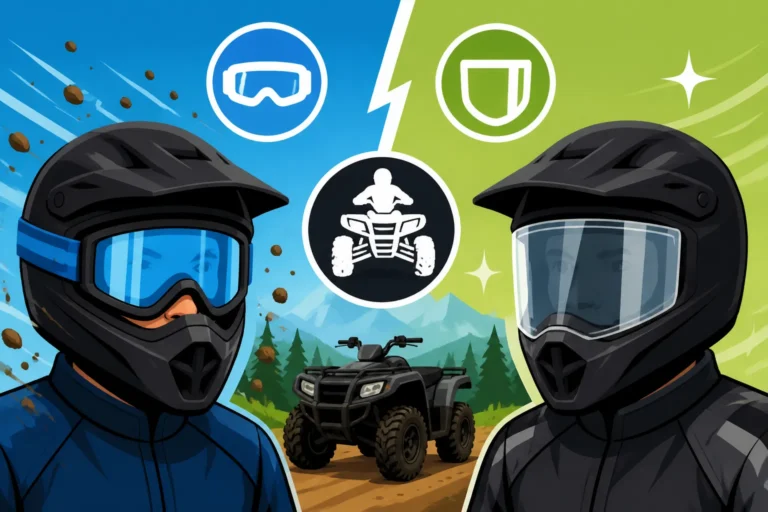
While helmets are often a legal requirement for younger passengers and always a strong recommendation for all on public ways, they're just one piece of the safety puzzle. There's a whole suite of other protective gear that can significantly reduce the risk of injury for your passenger. First and foremost, everyone on the machine should have proper eye protection – whether that's a helmet with a face shield, separate goggles, or even just sunglasses. Dust, debris, insects, or even low-hanging branches can quickly impair vision and cause a rider to flinch, which is dangerous.
Next, sturdy, over-the-ankle boots are essential. These protect feet and ankles from impacts, scrapes, and the heat of the engine. Long pants (preferably denim or other durable material, not flimsy athletic wear) and long-sleeved shirts or jackets are also highly recommended. They protect against abrasions in a fall, as well as providing a barrier against sun, wind, and trailside hazards. Maine's weather can be unpredictable, even on a sunny day, so layered clothing is always a good idea. Gloves offer both protection for hands and a better grip on handholds. Think of it as preparing for an adventure: you wouldn't hike in flip-flops, so don't ride an ATV in inadequate gear. A small first-aid kit, easily accessible on the machine, is also a smart addition for any ride.
Pre-Ride Checks and Route Planning
Before you even turn the key, a thorough pre-ride inspection of your machine is critical, especially when carrying a passenger. This isn't just a quick glance; it's a systematic check. Start with tire pressure – ensure all tires are inflated to the manufacturer's recommended specifications, as incorrect pressure can drastically affect handling, particularly with added weight. Test your brakes: front, rear, and parking. Check fluid levels, lights, and horn. Crucially, pay close attention to all passenger safety features: are the handholds secure? Are the footrests firmly attached? Are the seat belts (on a UTV) functioning correctly and free of fraying? A loose component, amplified by the weight of a passenger, can turn into a serious hazard.
Next, plan your route. If you're going to be on public ways with a passenger, stick to designated ATV-access routes that you're familiar with and that are appropriate for your machine's capabilities and your passenger's comfort level. Avoid overly challenging trails or high-traffic public roads if you or your passenger are not fully confident. Utilize resources like [Finding Posted ATV Routes in Your Maine Town] or online maps to understand the terrain, any potential road sections, and where services like fuel and food might be available. Communicating the route to your passenger beforehand can also help them feel more secure. Remember, the goal is to make the ride enjoyable and safe, and good preparation is the cornerstone of that success.
Here's a quick comparison of passenger rules for different types of machines on Maine's public ways:
| Feature / Rule | Single-Rider ATV | Two-Up ATV | Side-by-Side (UTV) |
|---|---|---|---|
| Carrying Passengers | No (Illegal on public ways) | Yes (Designed for one passenger) | Yes (Designed for multiple passengers) |
| Designated Seating | One seat only | Extended seat, passenger handholds & footrests | Bucket or bench seats, roll cage, seat belts |
| Helmet Requirement (Passenger) | N/A (Should not carry) | Under 18: Mandatory. Over 18: Recommended on public ways. | Under 18: Mandatory. Over 18: Recommended on public ways. |
| Seat Belts | N/A | N/A | Mandatory for all occupants |
| Manufacturer Capacity | 1 rider | 2 riders | Varies (2, 3, 4, 6 riders typically) |
| Stability Impact | Severely compromised with passenger | Designed to handle two riders | Designed to handle multiple riders |
| Legal on Public Ways | Only driver permitted | Yes, with proper design and adhering to rules | Yes, with proper design and adhering to rules |
| Example Use Case | Solo trail riding | Sharing a scenic road ride with one person | Family outings, group rides, utility work with multiple occupants |
Disclaimer
This article is for general informational purposes only and does not constitute professional advice. Laws, prices and regulations vary by location and change over time. Consult a qualified professional for guidance on your specific situation.